

.png)
NFT Receipts for Accounting: 7 Mistakes You're Making with Crypto Tax Reporting (And How Larecoin Fixes Them)
- [[[Free!!]<<<<]] Watch: 스포르팅 - 토트넘 Live Stream 13 September 2022
- Jan 31
- 4 min read
![Writer: [[[Free!!]<<<<]] Watch: 스포르팅 - 토트넘 Live Stream 13 September 2022](https://lh3.googleusercontent.com/a/AItbvmktwQc0wCdd3ZEETSYItRQubwwBzOyjD_dcigRf=s96-c)
Tax season hits different when you're processing crypto payments.
Traditional payment processors give you CSV files. Maybe a PDF if you're lucky. Then the exchange shuts down. Or changes their export format. Or loses data from three years ago.
You're scrambling through Discord screenshots and blockchain explorers at 11 PM trying to prove what you sold and when.
Let's fix that. Here are seven accounting disasters crypto merchants face, and how Larecoin's NFT receipt system solves them permanently.
Mistake #1: No Permanent Transaction Records
Your problem: NOWPayments gives you a dashboard. CoinPayments sends monthly statements. Great until the platform decides to archive old data or change their export structure.
Exchanges fail. Platforms shut down. Your accounting records shouldn't depend on a third party staying in business.
How Larecoin Fixes It:
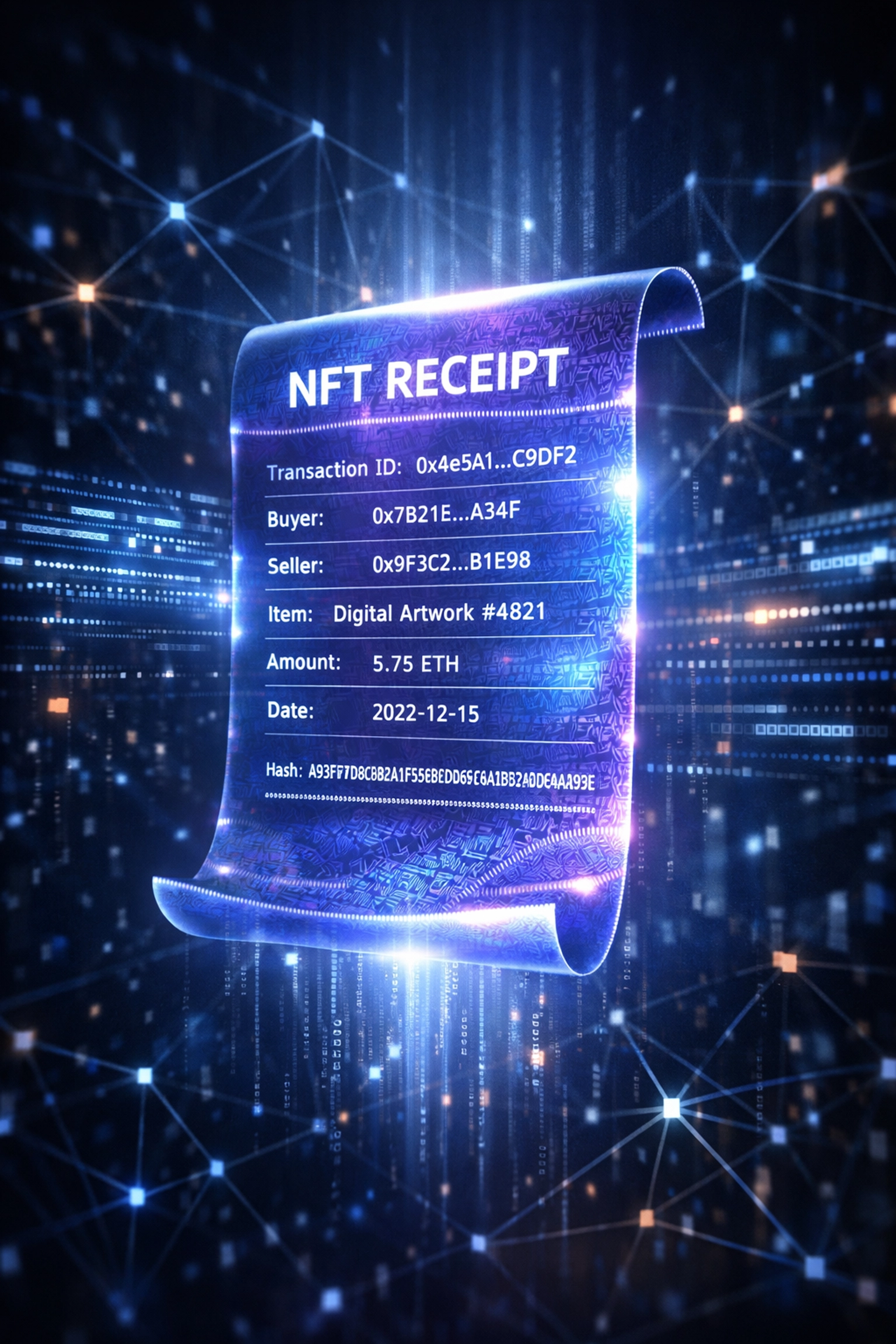
Every transaction generates an NFT receipt. Minted on-chain. Immutable. Yours forever.
The NFT contains transaction metadata, amount, timestamp, wallet addresses, fee breakdown. No platform can delete it. No server outage can erase it. The blockchain is your receipt book.
You control the wallet. You own the receipts. Simple.
Mistake #2: Missing Fee Documentation
Tax authorities want cost basis calculations. That includes fees.
With traditional processors, you're tracking gateway fees, network fees, conversion fees separately. Good luck proving those numbers three years later during an audit.
How Larecoin Fixes It:
NFT receipts capture the complete fee structure:
Network gas costs
Payment processing fees
Any conversion spreads
Everything stamped directly into the receipt metadata. Your accountant can pull the exact numbers from the blockchain. No guessing. No reconstructing from partial data.
Larecoin's fee structure stays transparent. Self-custody means you're not paying hidden custody fees like you would with CoinPayments.
Mistake #3: Treating All Crypto Payments the Same
IRS sees different tax treatment for:
Direct crypto sales
Stablecoin transactions
Token swaps
NFT purchases with crypto
Your spreadsheet probably doesn't distinguish between these. You're grouping everything as "crypto revenue" and hoping for the best.
How Larecoin Fixes It:
NFT receipts classify transaction types automatically.
Payment in LARE? Documented. Payment converted to LUSD stablecoin? Recorded separately with conversion rate. Direct merchant payment versus marketplace transaction? Flagged appropriately.
The receipt shows exactly what happened. Your CPA can categorize correctly without archaeological research.
Mistake #4: Ignoring Receipt Timestamps
Crypto tax rates depend on holding periods. Short-term versus long-term capital gains. When you received payment matters.
Traditional systems timestamp when the payment hit their server. Not when it hit the blockchain. That discrepancy creates accounting nightmares during UTC conversions and time zone confusion.
How Larecoin Fixes It:
Blockchain timestamps are absolute. The NFT receipt captures the exact block number and timestamp when the transaction confirmed.
No server time confusion. No "our systems were down so we stamped it the next day" explanations.
The blockchain doesn't lie about when something happened.
Mistake #5: Manual Spreadsheet Tracking
You're copying transaction IDs into Google Sheets. Cross-referencing wallet addresses. Manually calculating conversion rates.
Human error guaranteed. Missing rows. Duplicate entries. Wrong decimal places.
How Larecoin Fixes It:
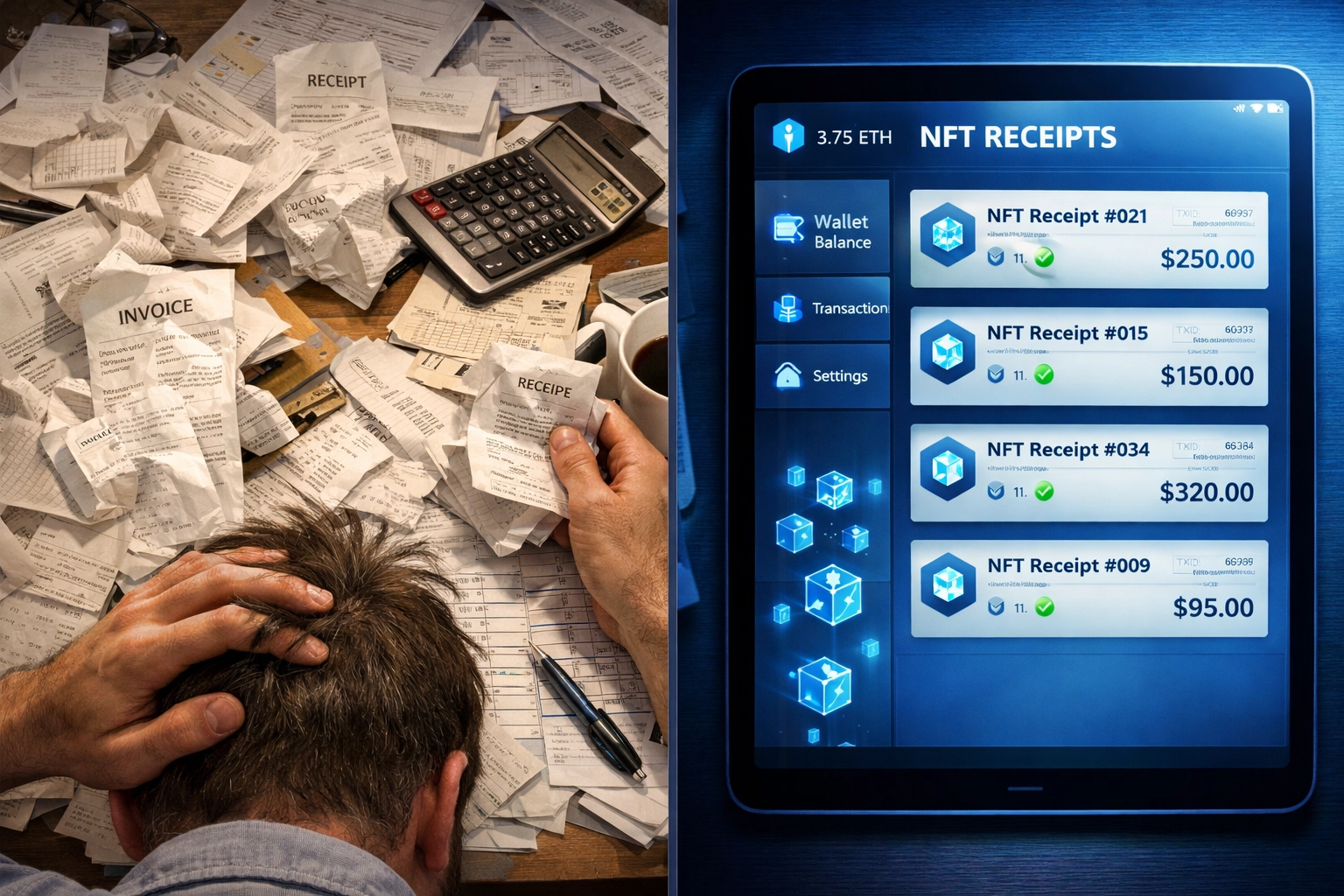
NFT receipts integrate with accounting software automatically.
Your system queries the blockchain. Pulls all receipts from your merchant wallet. Populates your books with verified data.
No manual entry. No copy-paste errors. Just programmable, auditable records.
Third-party accounting tools can verify everything directly from the chain. Your accountant trusts blockchain data more than your spreadsheet anyway.
Mistake #6: Not Accounting for Stablecoin Conversions
You accept crypto. Convert to USDC or USDT immediately. Think you're safe from volatility.
Tax-wise, you just triggered a taxable event. That conversion has tax implications. Traditional payment processors don't track the nuance.
How Larecoin Fixes It:
LUSD integration means stablecoin conversions are documented in the NFT receipt.
The receipt shows:
Original payment amount and token
Conversion to LUSD
Exact conversion rate at transaction time
Any spread or fees applied
Your tax software sees the complete picture. No "I think the rate was around..." guesswork.
Merchants using Larecoin's payment solutions get this documentation automatically.
Mistake #7: Relying on Custodial Platforms for Records
CoinPayments holds your crypto. NOWPayments controls your dashboard access. You're trusting them to maintain your financial records.
What happens when they get hacked? When they lock your account? When they change ownership and purge old data?
You lose access to your own accounting history.
How Larecoin Fixes It:
Self-custody is the foundation.
Your wallet. Your keys. Your NFT receipts in your wallet.
No platform can revoke access. No terms-of-service change can erase your records. No account suspension locks you out of your own financial history.
The receipts exist on the blockchain whether Larecoin exists or not. That's the power of decentralization.
Merchants keeping custody of their funds through Larecoin's merchant solutions maintain complete control over their accounting records.

Why NFT Receipts Change Everything
Traditional receipts are documents about transactions. NFT receipts are cryptographic proof of transactions.
The difference matters for:
Audits: Hand the auditor your wallet address. They verify everything on-chain.
Disputes: Timestamp and transaction details are immutable.
Multi-year tracking: Your 2024 receipts still exist in 2034.
Cross-border compliance: Blockchain records transcend jurisdictions.
The Freedom Advantage
Traditional processors want you dependent. They monetize your transaction data. Lock you into their ecosystem. Charge fees for data exports.
Larecoin's model is different:
You own your receipts
You control your funds
You access your records without permission
You integrate with any accounting system that reads blockchain data
This is merchant independence. This is financial sovereignty.
Not just buzzwords. Actual ownership of your business records.
Getting Started with NFT Receipts
Setting up Larecoin's NFT receipt system takes minutes:
Connect your Web3 wallet to Larecoin
Enable payment acceptance
Receipts mint automatically with each transaction
Access complete history from your wallet
No complicated onboarding. No account verification delays. No waiting for platform approval.
Start accepting payments. Start collecting receipts. Start owning your accounting records.

The Tax Reporting Revolution
Crypto accounting doesn't have to be chaos.
With permanent, immutable, self-custodied transaction records, you're building bulletproof books from day one.
Your accountant will thank you. Your auditor will thank you. Your future self during tax season will definitely thank you.
Stop treating crypto payments like a necessary headache. Start treating them like the transparent, verifiable, auditable system they were designed to be.
Larecoin's NFT receipts make that possible.
Ready to fix your crypto accounting? Check out the full payment ecosystem at Larecoin.
Your blockchain receipt book is waiting.
Comments