

.png)
NOWPayments vs CoinPayments vs Triple-A: Which Crypto Payment Processor Actually Protects Your Custody?
- [[[Free!!]<<<<]] Watch: 스포르팅 - 토트넘 Live Stream 13 September 2022
- Feb 21
- 4 min read
![Writer: [[[Free!!]<<<<]] Watch: 스포르팅 - 토트넘 Live Stream 13 September 2022](https://lh3.googleusercontent.com/a/AItbvmktwQc0wCdd3ZEETSYItRQubwwBzOyjD_dcigRf=s96-c)
The Custody Problem Nobody's Talking About
Your funds. Their wallet. That's the reality with most crypto payment processors.
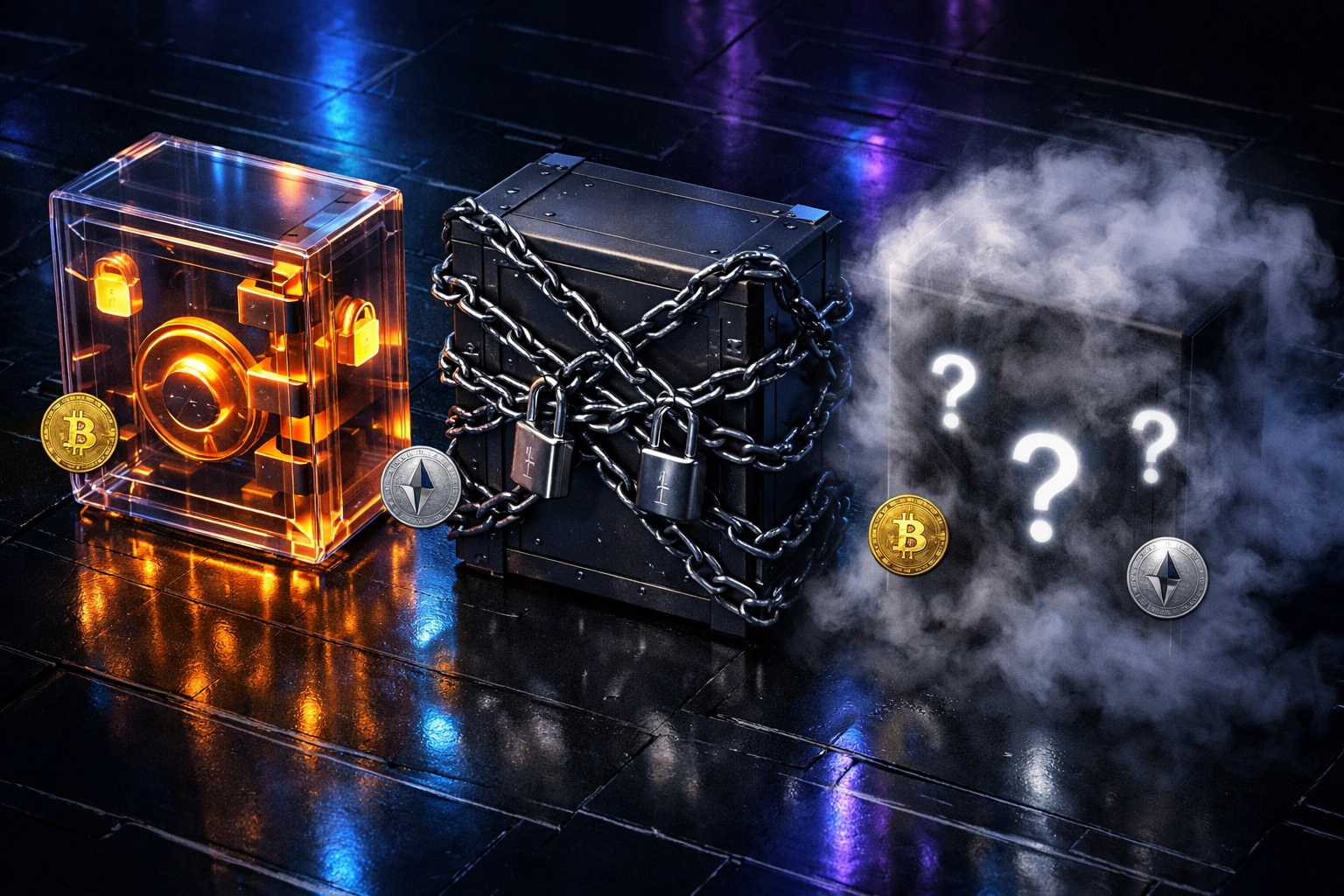
NOWPayments claims non-custodial by default but still routes payments through their system before settlement. CoinPayments holds everything in their wallet until you ask for it back. Triple-A? Good luck finding clear documentation on how they actually handle your money.
None of them offer true self-custody. They're all middlemen taking cuts and controlling your capital.
What "Non-Custodial" Actually Means
NOWPayments forwards payments directly to your wallet: unless you use their custody option. Then funds pile up in their account until withdrawal. Security features include cold storage, 2FA, and whitelisted addresses. Better than nothing.
CoinPayments is custodial straight up. Your crypto sits on their platform. You're trading control for convenience. The hosted wallet system means they're holding your money until you manually withdraw.
Triple-A won't tell you. Their custody documentation is practically nonexistent. They talk compliance and enterprise solutions but skip the part where they explain who actually controls merchant funds. Red flag in a space built on transparency.
The Fee Trap
All three charge percentage-based fees:
NOWPayments: 0.5-1%
CoinPayments: 0.5-1%
Triple-A: 0.7-1.5%
Process $1M annually? You're paying $5,000-$7,000+ in platform fees alone. And that's before traditional payment processor fees if you're still accepting cards.
These platforms reduce some costs but don't eliminate the fundamental problem: intermediaries taking cuts from every transaction.
True Self-Custody: The Larecoin Difference
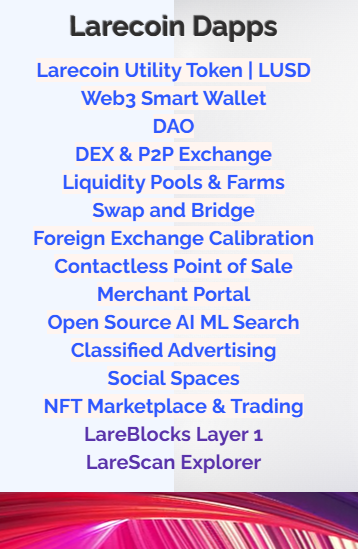
Larecoin built a payment processor where you control funds from payment to settlement. No intermediary wallets. No withdrawal requests. No custody questions.
Gas-only transfers mean merchants receive payments with zero fees. Customers cover network costs only. No platform percentage. No hidden charges.
Master wallet architecture lets businesses manage multiple locations or departments through sub-wallets. All self-custodied. All under your control.
NFT Receipts: Programmable Commerce
Every transaction generates an NFT receipt. Not a gimmick. A fundamental upgrade to how payments work.
Instant loyalty programs. Receipts double as rewards tokens. Automatic point accumulation without third-party systems.
Warranty tracking. Product purchases create immutable proof-of-purchase NFTs. No more lost paper receipts.
Secondary markets. High-value receipts (limited editions, rare items) become tradeable assets. Your transaction history has value.
Traditional processors give you a database entry. Larecoin gives you ownership of your payment history.
LUSD Stablecoin: Volatility Protection Without Banks
Price swings kill crypto adoption for merchants. LUSD stablecoin solves this without relying on centralized issuers.
Algorithmic stability backed by ETH collateral. No bank accounts. No regulatory seizure risk.
Overcollateralized to maintain peg during market crashes. Your stablecoin holdings stay stable even when crypto markets don't.
Merchants can accept volatile assets like BTC or ETH while settling in LUSD. Best of both worlds.

QR-Generated POS: Zero Hardware Costs
Most crypto payment processors require proprietary hardware or integration with existing POS systems. Expensive. Complicated.
Larecoin generates dynamic QR codes. That's it.
Any device with a camera becomes a payment terminal. Phones, tablets, existing POS screens. Zero additional hardware investment.
Customers scan. Payment processes. NFT receipt generated. Transaction complete.
The POS system updates in real-time through the merchant portal. Inventory management, sales tracking, and accounting all integrated.
Reducing Interchange Fees By More Than 50%
Credit card processors charge 2-3% plus per-transaction fees. Debit runs 1.5-2%. Add monthly fees, chargeback costs, and compliance expenses.
Traditional payment processing: 3% on $1M = $30,000/year minimum.
Larecoin crypto payments: Gas-only transfers + optional fiat conversion = <1.5% total cost.
Merchants save $15,000-$20,000 annually per million in revenue. More at higher volumes.
The savings compound when you factor in eliminated chargeback fraud, reduced reconciliation costs, and lower accounting overhead.
Federal MSB Registration + State MTL Coverage
Compliance isn't optional. It's the foundation of trust.
Federal MSB registration with FinCEN. Full money service business compliance at the national level.
State-level MTL coverage across the U.S. Money transmitter licenses where required by law.
NOWPayments and CoinPayments operate in regulatory gray zones. Triple-A emphasizes compliance but doesn't specify jurisdictions clearly.
Larecoin operates transparently within existing regulatory frameworks. Merchants avoid the risk of processing payments through unregistered entities.
The Metaverse Shopping Experience
VR commerce isn't science fiction. It's launching now.
The Larecoin B2B2C metaverse combines social shopping with actual commerce. Virtual storefronts. Real products. Crypto payments integrated natively.
Virtual try-ons for fashion. 3D product visualization for furniture and home goods. Social shopping experiences where friends shop together remotely.
AR shopping brings the metaverse to physical retail. Point your phone at products. See reviews, specifications, and crypto pricing overlays. Complete purchase in-app with Larecoin.
Traditional payment processors can't touch this. Their systems weren't built for spatial computing or decentralized environments.

Master/Sub-Wallet Architecture For Enterprise
Multi-location businesses need centralized oversight with departmental autonomy.
Master wallet controls overall treasury. CFO-level access.
Sub-wallets for individual stores, franchises, or departments. Location managers process payments independently.
All transactions roll up to master wallet reporting. Real-time visibility across the entire organization. Self-custodied at every level.
CoinPayments and NOWPayments offer multi-user access but not true wallet hierarchy. Everything still routes through their custodial or semi-custodial systems.
Why Custody Matters More Than Features
Payment processing features matter. Low fees matter. Easy integration matters.
But custody matters most.
If a processor can freeze your funds, delay withdrawals, or reverse transactions without your permission: you don't control your money. You're trusting them to control it for you.
Traditional finance already works that way. Banks control your accounts. Credit card processors hold reserves. Payment platforms can ban you.
Crypto promised an alternative. Self-custody. Peer-to-peer. No intermediaries.
NOWPayments gets closer than most but still introduces custody at withdrawal. CoinPayments keeps full custody. Triple-A won't even document their approach clearly.
Larecoin delivers true self-custody. Your keys. Your coins. Your control.
The Path Forward
Payment processing is evolving beyond intermediaries taking cuts.
Gas-only transfers eliminate platform fees. NFT receipts create programmable commerce. LUSD stablecoin removes volatility risk. QR-generated POS eliminates hardware costs. Federal MSB and state MTL coverage ensures compliance.
Metaverse shopping is coming. AR/VR commerce needs payment rails built for decentralized environments. Traditional processors can't adapt fast enough.
The question isn't whether crypto payments replace traditional processing. It's which crypto payment system wins.
Choose processors that respect self-custody. Or keep trusting middlemen with your money.
Part of the 100-post Larecoin marathon documenting Web3's 10-year transformation of global commerce.
Comments