

.png)
NOWPayments vs CoinPayments: Why Neither Offers True Self-Custody Merchant Accounts (And Who Does)
- [[[Free!!]<<<<]] Watch: 스포르팅 - 토트넘 Live Stream 13 September 2022
- 2 hours ago
- 4 min read
![Writer: [[[Free!!]<<<<]] Watch: 스포르팅 - 토트넘 Live Stream 13 September 2022](https://lh3.googleusercontent.com/a/AItbvmktwQc0wCdd3ZEETSYItRQubwwBzOyjD_dcigRf=s96-c)
Crypto payments should mean freedom.
Your keys. Your coins. Your business.
But here's the uncomfortable truth most merchants discover too late: the biggest crypto payment processors don't actually give you control of your funds.
NOWPayments and CoinPayments dominate the conversation. They've got the marketing. The integrations. The brand recognition.
What they don't have? True self-custody.
Let's break it down.
The Self-Custody Problem Nobody Talks About
Self-custody means one thing: you hold the private keys.
Not a third party. Not a payment processor. Not a custodian pretending to be "non-custodial."
You.
When a merchant accepts crypto through a traditional processor, the funds typically flow through wallets controlled by that processor. Even if it's just for a few minutes. Even if they promise instant payouts.
That's not self-custody. That's trusting someone else with your money.
And trust in crypto? That's the whole point we're trying to eliminate.
NOWPayments: The "Non-Custodial" Confusion
NOWPayments markets itself as non-custodial.
Some sources back this up. They claim the platform "doesn't keep your money at all" and lets "merchants maintain full control of their funds."
Sounds great. Until you dig deeper.
Other analyses describe NOWPayments as "primarily custodial." The conflicting information is a red flag.
What we know for sure:
Supports 300+ cryptocurrencies
Fees around 0.5% per transaction
Offers various integrations and plugins
Settlement mechanisms aren't fully transparent
The problem? When sources disagree about whether a platform is custodial or not, that's not a good sign. True self-custody should be crystal clear. Black and white. No interpretation needed.
If you have to ask "is this really self-custody?": it probably isn't.
CoinPayments: The Custodial Reality
CoinPayments doesn't hide it as much.
According to their own documentation and third-party analyses: "your funds are kept in the generated wallets and you do not have private keys for them."
Read that again.
You don't have private keys.
That's the definition of custodial. Period.
What CoinPayments offers:
1,900+ cryptocurrencies supported
Fees around 0.5-1% per transaction
Established since 2013
Custodial wallet infrastructure
Sure, the coin support is impressive. But what's the point of accepting 1,900 tokens if you don't actually control any of them until CoinPayments decides to release your funds?
Your business depends on their infrastructure. Their security. Their decisions.
That's not merchant freedom. That's merchant dependency.

Why Custody Models Actually Matter for Your Business
Let's talk real-world impact.
Security Risk: When a custodial processor gets hacked, your funds are at risk. History is littered with exchange and processor breaches. Self-custody eliminates this attack vector entirely.
Regulatory Exposure: Custodial services face increasing regulatory scrutiny. Freezes. KYC requirements. Geographic restrictions. Your funds can get caught in the crossfire of regulations that have nothing to do with your business.
Withdrawal Delays: Ever waited days for a payout? Custodial processors control the timing. Self-custody means instant access: always.
Account Termination: Custodial processors can close your account. Freeze your funds. Demand documentation. Self-custody? Your wallet, your rules.
Fee Stacking: Traditional processors often layer fees. Transaction fees. Withdrawal fees. Conversion fees. Network fees on their end. It adds up fast.
What True Self-Custody Actually Looks Like
True self-custody in merchant payments means:
Direct wallet integration. Customer pays → funds hit YOUR wallet immediately.
Private key control. You generate keys. You control keys. No intermediary.
No fund pooling. Your payments don't touch shared infrastructure.
Instant settlement. On-chain finality. No waiting for processor approval.
Zero withdrawal process. Funds are already yours. Nothing to withdraw.
Simple concept. Hard to find.
Until now.
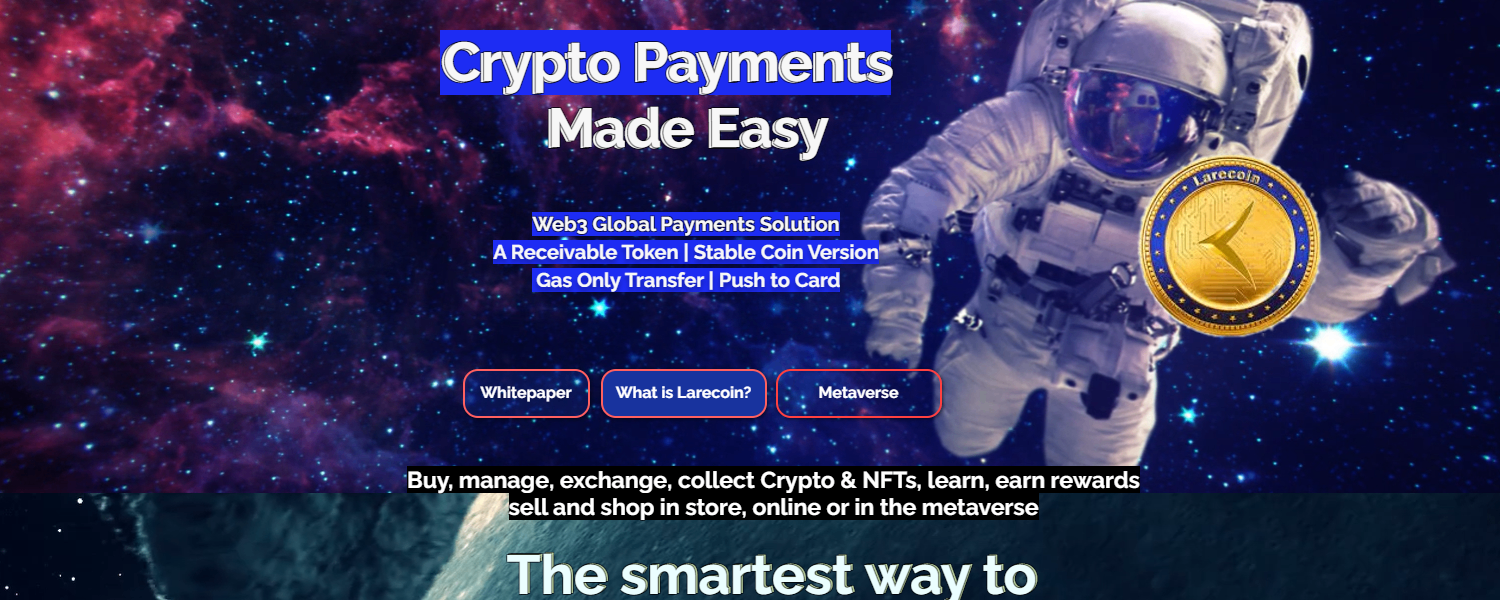
Larecoin: Built for Merchant Independence
Larecoin was designed from the ground up with one principle: merchants should never give up control of their funds.
Here's how it works:
True self-custody architecture. Payments flow directly to your wallet. No intermediary touch points.
LUSD stablecoin option. Accept crypto, settle in stable value. No volatility stress.
NFT receipts. Every transaction generates a verifiable on-chain receipt. Auditable. Immutable. Professional.
Minimal fees. Gas-only transfers mean you're not paying percentage cuts to middlemen.
Decentralized infrastructure. No single point of failure. No company controlling your access.
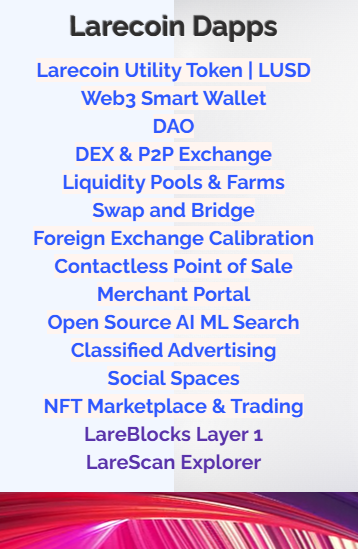
The ecosystem includes a merchant portal, contactless POS solutions, and seamless integration options: all without sacrificing the self-custody principle.
Fee Comparison: The Numbers Don't Lie
Let's break down what you're actually paying:
Platform | Transaction Fee | Custody Model | Hidden Costs |
NOWPayments | ~0.5% | Unclear/Mixed | Conversion spreads |
CoinPayments | 0.5-1% | Custodial | Withdrawal fees |
Larecoin | Gas only | Self-Custody | None |
On $100,000 in monthly transactions:
NOWPayments: ~$500+ in fees
CoinPayments: $500-1,000+ in fees
Larecoin: Network gas only (fraction of competitor costs)
Those savings compound. Monthly. Yearly. Over the life of your business.
That's money staying in your pocket. Not funding someone else's infrastructure.
NFT Receipts: Beyond Basic Transaction Records
Traditional payment processors give you CSVs. Maybe a dashboard.
Larecoin gives you NFT receipts.
Why this matters:
Immutable proof. On-chain verification that can't be altered or disputed.
Automated accounting. Blockchain-native records integrate with Web3 accounting tools.
Customer experience. Buyers receive verifiable proof of purchase they actually own.
Audit-ready. No reconstructing records. Everything lives on-chain permanently.
This isn't a gimmick. It's the future of commercial transaction records.
LUSD: Stability Without Sacrificing Decentralization
Volatility kills merchant adoption.
You accept 1 ETH today, it's worth 20% less tomorrow. That's not sustainable for real businesses.
LUSD solves this while maintaining decentralization principles.
Accept any crypto. Settle in stable value. Keep custody the entire time.
No bank account needed. No fiat conversion delays. No permission required.
Just stable, self-custodied merchant payments.
The Merchant Freedom Stack
Larecoin isn't just a payment processor. It's a complete ecosystem:
Smart wallet infrastructure
Decentralized exchange integration
Liquidity pools
Cross-chain swap and bridge capabilities
Contactless POS solutions
Full merchant portal
AI-powered search and discovery
All built on self-custody principles. All designed for merchant independence.
Making the Switch
Ready to stop trusting middlemen with your revenue?
The transition is straightforward:
Set up your self-custody wallet
Integrate Larecoin payment options
Start accepting crypto directly
Watch fees disappear and control return
No lengthy approval processes. No invasive KYC demands. No geographic restrictions.
Just merchant freedom. The way crypto was supposed to work.
The Bottom Line
NOWPayments and CoinPayments built their businesses on traditional processor models. Custody. Control. Fees.
They brought crypto payments to the mainstream. Credit where it's due.
But the mainstream model isn't why we're here.
We're here for decentralization. Self-sovereignty. Trustless systems.
Larecoin delivers what the industry promised but rarely provides: true self-custody merchant accounts.
Your keys. Your coins. Your business.
Visit Larecoin to explore the ecosystem and reclaim control of your crypto payments.
Crypto payments made easy. Finally.
Comments