

.png)
Stop Wasting 3% on Payment Processing: 7 Quick Hacks to Slash Interchange Fees with Web3 Global Payments
![Writer: [[[Free!!]<<<<]] Watch: 스포르팅 - 토트넘 Live Stream 13 September 2022](https://lh3.googleusercontent.com/a/AItbvmktwQc0wCdd3ZEETSYItRQubwwBzOyjD_dcigRf=s96-c)
Traditional payment processors are draining your profits. Every swipe, every tap, every checkout costs you 3-7% in fees. That's before chargebacks, PCI compliance costs, and international conversion fees pile on.
Web3 global payments slash that to under 1%. Here's how.
The Real Cost of Traditional Processing
You're paying multiple parties for a single transaction:
Interchange fees: 1.5-3%
Network fees: 0.1-0.3%
Processor markup: 0.25-0.5%
International conversion: 1-3%
Processing $50,000 monthly? You're losing $1,500-$3,500 to middlemen. That's $18,000-$42,000 annually. Gone.
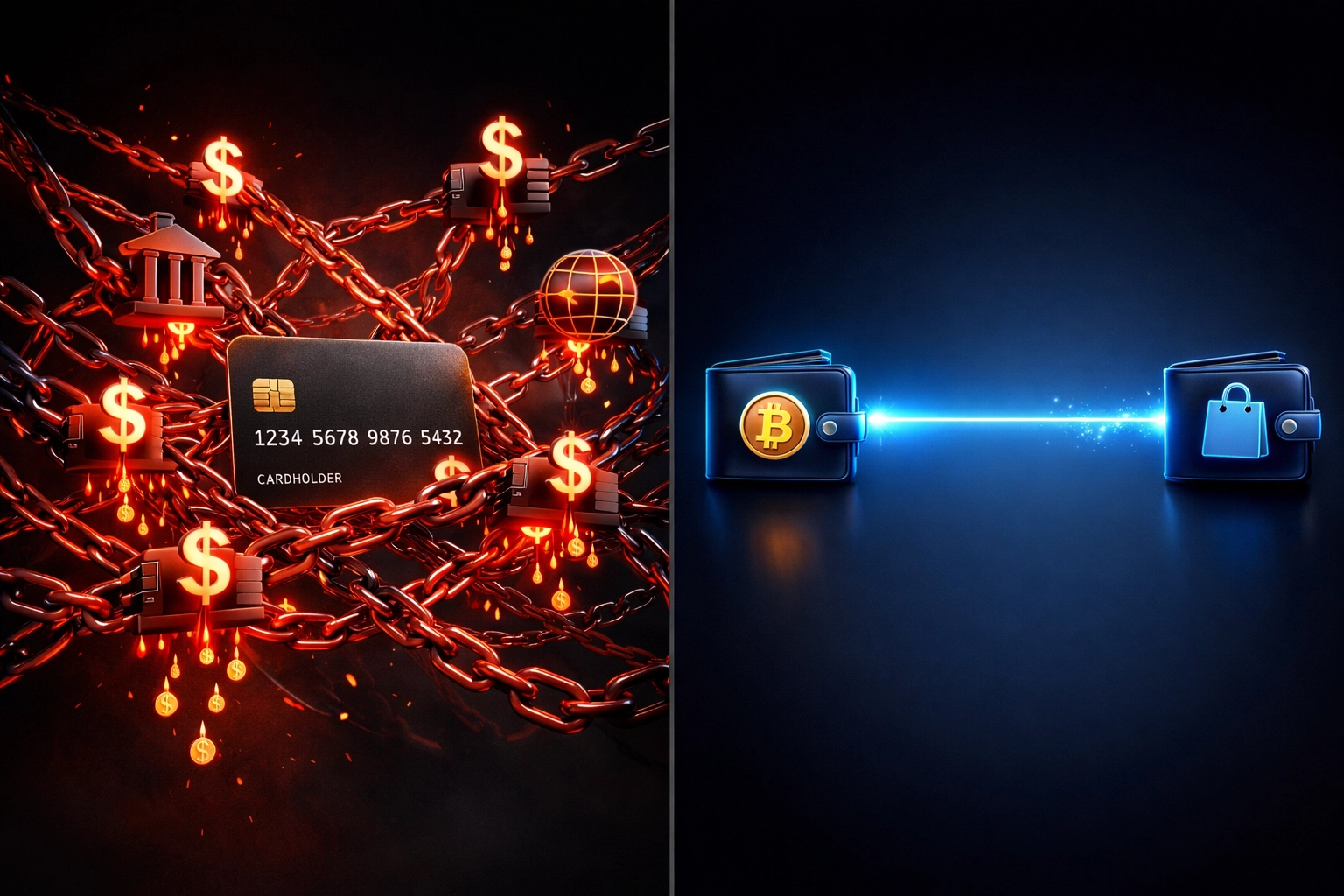
Web3 eliminates the middlemen. Funds move peer-to-peer. Customer wallet to merchant wallet. Direct. Instant. Cheap.
Hack #1: Switch to Blockchain Settlement
Traditional payment rails run through banks, card networks, and processors. Each takes their cut. Settlement takes 2-7 days.
Blockchain settlement removes every intermediary. Transaction finality happens in seconds. Fees drop to network gas costs: typically $0.50-$5 depending on the chain.
Setup time: 5-15 minutes. No credit checks. No banking relationships required.
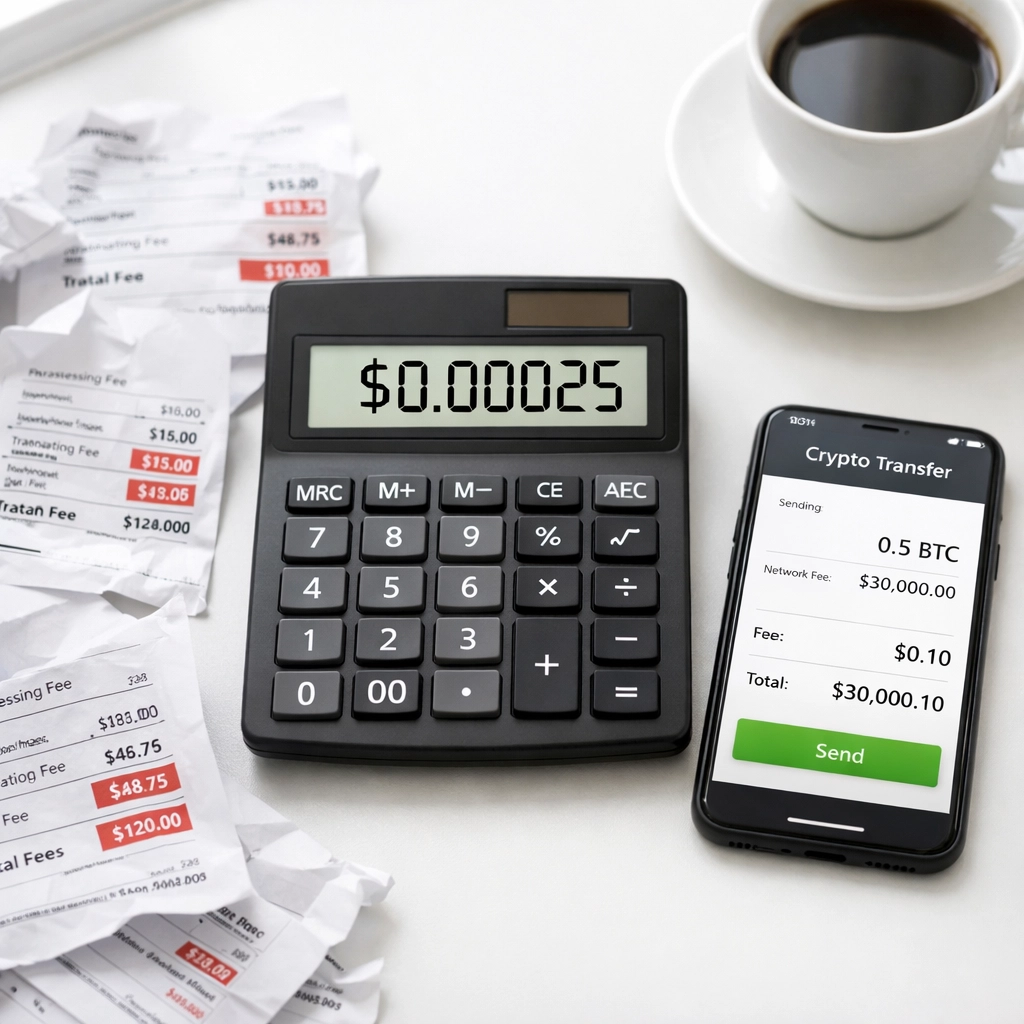
Larecoin operates on Solana: transactions finalize in 400 milliseconds. Gas fees average $0.00025. Compare that to your current processor's flat fee plus percentage model.
Hack #2: Leverage LUSD Stablecoin Payments
Crypto volatility scares merchants. Valid concern. Wrong conclusion.
LUSD stablecoin solves this. Dollar-pegged. Decentralized. No single point of failure.
Unlike USDC or USDT (controlled by centralized entities), LUSD maintains decentralization while providing stability. Accept payments in LUSD. Keep it as LUSD. Convert to fiat if needed.
Price stability without intermediaries. That's the entire point.
Cross-border advantage: International transactions in LUSD settle at spot rates in minutes. A $10,000 wire transfer through banks costs $330. Through LUSD? Approximately $66.
Hack #3: Deploy Gas-Only Transfers
Most crypto payment processors still charge percentage fees. They're just replicating the old model on new rails.
Not smart.
Gas-only transfers mean you pay network fees alone. No processor markup. No hidden costs. No surprise deductions.
Larecoin's gas-only model means a $10,000 transaction costs the same as a $10 transaction: network gas. That's it.
Compare to competitors:
NOWPayments: 0.4-0.5% fee
CoinPayments: 0.5% fee
Triple-A: 0.9-1% fee
On that $50,000 monthly volume, you're still paying $200-$500 to these "crypto" processors. Gas-only drops that to under $50 total.
Hack #4: Implement NFT Receipt Automation
Manual record-keeping costs time and money. Accountants. Reconciliation. Dispute resolution.
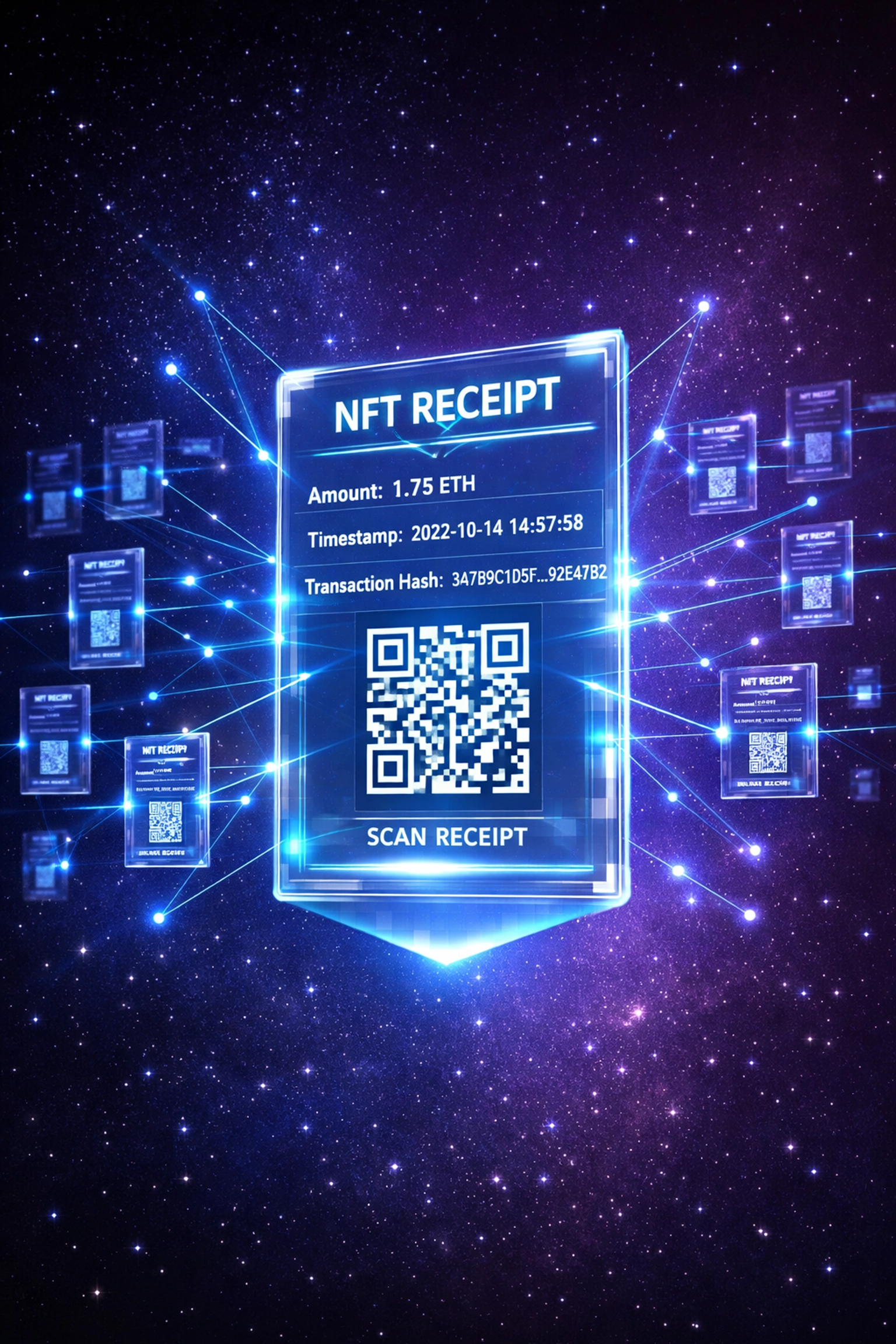
NFT receipts automate everything. Each transaction mints a unique NFT receipt. Immutable. Time-stamped. Blockchain-verified.
Pull reports instantly. No manual entry. No reconciliation errors. Tax season becomes trivial.
Your accountant will thank you. Your auditor will thank you. You'll thank yourself.
Traditional processors offer downloadable CSVs. That's 1990s technology. NFT receipts are programmable, searchable, and compatible with smart contract accounting systems.
Future-proof your books today.
Hack #5: Use Self-Custody Wallets
Payment processors hold your funds. They control access. They impose withdrawal limits. They freeze accounts.
Self-custody means you control the keys. You control the funds. Always.
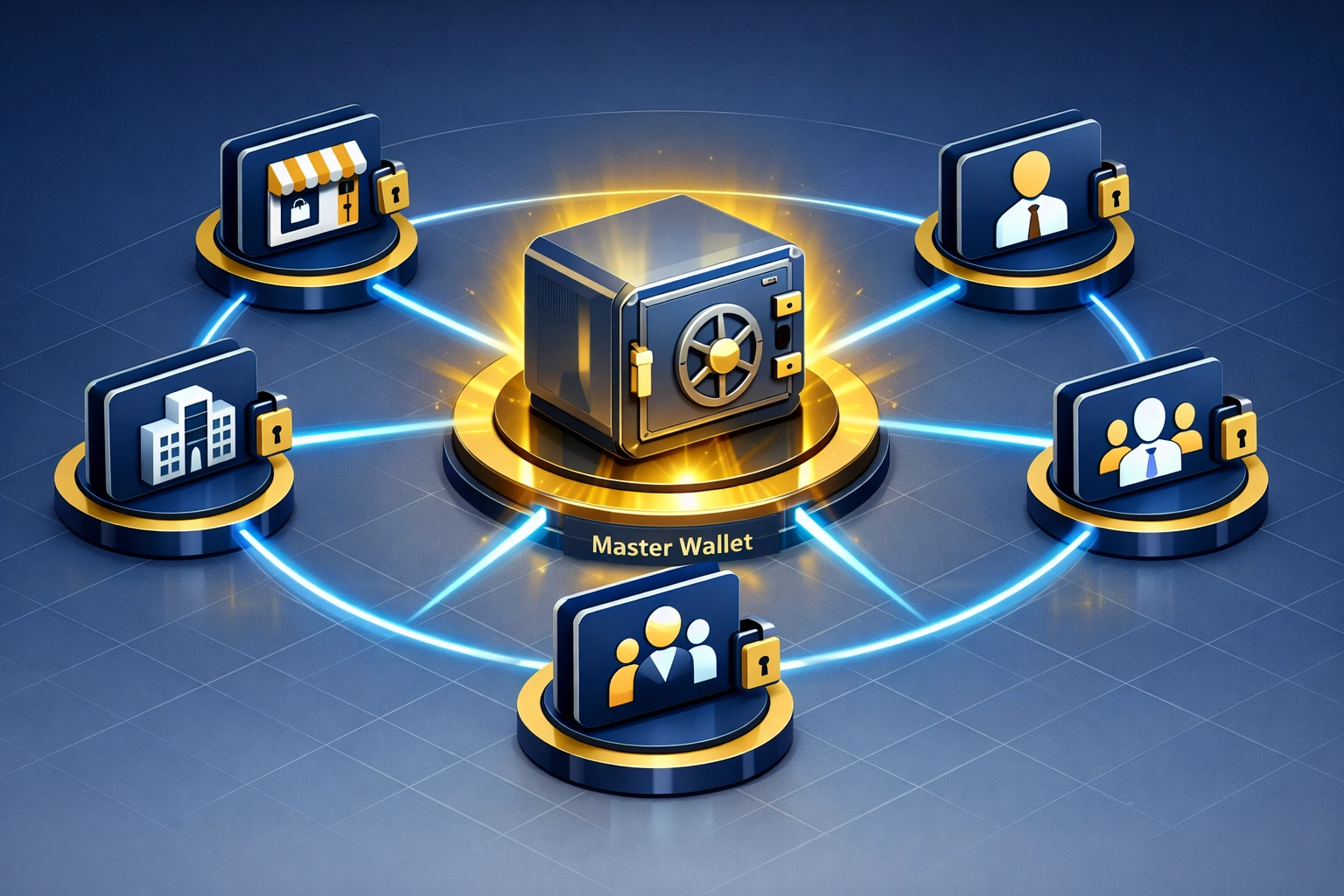
Master/sub-wallet architecture provides security without sacrificing convenience. Your main treasury wallet stays cold. Sub-wallets handle daily operations. Set spending limits. Assign permissions. Maintain control.
No third-party holds your revenue hostage. No "account under review" emails. No sudden policy changes locking your capital.
Federal MSB registration and state-level MTL compliance mean Larecoin operates legally while maintaining your custody rights. Compliance doesn't require giving up control.
Hack #6: Set Up Master/Sub-Wallet Architecture
Running multiple locations? Different departments? Separate cost centers?
Master/sub-wallet architecture handles complex business structures elegantly.
Master wallet: Treasury control, financial oversight, final settlement Sub-wallets: Individual locations, departments, employees
Assign spending limits. Track departmental performance. Consolidate or segregate as needed. All while maintaining unified reporting.
Traditional processors charge per terminal, per location, per account. Sub-wallets cost nothing additional. Spin up ten, twenty, a hundred sub-wallets. Zero marginal cost.
Hack #7: Deploy QR-Generated POS Systems
Hardware POS terminals cost $500-$2,000 each. Monthly rental fees add up. Outdated tech requires constant updates.
QR-generated POS turns any device into a payment terminal. Phone, tablet, laptop. Customer scans. Payment completes. Receipt mints automatically.
Setup cost: $0. Hardware requirements: any device with a screen. Training time: minutes.
Generate dynamic QR codes for specific amounts. Customer scans with their wallet app. Transaction completes. NFT receipt generates. Done.
No card readers. No EMV chips. No contactless terminals. Just instant, verified, blockchain-settled payments.
Beyond Today: The Metaverse Merchant Advantage
Web3 payments aren't just about saving fees today. They're about positioning for tomorrow.
Social shopping in the Larecoin B2B2C metaverse merges e-commerce with social interaction. Customers browse virtual storefronts. Try products in AR/VR environments. Purchase with crypto. Receive NFT proof of ownership.
Traditional payment rails can't follow customers into virtual worlds. Crypto payments native to digital environments. They work in-store, online, and in metaverse spaces equally.
Early adopters gain first-mover advantage. Learn the tech now. Position your business for the next commerce wave.
Check out our guide on metaverse shopping features to future-proof your operation.
The Compliance Question
"Is this legal?"
Yes. Completely.
Larecoin maintains Federal MSB registration with FinCEN. State-level MTL coverage across U.S. jurisdictions. Full regulatory compliance.
You get cutting-edge payment tech without regulatory risk. Compliance and innovation aren't mutually exclusive.
Traditional processors hide behind compliance as an excuse for high fees. Wrong. You can have both.
Competitor Reality Check
Let's be direct about alternatives:
NOWPayments: Better than traditional rails. Still charges percentage fees. Limited self-custody options. No NFT receipts. No master/sub-wallet architecture.
CoinPayments: Established player. Higher fees. Custodial model. You don't control the keys.
Triple-A: Decent interface. 0.9-1% fees still drain profits. No metaverse integration. Limited stablecoin options.
These platforms moved from Web2 to Web2.5. They kept the fee models. They kept control.
Larecoin is Web3-native. Built different. Designed for merchant sovereignty.
Take Action Now
Stop paying 3% tribute to payment intermediaries. Your business deserves better margins.
Implementation steps:
Create merchant account at Larecoin
Configure payment options (LUSD, SOL, ETH, BTC)
Integrate API or use hosted checkout
Start accepting payments
Time investment: 15 minutes. Potential annual savings: $12,000-$42,000 depending on volume.
The question isn't whether you can afford to switch. It's whether you can afford not to.
Your competitors are already cutting costs. Don't let them undercut you while you keep feeding legacy processors.
Slash those fees. Keep your profits. Control your capital.
Welcome to Web3 commerce.
Comments