

.png)
The CLARITY Act Passes: 7 Ways Commodity Classification Makes Larecoin the Safest Crypto POS System for Merchants in 2026
- [[[Free!!]<<<<]] Watch: 스포르팅 - 토트넘 Live Stream 13 September 2022
- 2 hours ago
- 4 min read
![Writer: [[[Free!!]<<<<]] Watch: 스포르팅 - 토트넘 Live Stream 13 September 2022](https://lh3.googleusercontent.com/a/AItbvmktwQc0wCdd3ZEETSYItRQubwwBzOyjD_dcigRf=s96-c)
The crypto regulatory landscape just shifted in a massive way. The CLARITY Act (H.R. 3633) passed the House with bipartisan support in July 2025 and is moving through the Senate right now. This isn't just another bureaucratic shuffle, it's the game-changer merchants have been waiting for.
Here's why this matters: The Act classifies digital assets as either commodities (CFTC territory) or securities (SEC territory). No more regulatory gray zone. No more wondering if accepting crypto payments will land you in hot water.
And for Larecoin merchants? You're looking at the safest, most compliant crypto POS system in 2026.
Let's break down exactly how commodity classification transforms the merchant payment game.

1. Clear Regulatory Framework = Zero Compliance Headaches
Remember when accepting crypto felt like navigating a minefield blindfolded? Those days are over.
The CLARITY Act establishes definitive rules. If your payment token is classified as a commodity, you're under CFTC oversight. Simple. Straightforward. No SEC enforcement actions coming out of nowhere.
Larecoin operates on LareBlocks, our Layer 1 infrastructure built for compliance from day one. We designed our ecosystem knowing this regulatory clarity was coming. Master wallets, sub-wallets, NFT receipts, all architected with commodity classification in mind.
Merchants using traditional crypto payment processors? They're scrambling to figure out which tokens are safe. You? You're already ahead.
2. Lower Liability Exposure for Your Business
Here's what keeps merchant owners up at night: liability.
With commodity classification, digital assets follow established commodity trading rules. These are well-tested, well-understood frameworks that have governed gold, oil, and agricultural products for decades.
Translation: Your business isn't exposed to the wild west of securities law. No worrying about whether accepting a payment token makes you liable for unregistered securities transactions.
Larecoin's 1.5% transaction tax automatically goes to verified charities. That's built-in social impact AND regulatory transparency. Every transaction leaves an immutable trail on LareScan, our blockchain explorer. Full visibility. Full compliance.
Compare that to traditional payment processors charging 2-3% with zero transparency about where fees go. We're not just cheaper, we're clearer.
3. Banking Relationships Actually Work Now
Banks hate uncertainty. They love commodities.
Commodity-classified crypto means traditional financial institutions can finally play ball without risking regulatory blowback. This opens up banking partnerships, merchant accounts, and fiat on-ramps that were previously impossible.
Our Push-to-Card service lets merchants instantly convert crypto payments to fiat in their bank account. No waiting. No runaround. No bank closure because they got spooked by crypto.
The LUSD stablecoin integration makes this even smoother. Accept volatile crypto, instantly settle in stable value, push to your business checking account. All within the same ecosystem. All commodity-compliant.

4. Access to Institutional Payment Volume
Big players stay away from regulatory uncertainty. They don't avoid opportunity, they avoid lawsuits.
Commodity classification removes the institutional barrier. B2B clients, enterprise customers, corporate procurement departments, they can now justify crypto payments to their legal teams.
Larecoin's B2B2C metaverse experiences aren't just futuristic marketing fluff. They're practical infrastructure for enterprise-level transactions. AI-powered shopping interfaces. NFT receipts for immutable proof of purchase. Master and sub-wallet architecture for department-level spending controls.
When Fortune 500 companies start accepting crypto (and they will), they need systems built for scale and compliance. That's not NOWPayments. That's not CoinPayments. That's Larecoin.
5. Future-Proof Your Payment Infrastructure
Regulations evolve. Technology advances. Your payment system shouldn't become obsolete.
The CLARITY Act establishes a foundation that works with emerging tech, not against it. As AI, metaverse commerce, and Web3 ecosystems mature, commodity-classified payment rails will be the standard.
Larecoin already integrates AI shopping assistants. Our metaverse infrastructure supports virtual storefront payments. NFT receipt technology creates verifiable digital proof of purchase that works across platforms.
Other processors are retrofitting old systems. We built for what's next.
And when the next regulatory update comes? We're already positioned. LareBlocks' Layer 1 architecture gives us control over our entire stack. We don't depend on third-party chains that might fall out of compliance.

6. Dramatically Lower Fees With Regulatory Certainty
Compliance costs money. Uncertainty costs more.
Traditional crypto payment processors charge premium fees because they're covering regulatory risk. When that risk disappears, so should those inflated fees.
Larecoin undercuts NOWPayments, CoinPayments, and Triple-A by approximately 50%. That's not a promotional rate, that's our standard pricing. Why? Because commodity classification eliminates the legal overhead these competitors are still paying for.
Our 1.5% transaction fee includes social impact contributions. Their 3%+ fees include... well, they don't say. See the difference?
Gas-only transfer options mean you can move value without percentage-based fees eating your margins. For high-volume merchants, this saves thousands monthly.
Check out our detailed breakdown on reducing merchant interchange fees for the full numbers.
7. Customer Trust Through Legitimate Infrastructure
Customers are smart. They research. They ask questions.
"Is this crypto payment thing legal?" is the first thing your tech-savvy customers wonder. With commodity classification under the CLARITY Act, the answer is clearly yes.
Legitimate regulatory status builds customer confidence. They're not participating in some gray-market transaction: they're using a properly classified commodity payment system.
Larecoin's immutable transaction records on LareScan give customers verifiable proof of payment. NFT receipts create collectible purchase history. The 1.5% charity contribution lets them feel good about every transaction.
This isn't just compliance theater. This is building a payment ecosystem where merchants and customers both win.
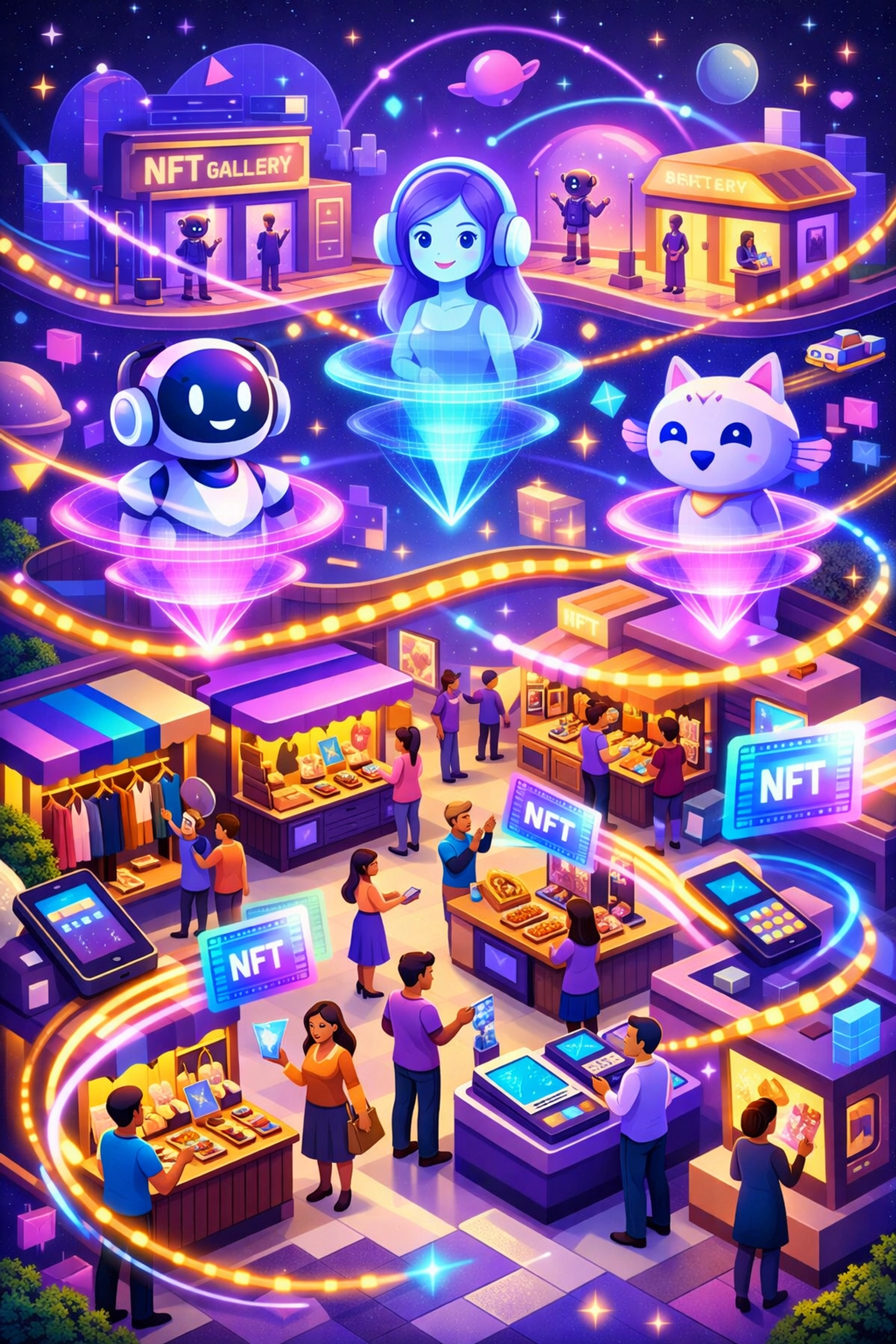
The Bottom Line: Regulatory Clarity Creates Merchant Opportunity
The CLARITY Act transforms crypto payments from "maybe someday" to "implement now."
Commodity classification removes uncertainty. It opens institutional doors. It reduces liability. It enables banking partnerships. It future-proofs your infrastructure.
And Larecoin built our entire ecosystem anticipating this moment.
While competitors scramble to retrofit compliance, we're already there. While traditional processors justify high fees with vague regulatory costs, we're transparent and 50% cheaper. While other chains wonder which jurisdiction they fall under, LareBlocks was architected for this exact regulatory framework.
The crypto payment revolution isn't coming: it's here. The regulatory framework isn't pending: it's established.
Merchants who adopt compliant, commodity-based payment systems now will dominate the next decade. Those who wait will play catch-up.
Ready to position your business at the forefront of Web3 payments? Explore Larecoin's merchant solutions and see how commodity classification translates to real competitive advantage.
The regulatory uncertainty is over. Your payment evolution starts now.
Comments