

.png)
The Merchant's Guide to Social Shopping in the B2B2C Metaverse
- [[[Free!!]<<<<]] Watch: 스포르팅 - 토트넘 Live Stream 13 September 2022
- 4 days ago
- 5 min read
![Writer: [[[Free!!]<<<<]] Watch: 스포르팅 - 토트넘 Live Stream 13 September 2022](https://lh3.googleusercontent.com/a/AItbvmktwQc0wCdd3ZEETSYItRQubwwBzOyjD_dcigRf=s96-c)
The metaverse isn't coming. It's here.
Gucci sold a virtual bag for $4,000. More than the physical version. Nike's Nikeland attracts millions. Balenciaga sells avatar skins in Fortnite. The brands getting in early? Seeing 33%+ conversion rate increases.
Social shopping in the B2B2C metaverse represents the biggest shift in retail since the smartphone. And merchants who understand how to leverage crypto-native payment infrastructure will dominate.
This guide breaks down everything you need to know. The tech. The strategy. The compliance. And why your current payment processor is holding you back.
What Is Social Shopping in the Metaverse?
Forget isolated e-commerce transactions.
Metaverse shopping transforms retail into a collaborative, immersive experience. Your customers explore virtual storefronts together. They try on digital fashion. Get real-time opinions from friends across the globe. Share purchases instantly on social feeds.
All within 3D environments that feel more like shopping with friends than clicking "add to cart."
Think about it. Physical shopping is social by nature. Online shopping killed that. The metaverse brings it back: amplified by global connectivity and Web3 technology.
The B2B2C model makes this possible. You build immersive storefronts. Customers pay via crypto. Every transaction gets verified through NFT receipts. Multi-party participation. Complete transparency. Seamless commerce.
Why Traditional Payment Processors Fail in the Metaverse
Here's the problem.
Traditional payment rails weren't built for this. They create bottlenecks. High fees. Slow settlements. Geographic restrictions. Chargebacks eating into margins.
Stripe, Square, PayPal: they're optimized for Web2. Flat websites. Single transactions. Legacy infrastructure.
The metaverse demands something different:
Instant, borderless transactions
Self-custody capabilities
NFT receipt verification
Stablecoin support for price stability
Master/sub-wallet architecture for complex operations
Crypto payment processors understand this. But not all of them deliver.
Comparing Crypto Payment Solutions
Let's talk competitors. NOWPayments. CoinPayments. Triple-A.
They're all fighting for merchant adoption. But the differences matter.
NOWPayments offers decent coverage. 300+ cryptocurrencies. Widget integration. But here's the catch: they custody your funds. You're trusting a third party with your revenue. Fees add up. No native stablecoin solution optimized for merchants.
CoinPayments has been around since 2013. They support 2,000+ coins. But again: custodial model. You don't hold your keys. Their fee structure ranges from 0.5% to 1% plus network fees. For high-volume merchants? That's substantial.
Triple-A focuses on enterprise. Licensed and compliant. But their pricing? Custom quotes. Hidden complexity. And still: custody concerns.
Larecoin takes a different approach entirely.
Self-custody from day one. Your funds. Your keys. Your control.
LUSD stablecoin integration. Price stability without volatility headaches.
Gas-only transfers. Minimal transaction costs. No percentage-based fees eating your margins.
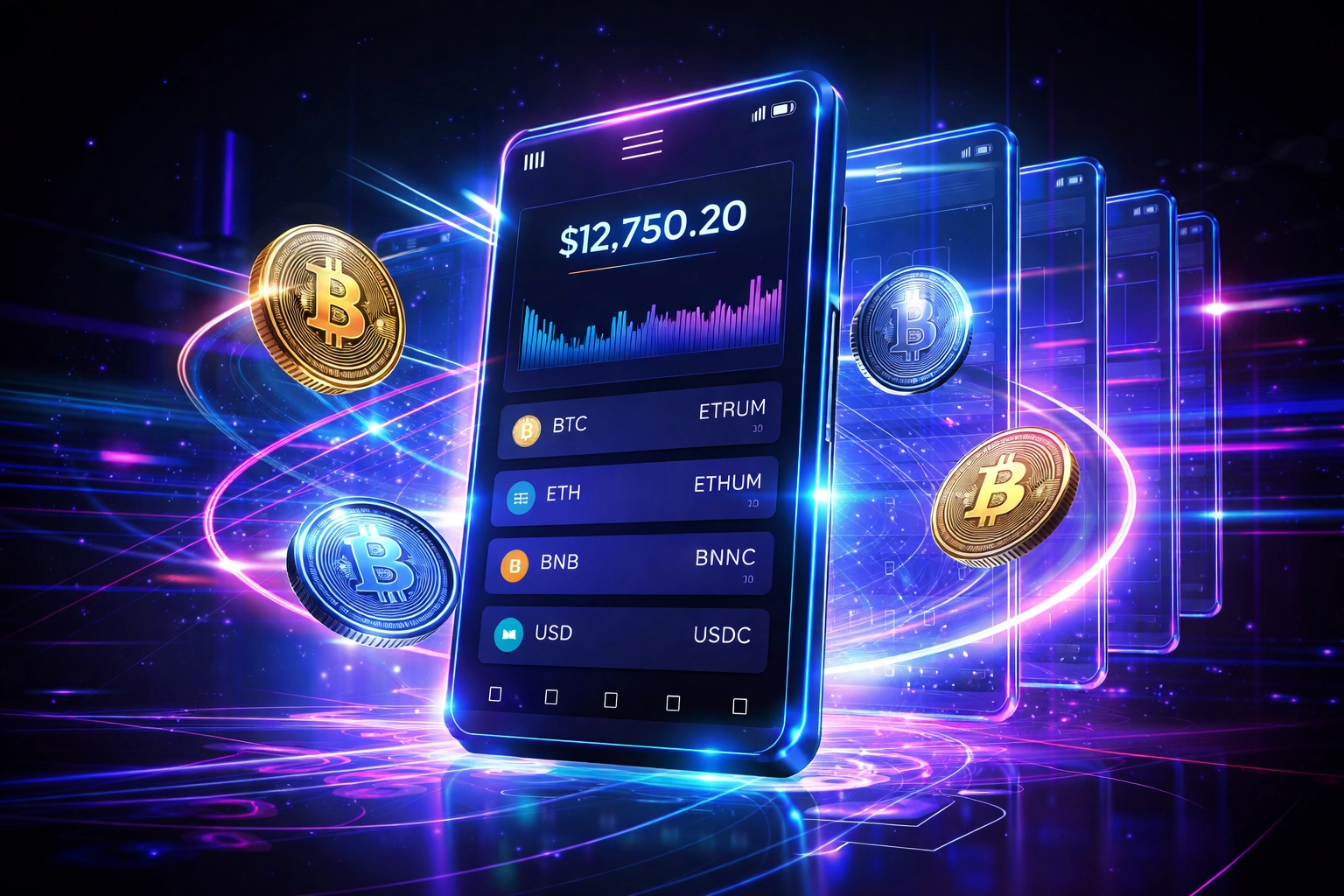
NFT receipts. Every transaction verified. Immutable proof of purchase. Perfect for metaverse commerce where digital ownership matters.
Federal MSB registration and MTL compliance. Across U.S. states. Not a regulatory gray area: a legitimate, licensed operation.
The result? Fee savings exceeding 50% compared to traditional interchange rates.
Technical Advantages That Actually Matter
Let's get specific.
NFT Receipts
Every Larecoin transaction generates an NFT receipt. This isn't gimmicky blockchain theater. It's functional infrastructure.
In the metaverse, proving ownership matters. Did that customer actually buy that virtual item? Is this a legitimate warranty claim? Can they resell on secondary markets?
NFT receipts answer these questions instantly. Immutable records. Verifiable on-chain. No disputes. No chargebacks from bad actors claiming they never made a purchase.
For B2B2C operations, this creates transparency across your entire commerce ecosystem. Brands, merchants, and end consumers: everyone sees the same verified data.
LUSD Stablecoin
Crypto volatility kills merchant adoption. Nobody wants to accept Bitcoin if it might lose 10% value before settlement.
LUSD solves this. Stable value. Predictable accounting. Your revenue stays consistent regardless of market swings.
This matters especially for metaverse operations with international customers. No currency conversion fees. No exchange rate surprises. Clean, stable transactions across borders.
Gas-Only Transfers
Most payment processors charge percentage fees. 2.9% + $0.30. 1% + network costs. It adds up fast.
Larecoin's gas-only model means you pay network transaction costs: nothing else. For high-volume merchants processing thousands of transactions? The savings compound dramatically.
Calculate it yourself. $100,000 monthly revenue. 2.5% traditional fees = $2,500 gone. Gas-only model? Fraction of that.
Self-Custody Architecture
This is non-negotiable for serious merchants.
When you use custodial payment processors, you're trusting them with your funds. They hold your keys. If they get hacked? If they freeze accounts? If they go under?
Self-custody means you control your revenue from transaction to settlement. No intermediary holding your money hostage. No counterparty risk.
Larecoin's master/sub-wallet architecture extends this further. Manage multiple virtual storefronts. Separate product lines. Regional operations. Employee permissions. All while maintaining centralized financial oversight.
Merchant Benefits: The Numbers That Matter
Interchange fee reduction exceeding 50%.
Traditional credit card processing? 2-3% plus per-transaction fees. For retail businesses operating on thin margins, that's brutal.
Crypto POS through Larecoin cuts this dramatically. Gas-only transfers mean you keep more of every sale.
QR-generated POS systems.
No expensive hardware. No terminal leases. Generate QR codes for in-person, online, or metaverse transactions. Customers scan. Pay. Done.
Perfect for pop-up shops, virtual events, and hybrid retail environments where traditional POS doesn't make sense.
Master/sub-wallet management.
Running multiple storefronts in the metaverse? Different product lines? Regional operations?
Master/sub-wallets let you compartmentalize while maintaining control. Set permissions. Track revenue streams. Manage payouts to teams and partners. All from one dashboard.
Designing Your Metaverse Storefront for Social Commerce
Technical infrastructure handles payments. But success requires designing for social engagement.
Think community first. Every interaction should encourage sharing, collaboration, and discovery. Friends shopping together. Real-time recommendations. Social proof baked into the experience.
Gamification drives engagement. Rewards for exploration. Achievements for purchases. Limited-edition drops that create urgency.
VR/AR integration expands reach. VR headsets let customers walk through your store from their living room. AR overlays bring products into their physical space. Virtual try-ons work for both digital and physical merchandise.
The merchants winning in the metaverse aren't just selling products. They're building destinations.

Compliance and Trust: Why MTL Matters
Here's what separates legitimate operations from regulatory landmines.
Larecoin maintains Federal MSB registration and state-level Money Transmitter License coverage across the United States.
This isn't optional paperwork. It's the foundation of trustworthy crypto commerce.
MTL compliance means:
Licensed to transmit money legally in covered states
Regulatory oversight and accountability
Consumer protections in place
Banking relationships maintained properly
Long-term operational stability
When choosing a crypto payment processor, ask about their licensing. NOWPayments operates from different jurisdictions. CoinPayments is Canada-based. Triple-A focuses on specific markets.
For U.S. merchants: and those serving U.S. customers: domestic compliance matters.
Getting Started: Your Action Plan
Step 1: Assess your digital readiness.
Do you have 3D product models? Virtual storefront concepts? Understanding of where your customers spend time in the metaverse?
Step 2: Integrate Web3 payments.
Move beyond traditional processors. Set up crypto POS supporting self-custody, NFT receipts, and LUSD transactions.
Step 3: Design for social.
Build every interaction around community. Shared experiences. Social connectivity. Not isolated transactions.
Step 4: Start now.
Early-mover advantage won't last forever. Competitors are already claiming territory. Waiting for "perfect timing" means watching market share disappear.
The Future Is Social, Immersive, and Decentralized
Social shopping in the B2B2C metaverse isn't science fiction. It's happening now.
The merchants who win will combine immersive experiences with crypto-native payment infrastructure. Fee savings exceeding 50%. NFT receipts for verifiable transactions. LUSD stability. Self-custody security. MTL compliance for legitimate operations.
The tools exist. The market is growing. The question is whether you'll lead or follow.
Explore Larecoin's ecosystem and start building your metaverse commerce strategy today.
Comments