

.png)
The Merchant's Guide to Social Shopping in the B2B2C Metaverse
- [[[Free!!]<<<<]] Watch: 스포르팅 - 토트넘 Live Stream 13 September 2022
- 2 hours ago
- 4 min read
![Writer: [[[Free!!]<<<<]] Watch: 스포르팅 - 토트넘 Live Stream 13 September 2022](https://lh3.googleusercontent.com/a/AItbvmktwQc0wCdd3ZEETSYItRQubwwBzOyjD_dcigRf=s96-c)
Shopping is evolving. Again.
First came brick-and-mortar. Then e-commerce. Now? Immersive 3D storefronts where avatars browse, try on products, and checkout: all inside virtual worlds.
Welcome to metaverse shopping. And for merchants, this isn't just hype. It's a revenue opportunity hiding in plain sight.
The B2B2C metaverse model connects brands, retailers, and consumers in one seamless ecosystem. Social shopping layers community engagement on top. Think live events. Virtual try-ons. Real-time peer recommendations.
But here's the catch. Traditional payment rails don't work here. Credit card networks weren't built for virtual worlds. Interchange fees crush margins. Settlement takes days.
That's where crypto POS systems come in. And that's where Larecoin changes everything.
Why Metaverse Shopping Demands a New Payment Stack
Virtual storefronts require speed. Customers expect instant transactions. They want receipts they can verify. They need payment options that work across borders.
Legacy systems fail on all counts.
Settlement delays: 2-3 business days minimum
Interchange fees: 2.5-3.5% per transaction
Chargebacks: Costly disputes eat into profits
No transparency: Customers can't verify transaction authenticity
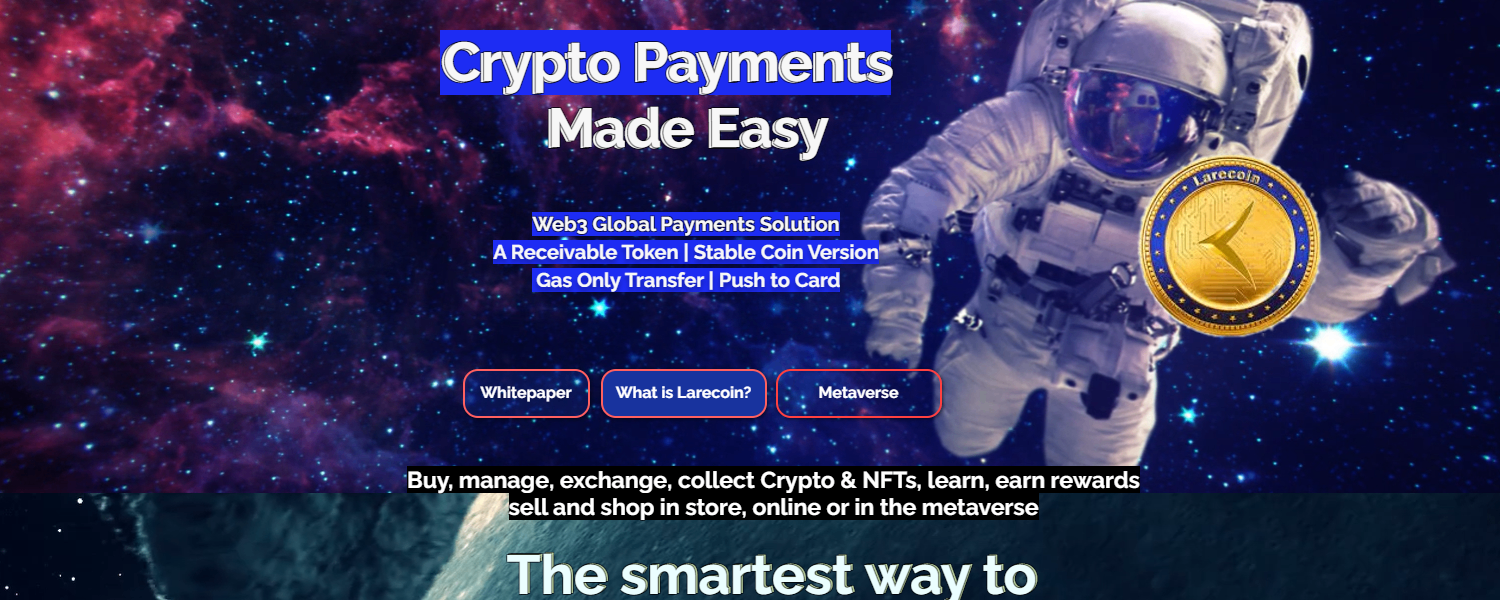
Crypto solves these problems. But not all crypto payment processors are equal.
NOWPayments charges up to 1% per transaction. CoinPayments takes 0.5% plus conversion spreads. Triple-A adds its own markup. These fees add up fast: especially at scale.
Larecoin takes a different approach. Gas-only transfers. No hidden fees. Full self-custody. Merchants keep what they earn.
The Larecoin B2B2C Metaverse Model Explained
B2B2C stands for Business-to-Business-to-Consumer. It's a layered commerce model where brands sell through partner retailers who serve end customers.
In the metaverse, this gets interesting.
Imagine a virtual mall. Multiple brands rent storefronts. Each storefront connects to the same payment infrastructure. Customers browse with avatars. They attend live events. They interact with other shoppers in real-time.
Social shopping amplifies the experience.
Live product demos hosted by brand ambassadors
Group buying discounts for communities
Peer recommendations visible in-world
Exclusive NFT drops for loyal customers
This isn't theoretical. Gen Z and millennials are already spending hours in virtual environments. Justin Bieber's metaverse concert drew 10.7 million attendees. Disney is building virtual theme parks.
Merchants who adapt now capture first-mover advantage.
Technical Advantages: What Sets Larecoin Apart
Let's get specific. Here's what Larecoin offers that competitors don't.
NFT Receipts
Every transaction generates a verifiable NFT receipt. Stored on-chain. Immutable. Auditable.
Why does this matter?
Proof of purchase for warranty claims
Fraud prevention through transparent records
Customer engagement via collectible receipts
Accounting simplicity with blockchain-verified records
NOWPayments doesn't offer this. Neither does CoinPayments. It's a Larecoin-exclusive feature.
LUSD Stablecoin
Volatility kills commerce. Merchants can't price products if values swing 10% overnight.
LUSD solves this. Pegged to the dollar. Stable value. Predictable margins.
Accept crypto. Settle in stability. Simple.
Gas-Only Transfers
Most processors take a percentage. Larecoin charges only network gas fees.
Do the math. On a $10,000 transaction:
Processor | Fee Structure | Cost |
CoinPayments | 0.5% | $50 |
NOWPayments | 1% | $100 |
Triple-A | Variable | $75+ |
Larecoin | Gas only | ~$0.50 |
That's over 50% fee savings. At scale, this translates to thousands recovered annually.
Self-Custody
Your keys. Your crypto. Your control.
Many processors hold funds on your behalf. That's a liability. Counterparty risk. Potential freezes. Withdrawal delays.
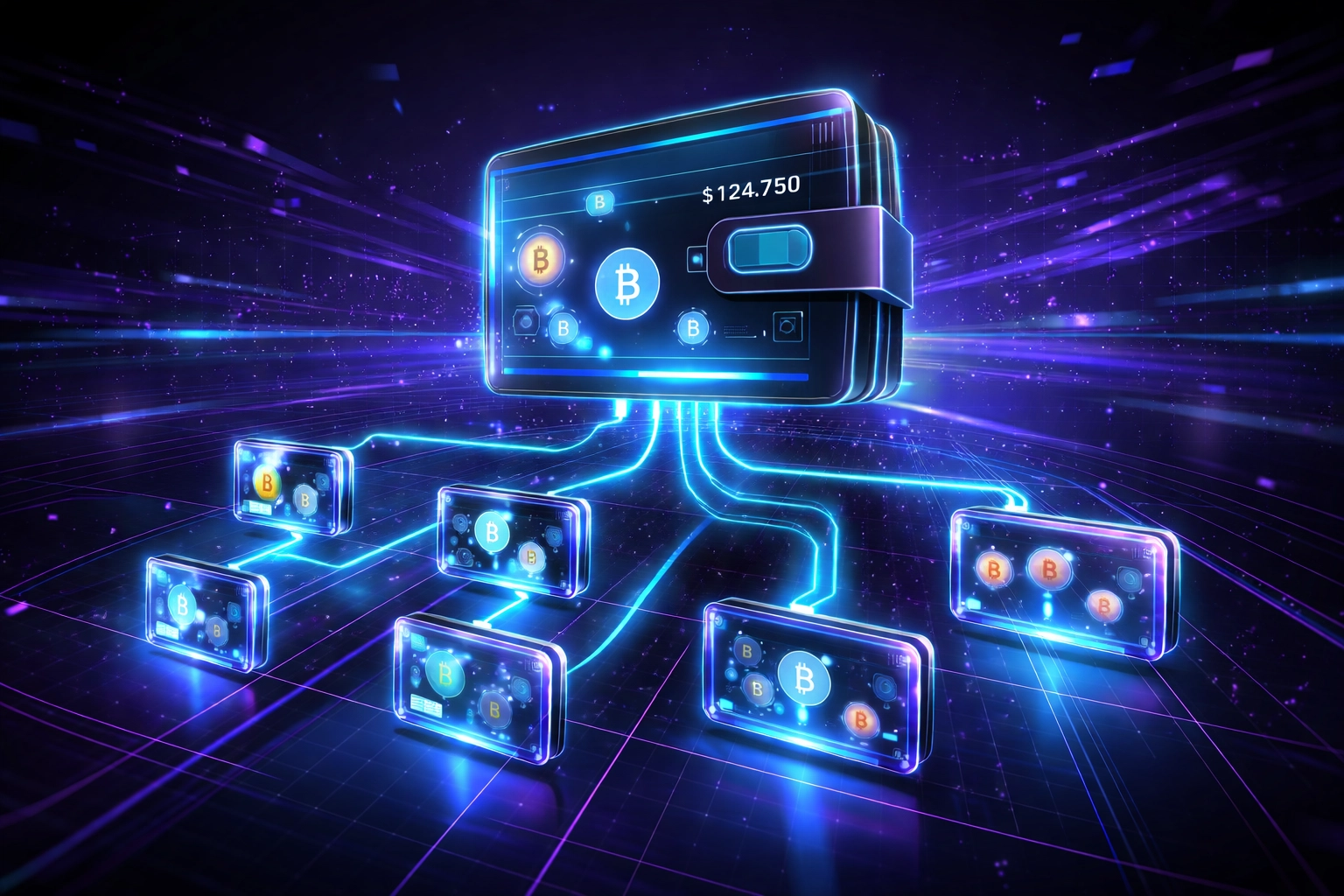
Larecoin enables full self-custody. Funds go directly to your wallet. No intermediary. No permission needed.
Merchant Benefits: The Bottom Line Impact
Technical features are nice. Business outcomes matter more.
Reduce Interchange Fees by 50%+
Traditional card networks charge 2.5-3.5% per swipe. That's before gateway fees. Before processor markups.
Crypto payments through Larecoin cost a fraction. We're talking sub-1% total. Often much less.
For a merchant processing $1 million annually, that's $20,000+ back in your pocket.
Master/Sub-Wallet Architecture
Running multiple storefronts? Managing franchisees? Operating in the metaverse with various brand presences?
Larecoin's master/sub-wallet structure handles it.
Central oversight via master wallet
Individual accountability through sub-wallets
Real-time reporting across all locations
Simplified reconciliation for accounting
One dashboard. Complete visibility. Total control.
QR-Generated POS
No expensive hardware required. Generate a QR code. Customer scans. Payment complete.
Works in physical stores. Works in virtual storefronts. Works anywhere with a screen.
Setup takes minutes. Integration is seamless. Learn how to reduce merchant interchange fees by 50%.
Compliance and Trust: Built for U.S. Merchants
Crypto has a trust problem. Too many sketchy operators. Too many regulatory gray areas.
Larecoin operates differently.
Federal MSB Registration: Registered Money Services Business with FinCEN. Fully compliant with federal AML/KYC requirements.
State-Level MTL Coverage: Money Transmitter Licenses across U.S. states. Operating legally where your customers are.
MTL compliance isn't optional. It's essential. Merchants need partners who take regulation seriously.
This matters for metaverse commerce especially. Virtual transactions cross jurisdictions instantly. Compliance frameworks must keep pace.

How to Launch Your Metaverse Storefront with Larecoin
Ready to start? Here's the playbook.
Step 1: Set Up Your Merchant Account
Visit larecoin.com and complete merchant onboarding. KYC verification takes 24-48 hours.
Step 2: Configure Your Wallet Structure
Decide on master/sub-wallet architecture. Map it to your business units. Virtual storefronts, physical locations, brand partnerships: whatever structure fits.
Step 3: Integrate Payment Options
Generate QR codes for each checkout point. Embed payment widgets in your metaverse storefront. Enable LUSD alongside other supported tokens.
Step 4: Launch and Iterate
Go live. Monitor transactions via dashboard. Track customer engagement. Optimize based on data.
The Future of Social Shopping is Now
Metaverse commerce isn't coming. It's here.
Brands building virtual presences today capture tomorrow's customers. Social shopping creates stickiness traditional e-commerce can't match. VR/AR capabilities make product discovery immersive and engaging.
But payment infrastructure determines success.
Clunky checkout experiences kill conversions. High fees destroy margins. Lack of transparency erodes trust.
Larecoin delivers what metaverse merchants need. NFT receipts for verification. LUSD for stability. Gas-only transfers for savings. Self-custody for security. MTL compliance for peace of mind.
The B2B2C model amplifies these benefits across your entire partner network. One payment stack. Multiple revenue streams. Scalable from day one.
Compare that to NOWPayments' fee structure. To CoinPayments' custodial model. To Triple-A's limited feature set.
The choice becomes obvious.
Ready to build your metaverse commerce strategy? Explore why metaverse shopping will change global payments.
Social shopping is the future. The B2B2C metaverse is the arena. Larecoin is your payment partner.
Let's build.
Comments