

.png)
The Ultimate Guide to Receivables Tokens: Why Merchants Are Ditching Legacy Payment Processors in 2026
- [[[Free!!]<<<<]] Watch: 스포르팅 - 토트넘 Live Stream 13 September 2022
- 2 hours ago
- 4 min read
![Writer: [[[Free!!]<<<<]] Watch: 스포르팅 - 토트넘 Live Stream 13 September 2022](https://lh3.googleusercontent.com/a/AItbvmktwQc0wCdd3ZEETSYItRQubwwBzOyjD_dcigRf=s96-c)
Receivables Tokens Are Eating Legacy Payment Rails
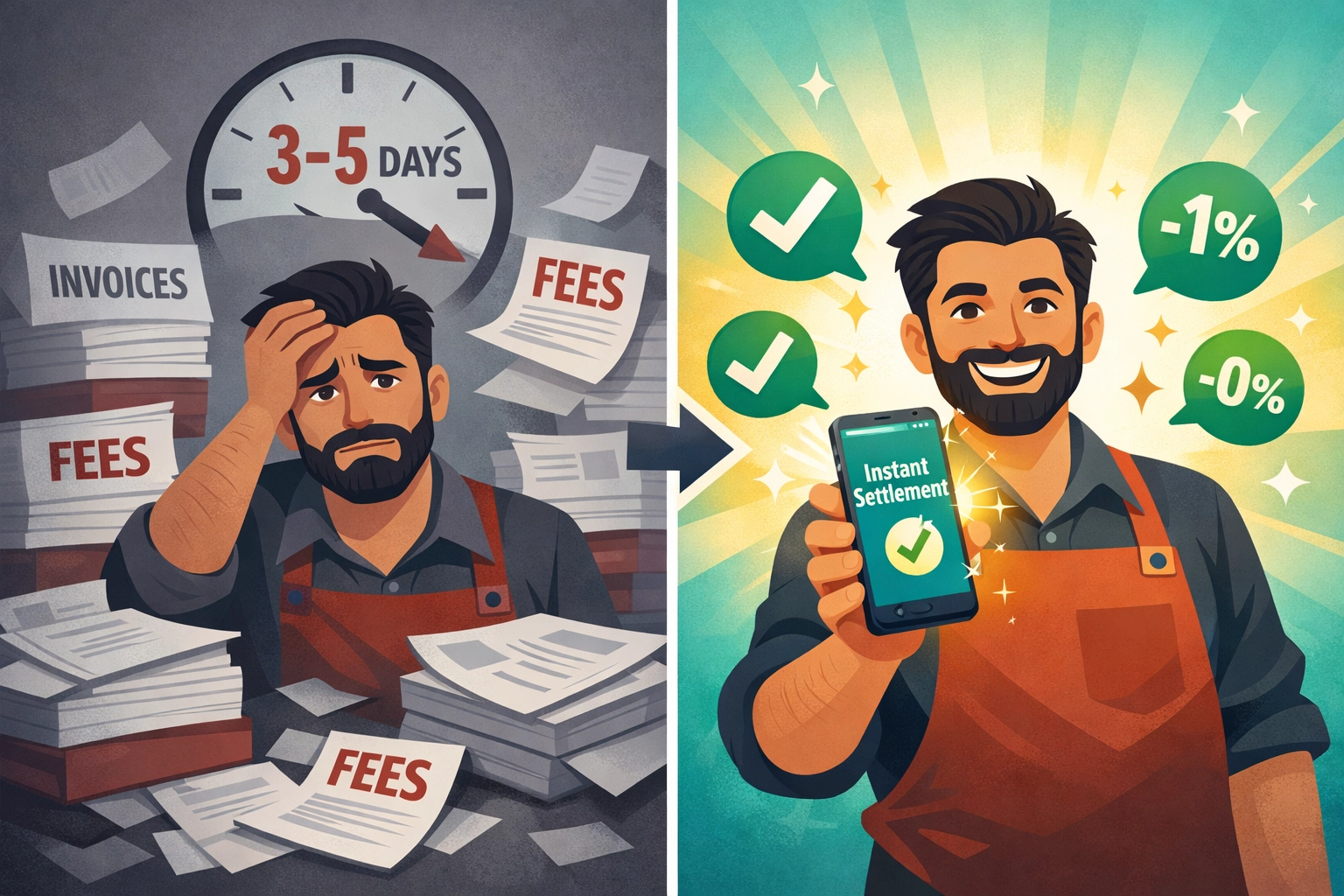
February 2026. Merchants are done with 3% interchange fees.
Done with chargebacks. Done with waiting 3-5 days for settlements.
Enter receivables tokens.
Digital representations of future cash flows. Tradable. Instant. Self-custodied.
This isn't theory. It's happening right now.
What Are Receivables Tokens?
Simple concept. Revolutionary execution.
A receivables token is a digital asset representing payment obligations. Tokenized on-chain. Traded peer-to-peer. Settled instantly.
Think of it like this:
Traditional payment: Customer pays → Processor takes cut → 3-day settlement → Funds arrive (minus fees)
Receivables token: Customer pays → Token minted → Instant settlement → Zero middleman fees
The difference? 50%+ cost reduction. Full financial sovereignty.
The 2026 Merchant Revolution Is Here
Legacy processors had their run.
Now merchants are voting with their wallets.
Why the exodus?
Interchange fees averaging 2.9% + $0.30 per transaction
Hidden processing costs burying profit margins
Zero control over your own funds
Settlement delays killing cash flow
Chargeback fraud costing billions
Larecoin receivables tokens flip the script entirely.
Merchants on Larecoin's LareBlocks Layer-1 see:
0.5% - 1% total processing costs
Instant settlement (not 3-5 days)
Self-custody of all funds
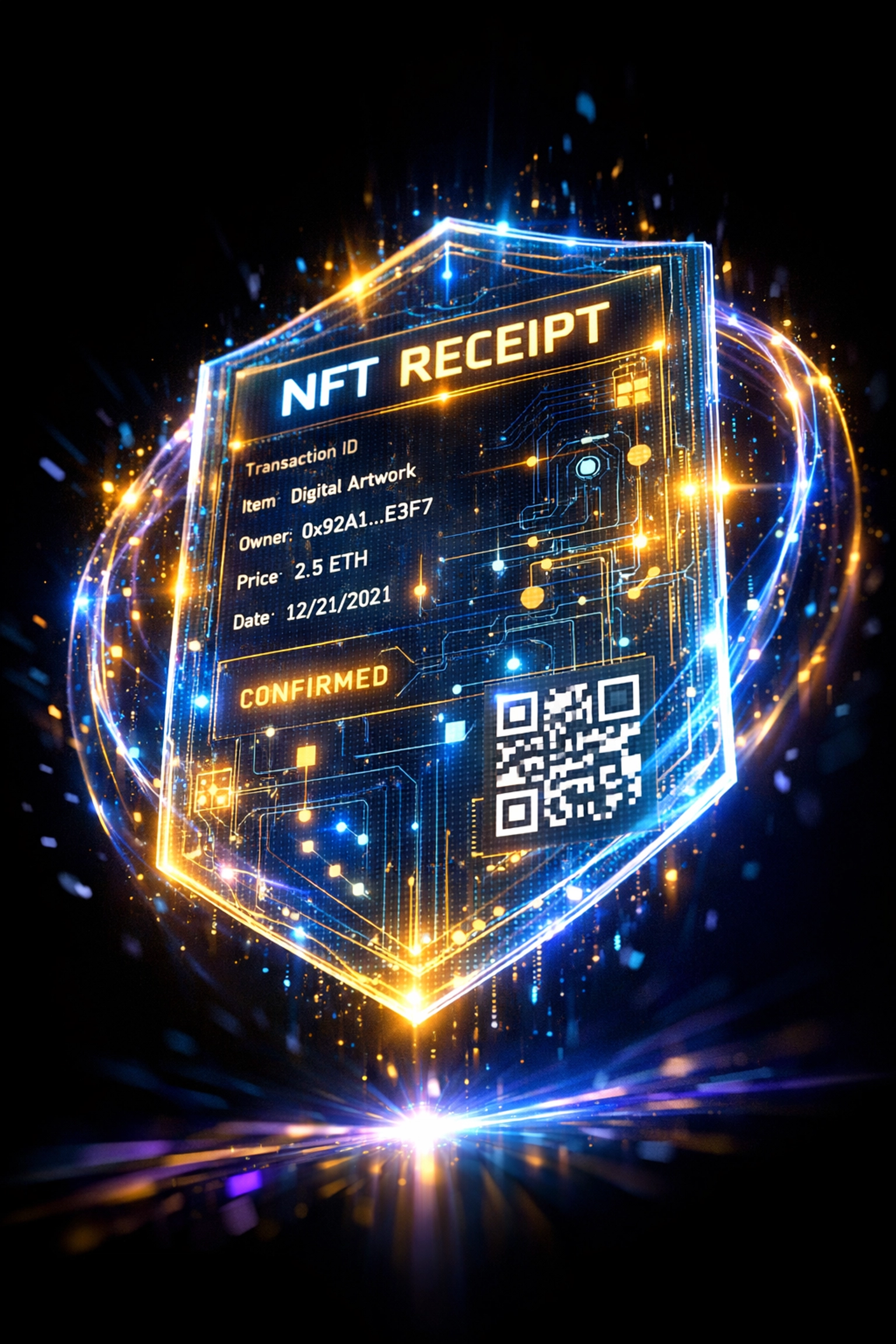
NFT receipt technology preventing fraud
LUSD stablecoin eliminating volatility risk

How Larecoin Destroys the Competition
Let's talk specifics. Numbers don't lie.
NOWPayments pricing:
0.5% fee (sounds good, right?)
But here's what they don't tell you: blockchain gas fees on top
Custodial control of your crypto
Limited stablecoin options
Zero receivables token infrastructure
CoinPayments model:
0.5% processing fee
But add withdrawal fees, conversion fees, currency fees
Real cost? 1.5% - 2.5% after everything
Still custodial
Still waiting on settlements
Larecoin approach:
Gas-only transfers on LareBlocks
True 0.5% - 1% all-in cost
Self-custody from transaction one
LUSD stablecoin built-in
Receivables tokens tradable instantly
See the difference?
NOWPayments and CoinPayments still operate on Web2 thinking. Take your crypto. Hold your funds. Charge hidden fees.
Larecoin is pure Web3. You control everything.
Self-Custody Isn't Optional Anymore
"Not your keys, not your crypto."
That saying? It applies double to merchant payments in 2026.
Custodial processors like NOWPayments hold your funds. They can freeze accounts. Block transactions. Impose limits.
Self-custody with Larecoin means:
Full control of private keys
No account freezes
No arbitrary limits
Instant access to your capital
Complete financial sovereignty
This matters more than merchants realize.
Cash flow is oxygen for business. Custodial processors can suffocate you with delayed settlements and frozen accounts.
Self-custody keeps you breathing.

NFT Receipts: The Fraud Killer
Here's where it gets interesting.
Every Larecoin transaction generates an NFT receipt. Immutable. Verifiable. Unforgeable.
What this means for merchants:
Zero chargeback fraud. The blockchain doesn't lie. Proof of purchase lives forever on-chain.
Customer disputes? Show the NFT receipt. Transaction verified in seconds.
Compare this to legacy systems where chargeback fraud costs merchants $125 billion annually.
NFT receipts eliminate that entire problem.
Plus they unlock new revenue streams:
Tokenized loyalty programs
Collectible receipts for brand superfans
Resellable event tickets
Proof-of-purchase for warranties
Traditional processors can't touch this functionality. They're stuck in 1999.
LUSD Stablecoin: The Volatility Solution
Crypto payments have one perceived weakness: price volatility.
Customer pays $100 in crypto. By settlement, it's worth $95.
Merchants hate that risk.
LUSD (Larecoin USD) solves it completely.
Pegged 1:1 to USD. Fully collateralized. Built on LareBlocks for instant settlements.
The merchant experience:
Customer pays in any crypto
Auto-converts to LUSD at point of sale
Merchant receives stable value immediately
Zero volatility risk
NOWPayments and CoinPayments offer stablecoins. But they don't integrate seamlessly. Conversion fees eat profits. Settlement still takes time.
LUSD is native to the Larecoin ecosystem. Gas-only transfers. Instant finality.
It's the difference between retrofitting old infrastructure and building purpose-designed solutions.
The Math That Makes Merchants Switch
Let's run real numbers.
Traditional Processor (Visa/Mastercard):
$100,000 monthly processing volume
2.9% + $0.30 per transaction
Average transaction: $50
Total fees: $2,900 + $600 = $3,500/month
Annual cost: $42,000
NOWPayments/CoinPayments:
Same volume
0.5% stated fee + gas fees + withdrawal fees
Real cost after everything: 1.5%
Total fees: $1,500/month
Annual cost: $18,000
Larecoin with Receivables Tokens:
Same volume
0.5% - 1% all-in (let's say 0.75% average)
Gas-only transfers
Total fees: $750/month
Annual cost: $9,000
Savings vs traditional: $33,000/year Savings vs NOWPayments/CoinPayments: $9,000/year
That's not accounting for faster cash flow, self-custody benefits, or NFT receipt utility.
The ROI is absurd.
Why 2026 Is the Tipping Point
Timing matters.
Several factors converged to make 2026 the year of receivables tokens:
Regulatory clarity: Post-Clarity Act, crypto payment frameworks are established Infrastructure maturity: Layer-1 blockchains like LareBlocks hit enterprise-grade performance Merchant education: Business owners finally understand Web3 benefits Economic pressure: Inflation and thin margins make every basis point count
Merchants can't afford to ignore 50%+ fee reductions anymore.
The early adopters are already seeing results. Mid-market and enterprise are next.
Legacy processors see the writing on the wall. That's why they're scrambling to add crypto features.
Too little. Too late.
Getting Started with Larecoin Receivables Tokens
The technical setup takes 10 minutes.
Create Larecoin merchant account
Set up self-custody wallet
Integrate payment gateway
Configure LUSD auto-conversion
Start accepting payments
No complex onboarding. No credit checks. No multi-week approval processes.
Pure Web3 simplicity.
Support for:
In-store POS systems
E-commerce platforms
Mobile payments
Subscription billing
Cross-border transactions
Everything the legacy processors offer. Half the cost. Zero custody risk.
The Future Belongs to Self-Sovereign Merchants
Receivables tokens aren't a trend.
They're the natural evolution of merchant payments.
Just like email replaced fax machines. Like streaming replaced cable TV.
Legacy payment processors are the fax machines of 2026.
Larecoin is the email.
The merchants ditching Visa, Mastercard, NOWPayments, and CoinPayments aren't taking risks. They're being smart.
Lower costs. Faster settlements. Complete control.
That's not revolutionary. It's obvious.
The only question: How long will you wait to make the switch?
Your competitors are already moving.
Comments