

.png)
The Ultimate Guide to US-Compliant Crypto POS Systems: Everything Merchants Need to Know About MSB Registration and Self-Custody
- [[[Free!!]<<<<]] Watch: 스포르팅 - 토트넘 Live Stream 13 September 2022
- 2 hours ago
- 4 min read
![Writer: [[[Free!!]<<<<]] Watch: 스포르팅 - 토트넘 Live Stream 13 September 2022](https://lh3.googleusercontent.com/a/AItbvmktwQc0wCdd3ZEETSYItRQubwwBzOyjD_dcigRf=s96-c)
Crypto payments are exploding. But here's the catch: most merchants have zero clue about compliance.
Running a crypto POS system in the US isn't like accepting card payments. There are rules. Registrations. State licenses. And if you get it wrong? Heavy fines. Potential shutdowns.
This guide breaks down everything you need to know. MSB registration. State Money Transmitter Licenses. Self-custody. And why choosing the right payment processor makes all the difference.
Let's dive in.
What Is MSB Registration and Why Does It Matter?
MSB stands for Money Services Business. It's a federal designation from FinCEN (Financial Crimes Enforcement Network).
If you're transmitting money: including crypto: you're likely an MSB.
What qualifies as an MSB?
Money transmitters
Currency exchangers
Check cashers
Crypto payment processors
Registration isn't optional. It's required within 180 days of starting operations.
What happens if you don't register?
Criminal penalties
Civil fines up to $500,000
Potential imprisonment
Not worth the risk.
State Money Transmitter Licenses: The Real Challenge
Here's where it gets complicated.
Federal MSB registration is just step one. Each state has its own Money Transmitter License (MTL) requirements.
The breakdown:
49 states require some form of licensing (Montana is the exception)
Each state has different capital requirements
Some require surety bonds ranging from $25,000 to $7,000,000
Processing times vary from 3 months to over a year
This is why most crypto processors avoid US operations entirely. Or worse: they operate without proper licensing.
Multi-jurisdiction licensing is non-negotiable for legitimate operations. Enterprises need to evaluate US Money Transmission Licenses across multiple states, maintain strong AML/KYC processes, and implement robust transaction monitoring.
Self-Custody: The Game-Changer for Merchants
Traditional payment processors hold your funds. They control when you get paid. They can freeze accounts.
Self-custody flips this model.
What is self-custody? Your crypto goes directly to your wallet. No intermediary. No waiting periods. No third-party control.
Benefits of self-custody:
Instant access to funds
No account freezes
Lower counterparty risk
True ownership of assets
Better fee savings long-term
Here's the problem: most crypto payment processors don't offer true self-custody. They act as custodians: holding funds on your behalf.
That's a compliance nightmare waiting to happen.
Comparing Crypto Payment Processors: NOWPayments vs CoinPayments vs Larecoin
Not all crypto POS systems are created equal. Let's break down the major players.
NOWPayments
Pros:
Supports 150+ cryptocurrencies
No KYC for smaller merchants
Easy integration
Cons:
Limited US compliance clarity
Custody model means they hold your funds
Conversion fees can stack up
No NFT receipt functionality
CoinPayments
Pros:
Long-standing reputation
Multi-coin support
Vault storage options
Cons:
Higher transaction fees (0.5% base)
Complex fee structure
Custodial by default
Limited innovation in Web3 features
Larecoin
The difference? Built from the ground up for US compliance and true Web3 integration.
Here's what sets Larecoin apart:
Rigorous MSB registration : Fully registered with FinCEN
State MTL strategy : Actively pursuing licenses across key states
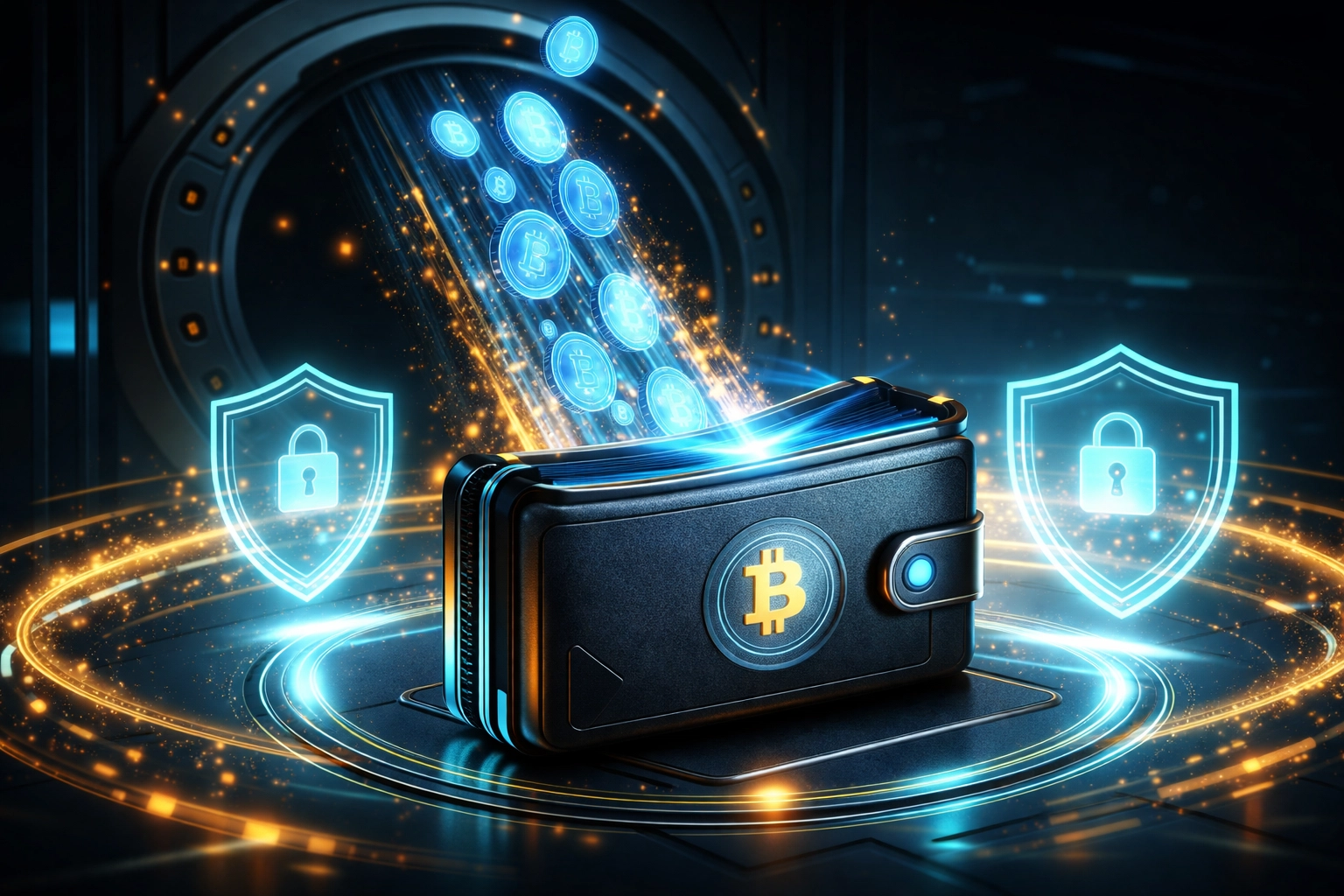
Self-custody model : Funds go directly to merchant wallets
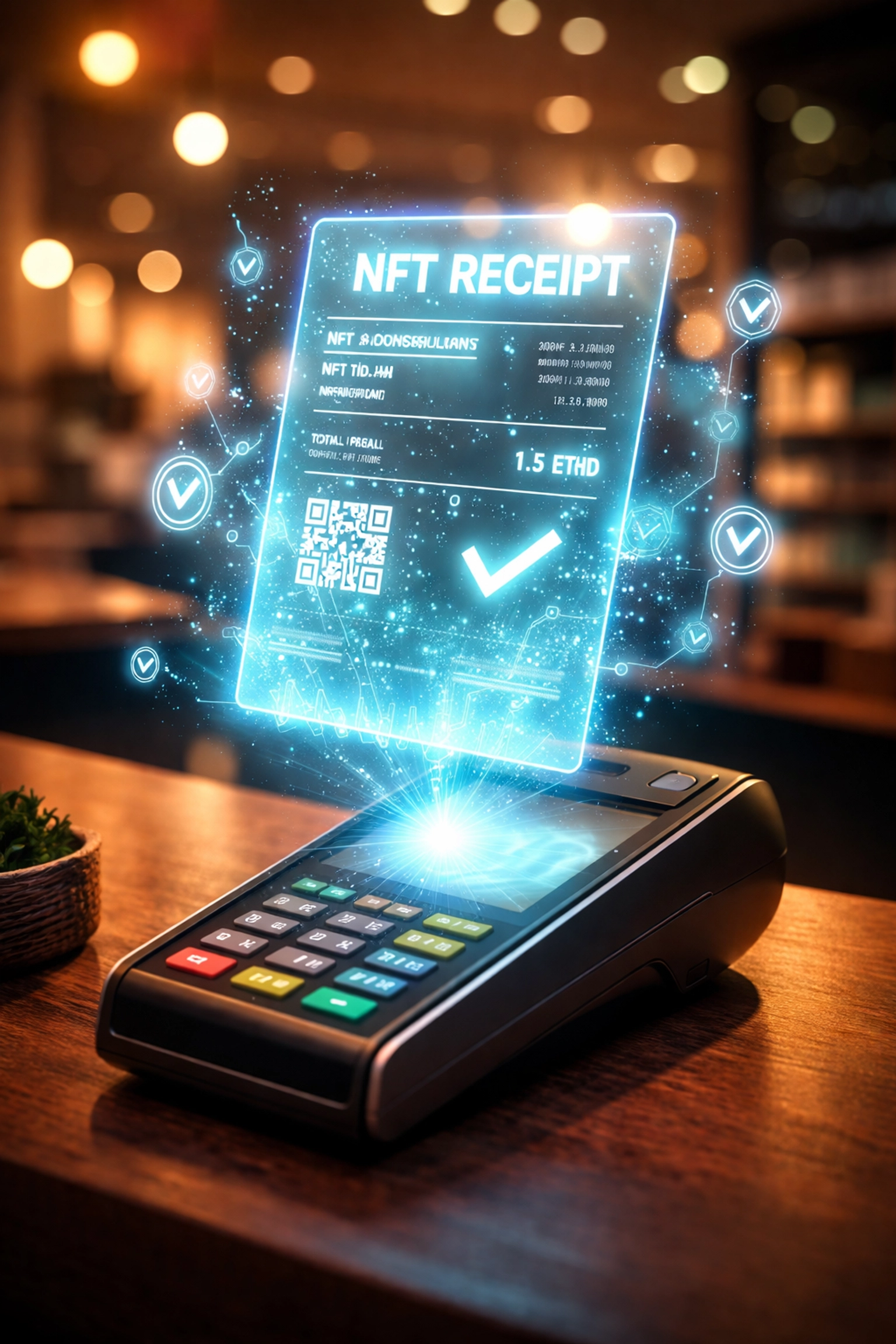
NFT receipts : Every transaction generates a verifiable NFT receipt
LUSD stablecoin : Avoid volatility with Larecoin's native stable coin
Massive fee savings : Gas-only transfers reduce costs dramatically
Why Compliance Actually Saves You Money
Sounds counterintuitive, right? Compliance is expensive.
But here's the reality for merchants:
Non-compliant processors create hidden costs:
Higher chargeback risk
Account freezes during audits
Legal fees if regulators come knocking
Reputation damage
Compliant processors like Larecoin deliver:
Predictable operations
Banking relationships that actually work
Access to institutional clients
Long-term business sustainability
The smart move? Partner with a processor that's already done the compliance work.
NFT Receipts: The Future of Transaction Records
This is where Larecoin gets innovative.
Every transaction on Larecoin generates an NFT receipt. Immutable. Verifiable. Stored on-chain forever.
Why does this matter?
Audit-proof records : No more lost receipts or disputed transactions
Tax compliance : Clean records for accountants
Customer experience : Buyers get digital proof of purchase
Resale value : Receipts can unlock warranty claims, loyalty rewards, or collectible status
Traditional payment processors give you a database entry. Larecoin gives you permanent, trustless verification.
LUSD: Stability Meets Speed
Crypto volatility kills merchant adoption. Nobody wants to accept Bitcoin if it drops 10% before you can convert it.
Enter LUSD: Larecoin's stablecoin solution.
Pegged to the US dollar. Lightning-fast transactions. Minimal gas fees.
LUSD benefits for merchants:
Price stability at checkout
Instant settlement
No conversion anxiety
Seamless integration with Larecoin POS
Accept crypto without the volatility stress. That's the LUSD promise.
Setting Up Your Compliant Crypto POS: Step by Step
Ready to accept crypto the right way? Here's your roadmap.
Step 1: Choose a compliant processor Not all processors are equal. Verify MSB registration. Check state license status. Larecoin publishes compliance documentation openly.
Step 2: Complete KYB verification Know Your Business (KYB) is standard for US merchants. Provide business documents, verify ownership, confirm banking relationships.
Step 3: Configure self-custody wallet Set up your merchant wallet. Connect it to your POS system. Ensure you: and only you: control the private keys.
Step 4: Integrate with existing systems Larecoin offers API integrations for major e-commerce platforms. Online. In-store. Even metaverse-ready.
Step 5: Train your team Crypto payments require basic understanding. Transaction confirmations. Wallet addresses. Refund procedures.
Step 6: Go live Start accepting payments. Monitor transactions through your dashboard. Enjoy the fee savings.
Visit Larecoin to get started.
The Bottom Line
US compliance in crypto payments isn't optional anymore. It's the difference between building a sustainable business and gambling with regulators.
The key takeaways:
MSB registration is mandatory for crypto payment processors
State MTLs create a patchwork of requirements: work with processors who handle this
Self-custody protects merchants from counterparty risk
NFT receipts and LUSD represent the next generation of payment innovation
Fee savings compound when you choose the right infrastructure
NOWPayments and CoinPayments have their place. But for merchants serious about US compliance, self-custody, and Web3 innovation?
Larecoin is built different.
Ready to upgrade your payment stack?
Explore the ecosystem at larecoin.com. Check out more insights on the Larecoin blog.
The future of payments is compliant, self-custodied, and powered by Web3.
Time to get on board.
Comments