

.png)
Triple-A vs Larecoin: Which Crypto POS System Actually Delivers Financial Freedom for Small Business?
- [[[Free!!]<<<<]] Watch: 스포르팅 - 토트넘 Live Stream 13 September 2022
- 2 hours ago
- 5 min read
![Writer: [[[Free!!]<<<<]] Watch: 스포르팅 - 토트넘 Live Stream 13 September 2022](https://lh3.googleusercontent.com/a/AItbvmktwQc0wCdd3ZEETSYItRQubwwBzOyjD_dcigRf=s96-c)
Financial freedom. Two words every small business owner chases.
But here's the thing. Traditional payment processors don't want you free. They want you dependent. Locked into their systems. Paying 2.9% + $0.30 per transaction. Forever.
Crypto POS systems changed the game. Now you've got options. Real options.
Two major players in this space? Triple-A and Larecoin.
Let's break down which one actually delivers on the promise of financial sovereignty for your business.
What Triple-A Brings to the Table
Triple-A isn't messing around with compliance. They're licensed by MAS (Monetary Authority of Singapore), ACPR (France), and registered with FinCEN in the US. Heavy credentials.
Core Features:
Locked-in exchange rates at checkout
T+1 bank settlements in 50+ currencies
Zero volatility exposure
White-label solutions
No chargebacks
Instant confirmation and real-time conversion
Sounds solid. And it is: for a specific use case.
Here's how it works: Customer scans QR code. Pays with crypto. You receive fiat. Done.
Simple. Clean. Traditional.
But notice something? You receive fiat. Not crypto. Your funds still flow through banks. Still subject to banking hours. Still dependent on traditional financial rails.
That's not financial freedom. That's crypto with extra steps.
Enter Larecoin: Built Different
Larecoin takes a fundamentally different approach.
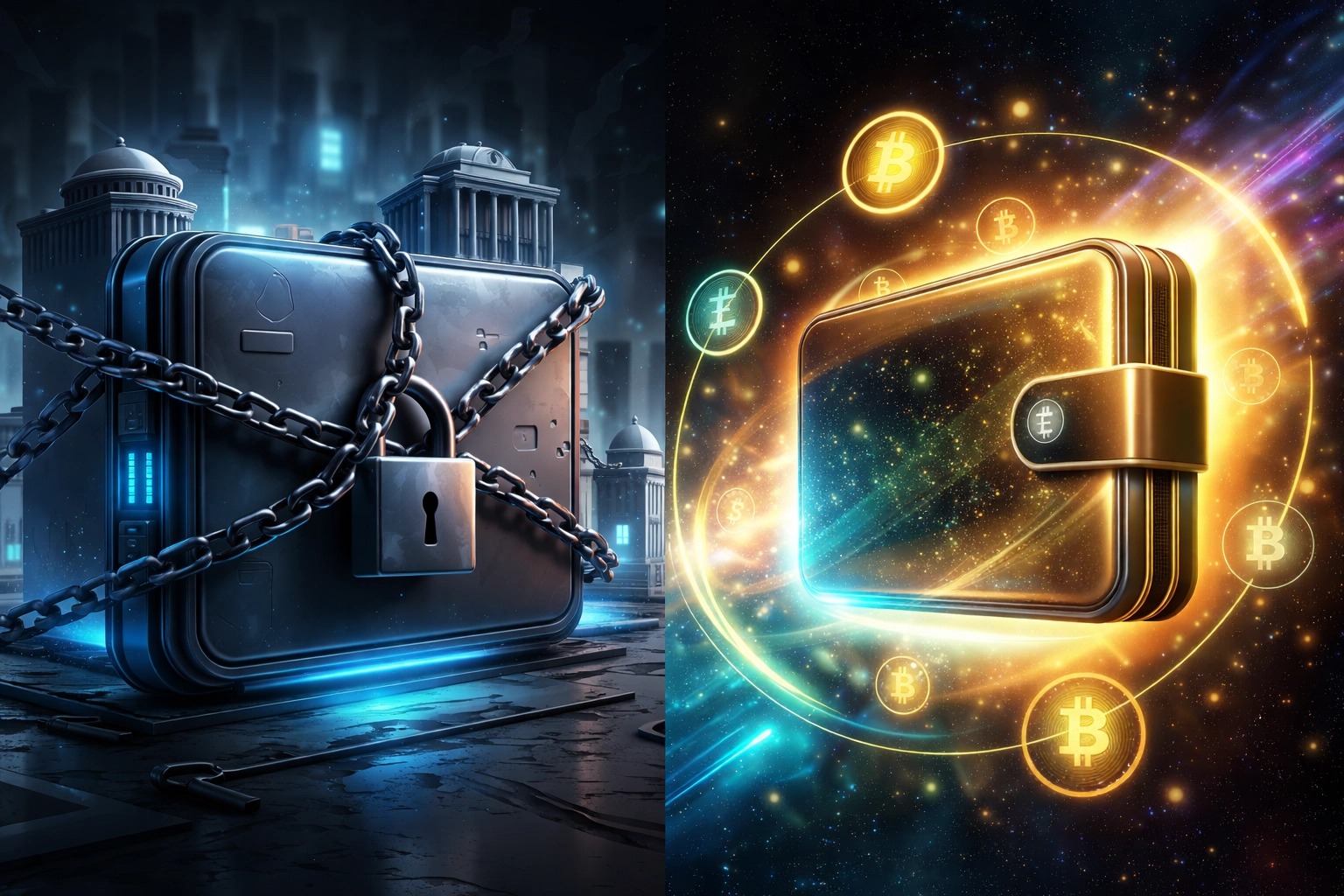
We don't convert your crypto to fiat and dump it in a bank account. We give you self-custody merchant accounts. Your keys. Your crypto. Your rules.
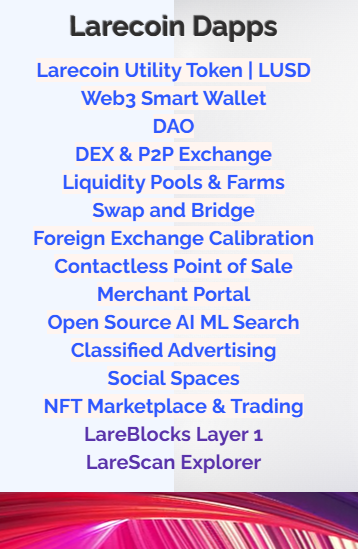
What Larecoin Delivers:
True self-custody: funds go directly to your wallet
NFT receipts for accounting and compliance
LUSD stablecoin for volatility protection
Receivables token for invoice management
Gas-only transfers for minimal fees
Push-to-card functionality when you need fiat
Web3 global payments without borders
This isn't just a payment processor. It's a complete financial operating system for your business.
Head-to-Head: The Comparison That Matters
Let's get specific. Here's where these two solutions diverge.
Custody Model
Triple-A: Custodial. They hold customer crypto, convert it, send you fiat. You trust them with the conversion. You trust banks with the settlement.
Larecoin: Non-custodial. Self-custody merchant accounts mean crypto flows directly to your wallet. No intermediaries. No trust required. Just math and cryptography.
Winner? Depends on your philosophy. Want someone else to handle everything? Triple-A works. Want actual ownership of your money? Larecoin.
Fee Structure
Triple-A: Competitive rates, but you're still paying for currency conversion, bank transfers, and their processing fees. Plus whatever your bank charges for incoming wires.
Larecoin: Gas-only transfers. You pay network fees: that's it. On Solana, we're talking fractions of a cent. Merchants report slashing their payment processing costs by 50% or more.
For a small business doing $50K/month in transactions, that's potentially $750+ back in your pocket. Every month.
Settlement Speed
Triple-A: T+1. Next business day. Standard banking timeline.
Larecoin: Instant. Transaction confirms on-chain, funds are in your wallet. No waiting for banks. No "business days." Money moves at internet speed.
Volatility Protection
Triple-A: Converts to fiat immediately. Zero crypto exposure. Zero upside potential either.
Larecoin: LUSD stablecoin lets you hold value without volatility. But you choose. Keep some in LUSD for stability. Keep some in crypto for potential appreciation. Your strategy. Your decision.
Accounting & Compliance
Triple-A: Standard transaction records. Bank statements. Traditional accounting workflows.
Larecoin:NFT receipts for accounting. Every transaction mints an immutable, on-chain receipt. Timestamped. Verified. Auditable. Try disputing that with your accountant.
This isn't just a gimmick. NFT receipts create a permanent, tamper-proof record of every sale. Tax season? Sorted. Audit? Bring it.
Why Self-Custody Actually Matters
Let's talk about why this custody question isn't just philosophical.
2022 taught us hard lessons. Exchanges failed. Custodians collapsed. Billions evaporated.
Businesses using custodial payment processors? They were at the mercy of those platforms. If the processor goes down, so does your access to funds.
Self-custody flips that script entirely.
With Larecoin's approach, your funds never touch our systems. They flow from customer wallet to your wallet. Period. We can't freeze your account. We can't delay your settlement. We can't go bankrupt and take your money with us.
Your keys = Your crypto = Your freedom.
That's not marketing speak. That's the fundamental promise of Web3, delivered to your point of sale.
The LUSD Advantage
Stablecoin skeptics, hear this out.
LUSD isn't just another stablecoin. It's designed specifically for merchant use cases. Built to reduce merchant interchange fees while maintaining the stability you need for business operations.
LUSD Stablecoin Benefits:
Pegged stability without fiat conversion
Instant transfers between merchants and suppliers
No banking hours or holidays
Global acceptance without currency exchange
Lower transaction costs than card processing
Running a business means managing cash flow. LUSD lets you do that on-chain, without the unpredictability of BTC or ETH price swings.
Accept crypto. Hold as LUSD. Pay suppliers. Convert to fiat only when necessary.
That's treasury management for the Web3 era.
Global Reach Without the Headaches
Triple-A supports 50+ currencies. Impressive. But it still relies on traditional banking infrastructure. Correspondent banks. SWIFT transfers. Weekend delays.
Larecoin's Web3 global payments work differently.
Sell to a customer in Tokyo. Receive payment instantly. No currency conversion fees. No wire transfer delays. No correspondent bank taking their cut.
The internet doesn't have banking hours. Neither should your payments.
For small businesses expanding internationally, this changes everything. No foreign bank accounts required. No complex multi-currency setups. Just one wallet. Global reach.

The Receivables Token: Cash Flow, Upgraded
Here's something Triple-A can't touch.
Larecoin's receivables token lets you tokenize your invoices. Outstanding payment from a customer? Tokenize it. Need cash flow now? Trade it. Want to use it as collateral? Done.
This transforms how small businesses manage working capital. No more waiting 30-60-90 days for payment. No more factoring companies taking 3-5% for the privilege of accessing your own money.
DeFi meets accounts receivable. Finally.
The Verdict: Which One Wins?
If you want crypto payments that feel exactly like traditional payments: with someone else handling everything, converting to fiat, depositing in your bank: Triple-A does that well. Licensed. Regulated. Safe.
But if "financial freedom" means anything to you? If you want:
True ownership of your funds
Lower fees (50%+ savings potential)
Instant settlement (not T+1)
NFT receipts for bulletproof accounting
LUSD stability without bank dependency
Global payments without banking infrastructure
Larecoin delivers what a crypto POS system for small business should actually be.
Not crypto payments that mimic traditional finance. Crypto payments that replace traditional finance.

Ready to Break Free?
Financial sovereignty isn't coming. It's here.
Small businesses are already ditching legacy payment processors. Already slashing fees. Already taking control of their treasury.
The question isn't whether crypto payments will become standard. It's whether you'll adopt them before or after your competitors.
Explore the Larecoin ecosystem and see what bank-free business operations actually look like.
Join the community discussion to connect with merchants already making the switch.
Your business. Your money. Your rules.
That's not a tagline. That's the point.
Comments