

.png)
Why Everyone Is Talking About Blockchain Social Impact (And You Should Too)
- [[[Free!!]<<<<]] Watch: 스포르팅 - 토트넘 Live Stream 13 September 2022
- 2 hours ago
- 4 min read
![Writer: [[[Free!!]<<<<]] Watch: 스포르팅 - 토트넘 Live Stream 13 September 2022](https://lh3.googleusercontent.com/a/AItbvmktwQc0wCdd3ZEETSYItRQubwwBzOyjD_dcigRf=s96-c)
Traditional payment systems aren't just expensive. They're exclusive.
2.5 billion people lack access to basic banking services. Aid organizations lose millions to middlemen. Vulnerable communities get hit with predatory fees.
Blockchain changes that equation completely.
The Financial Inclusion Crisis Nobody Talks About
Here's what traditional finance won't tell you: every credit card swipe costs merchants 2-3% plus transaction fees. Visa and Mastercard built empires on these hidden costs.
International remittances? Even worse. Families sending money home pay 6-8% on average.
Refugees and displaced populations? Locked out entirely.
Blockchain slashes these barriers. The World Food Programme distributed electronic cash to 10,000 Syrian refugees using blockchain technology. No bank accounts required. No exorbitant fees. Just direct, transparent aid distribution.
That's not theory. That's happening right now.

Why Larecoin's Infrastructure Powers Real Social Change
Traditional payment processors failed underserved communities. Web3 fixes that gap.
Larecoin operates on LareBlocks and LareScan infrastructure, purpose-built for transparent, low-cost transactions that anyone can verify. Every payment. Every transfer. Every aid distribution recorded on an immutable ledger.
The cost difference is staggering: Less than 50% of Visa/Mastercard fees.
Think about what that means for nonprofits. For small businesses in developing economies. For remittance payments keeping families afloat.
Traditional processors take their cut first. Always.
Blockchain networks like Larecoin's? Gas fees only. No percentage grabs. No hidden charges.
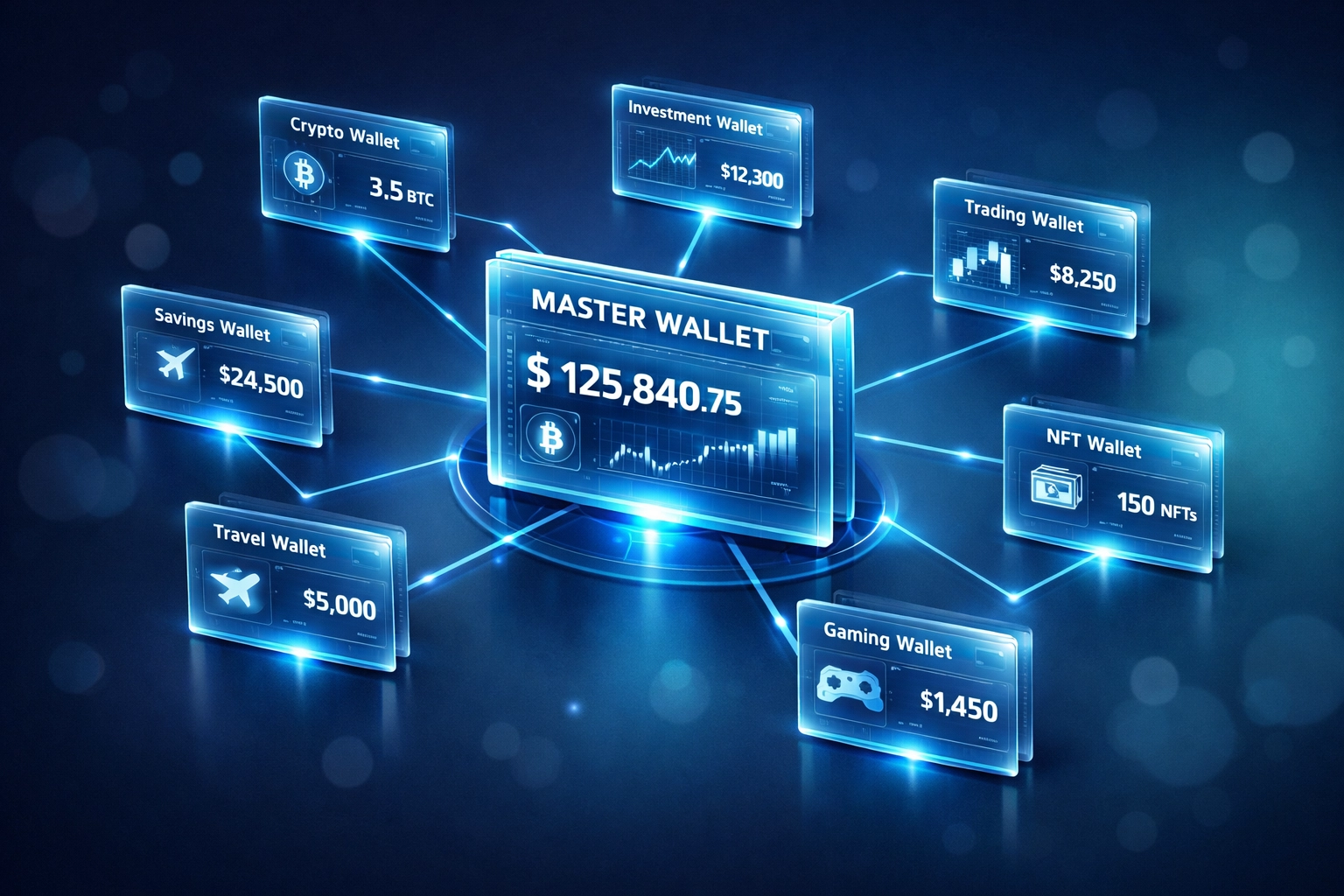
Master/Sub-Wallet Management Changes Everything for Enterprises
Organizations distributing aid face a nightmare scenario: tracking hundreds or thousands of beneficiaries while maintaining security and compliance.
Larecoin's master/sub-wallet architecture solves this.
One organization controls the master wallet. Sub-wallets deploy instantly for each recipient. Complete transparency. Total control. Zero risk of funds disappearing into bureaucratic black holes.
Save the Children partnered with blockchain platforms in 2024 for peer-to-peer Bitcoin transfers. Community-secured wallets. Direct empowerment. No banks gatekeeping access.
That's the model scaling globally.
Enterprise treasury management becomes simple. Deploy funds to regional offices. Track every transaction. Audit in real-time. All through one unified interface.
Financial inclusion isn't charity. It's infrastructure.
Gift Cards Bridge Traditional Commerce and Crypto Impact
Most social impact discussions miss the practical bridge: how do unbanked populations access cryptocurrency?
Gift card crypto purchases solve this immediately.
No credit check. No bank account. No lengthy KYC processes that exclude vulnerable populations.
Someone walks into a store. Buys a gift card with cash. Converts to LUSD stablecoin instantly.
That person now has access to:
Global payment networks
Decentralized finance tools
Aid distribution systems
Community economic hubs
The conversion from traditional to Web3 happens in seconds. Not weeks. Not months navigating banking bureaucracy.
Kenya's Land LayBy uses blockchain for land title registration, securing property rights for marginalized communities. But first, those communities need access to the network.
Gift card on-ramps provide that access. No barriers. No discrimination.
AI-Driven Shopping Meets Social Commerce
Community social hubs powered by Larecoin aren't just payment rails. They're complete economic ecosystems.
AI-driven shopping recommendations understand local contexts. Language barriers disappear. Product discovery becomes intuitive. Small merchants compete globally without enterprise marketing budgets.
Traditional e-commerce platforms extract massive fees. Charge for listings. Take percentages. Control customer relationships.
Web3 social commerce flips this model:
Merchants keep customer connections
Community hubs facilitate discovery
AI personalizes without data harvesting
Payments settle instantly with minimal fees
Oxfam's blockchain cash and voucher program in Vanuatu proved cheaper and faster than traditional banking systems. Now imagine scaling that with intelligent product recommendations and community-driven commerce.
That's not future speculation. That's the infrastructure being built today.

NFT Receipts Create Unprecedented Transparency
Here's where blockchain social impact gets revolutionary: every transaction becomes a verifiable proof of impact.
Traditional aid organizations face constant scrutiny. Where did donations go? Who benefited? What percentage reached intended recipients?
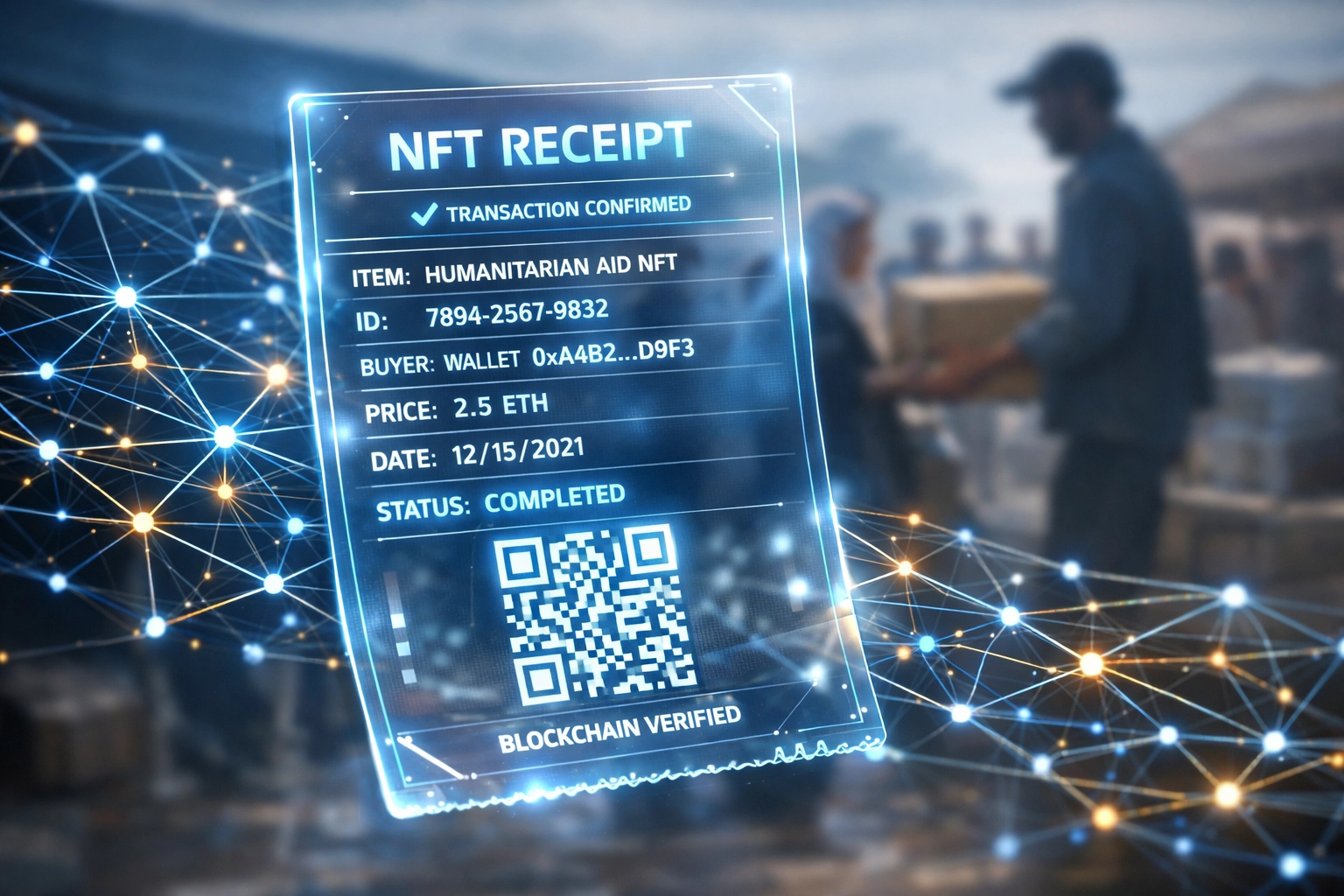
NFT receipts answer these questions automatically.
Every aid distribution mints a unique NFT receipt containing:
Transaction timestamp
Recipient identifier (privacy-preserved)
Amount distributed
Purpose designation
Complete audit trail
Donors verify their impact directly. No trust required. The blockchain doesn't lie.
Fraudulent aid claims? Impossible. The receipt proves authenticity cryptographically.
This transparency extends beyond charity. Small businesses issue NFT receipts for purchases. Customers verify product authenticity. Supply chains become trackable end-to-end.
The LUSD stablecoin ensures price stability while these transparent systems operate. No volatility concerns. No speculation risks. Just reliable, verifiable transactions.
Decentralization Protects Vulnerable Populations
Centralized payment systems create single points of failure. Governments freeze accounts. Banks deny services arbitrarily. Financial censorship hits hardest those who need access most.
Decentralization removes this control.
Blockchain-based digital identities provide stateless individuals and refugees access to:
Healthcare services
Education platforms
Banking alternatives
Employment opportunities
Without documentation. Without permission from centralized authorities.
Consensys' work with Oxfam demonstrated this principle in action. Communities took ownership of their economic infrastructure. Built resilience against external shocks.
Larecoin's decentralized architecture extends this protection globally. No single entity controls the network. No government can shut it down. No bank can deny access.
That's not ideological. That's practical security for populations facing oppression, displacement, or discrimination.
The Infrastructure Already Exists
Most blockchain social impact discussions focus on future potential. What's possible. What might happen.
The infrastructure is live right now.
LareBlocks processes transactions globally. LareScan provides real-time transparency. Master/sub-wallet systems deploy instantly for enterprises. Gift card on-ramps operate across retail networks. AI shopping personalizes without surveillance. Community hubs facilitate commerce and connection.
The ten-year marathon toward widespread Web3 adoption isn't starting. It's happening. Hour by hour. Transaction by transaction.
Traditional payment processors charge premium fees while excluding billions. Web3 alternatives provide better service at fraction of the cost: while expanding access rather than restricting it.
Financial inclusion. Aid transparency. Censorship resistance. These aren't talking points. They're operational realities.
Join the Movement
Blockchain social impact matters because centralized systems failed. Repeatedly. Expensively. Exclusively.
Larecoin provides the alternative infrastructure.
Lower fees mean more resources reach intended beneficiaries. Transparent ledgers prevent fraud automatically. Decentralized access protects vulnerable populations. Stablecoin integration removes volatility concerns.
The conversation around blockchain social impact intensifies because real-world results keep proving the technology works. From refugee aid to land rights. From microfinance to censorship resistance.
Not theory. Reality.
Want to see the infrastructure in action? Explore the ecosystem at larecoin.com.
The future of inclusive finance isn't coming. It's already here.
Time to participate.
Comments