

.png)
Why Everyone Is Talking About Self-Custody Merchant Accounts (And Your Business Should Too)
- [[[Free!!]<<<<]] Watch: 스포르팅 - 토트넘 Live Stream 13 September 2022
- 1 hour ago
- 4 min read
![Writer: [[[Free!!]<<<<]] Watch: 스포르팅 - 토트넘 Live Stream 13 September 2022](https://lh3.googleusercontent.com/a/AItbvmktwQc0wCdd3ZEETSYItRQubwwBzOyjD_dcigRf=s96-c)
The crypto payment landscape just shifted. Hard.
Self-custody merchant accounts are dominating conversations in Web3 circles. And for good reason. Businesses are finally waking up to a fundamental truth: why let someone else hold your money when you don't have to?
Traditional payment processors have had a stranglehold on merchant funds for decades. That era is ending. Fast.
Let's break down why self-custody merchant accounts matter. And why your business needs one yesterday.
What Exactly Is a Self-Custody Merchant Account?
Simple concept. Powerful execution.
A self-custody merchant account means you control your funds directly. No intermediary sitting between you and your revenue. No third-party custodian deciding when you can access your own money.
Your keys. Your coins. Your business.
When a customer pays, funds go straight to your wallet. Not to some corporate treasury that "holds" your money for 2-7 business days. Direct. Immediate. Yours.
This model eliminates the traditional custody chain:
No intermediary holding periods
No withdrawal requests or approval queues
No single point of failure for hackers to target
No "account reviews" freezing your operating capital
The blockchain records every transaction. Transparent. Immutable. Trustless.
Why Traditional Payment Processors Are Bleeding Merchants Dry
Let's talk numbers.
Standard credit card interchange fees run 1.5% to 3.5% per transaction. International payments? Add another 1-3% for currency conversion. Chargebacks? $15-100 per incident plus the original transaction amount.
Then there's the settlement timeline. Your customer paid Monday. You might see those funds Thursday. Maybe Friday.
For small businesses operating on tight margins, this is death by a thousand cuts.
CoinPayments and NOWPayments entered the crypto payment space promising better alternatives. They reduced some fees. Improved settlement times. But here's the catch: they still operate custodial models.
Your funds still sit in their wallets until you withdraw. You're still trusting a third party with your revenue.
That's not financial sovereignty. That's just a different middleman.
The Self-Custody Advantage: Real Benefits for Real Businesses
Self-custody merchant accounts flip the entire model. Here's what changes:
Slash Your Processing Fees by 50%+
When you remove intermediaries, you remove intermediary fees. Period.
Crypto POS systems for small business built on self-custody principles drastically reduce merchant interchange fees. No payment processor taking their cut. No acquiring bank skimming their percentage.
Gas fees exist. They're minimal compared to traditional processing costs. Especially on modern Layer 1 and Layer 2 networks.
Instant Settlement. Actually Instant.
Not "next business day" instant. Real-time instant.
Customer pays. Transaction confirms on-chain. Funds appear in your wallet. Done.
This matters for cash flow. It matters for inventory management. It matters for payroll.
Enhanced Security Through Decentralization
Here's an uncomfortable truth about custodial services: they're targets.
Centralized platforms holding millions in merchant funds attract hackers. When they get breached, it's not their money that disappears. It's yours.
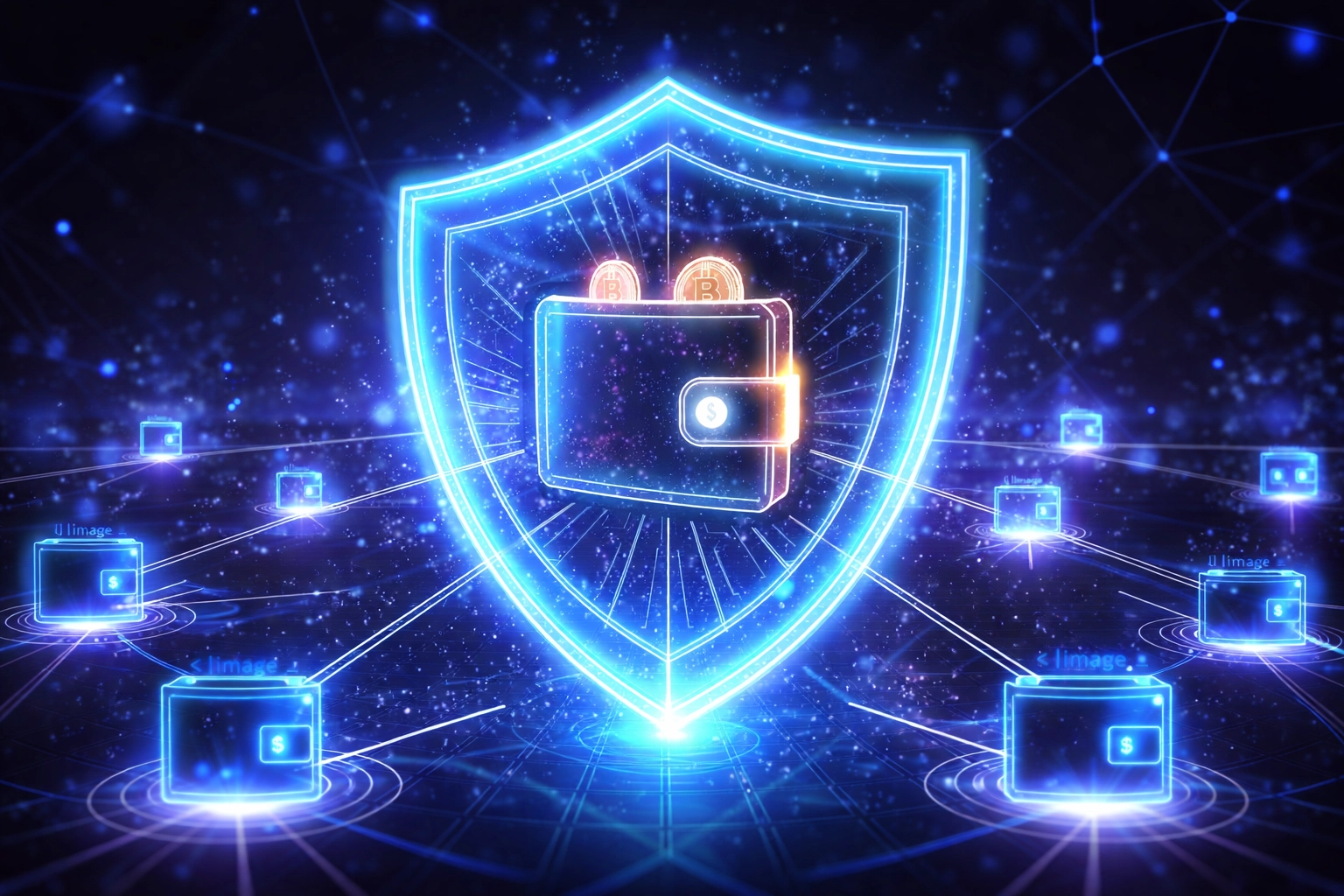
Self-custody eliminates the honeypot. There's no central repository to attack. Your funds sit in your wallet, protected by your private keys.
Reduced Compliance and Liability Exposure
When you don't hold customer funds, you don't carry custody liability. Simple.
No PCI-DSS headaches. No complex compliance requirements around fund storage. Your liability profile shrinks dramatically.
How Larecoin Delivers True Self-Custody
Larecoin built self-custody into its foundation. Not as an afterthought. As the core architecture.
Here's what sets it apart from NOWPayments alternatives and CoinPayments alternatives:
Direct Wallet-to-Wallet Transactions
Every payment flows directly from customer wallet to merchant wallet. No pit stops. No temporary holding accounts. No "pending" status while funds route through corporate infrastructure.
The blockchain handles verification. Smart contracts handle execution. You handle your money.
NFT Receipts for Accounting
This is where Web3 global payments get interesting.
Every transaction generates an NFT receipt. Immutable proof of payment living on-chain forever. No more lost receipts. No more reconciliation nightmares. No more "the dog ate my expense report."
NFT receipts for accounting transform how businesses handle bookkeeping. Every transaction is timestamped, verified, and permanently recorded. Auditors love this. Tax professionals love this. You'll love this.
LUSD Stablecoin Benefits
Volatility concerns? Addressed.
LUSD provides stablecoin settlement options for merchants who want crypto efficiency without crypto price swings. Accept payment in any supported token. Receive LUSD.
LUSD stablecoin benefits include:
Price stability pegged to USD
Same instant settlement as other crypto
Same self-custody principles
Easy conversion to fiat when needed
Receivables Token Innovation
The receivables token concept transforms outstanding invoices into tradeable assets. Waiting 30, 60, 90 days for B2B payments? Tokenize those receivables. Access liquidity immediately.
This unlocks capital that traditionally sits frozen in accounts receivable. Working capital problems? Solved.
Triple-A, NOWPayments, CoinPayments: Where They Fall Short
Let's compare honestly.
Triple-A offers enterprise crypto payment solutions. Solid platform. But their model still involves custody periods and settlement delays. Not true self-custody.
NOWPayments processes payments across 100+ cryptocurrencies. Impressive breadth. But transactions route through their infrastructure first. You're trusting their security, their uptime, their solvency.
CoinPayments has been around since 2013. Established player. Same fundamental problem: custodial architecture means your funds aren't truly yours until you withdraw them.

Larecoin eliminates these compromises. True self-custody from transaction initiation to final settlement.
Bank-Free Business Operations: The New Reality
Financial sovereignty isn't just a crypto buzzword. It's operational freedom.
Self-custody merchant accounts enable bank-free business operations. Not "banking optional." Actually bank-free if that's your preference.
Accept global payments without international banking relationships
Settle instantly without waiting for bank batch processing
Avoid account freezes and "suspicious activity" holds
Operate in markets where traditional banking is limited or expensive
For businesses serving global customers, this changes everything. No more SWIFT delays. No more correspondent banking fees. No more currency conversion surprises.
Getting Started With Self-Custody
Ready to take control of your merchant payments?
The transition is simpler than you'd expect:
Set up your self-custody wallet
Integrate Larecoin's payment gateway
Configure your preferred settlement tokens
Start accepting payments directly
No lengthy underwriting processes. No credit checks determining your processing limits. No "we'll get back to you in 5-7 business days."
Visit Larecoin to explore the full ecosystem. Check out the crypto section at larecoin.com/crypto for detailed implementation guides.
The Bottom Line
Self-custody merchant accounts represent the next evolution in payment processing. Lower fees. Faster settlement. True ownership of your revenue.
The question isn't whether self-custody will become standard. It's whether your business will adopt it now: while it's still a competitive advantage: or later, when it's just table stakes.
Your keys. Your coins. Your business.
The future of merchant payments is here. It's called self-custody. And it's waiting for you.
Comments