

.png)
Why Metaverse Shopping Will Change the Way You Run Your Retail Business
- [[[Free!!]<<<<]] Watch: 스포르팅 - 토트넘 Live Stream 13 September 2022
- 2 days ago
- 4 min read
![Writer: [[[Free!!]<<<<]] Watch: 스포르팅 - 토트넘 Live Stream 13 September 2022](https://lh3.googleusercontent.com/a/AItbvmktwQc0wCdd3ZEETSYItRQubwwBzOyjD_dcigRf=s96-c)
Retail is shifting. Fast.
The metaverse isn't some far-off sci-fi dream anymore. It's happening now. And if you're running a retail business, you need to pay attention.
Here's the reality: the industry loses $642 billion annually to returns. Nike achieved 70% higher consumer engagement in digital spaces. Companies using virtual product prototyping cut development time by 30%.
The numbers don't lie. Metaverse shopping is the next frontier. But here's the catch: you need the right payment infrastructure to make it work.
That's where things get interesting.
The Problem with Legacy Payment Processors
Traditional payment rails weren't built for immersive commerce.
Think about it. You're creating a virtual storefront. Customers are trying on clothes with VR body scanning. They're visualizing furniture in their actual homes. They're engaging with your brand in ways that were impossible five years ago.
Then checkout happens. And suddenly you're dealing with:
2.5-3.5% interchange fees eating into every sale
Chargebacks and fraud disputes
Settlement delays of 2-3 business days
Zero flexibility for NFT-based receipts or digital goods
Platforms like CoinPayments and NOWPayments have tried to bridge this gap. Triple-A offers some merchant solutions. But they're missing key pieces.
Most lack true self-custody options. They don't support gas-only transfers. And forget about native stablecoin integration built for retail.
The metaverse demands more.
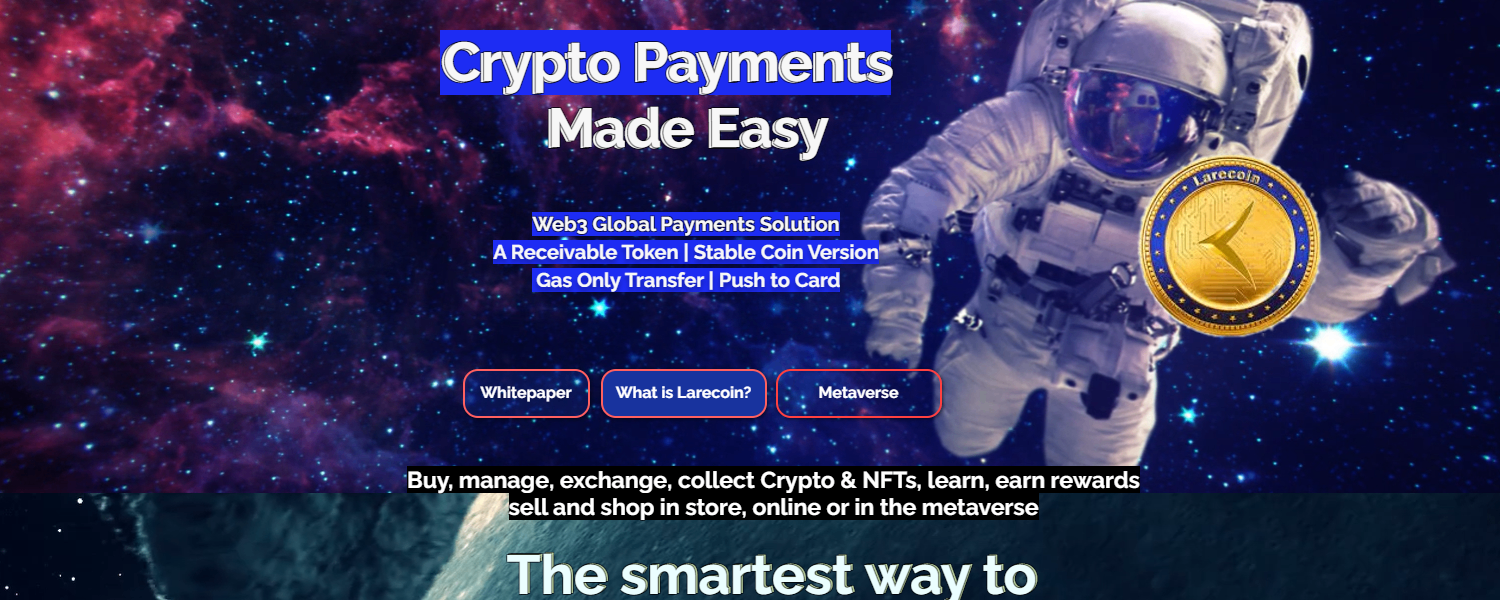
How Metaverse Shopping Reshapes Your Operations
Let's break down what changes when retail goes virtual.
Reduced Returns, Increased Margins
Virtual fitting rooms with body scanning give customers accurate 3D measurements before purchase. Furniture retailers let shoppers upload images of their homes. Products get visualized in context.
The result? Return rates drop by 25%. That's massive when you're hemorrhaging money on reverse logistics.
Hyper-Personalized Marketing
AI-driven analytics track browsing habits. Purchase frequency. Time spent in virtual showrooms. You get real-time market insights that physical retail simply can't match.
This data powers targeted campaigns. Subscription-based access to exclusive virtual content. Loyalty programs that actually work.
New Revenue Streams
Beyond traditional sales:
In-world advertising
Virtual product sales
NFTs and digital collectibles
Exclusive metaverse experiences
Global reach breaks down geographical barriers. Your virtual storefront never closes. It never runs out of inventory.
Supply Chain Optimization
Digital twins let you test store layouts before building anything. Optimize inventory. Refine supply chains in simulation before committing real resources.
Smart retailers are already doing this. The question is whether you'll catch up.
Why Larecoin Is Built for Metaverse Commerce
Here's where the technical advantages matter.
NFT Receipts
Every transaction generates a verifiable NFT receipt. Not just a paper trail: a permanent, blockchain-secured proof of purchase.
For metaverse retail, this is game-changing:
Warranty tracking tied to digital assets
Resale verification for authenticated goods
Loyalty rewards embedded in receipt NFTs
Returns processing with zero ambiguity
CoinPayments doesn't offer this. NOWPayments can't match it. Triple-A is playing catch-up.
LUSD Stablecoin Integration
Volatility kills commerce. Customers don't want to spend something that might be worth 20% more tomorrow. Merchants don't want revenue that could drop 30% before settlement.
LUSD solves this. A stablecoin designed specifically for the Larecoin ecosystem. Pegged. Predictable. Built for transactions, not speculation.
Checkout in the metaverse becomes seamless. Prices stay consistent. Everyone wins.
Gas-Only Transfers
Here's where self-custody gets real.
Traditional crypto payment processors take custody of your funds. You're trusting a third party. Again.
With Larecoin, merchants maintain full self-custody. Transfers cost only gas fees. No hidden percentages. No surprise deductions.
Your money stays in your wallet until you decide to move it.

Fee Savings That Actually Matter
Let's talk numbers.
Credit card interchange fees run 2.5-3.5% per transaction. On a $100 sale, you're giving away $2.50-$3.50. Every. Single. Time.
Multiply that across thousands of transactions. The bleeding adds up fast.
Larecoin's crypto POS infrastructure cuts that by more than 50%. For high-volume retailers, that's the difference between profitable and struggling.
Master/Sub-Wallet Architecture
Running multiple locations? Managing franchise operations? Need to segregate funds across departments?
Master/sub-wallets give you complete control:
Centralized oversight with decentralized flexibility
Real-time visibility across all locations
Automated splitting and distribution
Simplified accounting and reconciliation
Set it up once. Let it run.
QR-Generated POS
No expensive hardware. No complicated integration.
Generate a QR code. Customer scans. Payment complete.
Works in physical stores. Works in pop-ups. Works in the metaverse.
The simplicity is the point. You're not buying into a proprietary system. You're adopting a payment standard.
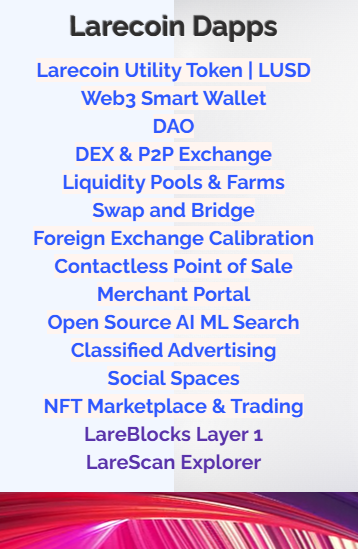
Compliance & Trust: The Foundation
Innovation means nothing without trust.
Larecoin holds Federal MSB registration. That's Money Services Business licensing at the federal level. Real regulatory oversight. Real accountability.
Beyond that? State-level MTL coverage across the U.S. Money Transmitter Licenses in the states that matter.
When you're choosing between payment processors, ask the hard questions:
Are they MSB registered?
Do they have MTL compliance?
Can they operate legally in your state?
Many competitors dodge these questions. Or give vague answers. Or operate in regulatory gray zones.
MTL compliance isn't optional. It's the baseline for legitimate operation.
The Future: Social Shopping in the Larecoin Metaverse
Here's where it gets exciting.
Larecoin is building a B2B2C metaverse. Not just virtual storefronts. Social shopping experiences.
Imagine:
Group shopping with friends in VR, no matter where they are physically
Live product demos with real-time Q&A
Influencer-led shopping experiences with integrated checkout
Virtual try-before-you-buy for everything from clothes to cars
The convenience of VR/AR shopping meets the social dynamics of real-world retail. The isolation of online shopping disappears.
And every transaction? Powered by the same infrastructure. NFT receipts. LUSD stability. Gas-only transfers. Self-custody.
This is what retail looks like in 2026 and beyond.

What This Means for Your Business
The metaverse isn't replacing physical retail. Not yet. Maybe not ever.
But it's creating something new. A hybrid model. Digital and physical working together.
The retailers who thrive will be the ones who:
Adopt payment infrastructure built for both worlds
Embrace NFT-based transaction records
Cut fees without sacrificing security
Maintain compliance while pushing innovation forward
The technology exists. The regulatory framework is in place. The customer demand is building.
The only question is whether you'll move first.
Ready to explore metaverse-ready payment infrastructure?
Check out the Larecoin merchant solutions or dive into the technical whitepaper for the full picture.
The future of retail is being built right now. Time to decide which side of it you're on.
Comments