

.png)
Why Metaverse Shopping Will Change the Way You Run Your Retail Business
- [[[Free!!]<<<<]] Watch: 스포르팅 - 토트넘 Live Stream 13 September 2022
- 2 hours ago
- 4 min read
![Writer: [[[Free!!]<<<<]] Watch: 스포르팅 - 토트넘 Live Stream 13 September 2022](https://lh3.googleusercontent.com/a/AItbvmktwQc0wCdd3ZEETSYItRQubwwBzOyjD_dcigRf=s96-c)
The metaverse isn't coming. It's here.
And it's about to flip retail on its head.
Virtual storefronts. 3D product visualization. Customers trying on clothes without stepping foot in your store. We're talking about a projected $210.3 billion e-commerce market by 2030. The question isn't if you should care. It's how fast you can adapt.
Here's the thing: 80% of physical retail could be influenced by consumer actions in the metaverse. That's not hype. That's the reality of immersive commerce.
But here's what nobody's talking about, the payment infrastructure behind it all.
The Metaverse Retail Revolution Is Real
Let's get specific.
Nike reported 70% higher consumer engagement in digital spaces. Businesses using virtual try-on experiences saw a 25% reduction in return rates. When merchandise returns cost the industry $642 billion annually, those numbers matter.
Virtual fitting rooms. Digital twins for store layout optimization. Real-time customer analytics replacing outdated market research. Companies are cutting design and development processes by 30% through virtual prototyping.
The metaverse creates an always-on business. No geographical barriers. No store hours. Customers in Tokyo browsing your inventory at 3 AM? That's the new normal.
But early metaverse retail initiatives failed for one reason: gimmicks.
Replicating physical stores in virtual space without solving real problems? Waste of resources. The winners are those laser-focused on high-value applications, personalization, try-before-you-buy, concierge services, and limited-run brand experiences.
Traditional Payment Rails Can't Keep Up
Here's the uncomfortable truth.
Visa and Mastercard weren't built for the metaverse. They weren't built for instant, borderless, 24/7 transactions across virtual worlds.
Interchange fees eating 2-3% of every transaction? That's fine for a brick-and-mortar shop doing predictable volume. But in the metaverse, where micro-transactions happen constantly and global customers expect seamless experiences?
Those fees destroy margins.
Traditional payment processors also can't handle:
NFT-based receipts for proof of purchase
Instant settlement across time zones
Self-custody requirements for Web3-native customers
Programmable money for loyalty rewards and subscriptions
You need infrastructure built for the future. Not retrofitted from the past.
Larecoin's Technical Edge for Metaverse Retail
This is where things get interesting.
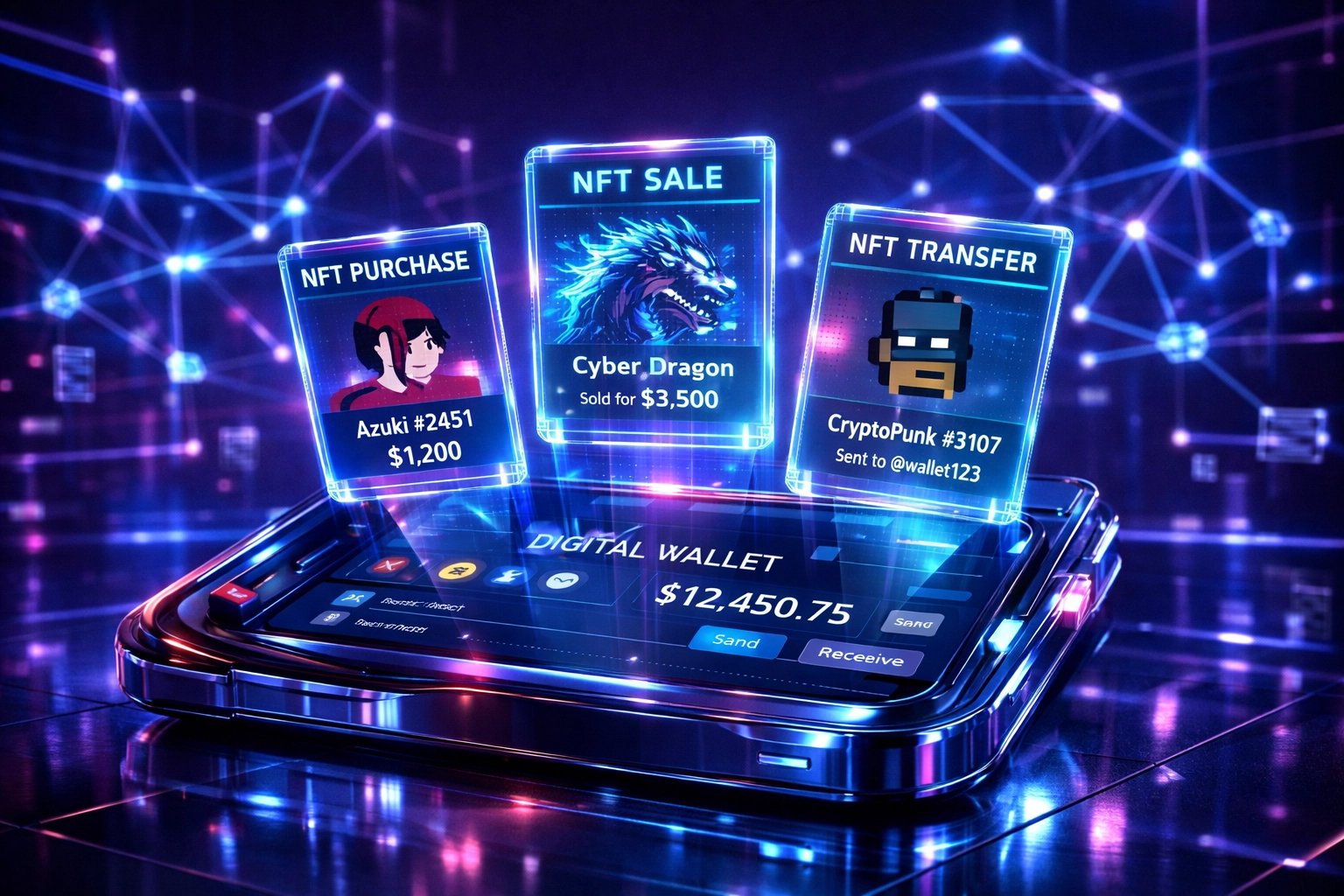
NFT Receipts
Forget paper receipts. Forget email confirmations lost in spam folders.
NFT receipts are immutable, verifiable, and permanently stored on-chain. Customers can prove purchase history instantly. Returns become frictionless. Warranty claims? Automatic verification.
For brands, NFT receipts unlock secondary benefits, embedded loyalty points, access to exclusive drops, and direct customer engagement channels.
LUSD Stablecoin
Volatility kills commerce. Nobody wants to buy a $50 product that costs $65 tomorrow.
LUSD solves this. A stablecoin designed for everyday transactions. Price stability for merchants. Predictable settlement for accounting. No more hedging crypto exposure.
Gas-Only Transfers
Here's where Larecoin separates from competitors.
Most crypto payment solutions charge transaction fees on top of network gas fees. Double dipping.
Larecoin's gas-only transfer model means you pay network costs, nothing more. That's a massive shift in unit economics for high-volume merchants.
Self-Custody
Your money. Your control.
No third-party holding your funds. No platform risk. No withdrawal delays. Self-custody wallets mean instant access to your revenue.
For merchants burned by payment processor freezes and holds, this is freedom.
How Larecoin Stacks Up Against Competitors
Let's compare.
Feature | Larecoin | NOWPayments | CoinPayments | Triple-A |
NFT Receipts | ✅ | ❌ | ❌ | ❌ |
Gas-Only Fees | ✅ | ❌ | ❌ | ❌ |
LUSD Stablecoin | ✅ | ❌ | ❌ | ❌ |
Self-Custody | ✅ | Partial | ❌ | ❌ |
Master/Sub-Wallets | ✅ | ❌ | ❌ | ❌ |
Metaverse Integration | ✅ | ❌ | ❌ | ❌ |
MTL Compliance | ✅ | Limited | Limited | Regional |
NOWPayments offers decent multi-currency support. CoinPayments has been around forever. Triple-A serves enterprise clients.
But none of them are building for the metaverse.
None of them offer NFT receipts as standard. None of them have a native stablecoin optimized for retail transactions. And none of them match Larecoin's fee structure.
Merchant Benefits That Actually Matter
Fee Savings Over 50%
Traditional interchange fees range from 1.5% to 3.5% per transaction. For a business doing $1 million in annual revenue, that's $15,000 to $35,000 gone.
Larecoin's gas-only model slashes that dramatically. We're talking savings that directly hit your bottom line.
Master/Sub-Wallets
Running multiple locations? Different revenue streams? Franchise operations?
Master/sub-wallet architecture gives you centralized oversight with decentralized control. Track revenue by location. Manage permissions by role. Instant visibility across your entire operation.
QR-Generated Crypto POS
No expensive hardware. No terminal leases. No integration nightmares.
Generate a QR code. Customer scans. Payment complete.
Works in physical stores. Works in virtual storefronts. Works anywhere a customer has a smartphone.
This is the crypto POS system built for omnichannel retail.
Compliance and Trust
Here's what separates serious players from fly-by-night operations.
Larecoin holds Federal MSB registration. State-level MTL compliance across the U.S. means we operate within regulatory frameworks, not around them.
For merchants, this matters. Your payment processor's compliance status is your compliance status. Partner with an unregistered provider? You inherit their risk.
MTL compliance isn't a marketing bullet point. It's operational security.
The Future: Social Shopping in Larecoin's B2B2C Metaverse
Now let's talk vision.
Larecoin isn't just building payment infrastructure. We're building the metaverse shopping experience itself.
Imagine this:
Virtual storefronts where customers browse products in 3D
Social shopping with friends across the globe
AR overlays showing how furniture fits in your actual living room
VR showrooms for high-ticket items
Instant checkout with LUSD: no cart abandonment from slow payment processing
The B2B2C model means brands get direct consumer access while Larecoin handles the infrastructure. You focus on products and experiences. We handle payments, wallets, and compliance.
This isn't theoretical. This is the roadmap.
What This Means for Your Retail Business
The metaverse retail opportunity is massive. But capturing it requires the right infrastructure.
Legacy payment processors won't cut it. Crypto solutions built for speculation won't cut it. You need purpose-built tools for immersive commerce.
NFT receipts for verifiable transactions. LUSD for price stability. Gas-only transfers for sustainable unit economics. Self-custody for operational control. QR crypto POS for frictionless checkout. MTL compliance for regulatory peace of mind.
That's the Larecoin stack.
Ready to Transform Your Retail Operation?
The metaverse shopping revolution is happening now.
Early movers capture market share. Late adopters scramble to catch up.
Visit larecoin.com to explore merchant solutions. Check out the metaverse for a preview of what's coming.
The future of retail isn't waiting. Neither should you.
Comments