

.png)
Why Self-Custody Merchant Accounts Will Change the Way You Accept Web3 Global Payments
- [[[Free!!]<<<<]] Watch: 스포르팅 - 토트넘 Live Stream 13 September 2022
- 4 days ago
- 4 min read
![Writer: [[[Free!!]<<<<]] Watch: 스포르팅 - 토트넘 Live Stream 13 September 2022](https://lh3.googleusercontent.com/a/AItbvmktwQc0wCdd3ZEETSYItRQubwwBzOyjD_dcigRf=s96-c)
Your money. Your wallet. Your rules.
That's the promise of Web3. Yet most crypto payment processors operate like traditional banks. They hold your funds. They control the timing. They take their cut.
Self-custody merchant accounts flip that script entirely.
The Problem With Custodial Payment Solutions
Here's what happens with most crypto payment providers today.
Customer pays in crypto. Funds land in the processor's wallet. You wait for settlement. Fees get deducted. Finally: maybe days later: you see your money.
Sound familiar?
Platforms like NOWPayments, CoinPayments, and Triple-A have made accepting crypto easier. No question. But they still operate as intermediaries. They sit between you and your revenue.
That creates problems:
Settlement delays drag on for days
Processing fees eat into already-thin margins
Counterparty risk leaves your funds vulnerable
Account freezes can happen without warning
Limited control over your own business finances
You didn't start accepting crypto to recreate the banking system. You wanted freedom. Speed. Lower costs.
Self-custody delivers exactly that.
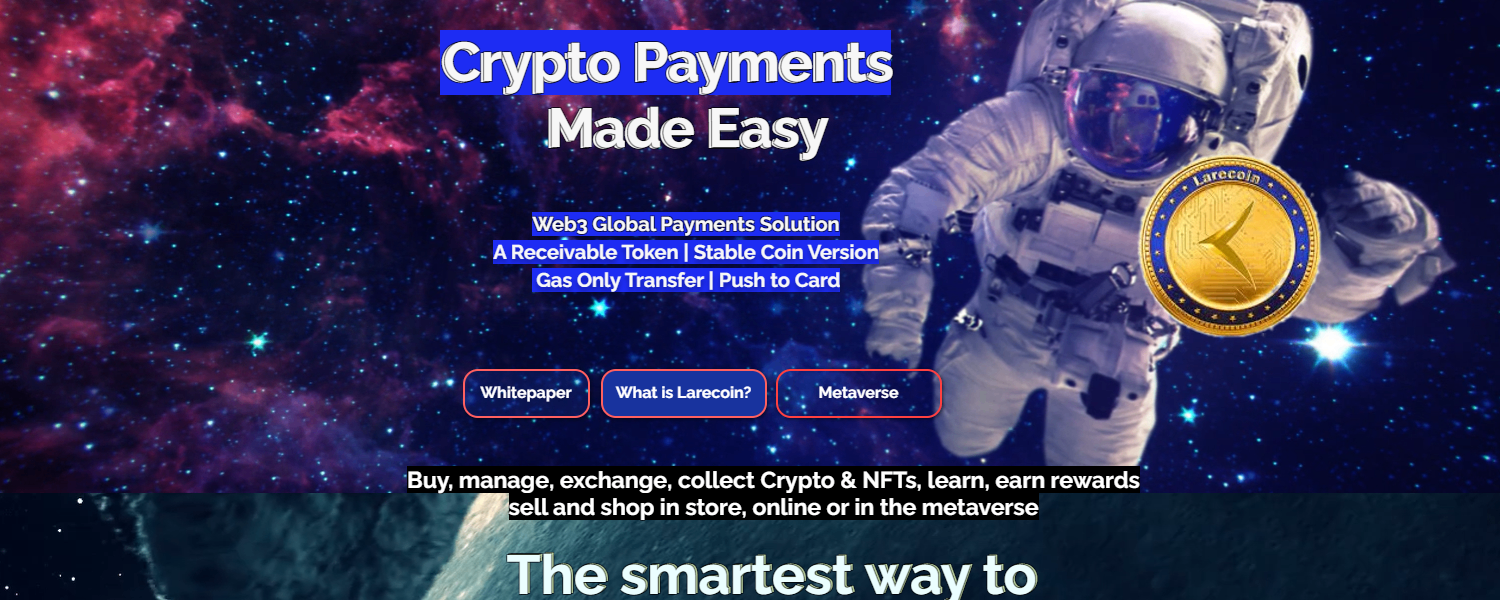
What Exactly Is a Self-Custody Merchant Account?
Simple concept. Powerful execution.
Self-custody means funds move directly from your customer's wallet to YOUR wallet. On-chain. Instantly. No middleman holding your crypto.
The blockchain becomes your payment rail. Your wallet becomes your merchant account. Smart contracts handle the verification.
No third party ever touches your funds.
This fundamentally changes how Web3 global payments work for businesses. You're not asking permission to access your own revenue anymore.
Why Self-Custody Matters for Modern Merchants
Slash Those Interchange Fees
Traditional payment processors charge 2.5-3.5% per transaction. Custodial crypto processors often charge 1-2%.
Self-custody? Just network gas fees.
For a business doing $100,000/month in sales, that's potentially $2,000-3,500 back in your pocket every month. The math is brutal for anyone still paying intermediary fees.
Want to reduce merchant interchange fees dramatically? Self-custody is your answer.
Instant Settlement. Actually Instant.
No more waiting 2-5 business days. No more "pending" status.
Customer pays. You receive. Done.
That's what on-chain settlement looks like. Your cash flow improves overnight. No more float. No more wondering when funds will clear.
Eliminate Single Points of Failure
Every custodial platform is a target. Hackers love centralized honeypots filled with merchant funds.
Self-custody eliminates that attack vector completely. There's no central vault to breach. Your funds stay distributed across individual wallets: yours.
Security through decentralization. The way Web3 was meant to work.
True Financial Sovereignty
Bank-free business operations aren't just a nice-to-have anymore. They're essential for global commerce.
Self-custody means:
No account freezes
No arbitrary holds
No permission needed to move YOUR money
No geographic restrictions
Your business. Your funds. Period.

How Larecoin Approaches Self-Custody Differently
Not all self-custody solutions are created equal.
Larecoin built its entire ecosystem around merchant autonomy. Here's what sets it apart from NOWPayments alternatives and CoinPayments alternatives in the market.
LUSD Stablecoin Benefits
Volatility kills merchant adoption. Nobody wants to accept payment worth $100 today and $85 tomorrow.
LUSD solves this. Larecoin's stablecoin gives merchants:
Price stability for accounting
Easy conversion options
Reduced volatility exposure
Simplified bookkeeping
Accept crypto. Settle in stability. Best of both worlds.
NFT Receipts for Accounting
This is where things get interesting.
Every transaction generates an NFT receipt. Immutable. Timestamped. Permanently recorded on-chain.
For accounting? Game changer.
Automatic record-keeping
Tamper-proof documentation
Easy audit trails
Simplified tax reporting
NFT receipts for accounting aren't just a gimmick. They're a legitimate solution to one of crypto commerce's biggest headaches.
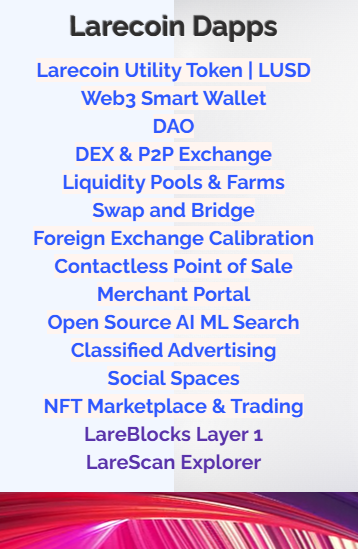
Receivables Token Innovation
Here's something unique to the Larecoin ecosystem.
The receivables token represents future payment obligations on-chain. Think of it as programmable accounts receivable.
For businesses managing invoices, subscriptions, or payment plans: this changes everything. Your receivables become liquid assets. Verifiable. Transferable if needed.
Crypto POS System for Small Business
Self-custody sounds technical. Larecoin makes it accessible.
The contactless POS system lets any small business accept Web3 payments without a computer science degree. Plug and play. Tap and pay.
Your corner coffee shop can now accept crypto with the same ease as swiping a card. Full self-custody. Zero compromise on user experience.
The Trade-Offs (Let's Be Real)
Self-custody isn't for everyone.
You're responsible for your own security. Private keys. Wallet backups. Recovery phrases. Lose access? Nobody can help you.
This model works best when:
You or your team understand basic wallet management
Your customers are crypto-native or crypto-curious
You're willing to spend 30 minutes learning key safety
You value control over convenience
For merchants serving crypto-conscious customers? The trade-off is worth it ten times over.
For those who want someone else to handle everything? Custodial solutions still exist.
But the trend is clear. More merchants are choosing sovereignty over simplicity.

Getting Started With Self-Custody
Ready to take control?
Here's the path forward:
Set up a secure wallet : Hardware wallet recommended for merchant funds
Integrate your payment solution : Larecoin's merchant portal handles the heavy lifting
Educate your team : Basic private key safety takes 30 minutes to learn
Start accepting payments : Direct to your wallet, every time
The learning curve is real but manageable. Most merchants are up and running within a day.
The Future Is Self-Custodial
Traditional payment processors had their moment. Custodial crypto solutions bridged a gap.
But Web3 global payments are evolving. The merchants winning tomorrow are the ones taking control today.
Self-custody isn't just about lower fees: though you'll definitely reduce merchant interchange fees. It's about building a business that doesn't depend on anyone else's permission.
Your revenue. Your wallet. Your terms.
That's what self-custody merchant accounts deliver. And that's why they're changing everything about how forward-thinking businesses accept payments.

Ready to ditch the middleman? Explore how Larecoin's self-custody merchant solutions can transform your payment stack. Visit Larecoin to get started.
Comments