

.png)
Why the CLARITY Act Makes Larecoin the Smart Commodity Play in 2026 (And What It Means for Merchants)
- [[[Free!!]<<<<]] Watch: 스포르팅 - 토트넘 Live Stream 13 September 2022
- 2 hours ago
- 5 min read
![Writer: [[[Free!!]<<<<]] Watch: 스포르팅 - 토트넘 Live Stream 13 September 2022](https://lh3.googleusercontent.com/a/AItbvmktwQc0wCdd3ZEETSYItRQubwwBzOyjD_dcigRf=s96-c)
The regulatory game just changed.
H.R. 3633, the CLARITY Act, is reshaping how digital assets get classified in the U.S. And if you're running a business that processes payments, this matters more than you think.
Here's the bottom line: Larecoin is positioned as a digital commodity under the CLARITY Act framework. Not a security. A commodity. That means clearer regulations, lower compliance headaches, and a straightforward path for merchants to integrate Web3 payments without drowning in legal uncertainty.
Let's break down what this means for your bottom line.
The CLARITY Act in 60 Seconds
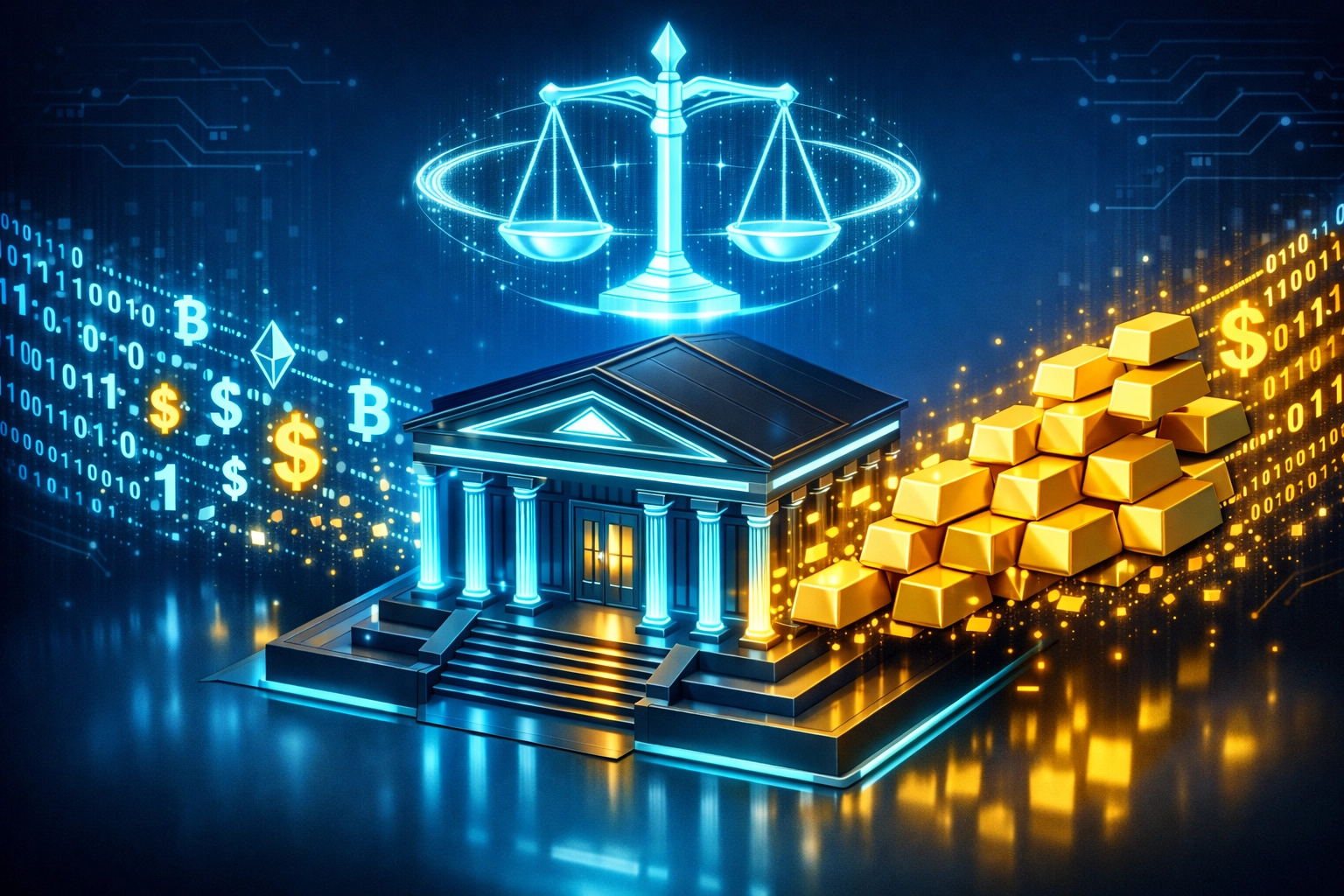
The CLARITY Act creates a clear distinction between digital commodities and securities.
Digital commodities fall under CFTC oversight. Think Bitcoin. Think Ethereum. Think payment-focused tokens designed for utility, not investment contracts.
Securities get SEC treatment. Investment tokens. Equity-like structures. Everything that screams "passive income expectation."
Larecoin sits firmly in the commodity camp. It's designed for transactions. For merchant payments. For real-world utility across the LareBlocks Layer 1 blockchain.
That classification unlocks something massive for businesses: regulatory clarity.
No more guessing. No more waiting for enforcement actions to define the rules. The CLARITY Act gives merchants a green light to accept Larecoin without the compliance nightmares that plague traditional crypto payment processors.
Why Commodity Status Matters for Your Business
Here's what commodity classification means in practical terms:
Lower Compliance Costs You're not dealing with securities regulations. That means less paperwork. Fewer hoops. Faster onboarding.
Clearer Tax Treatment Commodity transactions have established tax frameworks. Your accountant won't need a Ph.D. in blockchain law.
Mainstream Legitimacy Banks and payment processors are more comfortable with commodities than securities. That translates to easier integration with your existing financial infrastructure.
Consumer Protection Without Overreach The CFTC framework protects users without strangling innovation. You get the benefits of regulation without the red tape.
The Merchant Math: 50% Fee Savings Explained
Let's talk money.
Legacy payment processors charge 2.5% to 3.5% per transaction. Credit cards add interchange fees. International payments? Add another 1-3% for currency conversion.
Larecoin cuts that in half.
Here's the breakdown:
Transaction fees: Near-zero gas fees on LareBlocks Layer 1
Currency conversion: Eliminated with LUSD stablecoin
Chargebacks: Zero fraud risk with blockchain verification
Settlement time: Instant vs. 2-3 business days
A $10,000 monthly transaction volume costs you $300+ with traditional processors.
With Larecoin? Under $150. That's $1,800 back in your pocket annually. Scale that up, and the savings become impossible to ignore.

NFT Receipts: The Innovation You Didn't Know You Needed
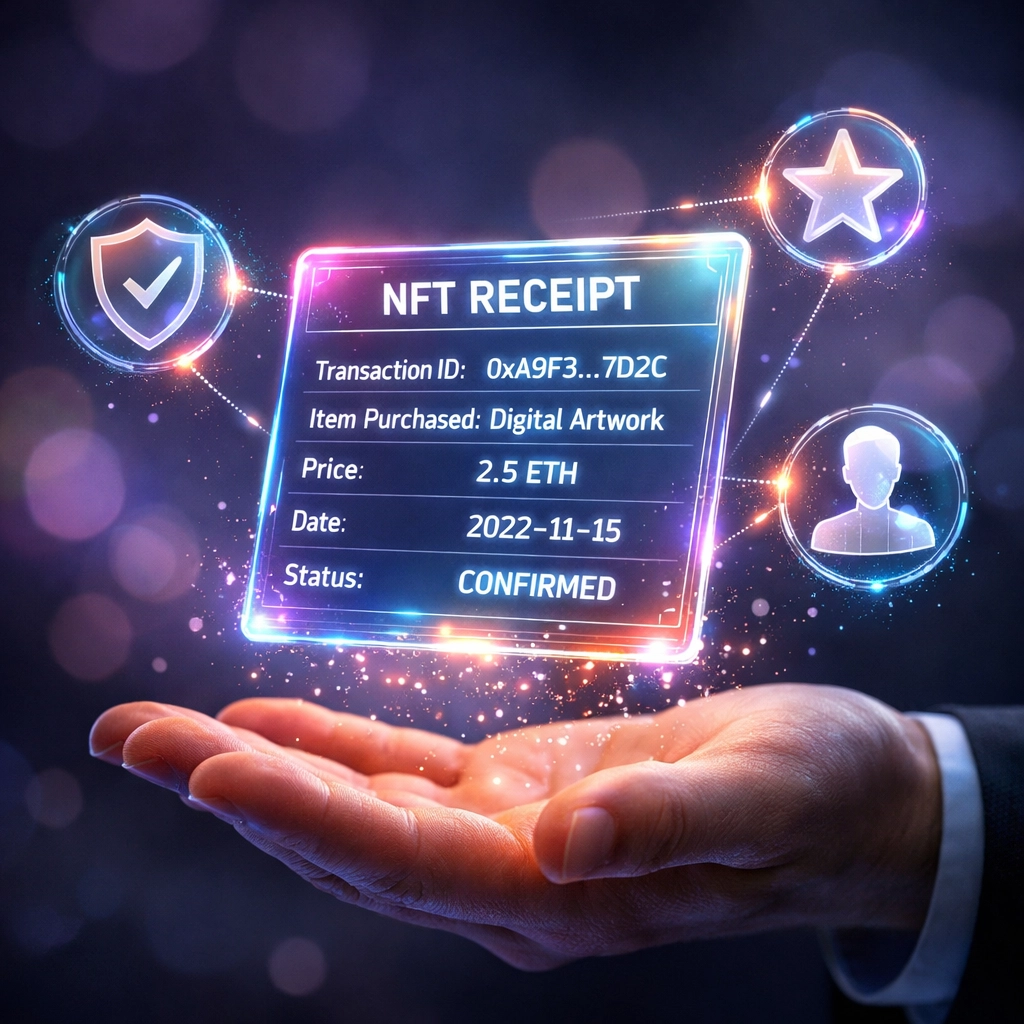
Every Larecoin transaction generates an NFT receipt.
This isn't a gimmick. It's a functional upgrade to how businesses track and verify transactions.
What NFT Receipts Do:
Immutable proof of purchase: No more disputes about whether a transaction happened
Enhanced customer data: Tie purchases to customer wallets without invasive tracking
Loyalty program integration: Automatically reward customers based on NFT ownership
Warranty tracking: Link product warranties directly to blockchain-verified purchases
Resale royalties: Set automated royalties for secondary market transactions
Think of it as a receipt that works for you instead of sitting in a drawer or spam folder.
LUSD: The Stablecoin That Makes Crypto Payments Actually Stable
Price volatility kills merchant adoption. Nobody wants to accept payment in a token that drops 10% before they can convert it.
Enter LUSD, Larecoin's stablecoin.
Pegged 1:1 to USD. Fully backed. Operating on the same LareBlocks infrastructure that powers LARE transactions.
LUSD Benefits:
No conversion lag: Accept crypto without the volatility risk
Instant settlements: Same blockchain, zero friction
International payments: Send $10,000 to a supplier in Tokyo for pennies in fees
Treasury management: Hold crypto reserves without market exposure
Merchants can accept LARE for transaction speed and switch to LUSD for stable value storage. Best of both worlds.

LareBlocks Layer 1: Self-Custody Meets Enterprise Security
Traditional payment processors hold your funds. They can freeze your account. They set the terms.
LareBlocks flips that model.
Self-Custody = Full Control
Your business holds the keys. Your funds. Your rules. No intermediary can lock you out or dictate how you operate.
Enterprise-Grade Security
Decentralized validation: No single point of failure
Cryptographic verification: Every transaction mathematically proven
24/7 network uptime: No downtime, no maintenance windows
Transparent auditing: Every transaction visible on-chain
You get bank-level security without the bank deciding your fate.
AI-Powered Metaverse Shopping: The Next Frontier
Larecoin isn't just for online checkouts and point-of-sale terminals.
The ecosystem includes AI-powered metaverse commerce. Virtual stores. Digital product displays. NFT-based inventory management.
Real Use Cases:
Virtual showrooms: Let customers browse 3D product models before buying
AI shopping assistants: Automated customer service powered by smart contracts
Cross-platform inventory: Sync physical and digital storefronts seamlessly
Gamified loyalty programs: Turn repeat purchases into collectible achievements
This isn't science fiction. Merchants are already testing metaverse storefronts in the Larecoin ecosystem.
How Larecoin Stacks Up: NOWPayments vs. CoinPayments
Let's compare.
NOWPayments:
Supports 200+ cryptocurrencies
Charges 0.5% + network fees
Limited stablecoin integration
No native Layer 1 blockchain
Basic receipt systems
CoinPayments:
Supports 2,000+ coins (overkill for most merchants)
Charges 0.5% per transaction
No NFT receipt functionality
No metaverse integration
Hosted wallet solutions only
Larecoin:
Purpose-built Layer 1 blockchain (LareBlocks)
Near-zero transaction fees
LUSD stablecoin included
NFT receipts as standard
AI-powered metaverse storefronts
Full self-custody options
CLARITY Act commodity classification
The difference? Larecoin is an ecosystem, not just a payment gateway.
What This Means for Fund Managers (Yeah, I'm Talking to You)
As a fund manager, I look at Larecoin through two lenses: utility and regulatory clarity.
The CLARITY Act gives us the second. The ecosystem delivers the first.
Digital commodities with proven merchant adoption aren't speculation plays. They're infrastructure investments. The kind that compound as more businesses realize they're paying 3x what they should for payment processing.
Key Investment Thesis Points:
Regulatory tailwinds from commodity classification
Real merchant savings creating organic adoption
Technical moat via LareBlocks Layer 1
Multiple revenue streams (LARE, LUSD, NFT receipts, metaverse commerce)
Competitive positioning against established players
This isn't about betting on price pumps. It's about recognizing that Web3 payments are solving real-world problems while legacy processors bleed market share.
The Action Plan
For Merchants:
Calculate your current payment processing costs
Compare against Larecoin's fee structure
Test LUSD for vendor payments or international transactions
Explore NFT receipt integration for loyalty programs
For Investors:
Research the CLARITY Act's full implications
Evaluate Larecoin's commodity classification advantage
Monitor merchant adoption metrics
Consider portfolio allocation to digital commodity infrastructure
For Everyone:
Stop paying 3% when you can pay 0.3%. The CLARITY Act just made that legal, clear, and straightforward.
The smart money isn't waiting for permission anymore. It's moving to commodities with real utility.
Larecoin checks both boxes.
Ready to cut your payment processing costs in half? Explore how merchants are reducing interchange fees with Larecoin's Web3 infrastructure.
Comments