

.png)
Why the CLARITY Act Will Change the Way You Accept Crypto Payments (Larecoin's Commodity Edge Explained)
- [[[Free!!]<<<<]] Watch: 스포르팅 - 토트넘 Live Stream 13 September 2022
- 2 hours ago
- 6 min read
![Writer: [[[Free!!]<<<<]] Watch: 스포르팅 - 토트넘 Live Stream 13 September 2022](https://lh3.googleusercontent.com/a/AItbvmktwQc0wCdd3ZEETSYItRQubwwBzOyjD_dcigRf=s96-c)
The crypto payments landscape is about to shift hard.
H.R. 3633: the CLARITY Act: is moving through Congress right now. And if you're running an online business, accepting payments, or thinking about diving into Web3, this legislation changes everything.
Here's why Larecoin's commodity classification gives you an edge that competitors like NOWPayments and CoinPayments can't match.
What the CLARITY Act Actually Does
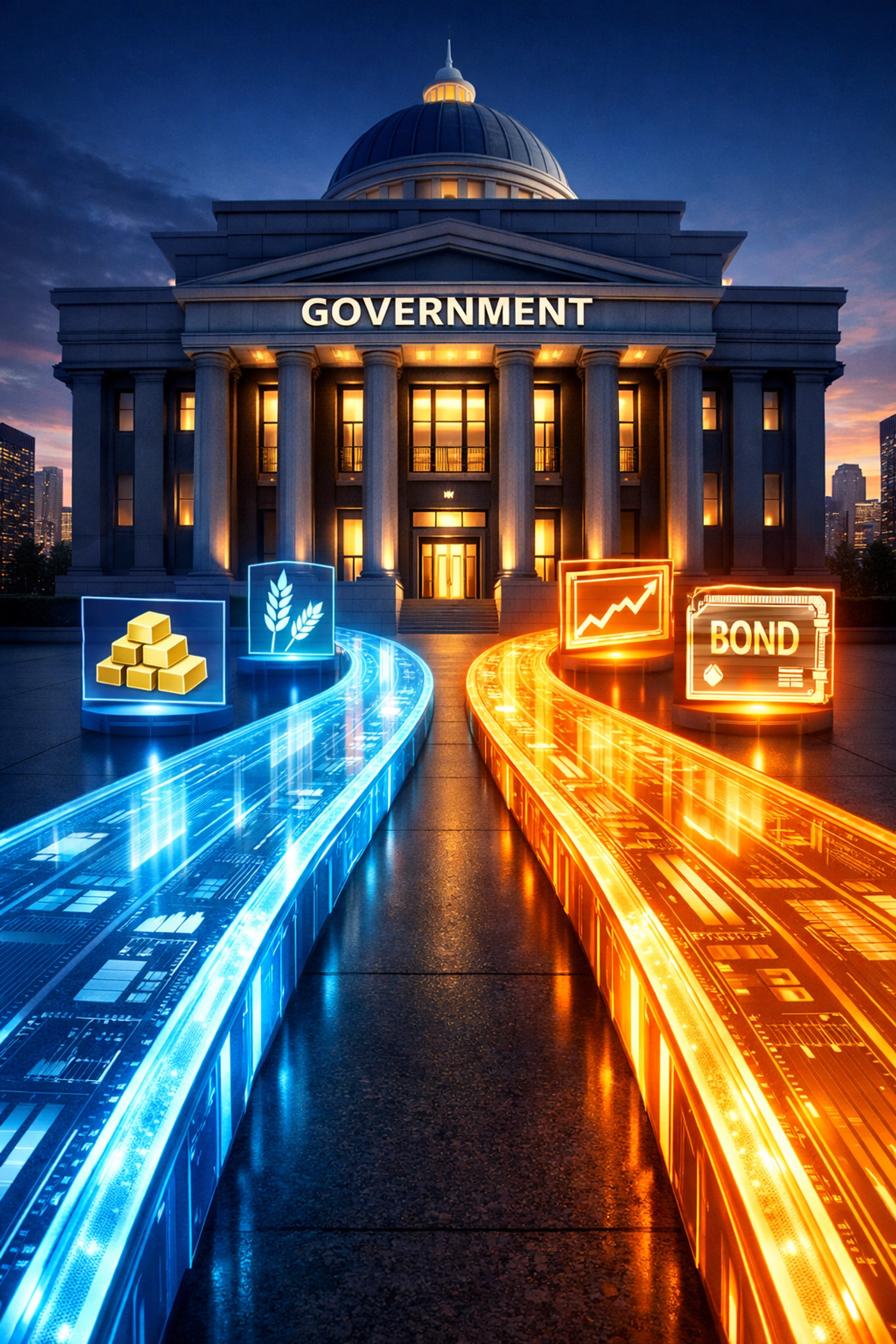
The CLARITY Act splits crypto regulation into two clear lanes.
CFTC gets digital commodities. Exclusive jurisdiction. Full stop.
SEC keeps digital securities. The traditional investment stuff.
This ends 13 years of regulatory chaos. Since Bitcoin launched in 2009, businesses accepting crypto have operated in a gray zone. One day you're compliant. Next day the SEC sends a Wells Notice.
That uncertainty? Gone.
The Act establishes safe harbors for DeFi developers and validators. Clear functional requirements for exchanges. Defined rules for brokers and trading platforms.
For merchants accepting crypto payments, this means one thing: predictable compliance.
Larecoin's Commodity Classification Edge
Larecoin operates as a digital commodity on LareBlocks Layer 1.
Under CFTC jurisdiction, we get three massive advantages:
1. Lighter Regulatory Touch
The CFTC has historically taken a principles-based approach to commodity markets. Less prescriptive. More room for innovation.
Compare that to SEC oversight of securities. Registration requirements. Quarterly filings. Accredited investor limitations.
Larecoin avoids all that.
2. Spot Market Clarity
The CLARITY Act gives the CFTC "exclusive jurisdiction" over digital commodity spot markets. That's the market you actually use when accepting payments.
No more wondering if your payment processor needs to register as a securities exchange. No surprise enforcement actions three years after you launch.
3. Stablecoin Integration
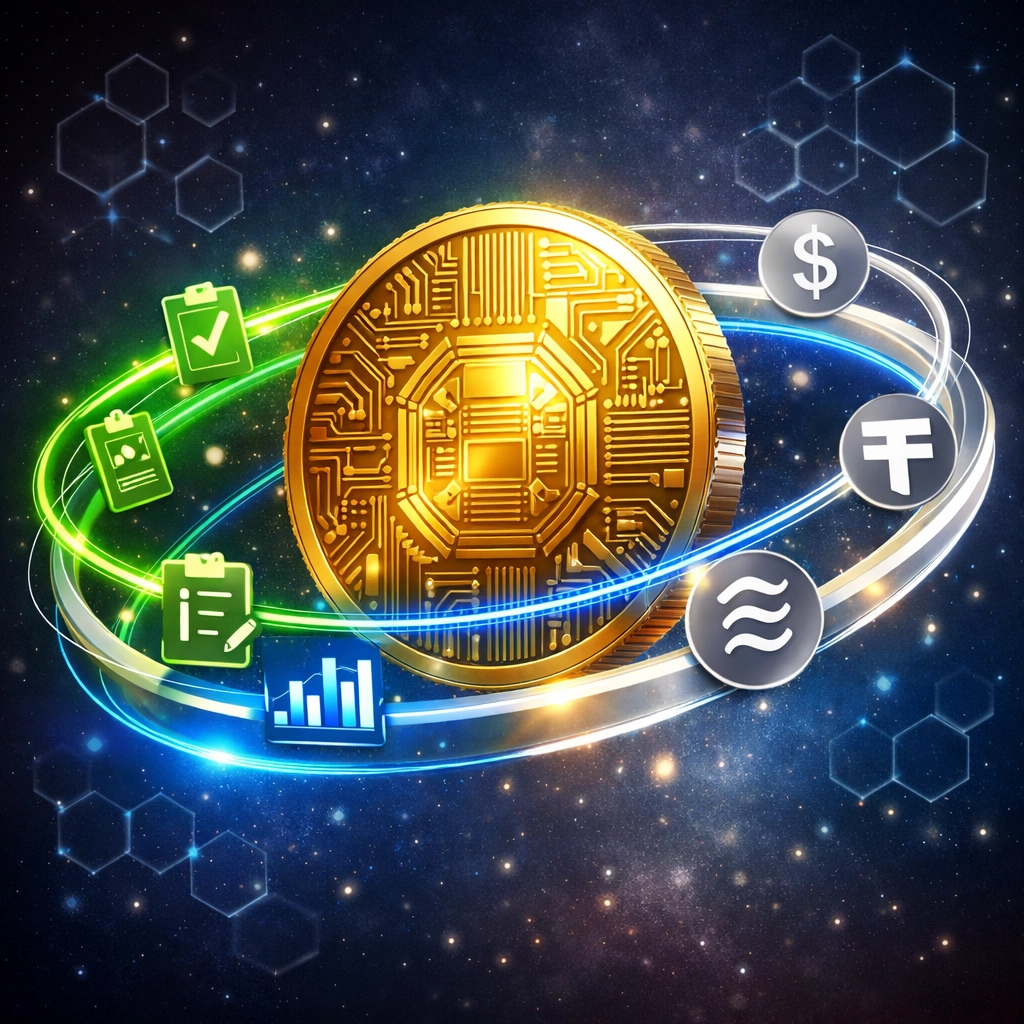
The Act is still debating stablecoin rewards. But commodity-classified tokens like Larecoin can integrate LUSD: our native stablecoin: without triggering securities regulations.
LUSD operates as a payment rail. Pegged to the dollar. Backed by verifiable reserves on LareBlocks.
When you accept Larecoin payments, you can instantly convert to LUSD. Hold stable value. Transfer to your business account or crypto card.
NOWPayments and CoinPayments? They're payment aggregators routing through multiple chains. No native stablecoin. No commodity clarity.
How This Changes Merchant Crypto Payments
The CLARITY Act doesn't just clean up regulations. It fundamentally shifts how businesses think about accepting crypto.
Fee Structure Advantage
Traditional payment processors charge 2.9% + $0.30 per transaction. Credit card networks take their cut. Banks take theirs. Everyone's got their hand out.
Larecoin payments cost 50% less than legacy systems.
Why? No intermediaries. LareBlocks Layer 1 processes transactions peer-to-peer. Gas fees only. No interchange. No merchant service fees.
With commodity classification locked in, those savings are protected. No regulatory risk of sudden compliance costs eating your margins.
Real-Time Settlement
CFTC-regulated commodity markets operate 24/7. No banking hours. No settlement delays.
Accept a Larecoin payment at 2 AM on Sunday? Settled instantly. Converted to LUSD in seconds. Pushed to your crypto card before you finish your coffee.
Traditional processors settle T+2. Some take T+5 for international transactions.
That's capital locked up. Cash flow strangled. Growth delayed.
NFT Receipts: The Compliance Breakthrough Nobody's Talking About
Here's where Larecoin's commodity status creates something genuinely new.
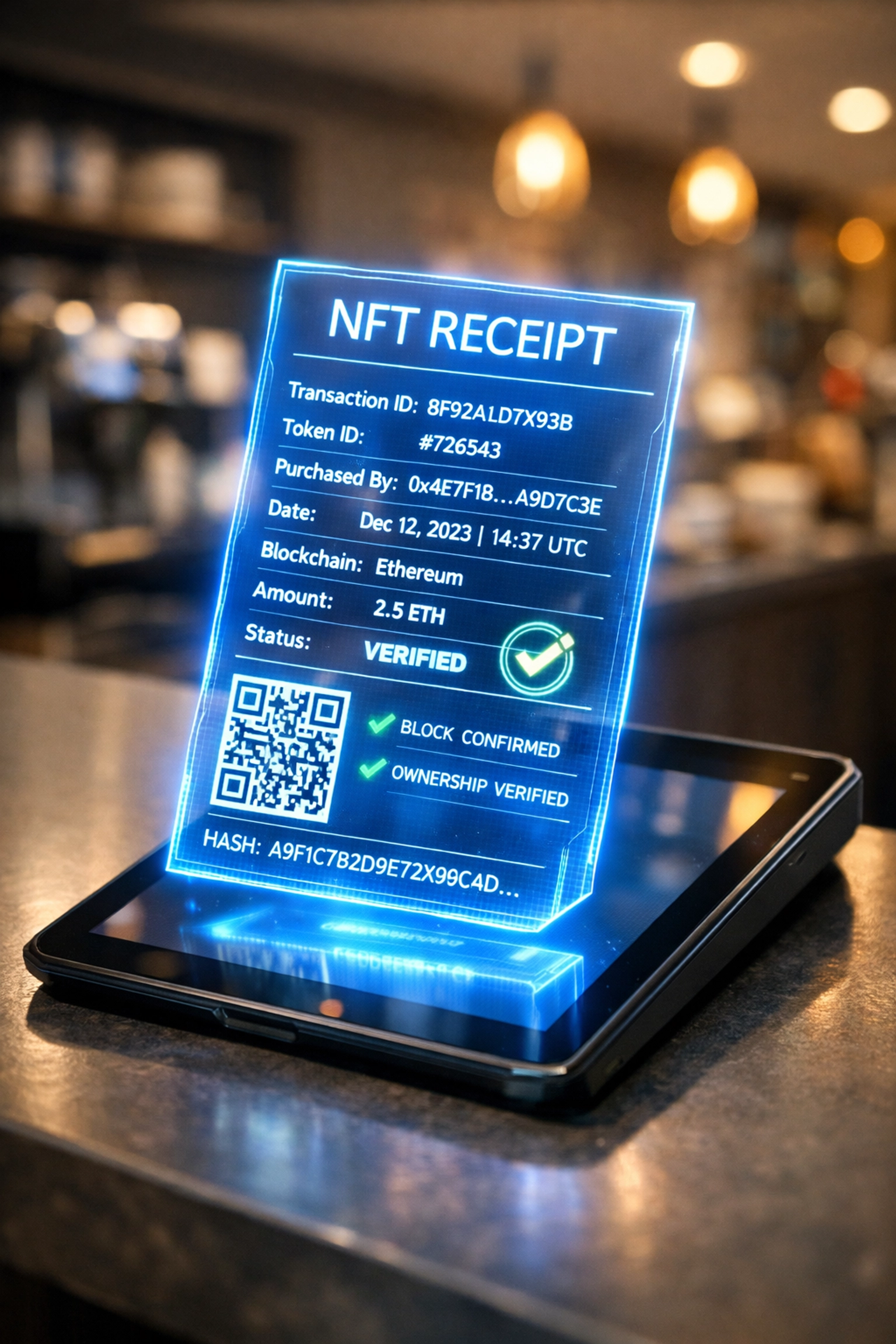
Every transaction generates an NFT receipt on LareBlocks.
Immutable proof of purchase. Timestamp. Amount. Parties involved. Settlement confirmation.
For merchants, this solves three problems:
1. Chargebacks
Can't dispute an on-chain receipt. The blockchain doesn't care about customer complaints. Transaction happened or it didn't.
This alone saves businesses thousands in chargeback fees and fraud losses.
2. Tax Compliance
Every NFT receipt includes metadata for accounting. Cost basis. Transaction date. Fair market value at time of purchase.
Download a CSV of your year's transactions. Hand it to your accountant. Done.
3. Refund Automation
Smart contracts on LareBlocks can automatically process refunds based on NFT receipt verification. Customer returns an item? The contract checks the NFT. Confirms purchase. Releases refund in LUSD.
Zero manual processing. Zero payment processor fees on the return.
NOWPayments gives you basic transaction data. CoinPayments emails a receipt. Neither offers blockchain-native proof with built-in compliance features.
That's the commodity classification advantage. CFTC oversight means we can innovate on payment infrastructure without SEC breathing down our necks about securities offerings.
Self-Custody Security Under Commodity Rules
The CLARITY Act protects your right to self-custody.
This matters more than most merchants realize.
When you accept payments through NOWPayments or CoinPayments, funds hit their custodial wallets first. They hold your crypto. You trust them to release it.
Exchange hacks? You're exposed. Company bankruptcy? You're an unsecured creditor. Regulatory seizure? Your funds are frozen.
Larecoin payments settle directly to your wallet.
Your keys. Your crypto. Your control.
LareBlocks Layer 1 supports hardware wallet integration. Multisig security. Air-gapped cold storage.
And under CFTC commodity rules, your self-custody rights are explicit. The Act establishes that holding digital commodities is like holding gold or wheat futures. It's property. It's yours.
The SEC's approach to securities custody? Completely different. Regulated custodians only. Know Your Customer. Transaction monitoring. Seizure authority.
Commodity classification means you control your treasury.
The AI Shopping Integration Play
Larecoin's CLARITY Act advantage extends into the metaverse and AI-powered commerce.
Our ecosystem includes AI shopping agents that help customers discover products, compare prices, and complete purchases across virtual and physical stores.
These agents operate on LareBlocks Layer 1. They handle Larecoin and LUSD payments. They generate NFT receipts for every transaction.
Under commodity rules, this isn't a regulated financial service. It's commerce. It's innovation. It's borderless.
An AI agent helping someone buy digital fashion in the metaverse? Commodity transaction.
The same agent helping them buy a physical hoodie shipped to their apartment? Still a commodity transaction.
No money transmitter licenses for every jurisdiction. No payment processor registration. No securities filing because your AI agent facilitated a purchase.
This is the regulatory moat that competitors can't cross.
NOWPayments and CoinPayments are payment processors. They plug into existing e-commerce. They don't innovate on the transaction layer.
Larecoin is infrastructure. LareBlocks Layer 1 is a decentralized commerce protocol. LUSD is a payment-native stablecoin. NFT receipts are compliance built into the blockchain.
And all of it benefits from commodity classification that gives us room to build.
What Merchants Should Do Right Now
The CLARITY Act hasn't passed yet. Senate Banking Committee delayed markup in January. No new date announced.
But the direction is clear. Regulatory clarity is coming. Commodity classification will be defined. And businesses accepting crypto payments need to position now.
Three immediate actions:
1. Set Up Larecoin Payment Integration
Visit larecoin.com and explore merchant tools. API integration takes an afternoon. Plugins for major e-commerce platforms available.
Start accepting Larecoin alongside traditional payments. Test the 50% fee savings. Experience instant settlement.
2. Open a LUSD Account
Convert crypto volatility into stable value. Hold LUSD as your business treasury. Pay suppliers in stablecoins. Reduce FX exposure on international transactions.
The stablecoin infrastructure you build today becomes a competitive advantage when commodity regulations lock in.
3. Implement NFT Receipt Tracking
Enable blockchain receipts for all crypto transactions. Build the compliance trail now. When tax season hits or an audit comes, you'll have immutable records.
This isn't optional. It's the future of financial reporting for digital commerce.

The Competitive Landscape After CLARITY
Once the CLARITY Act passes, the crypto payment market splits into tiers.
Tier 1: Commodity-based payment infrastructure (Larecoin, LareBlocks, LUSD)
CFTC oversight
Self-custody enabled
Native blockchain innovation
Safe harbor protections
Tier 2: Payment aggregators (NOWPayments, CoinPayments)
Multi-chain routing
Custodial models
Limited innovation capacity
Regulatory uncertainty on mixed security/commodity transactions
Tier 3: Security-token payment systems
SEC registration required
Accredited investor limitations
Heavy compliance burden
Restricted to investment-focused use cases
Merchants choosing platforms today are choosing regulatory frameworks for the next decade.
Larecoin's commodity classification isn't just a technical detail. It's a strategic position that enables faster innovation, lower costs, and greater merchant control.
The Bottom Line
The CLARITY Act creates regulatory certainty for digital commodity payments.
Larecoin operates on LareBlocks Layer 1 as a commodity. CFTC jurisdiction. Safe harbor protections. Self-custody rights.
This enables:
50% lower transaction fees
Instant settlement with LUSD stablecoin conversion
NFT receipts for automatic compliance
AI-powered commerce without securities regulations
Full merchant control over funds
Competitors like NOWPayments and CoinPayments aggregate payments across multiple chains. They're middlemen. Custodians. Fee collectors.
Larecoin is infrastructure. Direct. Decentralized. Commodity-classified.
When the CLARITY Act passes, that difference becomes permanent.
The window to position your business is now. The tools are live. The ecosystem is growing.
Accept crypto payments the smart way. Choose commodity clarity.
Explore merchant solutions at larecoin.com and join the community building the future of Web3 payments.
Comments