

.png)
7 Mistakes You're Making with Crypto Payment Processors (And Why Self-Custody Merchant Accounts Win)
- [[[Free!!]<<<<]] Watch: 스포르팅 - 토트넘 Live Stream 13 September 2022
- Feb 13
- 4 min read
![Writer: [[[Free!!]<<<<]] Watch: 스포르팅 - 토트넘 Live Stream 13 September 2022](https://lh3.googleusercontent.com/a/AItbvmktwQc0wCdd3ZEETSYItRQubwwBzOyjD_dcigRf=s96-c)
You're bleeding money. And you don't even know it.
Most merchants jump into crypto payments thinking they're cutting costs. Wrong. Traditional crypto processors replicate the same extraction model as credit card companies: just with blockchain buzzwords slapped on top.
Let's break down exactly where you're losing and why self-custody merchant accounts like Larecoin are dominating in 2026.
Mistake #1: Paying Custody Fees to Middlemen
You're paying someone to hold YOUR money.
NOWPayments charges 0.5% per transaction. CoinPayments hits you with 0.5% plus network fees. These fees compound fast at volume.
Think about that. The entire point of blockchain is removing intermediaries. Yet here you are, paying one to babysit your crypto before releasing it to you.
The Larecoin difference: Self-custody means gas-only transfers. No middleman extraction. Your funds hit your wallet directly. No holding period. No custody fees. No nonsense.

Mistake #2: Surrendering Control of Your Private Keys
When they hold the keys, they control the kingdom.
Traditional processors require you to trust their security infrastructure. Your funds sit in their hot wallets. Their cold storage. Their risk profile becomes your risk profile.
Exchange hacks. Regulatory freezes. Bankruptcy proceedings. All of these can lock up YOUR merchant funds indefinitely.
The Larecoin solution: You control your private keys. Full stop. Your wallet. Your security choices. Your risk management. This isn't just philosophy: it's practical business continuity in 2026.
Mistake #3: Waiting Hours (or Days) for Settlement
Cash flow is oxygen for business.
Legacy crypto processors batch settlements. Some take hours. Others process daily. Meanwhile, your money sits frozen while you're trying to restock inventory or pay suppliers.
Credit cards taught us to accept T+2 settlement. Crypto processors somehow convinced merchants this is acceptable for blockchain transactions. It's not.
The Larecoin advantage: Near-instant settlement. The blockchain confirms. You receive. That's it. No artificial delays. No batching. No waiting for someone's internal accounting system to catch up.
Mistake #4: Overpaying on Processing Fees
You left Visa's 2.9% + $0.30 for... 2.5% crypto fees?
Most crypto processors advertise lower rates than credit cards. Then the fine print hits. Transaction fees. Network fees. Conversion fees. Withdrawal fees.
CoinPayments charges 0.5% base rate: but network fees add another 1-2%. NOWPayments offers similar structures. You're saving maybe 0.5% compared to traditional rails while accepting volatility risk.
That's not disruption. That's repackaging.
The Larecoin model: Gas-only transfer architecture means you only pay actual network costs. No markup. No hidden extraction. No "processing fees" that mysteriously multiply.
Check out our detailed fee comparison guide for exact savings calculations.
Mistake #5: Accepting Fiat Conversion by Default
Volatility protection comes at a cost.
Most processors auto-convert crypto to fiat "for your convenience." This triggers multiple conversions, spreads, and fees. Plus you miss any upside appreciation.
You're essentially paying for the processor's risk management while giving up potential gains. They hedge. You pay. They profit.
The Larecoin approach: Optional LUSD stablecoin settlement. Want stability? Use LUSD: a decentralized stablecoin without conversion fees. Want crypto exposure? Hold LARE. You choose. Not them.
Mistake #6: No Proof of Purchase or Customer Engagement
Your receipt is a transaction hash.
Traditional crypto processors give you what they gave you in 2016: a boring confirmation number. No branding. No loyalty integration. No customer relationship building.
Meanwhile, your competitors are building ecosystems. They're creating reasons for customers to return beyond product quality.
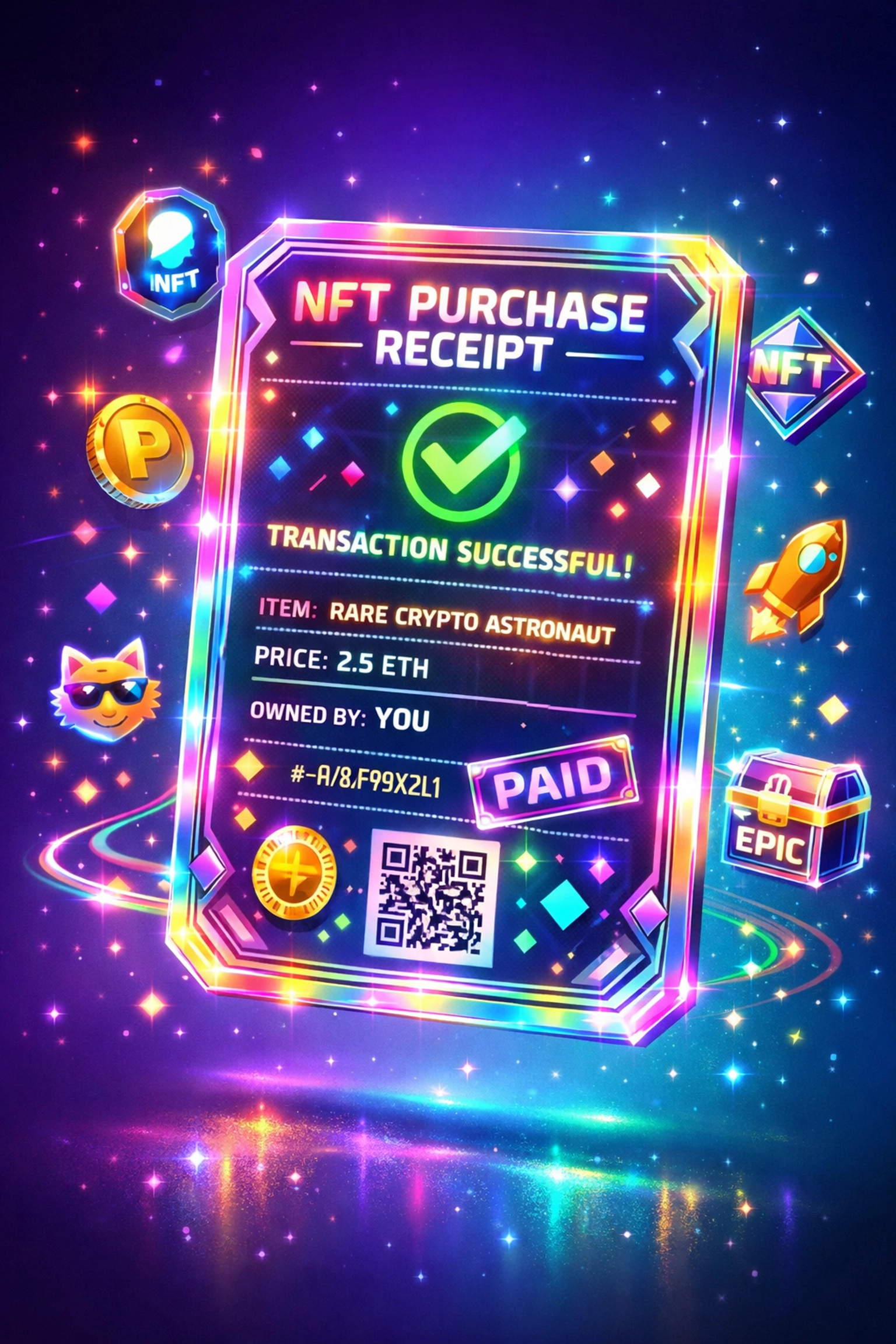
The Larecoin innovation: NFT receipts. Every transaction mints a tokenized proof of purchase. Collectible. Tradeable. Programmable.
Imagine rewarding customers with commemorative NFTs for milestone purchases. Or creating limited-edition receipt NFTs that unlock exclusive access. That's not just payment processing: that's metaverse-ready commerce.
Mistake #7: Ignoring Compliance Until It's Too Late
Regulation isn't optional anymore.
2026 isn't 2018. The SEC, FinCEN, and state regulators have clear crypto guidance. Operating without proper licensing is business suicide.
Most crypto processors exist in regulatory gray zones. They operate until they can't. Remember when multiple exchanges suddenly stopped serving U.S. customers? Merchants were collateral damage.
The Larecoin compliance strategy: Full MSB registration with FinCEN. Active state MTL (Money Transmitter License) compliance roadmap. We're building for long-term U.S. market participation: not operating until enforcement action.
This means you can accept crypto payments without wondering if your processor will suddenly shut down. Regulatory certainty has value.

Why Self-Custody Merchant Accounts Win
Control. Speed. Savings. Compliance.
Self-custody isn't just ideological purity. It's superior merchant economics in 2026.
When you eliminate custody intermediaries, you eliminate:
Custody fees (0.5-3% savings)
Settlement delays (hours to days improvement)
Counterparty risk (exchange hacks don't affect you)
Artificial withdrawal limits (access your money when YOU want)
Larecoin's self-custody merchant model delivers all this while adding NFT receipts and LUSD stability options. You're not choosing between features and control. You get both.
The Larecoin Ecosystem Advantage
Beyond payments, you access the full Larecoin ecosystem:
Smart wallet infrastructure. Manage multiple tokens without multiple platforms.
Decentralized exchange integration. Swap received crypto without leaving the ecosystem.
DAO governance. Merchants vote on protocol upgrades and fee structures.
Liquidity pools. Earn yield on held tokens instead of letting them sit idle.
This isn't just payment processing. It's financial infrastructure ownership.

Getting Started with Self-Custody Merchant Accounts
Traditional crypto processors trained merchants to accept intermediated payments.
That era is ending.
Self-custody merchant accounts represent the next evolution. Lower costs. Faster settlement. Better customer engagement. Regulatory compliance.
Larecoin delivers all of this with gas-only transfers, NFT receipts, LUSD stability, and full U.S. regulatory compliance.
Stop paying middlemen to hold your money. Start controlling your merchant payments infrastructure.
Visit Larecoin.com to set up your self-custody merchant account today.
The 7 mistakes? You just learned how to avoid all of them.
Comments