

.png)
Are Physical Stores Dead? Why Smart Merchants Are Building VR/AR Shopping Experiences in Larecoin's B2B2C Metaverse
- [[[Free!!]<<<<]] Watch: 스포르팅 - 토트넘 Live Stream 13 September 2022
- 2 hours ago
- 5 min read
![Writer: [[[Free!!]<<<<]] Watch: 스포르팅 - 토트넘 Live Stream 13 September 2022](https://lh3.googleusercontent.com/a/AItbvmktwQc0wCdd3ZEETSYItRQubwwBzOyjD_dcigRf=s96-c)
Physical Stores Aren't Dead: They're Just Getting a Serious Upgrade
Plot twist. U.S. retail store closures hit a three-year low in 2026. Down 40% from 2023 numbers.
Walmart's opening more stores than they're closing. Target's doing the same. Aldi's planning 180+ new locations across 31 states.
The narrative that e-commerce killed physical retail? Dead wrong.
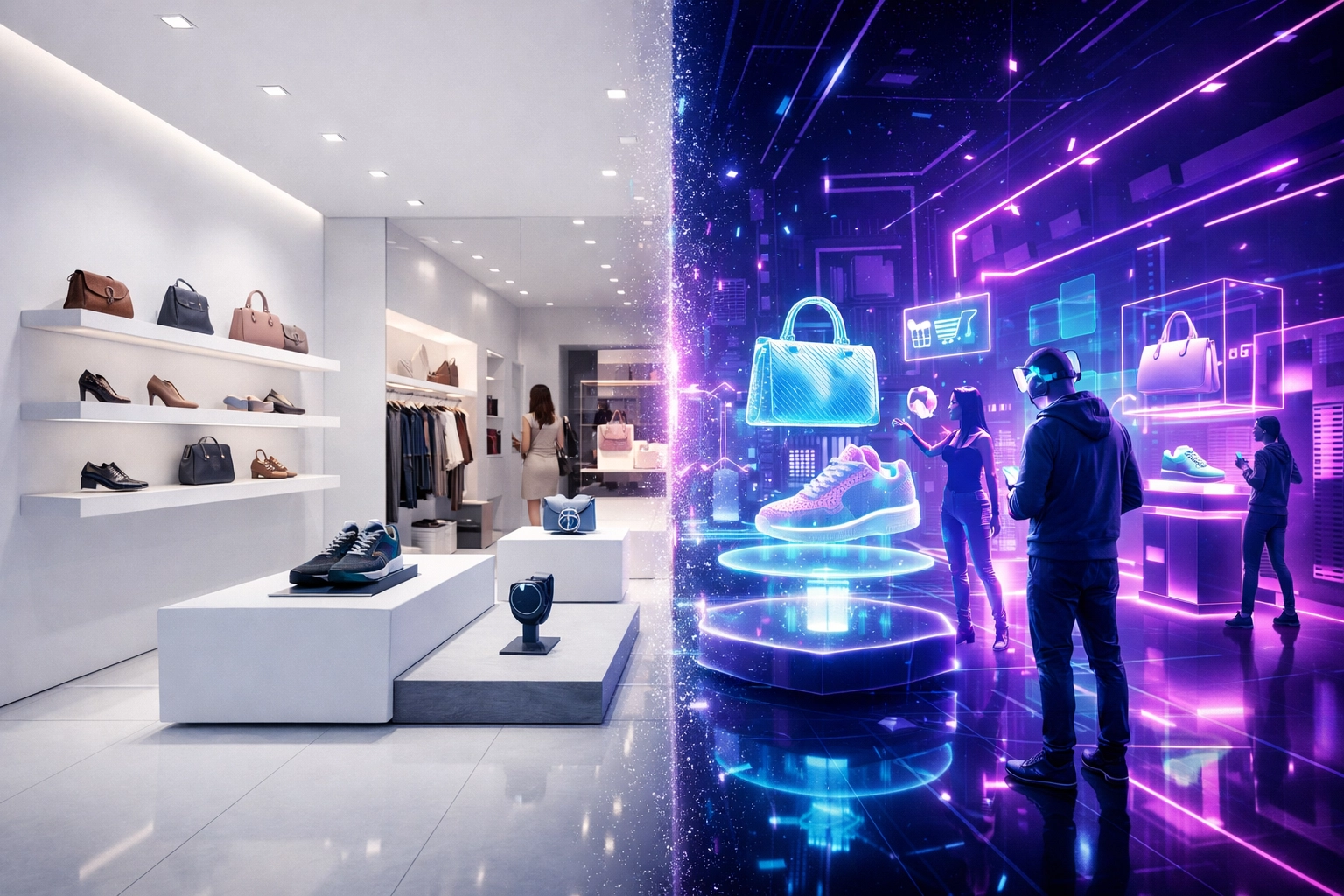
What's actually happening is smarter. Physical stores are evolving. And the smartest merchants aren't choosing between brick-and-mortar and digital: they're building hybrid experiences that blend both worlds.
Enter VR/AR shopping experiences powered by Web3 payments infrastructure.
The Real Problem Merchants Face Today
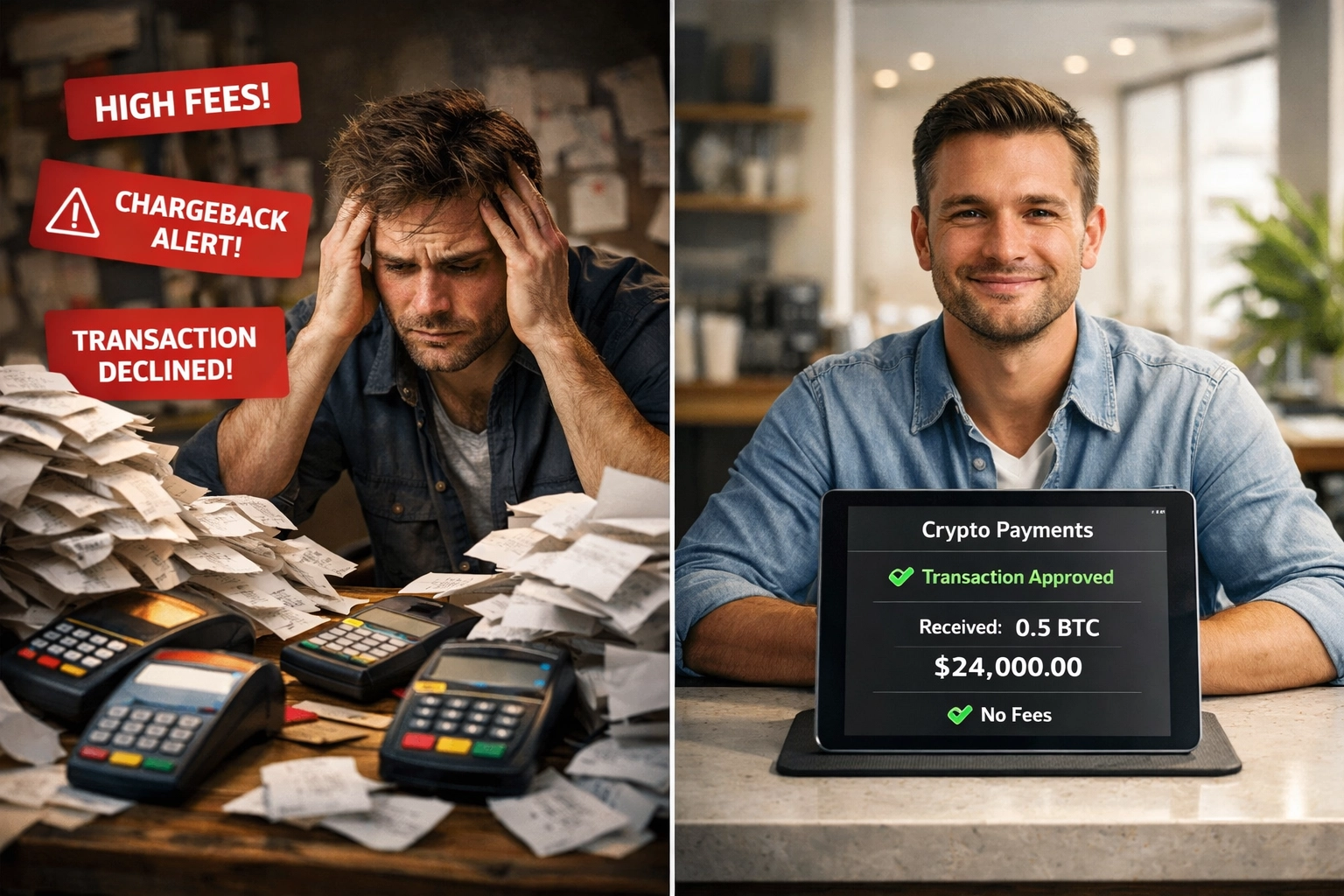
Traditional payment systems are bleeding merchants dry.
Interchange fees consuming 2-3% of every transaction. Settlement delays stretching 2-5 business days. Chargebacks costing merchants $190 billion annually. PCI compliance nightmares adding operational overhead.
Meanwhile, platforms like NOWPayments and CoinPayments offer crypto payment solutions: but they're stuck in Web2 thinking. Custodial wallets. No true merchant ownership. Limited integration capabilities. Zero innovation in the payment experience itself.
Triple-A offers better infrastructure than most. But still charges 1% flat fees plus network costs. Still requires merchants to trust a third party with funds. Still treats crypto payments like an afterthought bolted onto legacy systems.
None of them are building for what's next.
Why Smart Merchants Are Betting on Metaverse Commerce
The metaverse isn't some distant sci-fi fantasy. It's happening now.
Virtual showrooms let customers explore products from anywhere. AR try-ons reduce return rates by 64%. VR shopping experiences increase time-spent-shopping by 3x compared to traditional e-commerce.
But here's the catch: these immersive experiences need payment infrastructure that's equally advanced.
You can't build next-gen shopping experiences on legacy payment rails. The tech debt alone would sink the project.
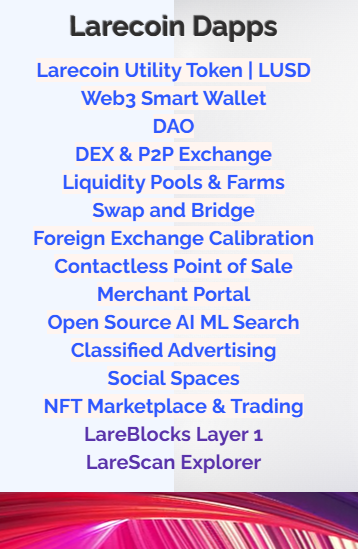
Larecoin's B2B2C metaverse solves this with native Web3 payment infrastructure designed specifically for virtual commerce environments.
The Technical Advantages That Actually Matter
NFT Receipts Change the Game
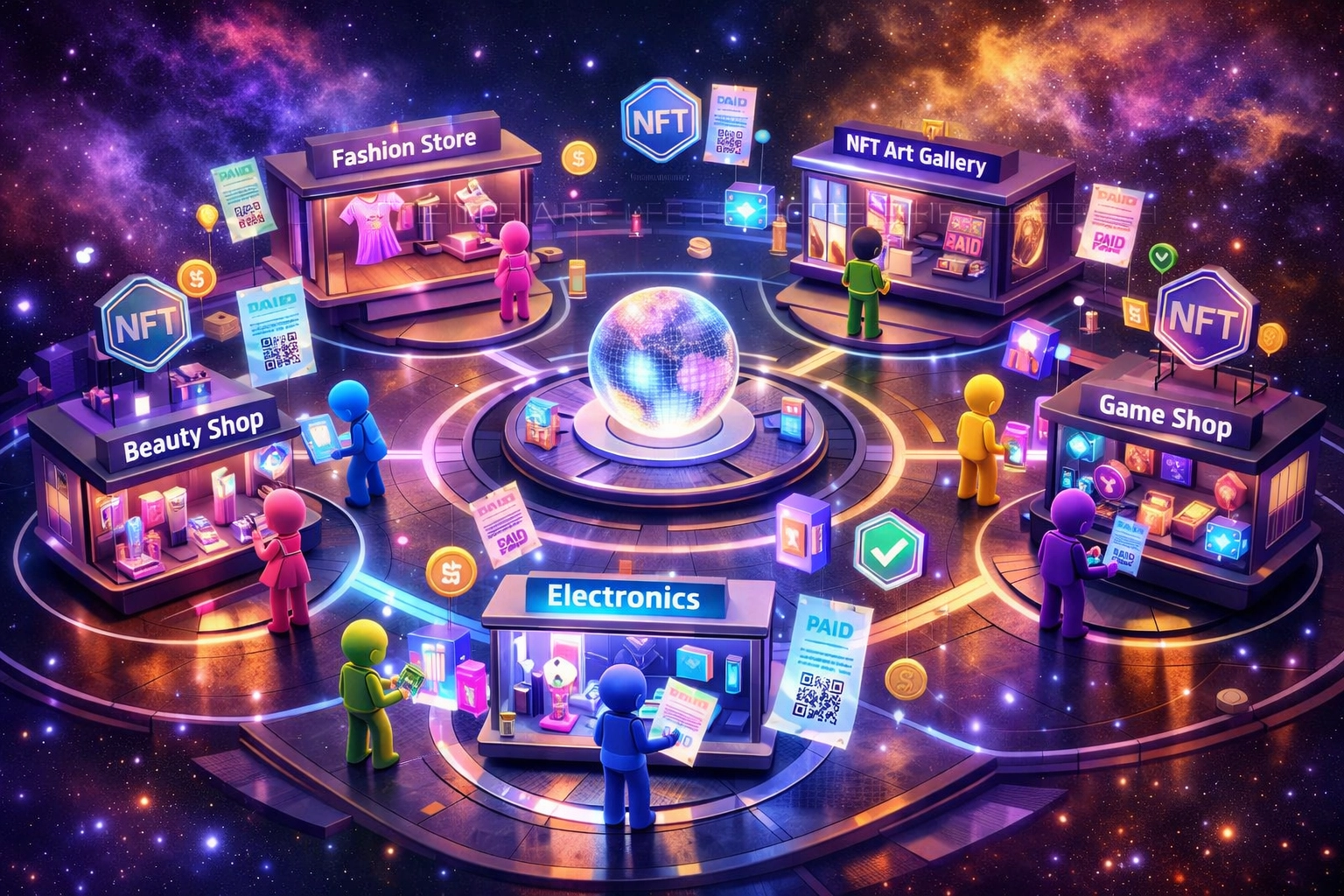
Every transaction generates an NFT receipt. Immutable proof of purchase. Built-in warranty verification. Resale authenticity guaranteed.
For VR/AR shopping, this means virtual items purchased in the metaverse carry verifiable ownership from day one. No disputes. No forgeries. No friction.
Traditional crypto payment processors? They issue standard transaction IDs. Boring. No additional value. No ecosystem benefits.
LUSD Stablecoin Eliminates Volatility Risk
Merchants accepting crypto face a brutal reality: price volatility can erase profit margins in minutes.
LUSD stablecoin integration lets merchants price products in stable value while still accepting crypto. Customers pay with their preferred token. Merchants receive stable value. Gas-only transfers keep costs microscopic.
NOWPayments and CoinPayments force merchants to either accept volatility risk or pay premium fees for instant conversion. That's not a solution: that's a compromise.
Self-Custody Means True Ownership
Master wallets with unlimited sub-wallets. Merchants control their own funds. Always.
No waiting for third-party payment processors to release funds. No arbitrary account freezes. No wondering if your payment partner will still exist next year.
This is critical for metaverse commerce where merchants might be managing hundreds of virtual storefronts, pop-up shops, or limited-edition drops simultaneously.
Fee Savings That Actually Impact Your Bottom Line
Reducing interchange fees by >50% isn't marketing hype. It's math.
Traditional payment processors take 2-3%. Add in chargeback fees, PCI compliance costs, and settlement delays: you're looking at 3-4% total cost of payment acceptance.
Larecoin's gas-only transfer model? Fraction of a percent. Sometimes less than 0.1% depending on network conditions.
For a merchant doing $1M annually, that's $30,000+ in annual savings. For a $10M merchant, that's $300,000 back in their pocket.
Compound that over a decade. That's retirement money. That's expansion capital. That's the difference between thriving and surviving.
QR-Generated POS Integration Makes Deployment Easy
Setting up crypto payments shouldn't require a blockchain developer on staff.
Larecoin's QR-generated POS system deploys in minutes. Scan. Configure. Accept payments.
Works in physical stores. Works in virtual showrooms. Works in AR shopping experiences overlaid on the real world.
The same payment infrastructure powers all three environments. One integration. Infinite possibilities.
Compare that to stitching together NOWPayments for online, a different solution for in-store, and hoping they eventually support metaverse commerce. That's technical debt accumulating from day one.
Social Shopping in the B2B2C Metaverse
Larecoin's B2B2C model creates something competitors can't match: a social commerce ecosystem.
Virtual storefronts where friends shop together. Live-streamed product launches with instant purchase capabilities. AR experiences where customers see products in their actual space before buying.
All powered by the same Web3 payment infrastructure. All with the same NFT receipts proving authenticity. All with the same fee structure saving merchants real money.
The B2B2C model means merchants connect directly with consumers while Larecoin provides the infrastructure. No platform taking a cut. No marketplace fees eating into margins.

Compliance Without Compromise
Here's where most crypto payment solutions fall apart: regulatory compliance.
Larecoin holds federal MSB registration. State-level MTL coverage across the U.S. That's not a footnote: that's the foundation.
For merchants building VR/AR shopping experiences, compliance matters even more. You're already pushing boundaries with technology. The last thing you need is regulatory uncertainty around payments.
Our trust page breaks down every license, every registration, every compliance measure. No hiding behind vague claims of "being compliant." Full transparency.
NOWPayments operates out of Estonia. CoinPayments is Canadian. Nothing wrong with either: but U.S. merchants need U.S.-compliant solutions. Period.
The 10-Year Vision Starts Now
Physical stores aren't dead. They're evolving into hybrid experiences that blend real-world retail with virtual commerce.
The merchants winning this transition aren't waiting for perfect technology. They're building with what's available now and positioning for what's next.
Larecoin's infrastructure is built for this marathon. Not a sprint to capture short-term crypto hype. A 10-year vision of what commerce looks like when Web3 payments are as normal as tapping your credit card.
Virtual showrooms launching limited-edition drops. AR fitting rooms eliminating returns. Social shopping experiences where communities gather, explore, and purchase together. All powered by payment infrastructure that actually works.
Fee savings funding better customer experiences. Self-custody giving merchants true ownership. NFT receipts creating verifiable digital-physical asset bridges.
This isn't theoretical. Merchants are building these experiences right now.
What Comes Next
The question isn't whether VR/AR shopping will become mainstream. It will.
The question is whether merchants will build these experiences on modern Web3 infrastructure: or duct-tape legacy payment systems onto cutting-edge technology and hope it holds.
Smart merchants are choosing infrastructure built for the future. Not retrofitted from the past.
Reducing costs by >50%. Deploying in minutes with QR-generated POS. Scaling from physical stores to virtual worlds with the same payment rails. Staying compliant with federal MSB registration and state MTL coverage.
That's not hype. That's infrastructure.
Learn more about Larecoin's merchant solutions and how we're building the payment layer for next-generation commerce.
Physical stores aren't dead. They're just getting started. And the payment infrastructure powering them is finally catching up to the vision.
Comments