

.png)
Are Traditional Merchant Accounts Dead? Why Self-Custody Web3 Payments Are the Future
- [[[Free!!]<<<<]] Watch: 스포르팅 - 토트넘 Live Stream 13 September 2022
- 2 hours ago
- 4 min read
![Writer: [[[Free!!]<<<<]] Watch: 스포르팅 - 토트넘 Live Stream 13 September 2022](https://lh3.googleusercontent.com/a/AItbvmktwQc0wCdd3ZEETSYItRQubwwBzOyjD_dcigRf=s96-c)
The Death Rattle of Traditional Merchant Accounts
Traditional merchant accounts aren't dead yet. But they're bleeding out.
Monthly Web3 payment flows topped $10 billion in early 2026. Business transactions represent 63% of that volume. That's not some niche crypto experiment anymore, that's real merchant adoption.
The question isn't if self-custody Web3 payments will replace traditional processors. It's when your competitors make the switch before you do.
What Self-Custody Actually Means for Merchants
Self-custody means you control your funds. Period.
No bank holding your money hostage. No payment processor freezing your account because an algorithm flagged your business. No waiting 2-7 business days for settlement.
Your wallet. Your keys. Your money.
Traditional merchant accounts put intermediaries between you and your revenue. Self-custody Web3 payments eliminate that entirely.

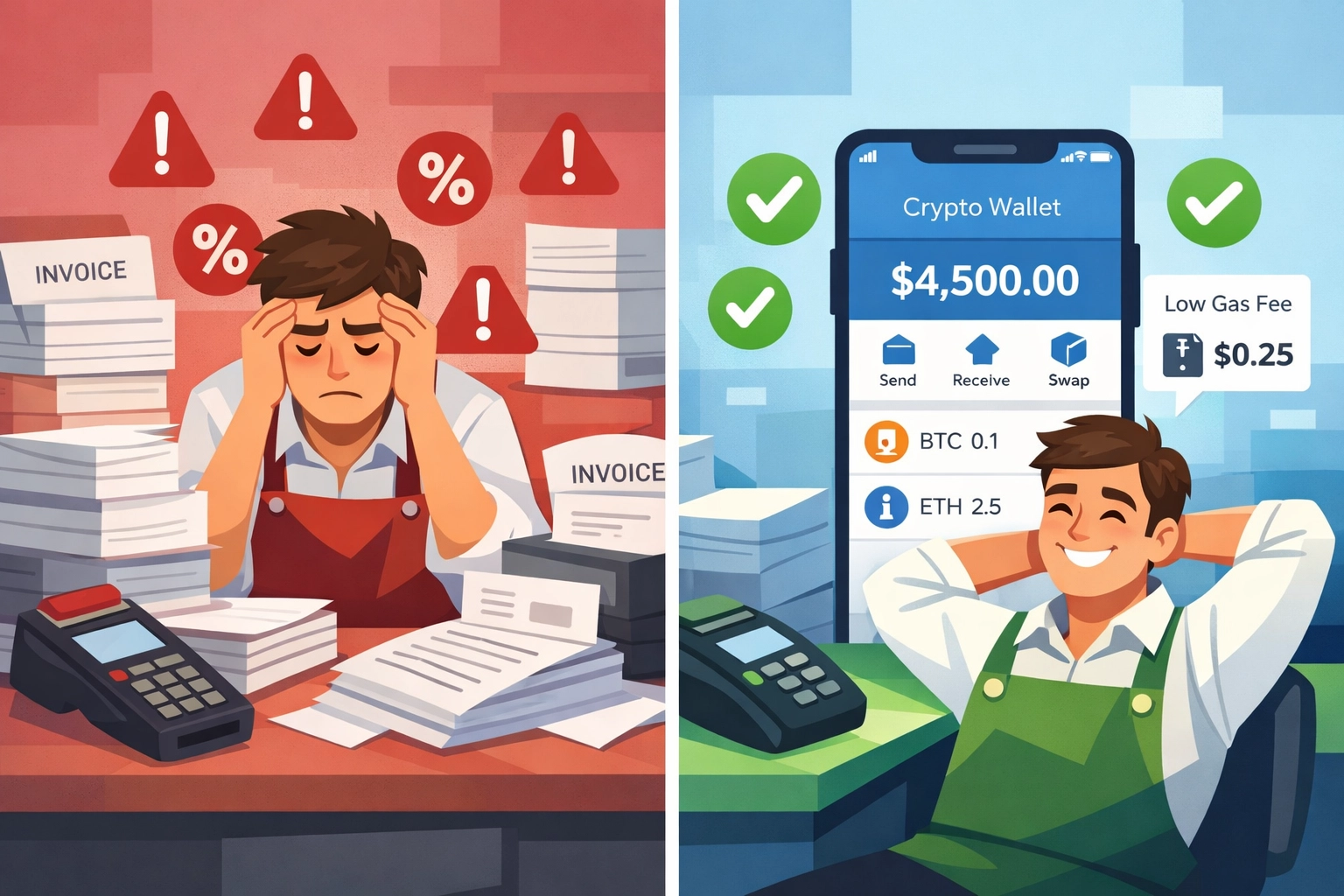
The Real Cost of "Free" Traditional Processing
Interchange fees are killing your margins. You know it. Your accountant knows it. Your competitors know it.
Standard credit card processing costs:
2.9% + $0.30 per transaction (if you're lucky)
3.5% for international cards
Chargeback fees ($25-$100 per incident)
Monthly gateway fees ($10-$30)
PCI compliance costs ($100-$500 annually)
A business processing $100,000 monthly pays $3,000+ in fees. That's $36,000 yearly just to accept payments.
Self-custody Web3 payment costs:
Gas fees only (typically $0.10-$2.00 per transaction)
No percentage-based fees
No chargebacks
No monthly subscriptions
No compliance overhead
Same $100,000 monthly volume? You're paying under $200 in total fees. That's a 94% cost reduction.
Why Larecoin Beats the Competition
NOWPayments and CoinPayments still charge percentage-based fees. They're just traditional processors wearing a crypto costume.
NOWPayments charges:
0.5% processing fee
Custodial model (they control your funds)
Limited stablecoin support
CoinPayments charges:
0.5% receiving fee
Custodial settlement
Slow payout processing
Larecoin delivers:
Gas-only fees (no percentages)
True self-custody from transaction to settlement
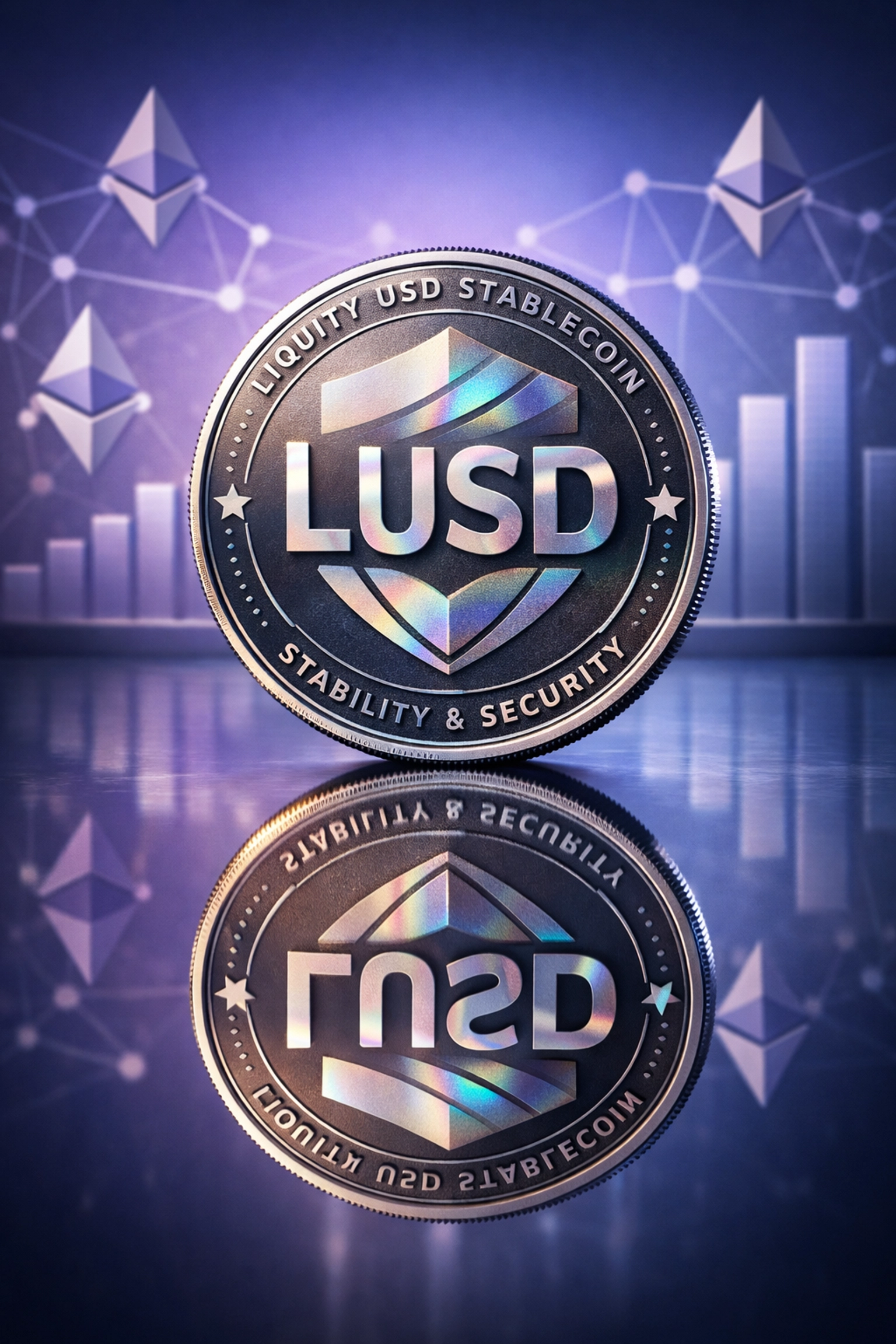
LUSD stablecoin integration
Instant settlement to your wallet
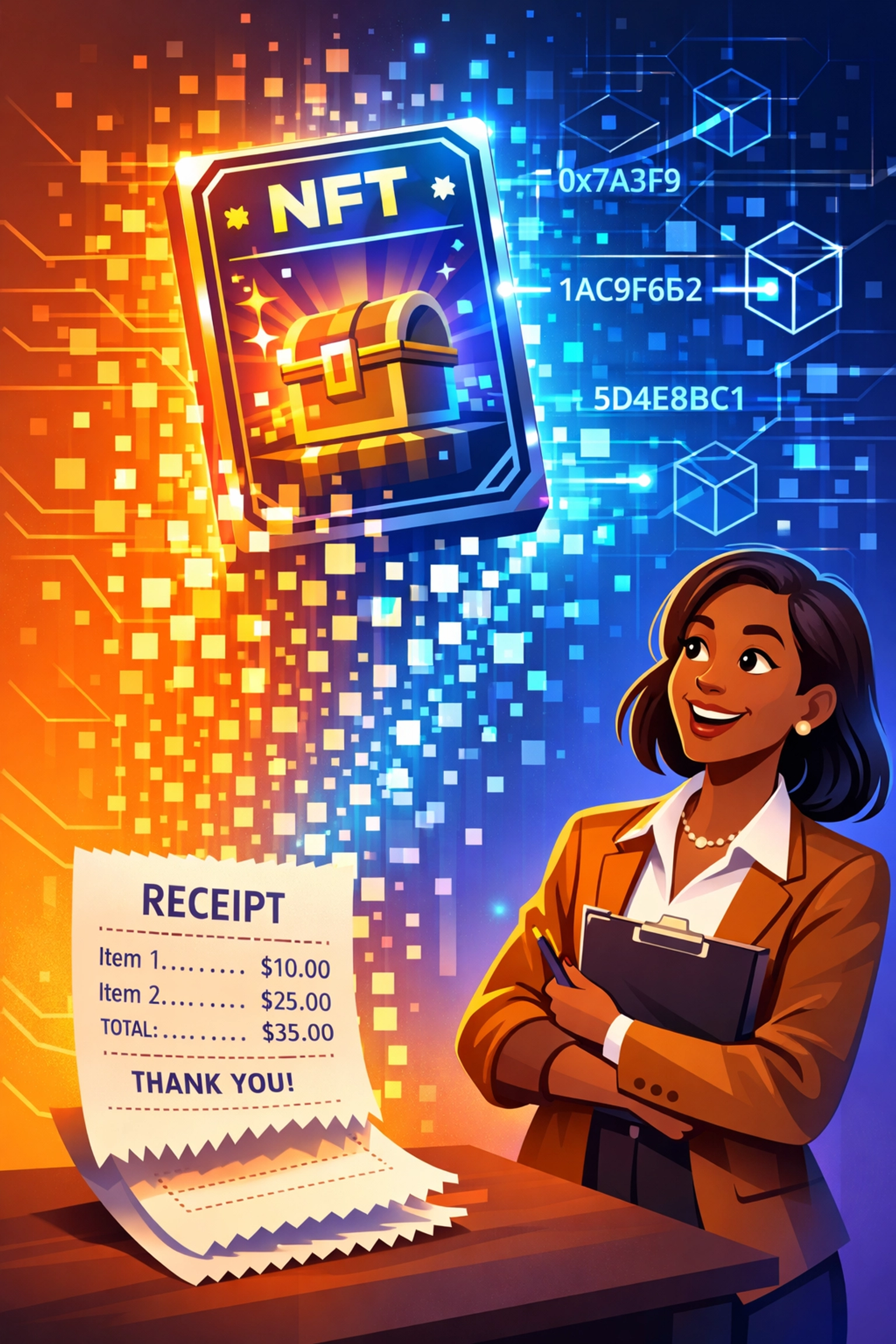
NFT receipt generation for tax compliance
LUSD: The Stablecoin That Actually Makes Sense
Most merchants avoid crypto because of volatility. Fair point.
That's why Larecoin integrated LUSD, a decentralized, over-collateralized stablecoin pegged to USD.
LUSD advantages:
100% decentralized (no Circle or Tether controlling supply)
Over-collateralized by ETH (safer than algorithmic stables)
Redeemable 1:1 for USD value
No corporate control or freeze mechanisms
Accept crypto payments. Settle in LUSD. Sleep soundly knowing your revenue isn't disappearing overnight.
NFT Receipts: Your Accountant's New Best Friend
Tax season is hell for crypto merchants. Transaction tracking across wallets, exchanges, and payment processors creates nightmare-level bookkeeping.
Larecoin generates NFT receipts for every transaction.
What this means:
Immutable proof of sale on-chain
Automatic transaction categorization
One-click export to accounting software
Permanent audit trail (goodbye, lost receipts)
Your CPA will actually thank you. That's rare.
The Three-Model Payment Ecosystem of 2026
Three distinct payment models are competing right now:
Model 1: Wallet-to-Wallet
Crypto-native businesses only
High friction for mainstream users
Maximum decentralization
Model 2: Instant Conversion
Merchant receives fiat, customer pays crypto
Lower friction but custodial risk
Still percentage-based fees (looking at you, NOWPayments)
Model 3: Self-Custody Stablecoin Settlement
Merchant controls funds immediately
Stablecoin settlement eliminates volatility
Gas-only cost structure
Larecoin operates on Model 3. It's the only model that delivers both control and predictability.
Borderless Payments Without the Markup
Traditional merchant accounts charge different rates for domestic vs. international transactions. That 3.5% international fee adds up fast.
Self-custody Web3 payments charge the same gas fee whether your customer is in Manhattan or Mumbai. $1.50 is $1.50, regardless of geography.
Global expansion becomes viable:
No foreign transaction fees
Same settlement speed worldwide
No currency conversion markups
Direct peer-to-peer cross-border payments
The Security Argument Traditional Processors Don't Want You to Hear
"But crypto isn't secure!"
Traditional merchant accounts get hacked regularly. Target. Home Depot. Equifax. Your payment processor is storing sensitive customer data in centralized databases.
Self-custody Web3 payments store nothing. No credit card numbers. No customer financial data. Just wallet addresses and cryptographic signatures.
What can't be stolen can't be hacked.
Why Merchants Are Making the Switch Right Now
February 2026 adoption metrics tell the real story:
63% of Web3 payment volume is B2B/merchant transactions
Average merchant saves 50-70% on payment processing costs
Settlement speed reduced from 3-5 days to under 60 seconds
Cross-border payment adoption up 340% year-over-year
These aren't early adopters gambling on crypto. These are businesses doing the math and making the rational choice.
The Larecoin Merchant Advantage
Traditional processors bundle you into one-size-fits-none solutions. Larecoin builds for your business model.
E-commerce integration:
WooCommerce plugin (5-minute setup)
Shopify compatibility
Custom API for enterprise merchants
Physical retail:
QR code generation
Push-to-card instant settlement
POS system integration
Subscription businesses:
Recurring LUSD billing
Auto-settlement to cold storage
Chargeback elimination
International merchants:
Multi-currency stablecoin support
Local payment rail integration
Compliance automation
The Death of Intermediary Control
Traditional merchant accounts can freeze your revenue for any reason. Suspicious activity. High chargeback ratio. Wrong industry classification.
Your money becomes their leverage.
Self-custody eliminates that power dynamic entirely. When settlement happens wallet-to-wallet, no intermediary can stop it. No account holds. No payment suspensions. No unexplained freezes.
Financial sovereignty isn't a buzzword. It's a business necessity.
What Traditional Processors Are Doing Wrong
Major processors are adding stablecoin support. That sounds innovative until you read the fine print.
They're still custodial. They still charge percentage fees. They still control your funds until settlement clears.
Adding crypto acceptance to a broken payment model doesn't fix the underlying problem: it just creates a more expensive broken payment model.
The Next 12 Months of Payment Infrastructure
Web3 payment adoption is accelerating, not slowing. The infrastructure matured. The regulatory clarity arrived. The cost savings became undeniable.
Traditional merchant accounts aren't disappearing overnight. But every month, more merchants calculate the difference between 2.9% fees and gas-only settlement.
The math always wins.
Getting Started with Self-Custody Payments
Larecoin merchant onboarding takes under 10 minutes:
Create a self-custody wallet
Integrate payment gateway (plugin or API)
Configure LUSD settlement preferences
Accept your first crypto payment
No application process. No credit checks. No waiting for approval.
Set up an account. Start accepting payments. Control your revenue.
The Real Question
Traditional merchant accounts aren't dead. But they're expensive, slow, and increasingly obsolete.
The real question is: How long will you keep paying premium fees for inferior service?
Self-custody Web3 payments deliver faster settlement, lower costs, and complete control. That's not the future; that's February 2026.
Your competitors are already calculating the savings.
What are you waiting for?
Comments