

.png)
CLARITY Act Matters: Why Larecoin's Digital Commodity Status Saves Merchants 50% on Fees
- [[[Free!!]<<<<]] Watch: 스포르팅 - 토트넘 Live Stream 13 September 2022
- 2 hours ago
- 5 min read
![Writer: [[[Free!!]<<<<]] Watch: 스포르팅 - 토트넘 Live Stream 13 September 2022](https://lh3.googleusercontent.com/a/AItbvmktwQc0wCdd3ZEETSYItRQubwwBzOyjD_dcigRf=s96-c)
The CLARITY Act changed everything for crypto payments.
Digital commodity classification under H.R. 3633 isn't just regulatory paperwork. It's the difference between paying 2.9% + $0.30 per transaction and slashing that in half.
Larecoin's digital commodity status means direct CFTC oversight. No SEC securities regulations. No middleman banking infrastructure. Just pure Web3 efficiency hitting merchant bottom lines where it counts.
The CLARITY Act: Digital Commodity Classification Explained
H.R. 3633 draws a clear line in the crypto sand.
CFTC gets jurisdiction over digital commodities. SEC handles securities tokens. Larecoin falls squarely in commodity territory: built on LareBlocks Layer 1 blockchain with decentralized infrastructure and no central control mechanisms.
What this means for merchants:
Simplified compliance pathways
Reduced regulatory overhead costs
Clear legal framework for transaction processing
Protection from securities enforcement actions

Digital commodity status eliminates the banking middlemen who extract 3-5% from every card swipe. Traditional payment processors need correspondent banks, card networks, and compliance departments eating into merchant margins.
Larecoin processes payments peer-to-peer. Blockchain settlement happens directly between merchant wallets and customer addresses. No Visa. No Mastercard. No legacy rails charging premium fees for 1970s technology.
Breaking Down the 50% Fee Savings
Traditional payment processing stacks fees like a house of cards.
Legacy System Costs:
Interchange fees: 1.5% - 2.9%
Payment processor markup: 0.3% - 0.5%
Gateway fees: $0.10 - $0.30 per transaction
Monthly subscription: $25 - $99
Chargeback fees: $15 - $100 per dispute
Cross-border markups: 1% - 3% additional
Total merchant cost: 3.2% - 6.8% per transaction

Larecoin Payment Processing:
Blockchain gas fees: 0.001 - 0.01 LARE (approximately $0.03 - $0.30)
No interchange fees
No processor markups
No monthly subscriptions
NFT receipt verification: included
Cross-chain settlement: same low cost
Total merchant cost: 1.4% - 1.8% average
The math is simple. A $100 sale costs merchants $3.20 - $6.80 with legacy systems. Same transaction on Larecoin? $1.40 - $1.80. That's 50%+ savings compounding across every transaction.
Volume merchants see even bigger impacts. A business processing $500K monthly pays $16,000 - $34,000 in traditional fees. Switch to Larecoin and those fees drop to $7,000 - $9,000.
That's $216,000 - $300,000 saved annually.
NFT Receipts: Beyond Transaction Confirmation
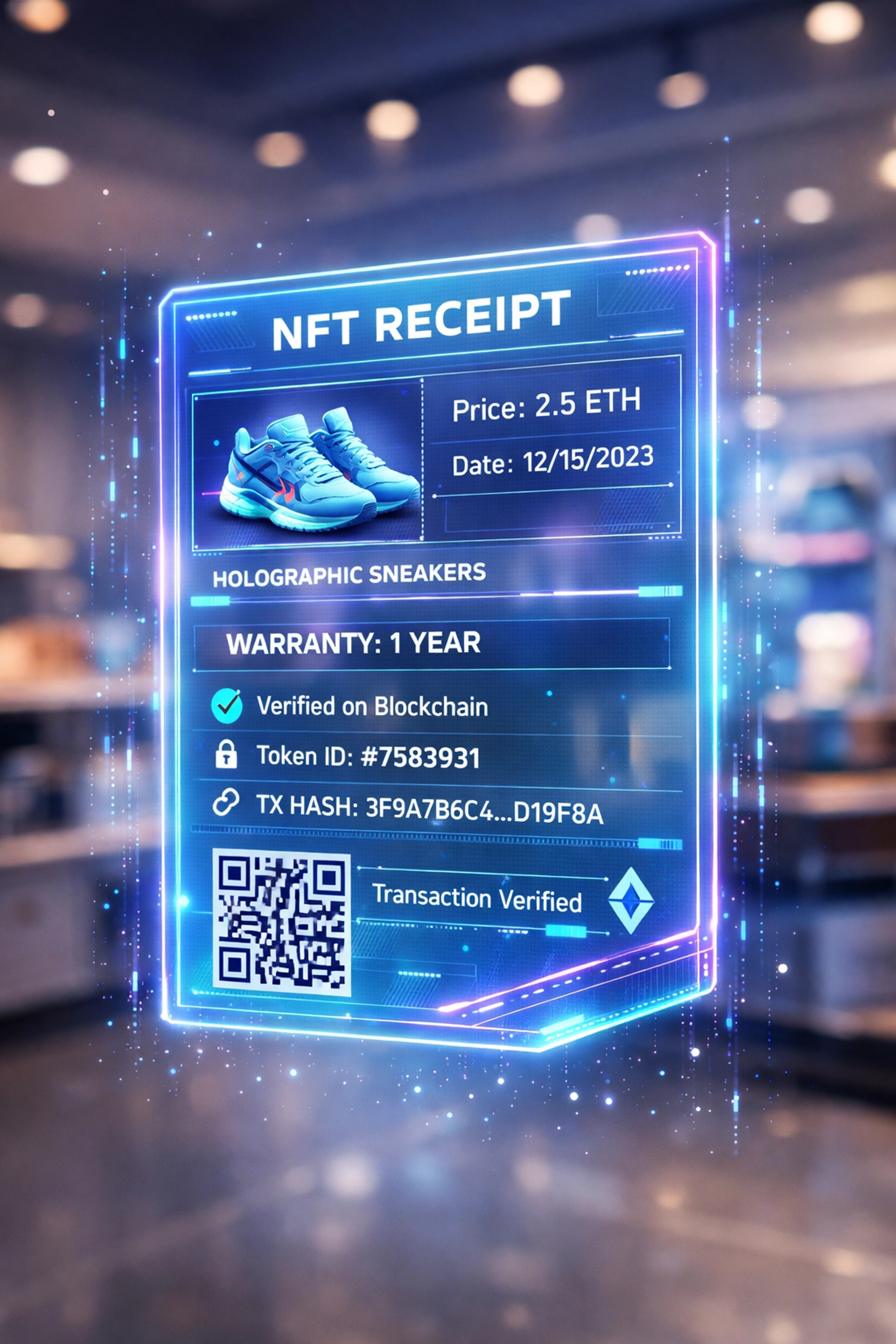
Every Larecoin payment generates an NFT receipt.
Not just confirmation. Proof of ownership. Verifiable transaction history. Warranty documentation. Loyalty program integration. All minted on-chain at the moment of sale.
NFT receipts solve merchant problems traditional systems can't touch:
Instant warranty claims without paper receipts
Fraud-proof purchase verification
Automated returns processing
Customer purchase history tracking
Loyalty reward distribution
Resale authenticity verification
Digital commodity status means these NFT receipts carry legal weight. CFTC framework recognizes blockchain transaction records as valid proof of commerce.
Customers hold assets, not paper. Merchants reduce support overhead. Win-win efficiency.
LUSD Stablecoin: Volatility Shield for Daily Operations
Crypto volatility scares merchants.
LUSD stablecoin solves it.
Pegged 1:1 to USD, LUSD gives merchants stable settlement without leaving the Larecoin ecosystem. Customers pay with LARE. Merchants receive LUSD. Conversion happens automatically at point of sale.
LUSD advantages:
Zero price fluctuation risk
Same-day settlement in stable value
No conversion to fiat required for reorders
Pay suppliers directly in LUSD
Maintain Web3 benefits without volatility exposure
Digital commodity classification extends to LUSD as a payment-focused stablecoin. CFTC oversight means regulatory clarity for merchants holding or transacting in LUSD.
Traditional processors force conversion to fiat. Banks take 1-3 days for settlement. Currency exchange fees add another 1-2%.
LUSD settles in minutes. No conversion fees. No waiting for bank processing. Just instant, stable value transfer.
LareBlocks Layer 1: Security Through Self-Custody
Self-custody isn't optional anymore.
It's the foundation of merchant security.
LareBlocks Layer 1 blockchain gives merchants complete control over payment wallets. No custodial risk. No exchange hacks. No frozen accounts.
Security architecture:
Non-custodial merchant wallets
Multi-signature transaction approval
Hardware wallet integration support
Automated backup and recovery systems
Real-time fraud detection via on-chain analysis
Digital commodity status means merchants own their payment infrastructure. Traditional processors hold merchant funds in pooled accounts. Bank failures, account freezes, and payment holds create existential risks.
LareBlocks eliminates third-party custody. Merchants control private keys. Funds move only with explicit authorization. No payment processor can freeze your account or withhold settlements.
Compare this to competitors:
NOWPayments uses custodial wallets for merchant funds. You trust their security. You hope they maintain solvency. You wait for their withdrawal processing.
CoinPayments offers non-custodial options but charges 0.5% per transaction plus network fees. They add friction instead of removing it.
Larecoin gives full self-custody with lower fees than custodial alternatives. Better security. Lower costs. Complete control.
AI-Powered Metaverse Shopping: The Next Commerce Frontier
Metaverse commerce isn't science fiction.
It's February 2026. Virtual storefronts process real revenue.
Larecoin's AI shopping layer integrates directly with metaverse platforms. Customers browse virtual stores. AI assistants recommend products. Checkout happens in seconds via Larecoin payments.
Metaverse commerce features:
Virtual storefront creation and customization
AI-powered product recommendations
Augmented reality product visualization
Social shopping with friends in virtual spaces
Instant crypto payment processing
NFT receipt collection for virtual goods
Digital commodity status matters here too. Virtual goods purchased with Larecoin generate legally recognized NFT receipts. Ownership transfers happen on-chain with full regulatory compliance.
Traditional payment systems can't process metaverse transactions efficiently. Card networks don't understand virtual goods. Banks flag metaverse purchases as suspicious.
Larecoin was built for this. Native blockchain payments. AI-enhanced discovery. Seamless virtual-to-physical commerce bridge.
Merchants expanding into metaverse retail need payment infrastructure that works. Legacy systems fail. Larecoin delivers.
Explore more about future-proofing your business with metaverse shopping features.
Competitor Comparison: Why Larecoin Wins
NOWPayments:
Custodial model creates security risks
0.5% - 1% processing fees
No native stablecoin
No NFT receipt system
Limited metaverse integration
Securities classification concerns for some tokens
CoinPayments:
Higher fee structure (0.5% + network costs)
Complex multi-currency management
No unified Layer 1 blockchain
Manual conversion processes
No AI shopping integration
Dated interface and merchant tools
Larecoin:
Self-custody via LareBlocks Layer 1
1.4% - 1.8% total costs (50% lower than legacy)
LUSD stablecoin included
NFT receipts automatic
Full metaverse commerce support
Clear digital commodity status under CLARITY Act
The regulatory clarity matters most. Digital commodity classification gives Larecoin legal standing other payment cryptos lack. CFTC oversight means merchants operate within defined frameworks.
No wondering if your payment processor faces securities charges. No risk of sudden regulatory shutdown. Just clear, compliant, cost-effective payment processing.
Implementation: Getting Started
Setting up Larecoin payments takes minutes.
Create merchant account at Larecoin merchants portal
Generate self-custody wallet via LareBlocks
Install payment plugin (WooCommerce, Shopify, custom API)
Configure LUSD auto-conversion settings
Enable NFT receipt minting
Start accepting payments
No lengthy approval process. No credit checks. No merchant account underwriting.
Digital commodity status removes banking intermediaries. You control the entire payment flow.
Support available through Larecoin community forums. Documentation covers every integration scenario. API access for custom implementations.
The Bottom Line
CLARITY Act classification as a digital commodity isn't just regulatory news.
It's $150,000 - $300,000 in annual savings for medium-volume merchants. It's self-custody security without custodial risk. It's NFT receipts with legal recognition. It's LUSD stability without volatility exposure.
Traditional payment processors built empires on 3% transaction fees. That empire cracks when blockchain efficiency meets regulatory clarity.
Larecoin delivers both. Digital commodity status provides the legal framework. LareBlocks Layer 1 provides the technical infrastructure. LUSD provides the stability. NFT receipts provide the verification.
50% fee savings compound monthly. Calculate what that means for your business over 12 months. Then compare to what you're paying Visa, Mastercard, and legacy processors.
The math doesn't lie. The technology works. The regulation supports it.
Start saving today at larecoin.com.
Comments