

.png)
CoinPayments Alternative: 10 Things You Should Know Before Switching to Receivables Tokens
- [[[Free!!]<<<<]] Watch: 스포르팅 - 토트넘 Live Stream 13 September 2022
- 3 hours ago
- 4 min read
![Writer: [[[Free!!]<<<<]] Watch: 스포르팅 - 토트넘 Live Stream 13 September 2022](https://lh3.googleusercontent.com/a/AItbvmktwQc0wCdd3ZEETSYItRQubwwBzOyjD_dcigRf=s96-c)
CoinPayments has dominated crypto payment processing for years. Black box operations. Hidden fees. Zero transparency.
Receivables tokens flip that script entirely.
Larecoin's receivables token system converts your invoices into blockchain-based digital assets. Every transaction visible. Every fee verifiable. Complete merchant control.
Here's what merchants need to know before making the switch.
1. On-Chain Transparency Kills Hidden Fees
CoinPayments operates like a traditional bank. You trust their conversion rates. You accept their fee calculations. You hope their timing is accurate.
Receivables tokens eliminate trust requirements.
Every transaction lives on-chain. Every fee is visible. Every conversion rate is verifiable in real-time. No surprises. No hidden costs buried in terms of service documents nobody reads.
With Larecoin, merchants verify everything themselves. Check conversion rates against live market data. Audit fee structures instantly. Track settlement timing down to the second.

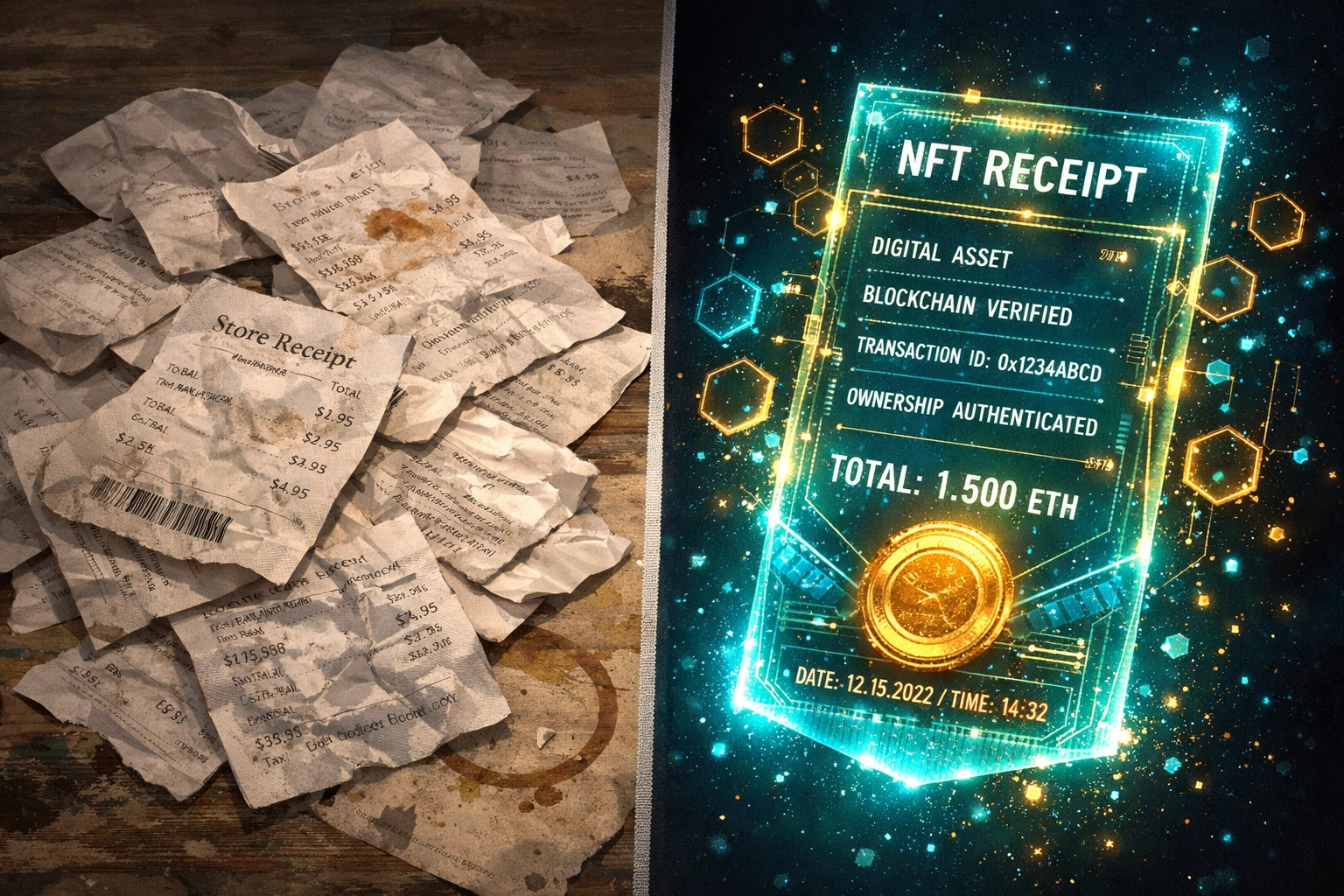
2. NFT Receipts Replace Manipulated PDFs
Traditional payment processors send PDF receipts via email. Easy to fake. Simple to manipulate. Audit nightmares.
Receivables tokens generate NFT receipts automatically.
Each transaction creates an immutable, timestamped proof-of-payment. Stored on blockchain. Machine-readable. Audit-ready without manual reconciliation.
Tax season becomes easier. Dispute resolution gets faster. Accounting systems integrate seamlessly with blockchain data rather than parsing PDF attachments.
CoinPayments receipts require manual downloads and storage. NOWPayments sends basic email confirmations. Larecoin mints permanent NFT records that exist forever: no email accounts, no cloud storage, no data loss.
3. Avoid Derivative Accounting Nightmares
When customers pay in cryptocurrency through CoinPayments, your receivables contain embedded derivatives. FASB requires bifurcation analysis. Professional valuation firms cost thousands. Quarterly updates drain resources.
Tokenized receivables sidestep this entirely.
Direct settlement eliminates hybrid instruments. No bifurcation needed. No expensive valuations. No complex quarterly accounting gymnastics.
Traditional processors create accounting complexity. Receivables tokens eliminate it.
4. Self-Custody Equals Immediate Control
CoinPayments holds your crypto. NOWPayments controls withdrawal timing. Traditional processors act as custodians: adding counterparty risk, withdrawal delays, and custody accounting complexity.
Receivables tokens deliver crypto directly to your wallet.
Self-custody from transaction one. Immediate access. Zero intermediaries. Complete control over your funds without asking permission or waiting for approval.
Your keys. Your crypto. Your timeline.
5. Multiple Investor Classes Unlock Capital Faster
Traditional payment processors offer binary options: accept payment or don't. Receivables tokenization opens new possibilities.
Structure senior and junior tranches. Low-risk investors get priority returns. High-risk tolerance investors pursue greater yields. Multiple parties participate in the same receivable pool.
This flexibility means faster capital access. Competitive interest rates. Lower borrowing costs compared to traditional receivables financing.
CoinPayments never offers this. NOWPayments can't match it. Larecoin's receivables tokens enable capital structures impossible with legacy processors.
6. Cryptographic Security Prevents Tampering
Each tokenized receivable receives a unique SHA-256 fingerprint. Permanently connects to original invoice data. Any modification: even changing a single character: immediately changes the cryptographic code.
System detects tampering instantly.
Traditional processors rely on database entries. Easy to modify. Simple to manipulate. Trust-dependent verification.
Blockchain-based receivables make fraud mathematically impossible. No trust required. Pure cryptography.
7. Smart Contracts Replace Manual Processing
CoinPayments requires manual intervention. Customer support tickets for issues. Human processing delays. Business hours limitations.
Receivables tokens automate everything through smart contracts.
Payments trigger automatic distributions. Multi-signature governance requires 3-of-5 approvals for critical actions. No single person controls everything. Security exceeds centralized processors by design.
Token creation, fee changes, payment approvals: all require multiple authorized signatures before execution. Decentralization eliminates single points of failure.

8. LUSD Integration Delivers Stable Value
Crypto volatility concerns merchants. CoinPayments offers conversion to fiat: but charges premium fees and introduces bank dependency.
Larecoin's receivables tokens integrate LUSD stablecoin directly.
Accept crypto payments. Receive stable value. Skip conversion fees. Maintain blockchain benefits without volatility exposure.
LUSD is decentralized, overcollateralized, and algorithmically stable. No central issuer risk. No bank freezes. Pure DeFi stability.
Traditional processors can't offer this because they're tied to legacy banking infrastructure.
9. Gas-Only Transfer Fees Maximize Savings
CoinPayments charges percentage-based fees. NOWPayments takes cuts from every transaction. Traditional processors extract maximum value from merchants.
Receivables tokens charge gas fees only.
No percentage fees. No hidden charges. Just blockchain transaction costs: typically pennies, not percentage points.
For high-volume merchants, this difference is massive. A $10,000 payment costs $0.50 in gas instead of $200+ in processor fees.
Savings compound quickly. Annual fee reductions reach tens or hundreds of thousands for active merchants.
10. Security Token Standards Ensure Compliance
Receivables tokens aren't wild west crypto. They follow structured legal frameworks using ERC-3475 for asset functionality combined with ERC-3643 for regulatory compliance.
Investor whitelisting. Transfer restrictions. Built-in compliance features.
CoinPayments compliance is opaque. Merchants trust processor policies. Receivables tokens codify compliance directly into smart contracts: verifiable by regulators, auditable by anyone, transparent by default.
Legal frameworks evolve with technology rather than fighting it.
The Switch Decision
CoinPayments served the market when alternatives didn't exist. That era ended.
Receivables tokens offer superior transparency, lower fees, better security, and merchant independence. Self-custody eliminates counterparty risk. NFT receipts simplify accounting. LUSD integration removes volatility concerns without bank dependency.
Traditional processors can't compete because their business models require opacity and control. Decentralized receivables tokens win because they maximize merchant freedom.
The question isn't whether to switch. It's when.
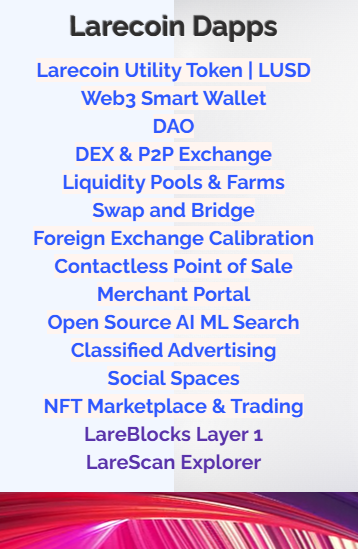
Ready to explore receivables tokens? Check out Larecoin's ecosystem and discover how decentralized payments actually work.
Comments