

.png)
From Checkout to Virtual Reality: Your Quick-Start Guide to Social Shopping in Larecoin's B2B2C Metaverse
- [[[Free!!]<<<<]] Watch: 스포르팅 - 토트넘 Live Stream 13 September 2022
- 2 hours ago
- 5 min read
![Writer: [[[Free!!]<<<<]] Watch: 스포르팅 - 토트넘 Live Stream 13 September 2022](https://lh3.googleusercontent.com/a/AItbvmktwQc0wCdd3ZEETSYItRQubwwBzOyjD_dcigRf=s96-c)
Shopping's evolution just accelerated past e-commerce. The next phase? Social experiences in immersive environments where transactions happen naturally: no clunky checkout pages, no cart abandonment, no friction.
Larecoin's B2B2C metaverse makes this real. Virtual storefronts. Customers browsing with friends in VR/AR spaces. Instant crypto payments integrated into every interaction.
This isn't futurism. It's infrastructure available now.
What B2B2C Metaverse Shopping Actually Means
B2B2C breaks down simply: Larecoin provides payment infrastructure to platforms and merchants (Business-to-Business), who then serve consumers in virtual and physical environments (Business-to-Consumer).
Traditional e-commerce isolates shoppers. They browse alone, click through product pages, abandon carts.
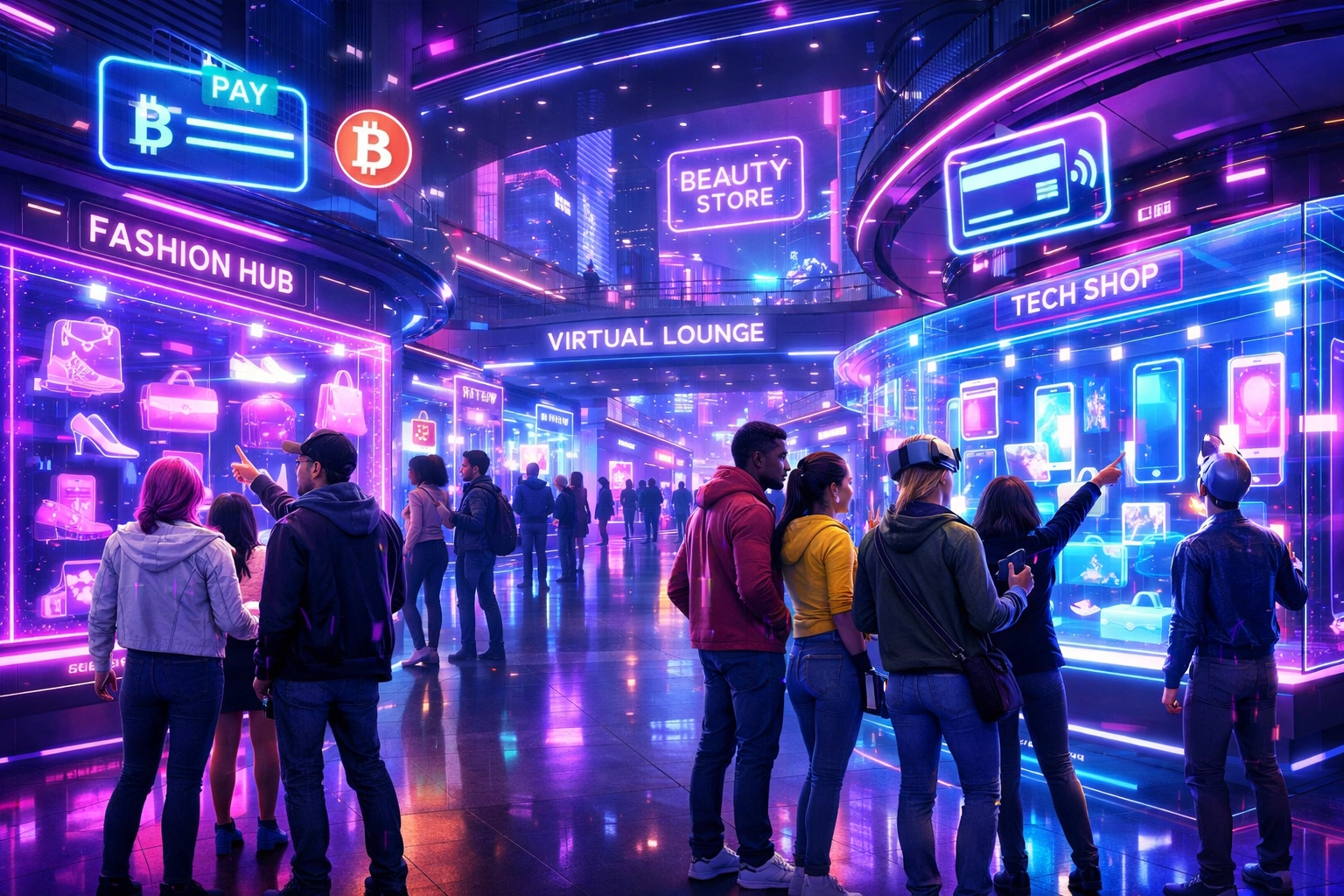
The metaverse model flips this. Customers explore storefronts with friends. They try products virtually before buying. Transactions happen inside the experience: not after leaving it.
Think virtual fashion shows where attendees purchase items instantly. Pop-up events in VR where limited drops sell out in minutes. AR overlays letting customers see furniture in their actual living rooms before confirming payment.
The $2 trillion to $2.6 trillion metaverse e-commerce market projected by 2030 starts with infrastructure that works today.
Where Traditional Crypto Processors Miss the Mark
NOWPayments, CoinPayments, and Triple-A built solutions for yesterday's e-commerce. They process payments. They convert crypto to fiat. They charge 0.5% to 1% per transaction.
What they don't do: integrate seamlessly into immersive environments.
Their checkout flows pull users out of VR experiences. Their fee structures eat margins on high-volume metaverse transactions. Their custody models force merchants to trust third-party wallets.
NOWPayments offers 200+ cryptocurrencies but lacks metaverse-native features. No NFT receipt integration. No master/sub-wallet architecture for managing multiple virtual storefronts.
CoinPayments provides basic merchant tools but charges 0.5% plus network fees. Their platform wasn't designed for real-time VR transactions or social commerce features.
Triple-A focuses on fiat conversion: useful for traditional retail, but misses the Web3-native approach metaverse merchants need.
Larecoin built different. Every feature designed for immersive commerce from day one.
Larecoin's Technical Edge
NFT Receipts
Every transaction generates an NFT receipt. This isn't gimmicky: it's functional proof of purchase that unlocks exclusive benefits.
Customers collect receipts as on-chain credentials. Merchants create tiered rewards based on purchase history. Communities form around verified ownership.
Buy a virtual sneaker? The NFT receipt grants access to limited drops. Purchase during a VR concert? Unlock backstage access at the next event.
LUSD Stablecoin
Price volatility kills conversion. Customers hesitate when crypto values swing mid-transaction.
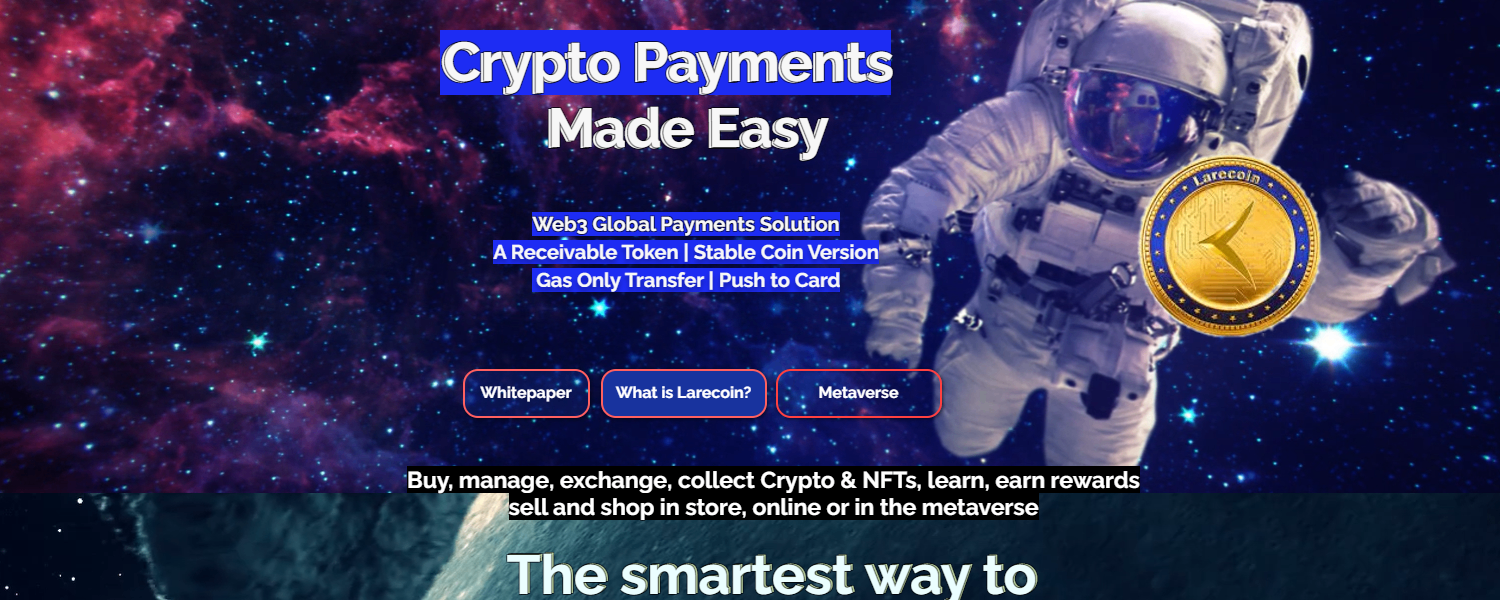
LUSD solves this. Merchants accept stable value payments. Customers avoid volatility anxiety. Transactions settle in seconds with predictable amounts.
Unlike algorithmic stablecoins, LUSD maintains 1:1 backing. Full transparency. Real reserves.
Gas-Only Transfers
Traditional crypto payments hide fees in conversion spreads and processing costs. You think you're paying 0.5% but lose 2-3% to hidden charges.
Larecoin's gas-only model makes costs transparent. You pay network fees. Nothing hidden. No surprise deductions.
For high-volume metaverse merchants, this transparency compounds into serious savings.
Self-Custody
NOWPayments holds your funds. CoinPayments controls your wallet. Triple-A manages your crypto.
Larecoin gives you direct custody. Your wallet. Your keys. Your funds.
Payments arrive directly to merchant wallets: no intermediary holding period, no withdrawal delays, no third-party risk.

Merchant Benefits That Actually Move Numbers
50%+ Fee Reduction
Traditional payment processors charge 2.9% + $0.30 per transaction. That's $290 on a $10,000 sale.
Larecoin's structure cuts this by over half. On volume, the savings compound fast. $100,000 in monthly sales? Save $1,500 immediately.
For metaverse merchants running frequent transactions: virtual events, limited drops, in-world purchases: these savings determine profitability.
Master/Sub-Wallet Architecture
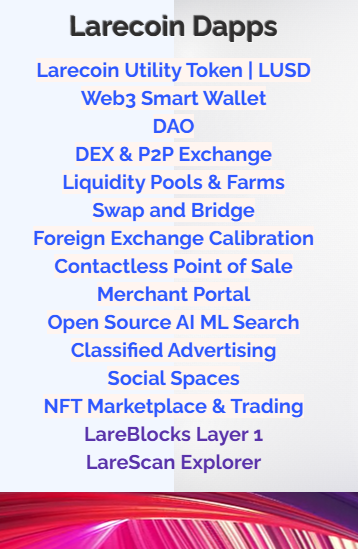
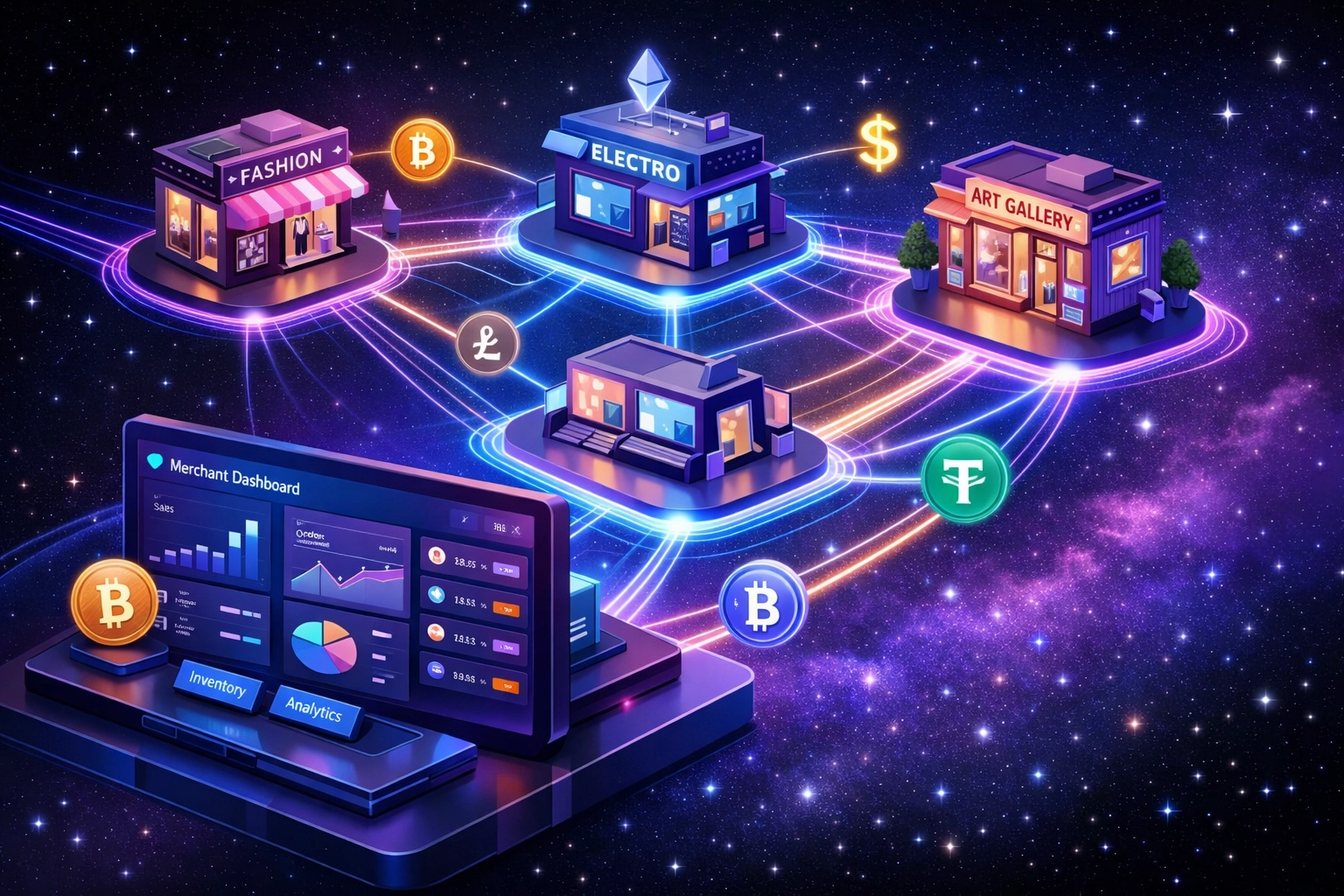
Manage multiple virtual storefronts from one dashboard. Track revenue by location in real-time. Set spending permissions for sub-wallets handling specific departments or franchises.
Launch a pop-up store in Decentraland? Create a sub-wallet. Open a storefront in a partner metaverse? Another sub-wallet. Consolidate funds with one click or distribute to different accounts instantly.
This architecture scales from solo creators to enterprise brands managing dozens of virtual locations.
QR-Generated Crypto POS
No expensive hardware required. Generate payment QR codes instantly. Customers scan and pay using crypto or LUSD. Funds arrive directly in your wallet.
This works everywhere: VR environments, physical locations, pop-up shops, mobile transactions, social commerce integrations.
Traditional POS systems cost thousands upfront plus monthly fees. Larecoin's approach? Free generation. Instant setup. Works across every channel.
The VR/AR Shopping Experience
Immersive shopping changes customer behavior. Brands using VR/AR see 33%+ conversion rate increases compared to traditional e-commerce.
Virtual Try-Ons: Customers see how products look before purchasing. Fashion brands let shoppers try outfits on their avatars. Furniture retailers place items in virtual room mockups.
AR Overlays: Products appear in customers' actual environments. Point your phone at your living room: see how that couch fits. Check if wall art matches your décor. All before clicking buy.
Social Browsing: Friends shop together in shared virtual spaces. They browse collections simultaneously. They react to products in real-time. They purchase together during live events.
Live Shopping Events: Influencers host product launches inside branded storefronts. Customers attend virtually, ask questions, purchase instantly. The whole experience happens in one immersive environment.
NFT Receipt Rewards: Every purchase unlocks something. Exclusive access to future drops. Special discounts. VIP event invitations. Verified purchase history builds community status.
Social Commerce & Community Building
Larecoin's approach prioritizes genuine utility over digital replicas of physical stores.
Communities gather around shared commerce interests. Sneaker enthusiasts meet in branded virtual showrooms. Fashion collectors attend exclusive drops together. Gaming communities purchase in-world items during team events.
Real-time AI recommendations happen naturally within experiences. Browse with friends: get suggestions based on group preferences. Attend a virtual concert: see merchandise recommendations from artists you follow.
Engagement challenges unlock exclusive items. Participate in community events: earn limited edition NFTs. Refer friends: unlock special pricing. The commerce layer integrates with social features natively.
Compliance & Trust
Federal MSB Registration
Larecoin operates as a federally registered Money Services Business. This isn't optional compliance: it's foundational legitimacy.
Other platforms operate in regulatory gray zones. Larecoin chose the transparent path from day one.
State-Level MTL Coverage
Money Transmitter Licenses across U.S. states. This coverage lets merchants operate confidently nationwide without regulatory uncertainty.
When competitors face enforcement actions, Larecoin merchants keep processing. When platforms shut down overnight, Larecoin's infrastructure stays operational.
Compliance costs get built into other platforms' fees. Larecoin handles this upfront: no surprise regulatory charges passed to merchants.
Getting Started: Your Action Plan
Step 1: Assess Digital Readiness
Prepare 3D product models. Design virtual storefront concepts. Map your catalog to immersive experiences.
Step 2: Integrate Web3 Payments
Set up your Larecoin merchant account. Generate your first QR code. Test transactions with LUSD and LARE tokens.
Step 3: Design for Social Experiences
Plan group browsing features. Create shared shopping events. Build engagement challenges with NFT rewards.
Step 4: Experiment Now
Launch a virtual pop-up. Try AR product overlays. Host a live shopping event. Test NFT receipt unlocks.
Early adopters capture disproportionate market share. The metaverse commerce infrastructure exists today. The question isn't whether to adopt: it's how quickly you move.
The Market Opportunity
The metaverse e-commerce market reaches $2 trillion to $2.6 trillion by 2030. Early infrastructure adoption determines long-term positioning.
Brands experimenting with immersive commerce now establish customer expectations. They build communities around social shopping experiences. They capture loyalty before markets mature.
Larecoin provides complete infrastructure: payments, compliance, custody, receipts, stablecoins, and cross-reality compatibility. Everything needed to operate in the next era of commerce.
Traditional e-commerce served the 2000s and 2010s. Social commerce in immersive environments defines the 2020s and 2030s.
The infrastructure exists. The market's forming. The opportunity's open.
Visit Larecoin to start building your metaverse commerce presence today.
Comments