

.png)
How to Choose the Best Crypto POS System for Small Business: NOWPayments vs. CoinPayments vs. Larecoin (Fees, Custody, and Speed Compared)
- [[[Free!!]<<<<]] Watch: 스포르팅 - 토트넘 Live Stream 13 September 2022
- 2 hours ago
- 4 min read
![Writer: [[[Free!!]<<<<]] Watch: 스포르팅 - 토트넘 Live Stream 13 September 2022](https://lh3.googleusercontent.com/a/AItbvmktwQc0wCdd3ZEETSYItRQubwwBzOyjD_dcigRf=s96-c)
Small businesses are bleeding money to payment processors.
Traditional systems charge 2-3% per transaction. Credit card companies take their cut. Banks add their fees.
Crypto POS systems promise an alternative. But not all are created equal.
The three major players: NOWPayments, CoinPayments, and Larecoin: each take radically different approaches to fees, custody, and speed.
Let's break down exactly what you're paying for and what you're giving up.
The Real Cost: Platform Fees vs. Gas-Only Model
Here's where the rubber meets the road.
NOWPayments and CoinPayments charge 0.5-1% platform fees on every single transaction. Your fees scale with volume. As your business grows, so does your payment processor bill.
Larecoin operates on a gas-only model. Zero platform fees. You only pay Solana network costs: typically $0.00025 per transaction.
Let's run the numbers:
Annual Volume | NOWPayments/CoinPayments | Larecoin | Your Savings |
$500,000 | $2,500-$5,000 | Under $2,000 | 50-60% |
$1,000,000 | $5,000-$10,000 | Under $2,000 | 67-83% |
$5,000,000 | ~$25,000 | ~$5,000 | 50-80% |
$10,000,000 | $300,000-$600,000 | ~$18,000 | $282,000-$582,000 |
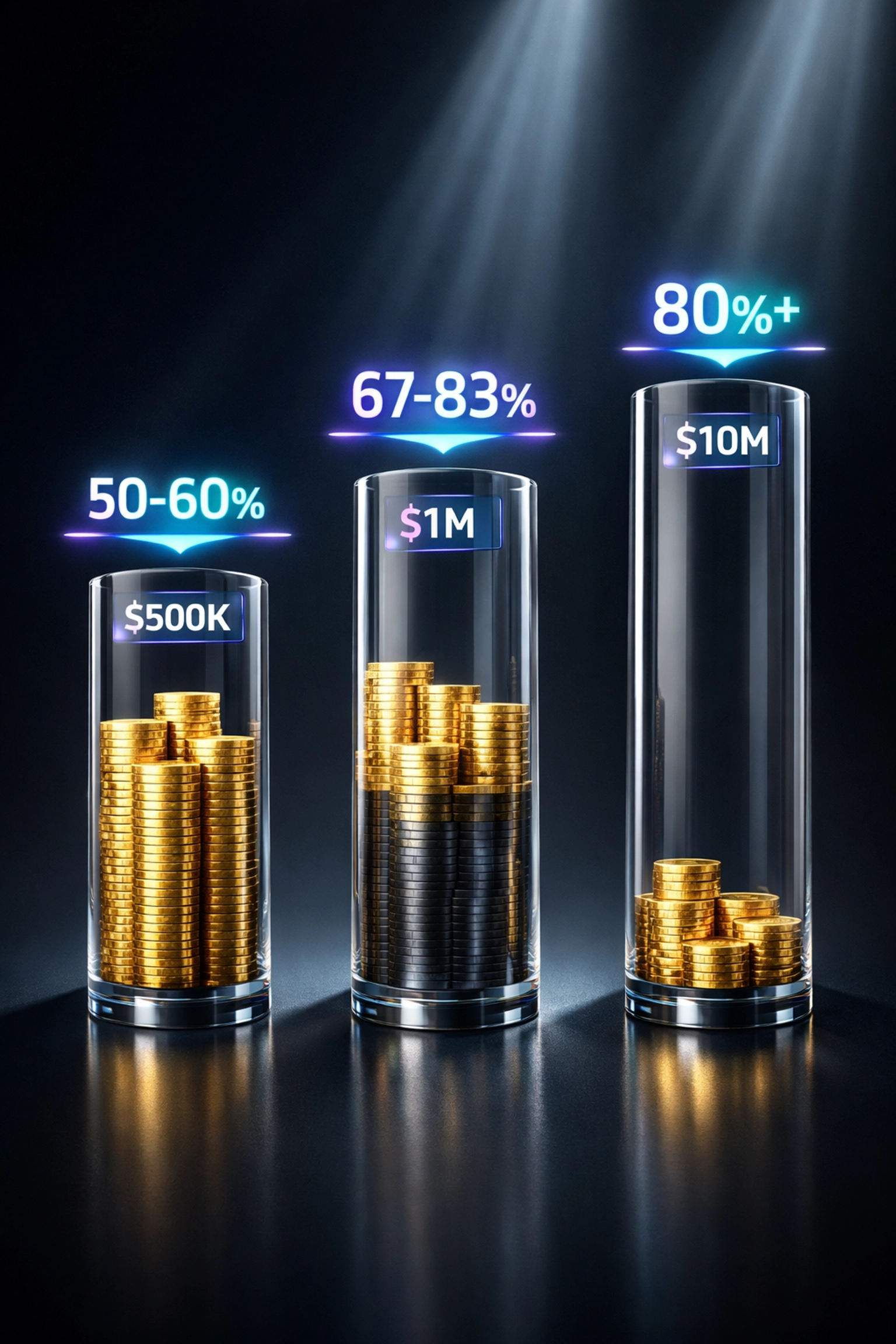
At $10 million in annual volume, the difference becomes staggering. Traditional crypto POS systems would cost you $300,000-$600,000 yearly. Larecoin costs approximately $18,000.
That's a $282,000-$582,000 annual savings you can reinvest in growth, marketing, or profit.
Custody: Who Actually Controls Your Money?
This is the philosophical divide that separates Web3 from Web2.5.
NOWPayments and CoinPayments use custodial wallets. They hold your private keys. They control your funds. You must request withdrawals on their schedule.
This introduces counterparty risk. What happens if they freeze accounts? What if settlement delays crush your cash flow?
Larecoin offers self-custody from day one. You control your private keys. You own your wallet. Direct settlement to your account. No withdrawal requests required.
This isn't just about control: it's about financial sovereignty. Bank-free business operations become possible when you eliminate the middleman.
The trade-off? You're responsible for wallet security. No customer service team to call if you lose access.
For many small businesses, that's a feature, not a bug.
Settlement Speed: Minutes vs. Fractions of a Second
Cash flow kills more businesses than competition.
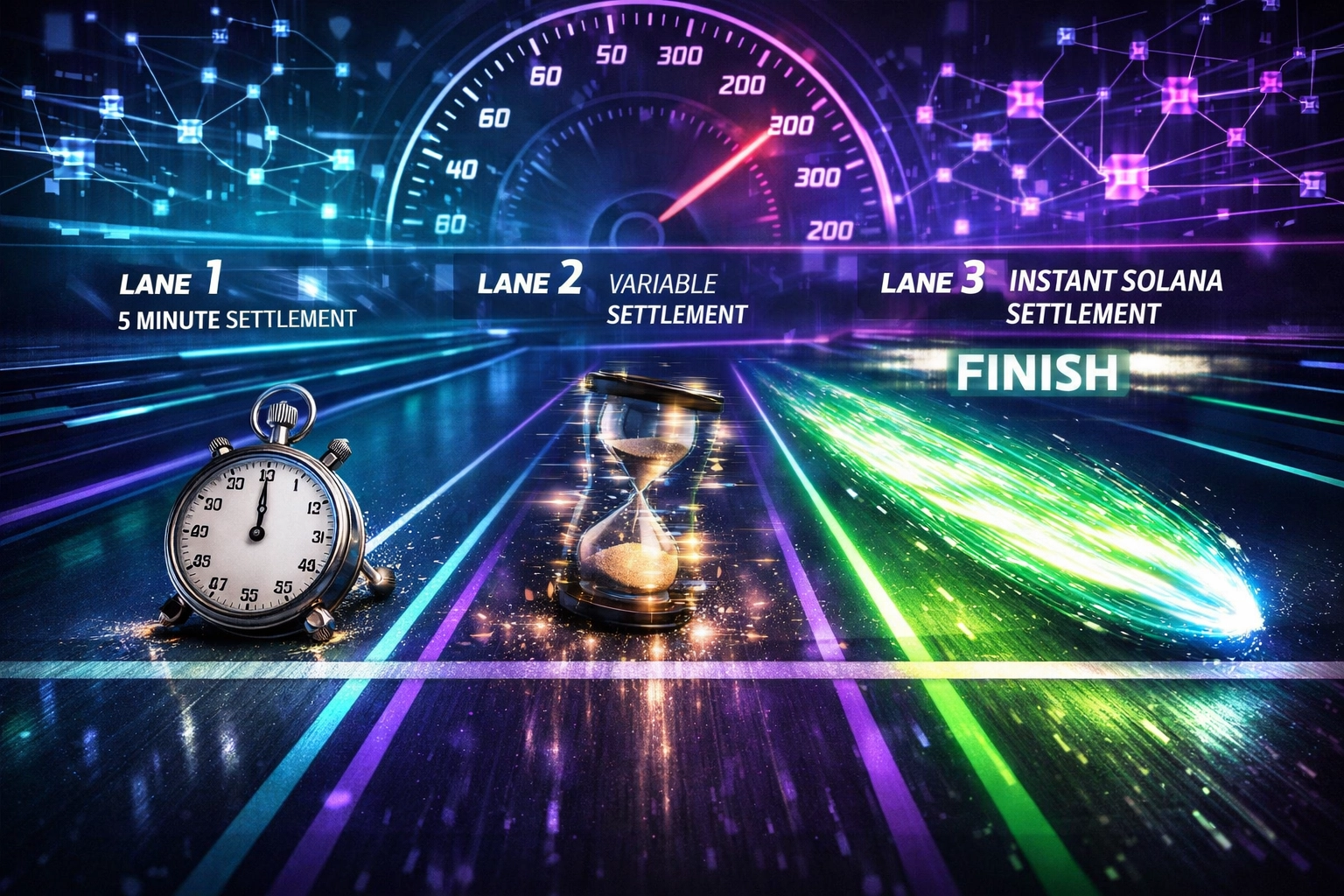
NOWPayments averages 5-minute settlements. Not terrible. But those 5 minutes add up when you're processing hundreds of transactions daily.
CoinPayments has variable settlement times. Sometimes fast. Sometimes slow. The unpredictability makes financial planning difficult.
Larecoin settles in fractions of a second using Solana's blockchain infrastructure. Transaction finality happens before your customer walks out the door.
Instant settlement means instant access to working capital. No waiting. No delays. No cash flow gaps.

Cryptocurrency Support: More Isn't Always Better
Here's where marketing gets misleading.
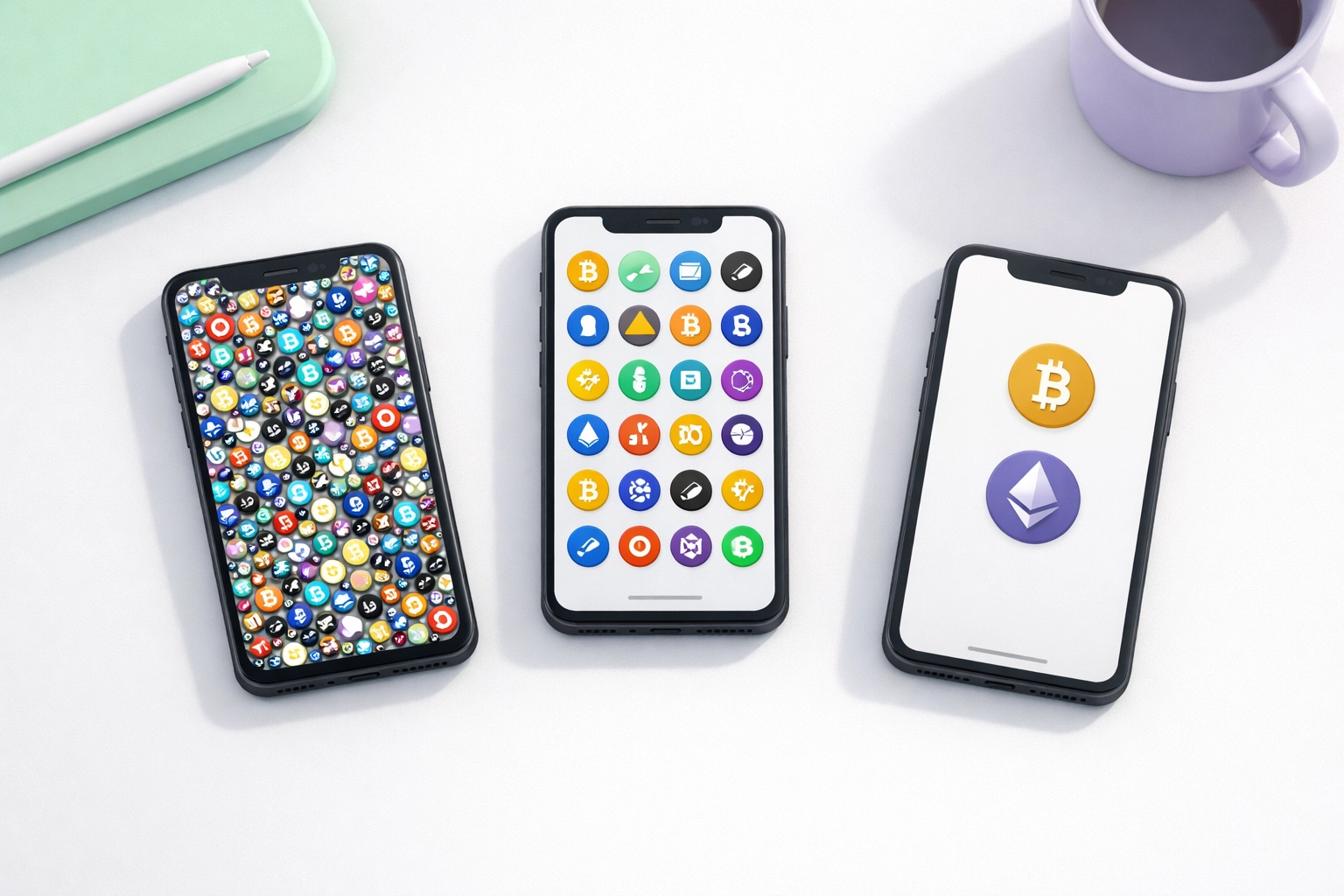
NOWPayments supports 200-300+ cryptocurrencies. Impressive on paper.
CoinPayments supports 2,000+ cryptocurrencies. Even more impressive.
Larecoin focuses on the Solana ecosystem and LUSD stablecoin. Just a handful of tokens.
But here's the truth: most of those additional tokens have zero daily trading volume. They create complexity without utility.
Supporting 2,000 cryptocurrencies means:
Settlement delays across multiple blockchains
Complex accounting for hundreds of worthless tokens
Confusing checkout experiences for customers
Larecoin's narrower focus eliminates these headaches. One fast blockchain. One reliable stablecoin. Simplified operations.
The Technical Edge: NFT Receipts and LUSD Stability
Traditional crypto POS systems stop at payment processing.
Larecoin goes further.
NFT receipts transform accounting. Every transaction generates an immutable, blockchain-verified receipt. Perfect for audits. Essential for tax compliance. Impossible to forge or lose.
LUSD stablecoin eliminates volatility risk. Unlike Bitcoin or Ethereum, LUSD maintains stable value. Your $100 sale today is worth $100 tomorrow.
No price fluctuation. No conversion anxiety. Just predictable, stable value.
This is the difference between accepting crypto as a gimmick and building a genuine Web3 global payments infrastructure.
Setup Complexity: Developer Required vs. 10-Minute Launch
NOWPayments and CoinPayments require technical integration. API documentation. Developer time. Testing and debugging.
Expect days or weeks to go live.
Larecoin configured in under 10 minutes. No developer required. Point-of-sale setup walks you through each step.
The simplified architecture comes from focusing on Solana's infrastructure rather than supporting every blockchain under the sun.
AML Compliance: Managed Services vs. Self-Management
Here's the regulatory consideration.
NOWPayments offers stronger AML compliance monitoring. Managed services. Regulatory reporting. Built-in compliance tools.
If you operate in high-risk jurisdictions or heavily regulated industries, managed compliance has value.
Larecoin puts compliance responsibility on the merchant. Self-custody means self-management. You handle reporting. You ensure compliance.
More freedom. More responsibility.
Decision Framework: Which System Fits Your Business?
Choose NOWPayments if:
You need managed AML compliance
You prefer custodial services over self-custody
You want simplicity over control
Regulatory monitoring matters more than fee savings
Choose CoinPayments if:
You need support for obscure altcoins
You have specific cryptocurrency requirements NOWPayments doesn't offer
Note: Higher fees and slower settlement than NOWPayments make this the least attractive option
Choose Larecoin if:
You want to reduce merchant interchange fees by 50-80%
You prefer self-custody control
You need instant settlement for cash flow
You're building a bank-free business operation
You want NFT receipts for accounting
You're comfortable managing your own wallet
The Long-Term Cost Analysis
Short-term thinking focuses on setup complexity. Long-term thinking focuses on cumulative fees.
A business processing $5 million annually pays $250,000 over five years using traditional crypto POS systems.
That same business pays approximately $25,000 using Larecoin.
The five-year savings? $225,000.
Even accounting for the learning curve of self-custody, the ROI becomes undeniable at scale.
What Most Comparisons Miss
Marketing materials focus on feature lists. Real-world usage tells a different story.
The true differentiator isn't cryptocurrency support or API documentation. It's the fundamental business model.
Percentage-based fees align the payment processor's interests against yours. They profit when you pay more. They want you to process higher volumes at higher costs.
Gas-only models align interests with yours. Lower costs mean more volume. More volume means more network activity. Everyone wins.
This is the receivables token innovation: payment systems that grow with you instead of extracting from you.
The Bottom Line for Small Business
Traditional crypto POS systems charge you for the privilege of accepting cryptocurrency. They control your funds. They delay your settlements. They scale fees with success.
Larecoin flips that model. Self-custody. Instant settlement. Fixed costs regardless of volume.
The trade-off? You manage your own security and compliance.
For small businesses serious about reducing costs and maintaining control, that's not a trade-off. That's the whole point.
Choose based on your priorities: managed services with higher costs, or radical fee reduction with self-management responsibility.
The crypto POS system for small business isn't one-size-fits-all. But the math doesn't lie.
Ready to slash payment processing fees by 50%+?Explore Larecoin's merchant solutions and calculate your potential savings.
The future of payments isn't just accepting crypto. It's eliminating the middleman entirely.
Comments