

.png)
How to Save 50%+ on Interchange Fees Using Crypto Receivables (5-Minute Setup)
- [[[Free!!]<<<<]] Watch: 스포르팅 - 토트넘 Live Stream 13 September 2022
- 2 hours ago
- 4 min read
![Writer: [[[Free!!]<<<<]] Watch: 스포르팅 - 토트넘 Live Stream 13 September 2022](https://lh3.googleusercontent.com/a/AItbvmktwQc0wCdd3ZEETSYItRQubwwBzOyjD_dcigRf=s96-c)
Traditional payment processors drain your profits.
Interchange fees. Processing fees. Monthly gateway charges. Chargeback penalties.
The average merchant loses 2.5% per transaction before even touching their revenue.
Crypto receivables flip that model completely.
What Makes Receivables Tokens Different
Receivables tokens aren't just another crypto payment option.
They're an entirely new payment infrastructure.
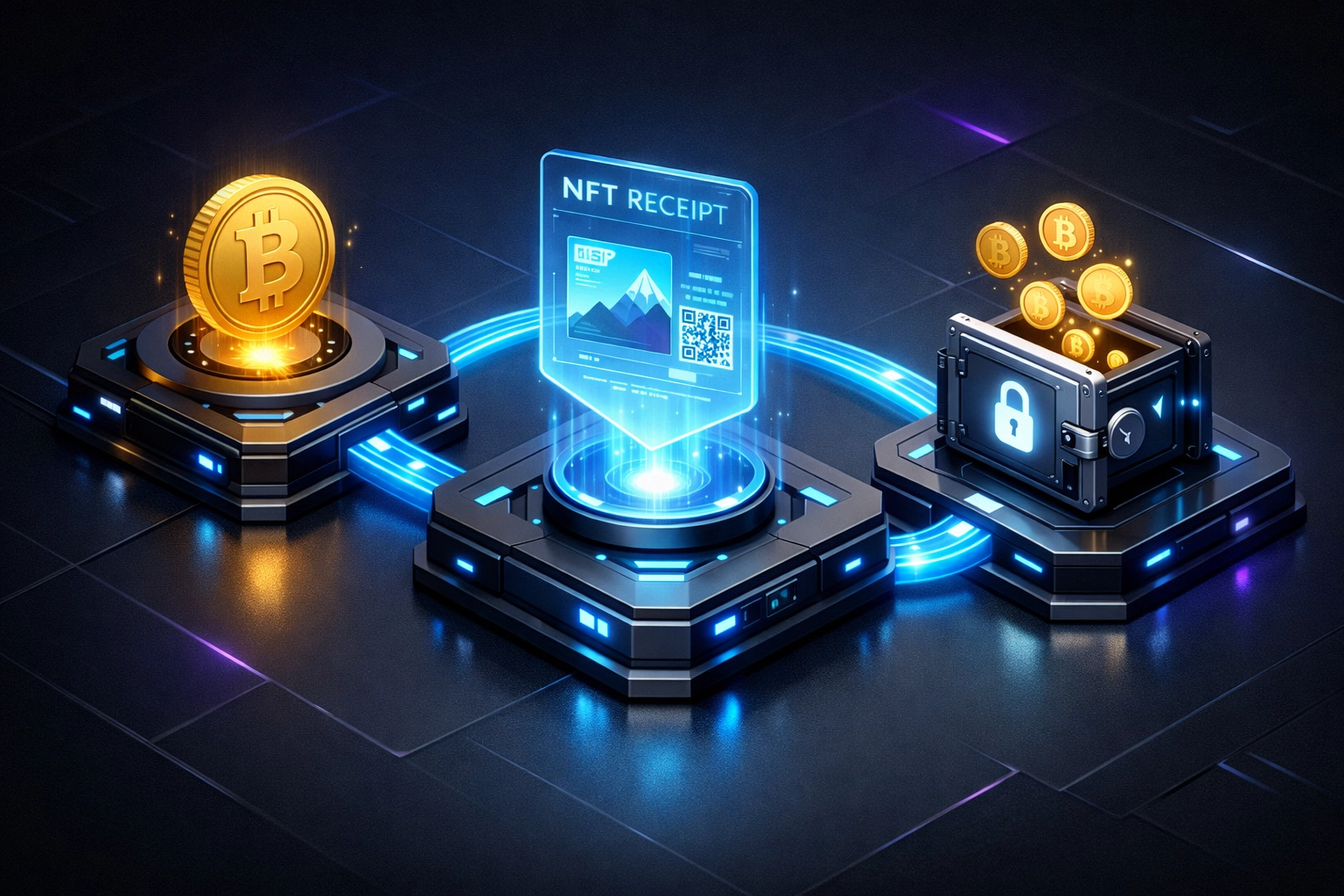
When a customer pays with receivables tokens, three things happen simultaneously:
The blockchain mints a receivables token : No intermediary. No processor holding your money. Just a direct, immutable record.
An NFT receipt generates automatically : Every transaction creates a cryptographically-secured receipt. Instant proof for accounting and taxes.
Funds hit your self-custody wallet in seconds : You control the private keys. Settlement happens in under 5 minutes, not 2-7 days.
Zero middlemen extracting fees at each step.
The Real Cost of Traditional Processing
Let's break down what you're actually paying:
Transaction fees: 1.5% to 3.5% per sale Monthly gateway fees: $10 to $50+ PCI compliance costs: $100 to $500 annually Chargeback fees: $25 to $100 per dispute Early termination fees: Up to $500 Statement fees: $10 to $25 monthly
A merchant processing $500,000 annually pays roughly $12,500 in fees.
At $1 million? You're losing $25,000+ to processors.
With receivables tokens, that drops to 0.5-1% : just blockchain gas fees.
NOWPayments vs CoinPayments vs Receivables Tokens
Traditional crypto payment processors still operate like legacy systems.
NOWPayments charges:
0.5% transaction fee minimum
Custody of funds during processing
KYC requirements for merchants
3-5 day settlement to fiat
CoinPayments takes:
0.5% per transaction
Additional withdrawal fees
Mandatory account verification
Control over your wallet
Receivables tokens deliver:
0.5-1% total cost (gas only)
Instant self-custody settlement
No KYC for the protocol itself
Zero withdrawal fees

You're not just saving money. You're reclaiming control.
The 5-Minute Setup Process
Getting started takes less time than reading this post.
Step 1: Create a self-custody wallet (2 minutes) Download any Solana-compatible wallet. Phantom works perfectly. Write down your seed phrase. Done.
Step 2: Generate your payment address (1 minute) Your wallet automatically creates a receiving address. Copy it. This becomes your payment terminal.
Step 3: Display your payment options (1 minute) Add your wallet address to your checkout. QR code generators are free. Customers scan and send.
Step 4: Accept your first payment (30 seconds) Customer sends LUSD or LARE. Payment confirms on-chain. NFT receipt mints automatically. Funds appear in your wallet.
Step 5: Track with NFT receipts (30 seconds) Each transaction creates a timestamped, immutable receipt. Perfect for accounting software integration.
Total setup time: 5 minutes. Total ongoing maintenance: Zero.
Annual Savings Calculator
The numbers speak clearly:
$100,000 annual revenue Traditional fees: $2,500 Receivables tokens: $750 Savings: $1,750
$500,000 annual revenue Traditional fees: $12,500 Receivables tokens: $3,750 Savings: $8,750
$1,000,000 annual revenue Traditional fees: $25,000 Receivables tokens: $7,500 Savings: $17,500
That's working capital you keep. Not fees you surrender.
Why LUSD Changes Everything
Stablecoins solve crypto's volatility problem.
LUSD maintains 1:1 parity with USD. Your customer pays $100. You receive $100 worth of LUSD. No conversion risk.
Unlike USDT or USDC, LUSD operates fully decentralized:
No company controls the supply
No bank accounts to freeze
No blacklist functions
Backed by overcollateralized ETH

Merchants using LUSD get dollar-stable revenue without centralized stablecoin risks.
Self-Custody Means True Ownership
Traditional processors hold your money hostage.
Account freezes. Delayed payouts. Arbitrary holds.
Self-custody eliminates that entirely.
Your keys. Your coins. Your control.
No payment processor can:
Freeze your account
Delay your settlement
Charge you withdrawal fees
Demand additional verification
Terminate your service
The blockchain doesn't care about your business model. It just processes payments.
NFT Receipts for Instant Accounting
Every receivables token transaction generates an NFT receipt automatically.
These aren't collectibles. They're functional accounting tools.
Each NFT contains:
Transaction timestamp
Payment amount
Sender address
Receiver address
Immutable blockchain proof
Feed these directly into accounting software. Audits become trivial. Tax reporting takes minutes.
No more reconciling merchant statements. The blockchain is your statement.
Chargeback Fraud Becomes Impossible
Credit card chargebacks cost merchants $125 billion annually.
Blockchain transactions are irreversible.
Once the payment confirms, it's final. No disputes. No fraudulent chargebacks. No losing merchandise plus fees.
For high-risk merchants especially, this changes everything.
Digital goods sellers. Subscription services. International transactions. All protected.
The Merchant Freedom Movement
Web3 payments represent more than fee savings.
They represent independence from financial gatekeepers.
No bank can deplatform you. No processor can blacklist your industry. No payment network can dictate terms.
Decentralized payments restore merchant sovereignty.
You build your business. You accept payment. You keep your revenue.
That's how commerce should work.
Getting Started Today
The infrastructure exists now. Not "coming soon." Now.
Larecoin's receivables token framework runs on Solana. Fast. Cheap. Proven.
Setup takes 5 minutes. Savings start immediately.
Visit Larecoin to explore the full ecosystem.
Join the Larecoin Community to connect with merchants already using receivables tokens.
Traditional payment processing is a 50-year-old system designed to extract maximum fees.
Crypto receivables are a modern solution designed for merchant profit.
The choice is simple: Keep hemorrhaging fees to middlemen, or switch to self-custody payments in under 5 minutes.
Your revenue. Your wallet. Your control.
Comments