

.png)
Reduce Merchant Interchange Fees by 50%: 7 Ways Larecoin's Ecosystem Beats Legacy Payment Systems
- [[[Free!!]<<<<]] Watch: 스포르팅 - 토트넘 Live Stream 13 September 2022
- 2 hours ago
- 5 min read
![Writer: [[[Free!!]<<<<]] Watch: 스포르팅 - 토트넘 Live Stream 13 September 2022](https://lh3.googleusercontent.com/a/AItbvmktwQc0wCdd3ZEETSYItRQubwwBzOyjD_dcigRf=s96-c)
![HERO] Reduce Merchant Interchange Fees by 50%: 7 Ways Larecoin's Ecosystem Beats Legacy Payment Systems](https://cdn.marblism.com/YTRZsiN2lnL.webp)
Merchant fees are eating your profits alive.
Legacy payment systems charge 2-3% per transaction. Add interchange fees. Tack on gateway costs. Suddenly you're hemorrhaging 50-70% more than you should.
Larecoin flips the script.
Our ecosystem cuts merchant costs by 50% or more compared to traditional processors. Not through gimmicks. Through fundamental blockchain architecture that eliminates middlemen, percentage-based pricing, and outdated settlement infrastructure.
Here's exactly how we do it.
1. Gas-Only Pricing Destroys Percentage Fee Models
NOWPayments charges 0.5% per transaction. CoinPayments takes 0.5% too. Sounds reasonable until you process $100,000 monthly: that's $500 vanishing into percentage fees.
Larecoin operates differently.
Pure gas-only pricing. You pay network costs. Period. No percentage calculated on transaction amounts. A $10 payment costs the same gas as a $10,000 payment.

Traditional processors scale fees with your success. The bigger your sales, the more they extract. Gas-only pricing means your costs stay flat as revenue climbs.
The CLARITY Act (H.R. 3633) recognizes Larecoin as a digital commodity. Not a security. This classification keeps us outside traditional financial regulations that force percentage-based fee structures on legacy payment processors.
Result: Merchants processing high-value transactions save thousands monthly.
2. Push-to-Card Functionality Delivers Instant Fiat
Crypto volatility scares merchants. Valid concern.
Larecoin's push-to-card converts cryptocurrency payments to fiat instantly. Accept crypto. Receive dollars. Zero exposure to price swings.
Traditional processors require 3-5 business days for settlement. International payments? Add another week. Currency conversion fees pile on: often 3-5% additional charges.
Push-to-card settles in minutes. Not days. Not hours. Minutes.
No waiting. No conversion fees eating margins. No banking infrastructure requirements. Just instant fiat in your account.
3. Cross-Chain Settlement Flexibility Minimizes Gas Costs
One-size-fits-all settlement chains force merchants to pay whatever gas costs exist at transaction time. Ethereum congestion spikes fees to $50+. You're stuck.
Larecoin lets merchants choose settlement chains based on volume and liquidity needs.
Ethereum: Maximum liquidity for large-scale operations
Solana: Ultra-low gas for high-volume transactions
Polygon: Balanced approach for mid-size merchants
BSC: Cost-effective alternative with solid infrastructure
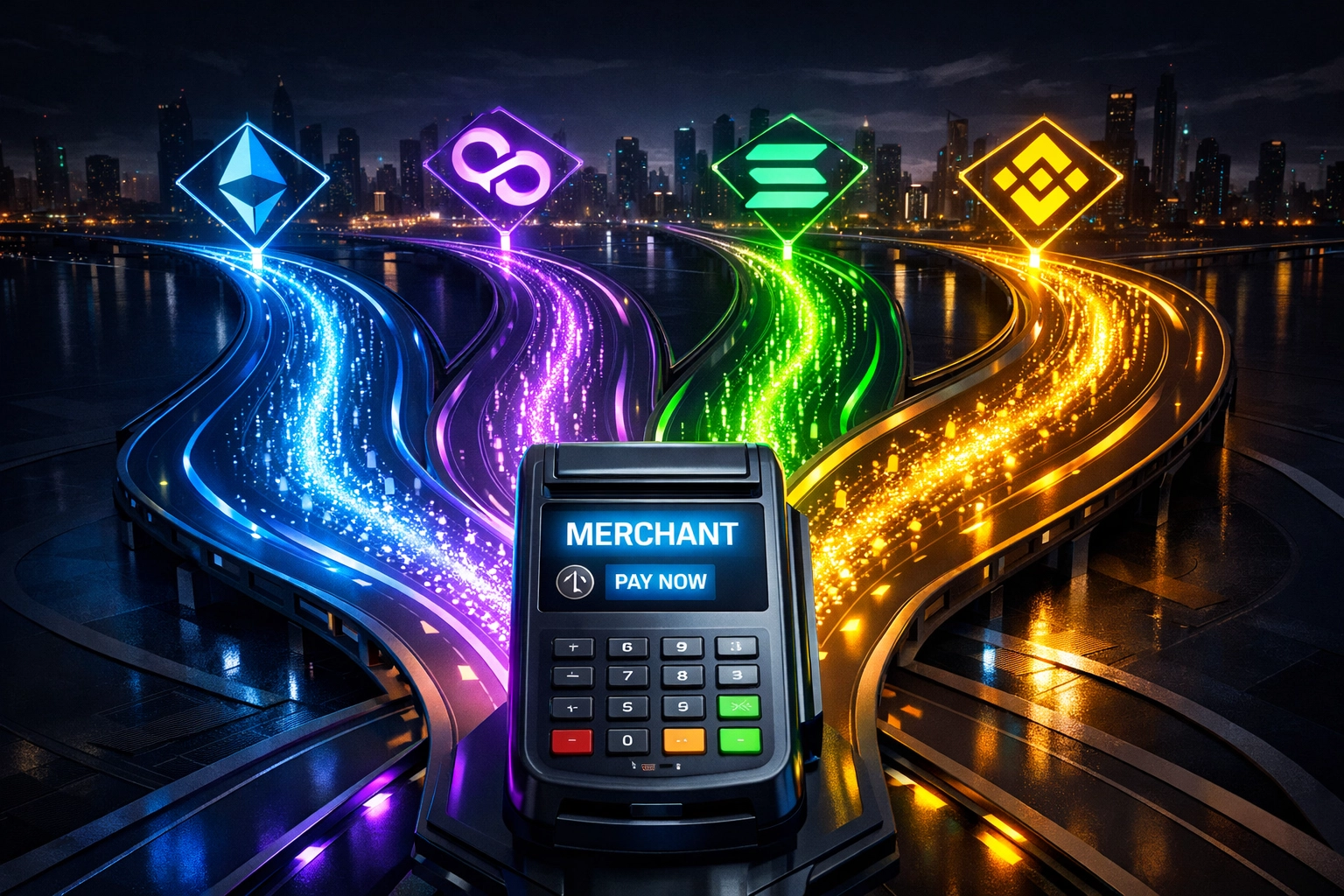
NOWPayments and CoinPayments lock you into predetermined networks. Their percentage fees apply regardless of which chain processes your transaction.
Larecoin merchants processing 1,000+ daily transactions settle on Solana. Gas costs drop to pennies. Merchants handling fewer high-value payments choose Ethereum for deeper liquidity pools.
Your business. Your choice. Your savings.
4. LUSD Stablecoin Eliminates Cross-Border Friction
International payments through traditional systems cost 5-7% in fees. SWIFT transfers take days. Currency conversions add multiple layers of expense.
LUSD stablecoin settles globally in minutes.
No currency conversion fees. No correspondent banking charges. No intermediary institutions taking cuts. Just peer-to-peer settlement on LareBlocks Layer 1 blockchain.
A merchant in Tokyo receives payment from a customer in Toronto. LUSD settles instantly. Both parties avoid forex spreads, wire fees, and multi-day settlement windows.
Traditional processors can't compete. They're built on decades-old banking infrastructure designed for analog commerce.
Larecoin operates entirely on-chain. Every transaction settles directly between parties. No banks. No clearinghouses. No legacy systems adding cost and delay.
5. Self-Custody Means Immediate Fund Control
Traditional processors hold your money. Sometimes for days. Sometimes indefinitely during "review periods."
Account freezes during disputes? Standard practice. Batch settlements delaying cash flow? Built into their model.
Larecoin merchants maintain immediate self-custody of all funds.
Payments flow directly into your wallet. No waiting for batch processing. No risk of frozen accounts. No third party controlling access to your revenue.
This matters for cash flow. Traditional merchants wait 2-5 business days for settlement. Larecoin merchants access funds instantly. Use them immediately. Reinvest in inventory. Pay suppliers. Run your business without settlement delays strangling operations.
NOWPayments and CoinPayments still operate custodial models. They hold funds during processing. You're trusting their infrastructure, their policies, their timing.
Self-custody eliminates that dependency entirely.
6. NFT Receipt Technology Automates Compliance
Tax season nightmares start with disorganized transaction records.
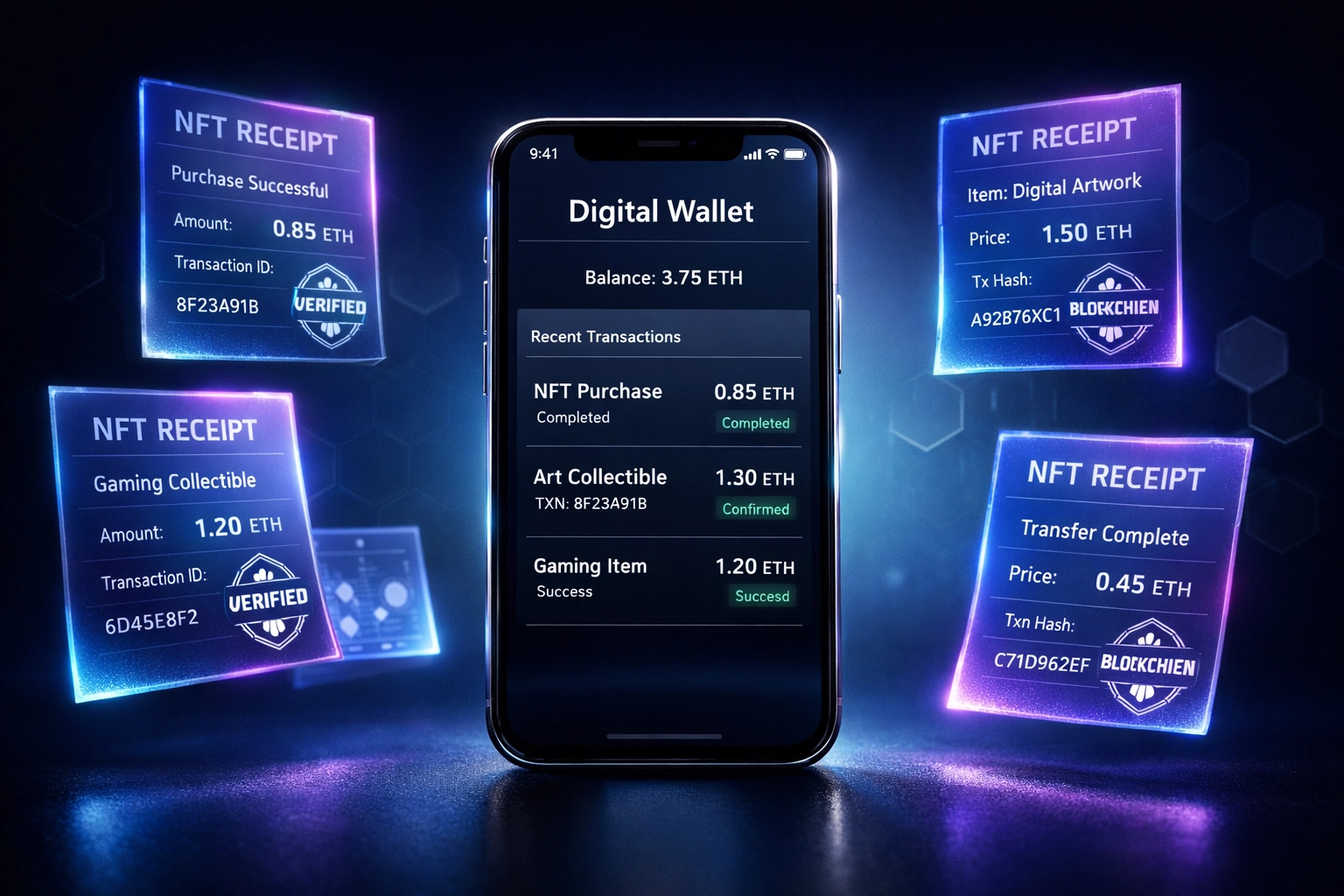
Every Larecoin payment generates an optional NFT receipt. Permanent. On-chain. Immutable. Timestamped. Complete transaction details embedded in blockchain metadata.
No manual documentation. No reconciling scattered receipts. No gaps in accounting records.
Traditional processors provide CSV exports. Maybe. If you remember to download them. If their systems don't glitch. If the data format matches your accounting software.
NFT receipts create audit-ready compliance records automatically. Pull your entire transaction history from LareScan explorer anytime. Every detail preserved on-chain. No relying on third-party servers or hoping backup systems worked.
This matters for disputes too. Customer claims non-payment? Pull the NFT receipt. Immutable proof of transaction execution. No he-said-she-said. Just cryptographic verification.
7. Master/Sub-Wallet Architecture Tracks Revenue Streams
Multi-location operators face nightmare scenarios tracking which revenue came from where.
Larecoin's master/sub-wallet architecture segments revenue streams across unlimited sub-wallets. Track performance by location. By product category. By sales channel. In real-time.
Traditional processors lump everything together. You're analyzing aggregated data days after transactions occurred. Sub-wallets let you monitor individual revenue streams as they happen.
Running five retail locations? Each gets a dedicated sub-wallet. Instantly see which stores perform. Which products move. Which channels drive revenue.
Online, in-store, and metaverse sales? Separate sub-wallets for each. Real-time visibility into how customers prefer to shop.
NOWPayments and CoinPayments require manual tagging and post-transaction analysis. Larecoin automates segmentation at the wallet level.
Better data. Faster decisions. Higher profits.
The Metaverse Advantage
AI-powered metaverse shopping isn't coming. It's here.
Larecoin merchants already process payments across virtual storefronts. NFT receipts prove digital product ownership. LUSD settles instantly across virtual environments.
Legacy payment systems weren't built for this. They struggle with digital goods. They can't handle virtual currencies. They're architected for physical retail in analog environments.
Larecoin was built for Web3 commerce from day one. Process payments in metaverse stores as easily as brick-and-mortar locations. Learn more about metaverse features here.
LareBlocks Layer 1: The Security Foundation
Everything runs on LareBlocks: Larecoin's proprietary Layer 1 blockchain.
Full transparency through LareScan explorer. Complete audit trails. Regulatory compliance built into infrastructure. No relying on external chains with unknown security profiles.
The CLARITY Act designation as a digital commodity means regulatory clarity. No ambiguity about legal status. No uncertainty about compliance requirements.
Traditional processors operate in regulatory gray zones with crypto. They're payment processors trying to bolt on blockchain support. Larecoin is a blockchain-native payment system with traditional processor functionality built on top.
The difference matters for security, compliance, and long-term viability.
Stop Paying Legacy Fees
Cutting merchant fees by 50% isn't marketing hype. It's architectural reality.
Gas-only pricing eliminates percentage fees. Push-to-card removes conversion costs. Cross-chain flexibility minimizes network expenses. LUSD settles globally without forex fees. Self-custody eliminates holding periods. NFT receipts automate compliance. Master/sub-wallets optimize operations.
Seven ways Larecoin beats legacy systems. Seven reasons merchants switch.
Traditional processors built empires on extracting percentage fees from every transaction. That model dies with blockchain-native commerce.
Comments