

.png)
Looking For a Crypto POS System for Small Business? Here Are 10 Things You Should Know Before Choosing
- [[[Free!!]<<<<]] Watch: 스포르팅 - 토트넘 Live Stream 13 September 2022
- 2 hours ago
- 5 min read
![Writer: [[[Free!!]<<<<]] Watch: 스포르팅 - 토트넘 Live Stream 13 September 2022](https://lh3.googleusercontent.com/a/AItbvmktwQc0wCdd3ZEETSYItRQubwwBzOyjD_dcigRf=s96-c)
Shopping for a crypto POS system feels overwhelming.
Hundreds of options. Complex fee structures. Technical jargon everywhere.
Most small business owners want one thing: accept crypto payments without the headache.
This guide breaks down 10 critical factors before you commit to any crypto payment processor. We're talking real-world considerations that impact your bottom line: not marketing fluff.
1. Setup Time: How Fast Can You Start Accepting Crypto?
Traditional merchant accounts take weeks.
Credit checks. Business verification. Mountains of paperwork. Bank statements going back six months.
Top crypto POS systems get you operational in under 30 minutes.
Zero credit checks. No bank involvement. Just a wallet address and you're live.
Systems like NOWPayments and CoinPayments offer quick onboarding, but they still require account creation, KYC verification, and API integration that can drag on for days.
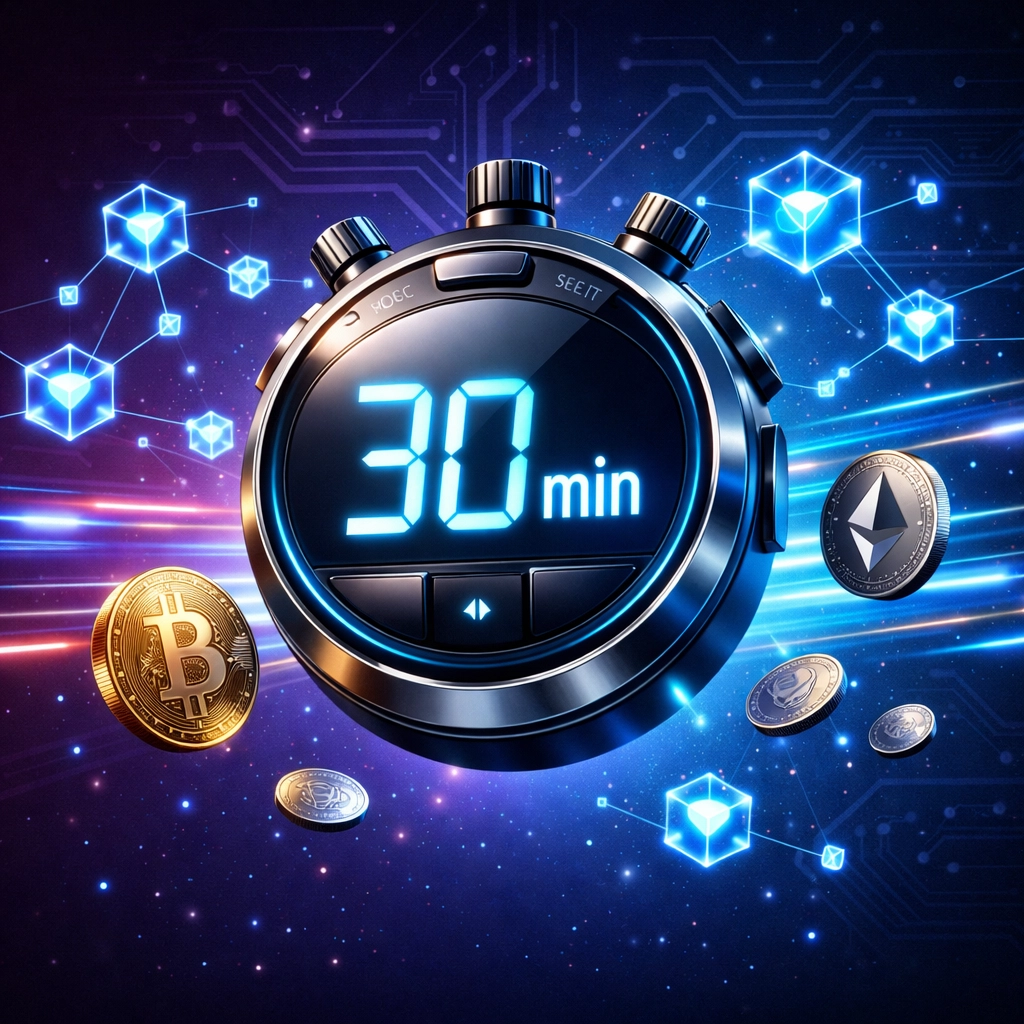
The Larecoin difference? Self-custody means instant setup. Generate a wallet. Start accepting payments. No middleman approval needed.
Speed matters when you're testing crypto acceptance or need to launch fast.
2. Fee Structure: What's the Real Cost Per Transaction?
This is where most merchants get burned.
"Low fees" sounds great until you see the fine print.
Standard crypto payment processors charge:
Transaction fees (1-2% on average)
Network fees (gas costs passed to you)
Withdrawal fees (flat or percentage-based)
Monthly subscription fees ($10-$50+)
Setup fees (one-time charges)
NOWPayments charges 0.5% per transaction with a minimum $10/month plan. CoinPayments hits you with 0.5% transaction fees plus withdrawal fees that vary by blockchain.
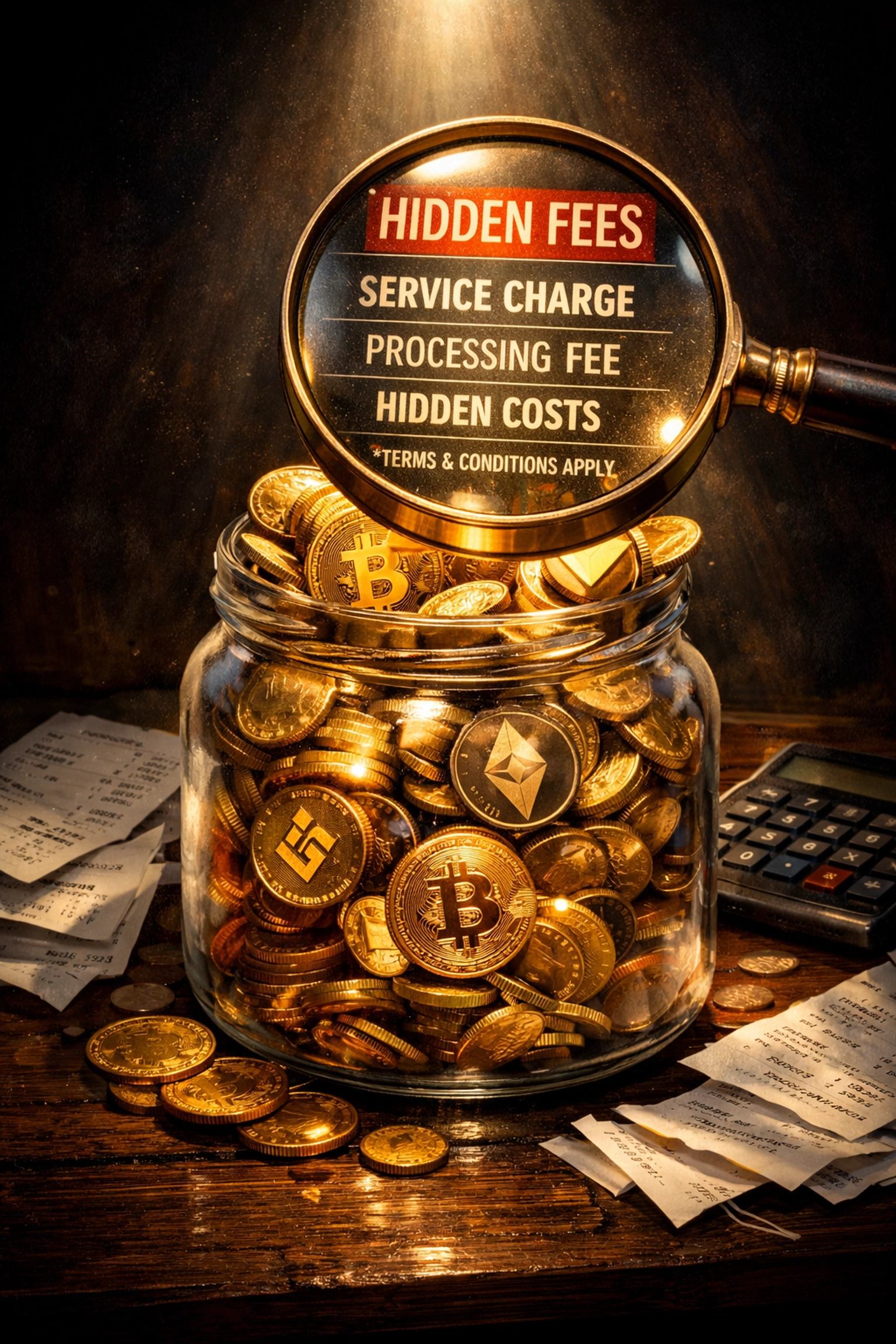
Hidden costs pile up fast.
Payment processors add layers. Each layer extracts value from your revenue.
Larecoin's gas-only transfer model eliminates middleman fees entirely. You pay blockchain network costs: that's it. No platform taking a cut of every transaction.
For high-volume merchants, this saves thousands annually.
3. Self-Custody vs. Custodial: Who Controls Your Money?
Critical question: Do you own your crypto, or does someone else?
Custodial systems (like most traditional crypto processors) hold your funds. You request withdrawals. They control the keys.
Risks include:
Platform freezes or shutdowns
Regulatory seizures
Withdrawal limits
Counterparty risk
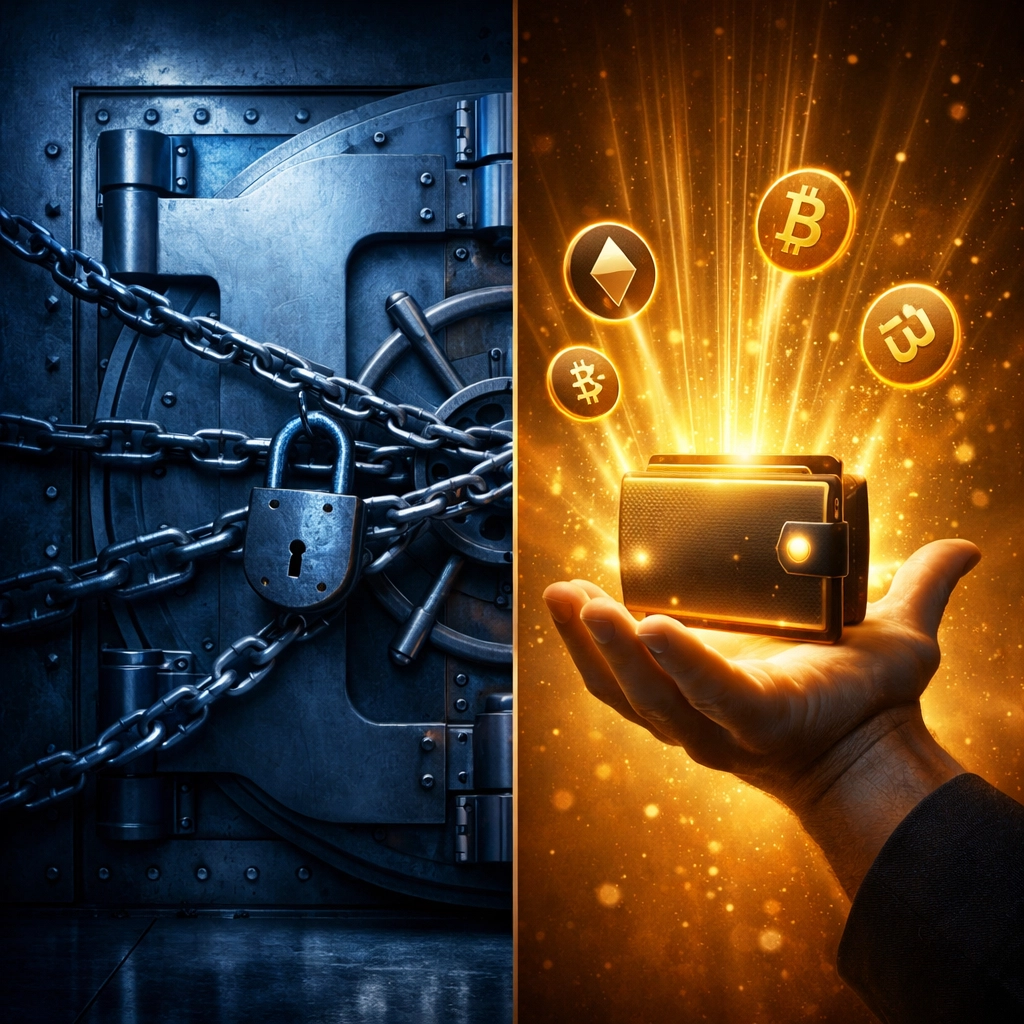
Self-custody means you control your private keys. Funds hit your wallet directly. No intermediary. No permission needed to access your money.
CoinPayments uses custodial wallets by default. Your crypto sits on their servers. You're trusting a third party with your revenue.
Larecoin operates on self-custody principles. Your wallet. Your keys. Your crypto. Total merchant independence.
For businesses serious about financial sovereignty, this isn't negotiable.
4. Supported Cryptocurrencies: Does It Accept What Your Customers Use?
Not all crypto POS systems support the same assets.
Basic systems offer Bitcoin and Ethereum. Better ones add stablecoins like USDT and USDC.
But what about emerging tokens? What about project-specific cryptocurrencies that align with your brand?
NOWPayments supports 200+ cryptocurrencies but charges varying fees depending on the asset. CoinPayments offers similar range but with withdrawal limitations on lesser-known tokens.
Stablecoin support is non-negotiable for merchants avoiding volatility. You need instant conversion or direct stablecoin acceptance.
Larecoin's ecosystem includes LUSD integration: a decentralized stablecoin that maintains value without centralized control. No Tether. No Circle. Just algorithmic stability.
Plus, native LARE token acceptance means you're tapping into a growing ecosystem of users.
5. NFT Receipts: Future-Proofing Your Transaction Records
Here's something most crypto POS providers completely miss:
Receipts as NFTs.
Traditional systems give you CSV exports and email confirmations. Boring. Forgettable. Easy to lose.
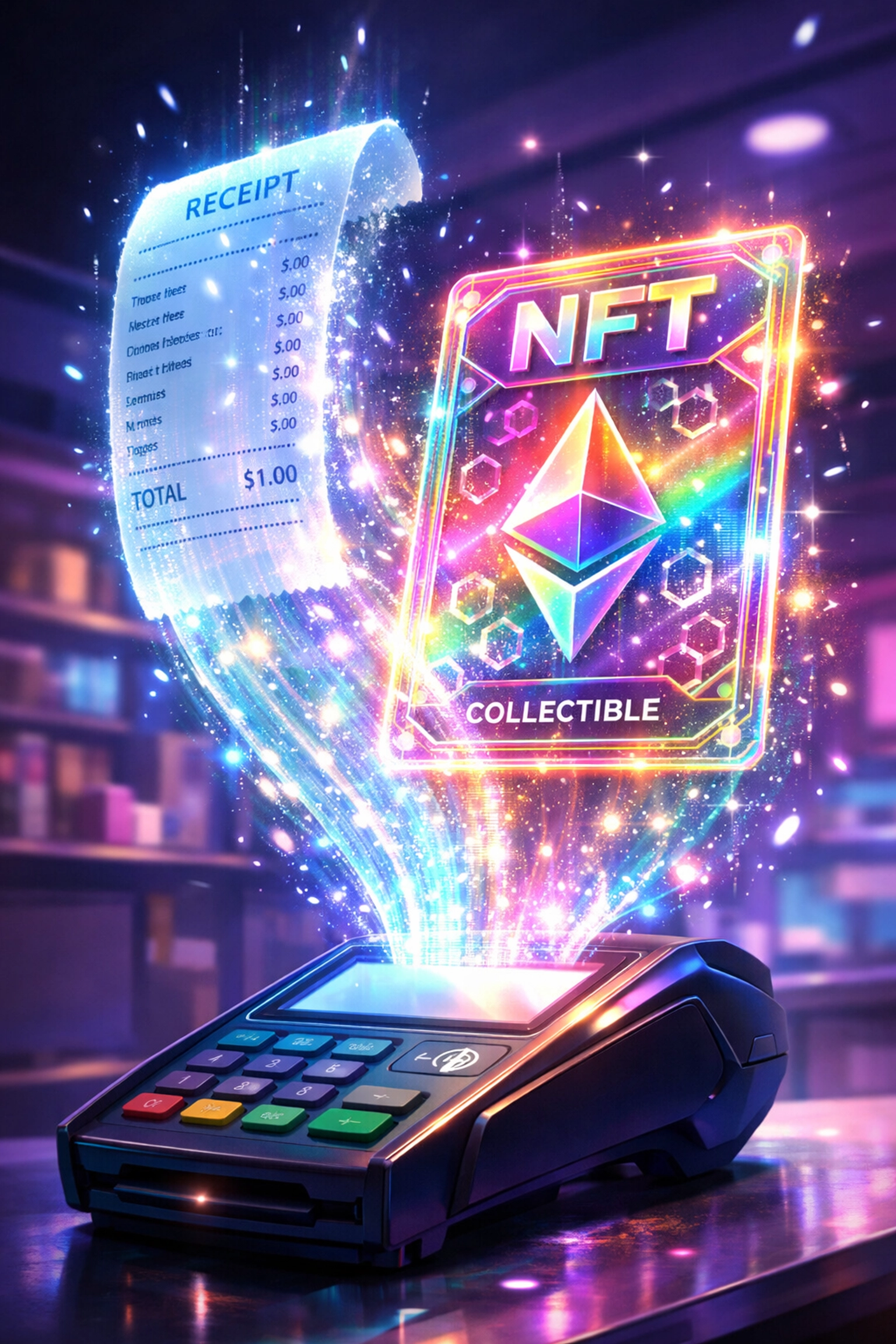
NFT receipts transform every transaction into a permanent, verifiable, blockchain record that customers can collect, trade, or use for loyalty programs.
Think about it:
Proof of purchase on-chain forever
Collectible receipts for brand engagement
Built-in loyalty program infrastructure
Resale verification for warranties
No other system offers this. Not NOWPayments. Not CoinPayments. Not anyone.
Larecoin pioneered NFT receipt technology as part of our Web3-native approach. Every transaction becomes a unique digital asset.
This isn't gimmicky: it's revolutionary for customer engagement and record-keeping.
6. Integration Complexity: Can It Plug Into Your Existing Setup?
Your POS system needs to work with:
Accounting software (QuickBooks, Xero)
Inventory management systems
E-commerce platforms (Shopify, WooCommerce)
Existing payment terminals
Complex integrations require developer time. Custom API work. Expensive consultants.
Modern crypto POS systems should integrate in minutes: not weeks.
CoinPayments offers plugins for major platforms but requires significant configuration. NOWPayments provides API documentation, but implementation still demands technical expertise.
Larecoin's approach: Simple wallet-based acceptance requires zero integration complexity. Display QR code. Receive payment. Done.
For advanced integrations, clean API documentation gets developers operational fast.
7. Hardware Requirements: QR Codes vs. Dedicated Terminals
Do you need special hardware?
Some crypto POS systems require proprietary terminals. Expensive. Locked to one provider.
Better systems work with standard tablets and smartphones. Generate QR codes. Customer scans. Payment received.
Hardware-agnostic solutions offer maximum flexibility and lowest upfront costs.
Both NOWPayments and CoinPayments work via QR codes or browser-based payment pages: no special hardware needed.
Larecoin operates identically. Any device with internet access becomes a crypto payment terminal. Phone. Tablet. Laptop. Whatever works for your business model.
Physical retail? QR code at checkout. Online store? Payment widget integration. Same system. Total flexibility.
8. Security: How Safe Are Your Funds?
Crypto security isn't optional.
Payment processors should offer:
Multi-signature wallet options
Hardware wallet compatibility
End-to-end encryption
Two-factor authentication
Withdrawal whitelisting
Custodial systems introduce security vulnerabilities. Your funds sit on centralized servers: prime targets for hackers.
Self-custody shifts security responsibility to you. Sounds scary, but modern wallet technology makes this manageable with proper practices.
The Larecoin ecosystem integrates with leading wallet solutions offering enterprise-grade security. Hardware wallet support. Multi-sig capabilities. Complete control without compromising safety.
9. Real-Time Conversion: Do You Need Instant Fiat?
Crypto volatility scares merchants.
Accept Bitcoin at $45,000. Check your wallet an hour later. It's worth $43,500.
Real-time conversion solves this. Crypto hits your account, instantly converts to stablecoins or fiat.
Traditional processors offer this: for a premium. Expect 1-2% conversion fees on top of transaction costs.
CoinPayments offers conversion services but takes significant cuts. NOWPayments provides similar functionality with comparable fees.
Alternative approach: Accept stablecoins directly. LUSD, USDC, or USDT eliminate volatility without conversion fees.
With Larecoin's LUSD integration, you're receiving stable value immediately. No conversion needed. No additional fees. Price stability without middleman costs.
10. Exit Costs & Platform Lock-In: What If You Want to Switch?
Final consideration most merchants ignore:
What happens when you want to leave?
Some processors make switching painful. Long contract terms. Cancellation fees. Export restrictions on transaction history.
Ask these questions:
Can I export complete transaction records?
Are there cancellation penalties?
Will I retain access to historical data?
What's the notice period for account closure?
NOWPayments and CoinPayments both allow account closure but with varying data retention policies. Historical records might disappear after account termination.
Self-custody eliminates platform lock-in entirely. Your transaction history lives on the blockchain: permanently accessible regardless of which service you use.
Larecoin doesn't lock you in. Switch systems anytime. Your funds, your records, your freedom.
Making the Right Choice for Your Business
Choosing a crypto POS system comes down to priorities.
Lowest fees? Self-custody solutions win. Maximum currency support? Check supported asset lists carefully. Innovative features? NFT receipts and Web3 integration matter. Speed to market? Skip the bureaucracy.
Traditional payment processors like NOWPayments and CoinPayments offer solid middle-ground solutions with broad cryptocurrency support. But they extract ongoing fees, require custodial arrangements, and limit merchant independence.
Decentralized alternatives like Larecoin prioritize merchant freedom over platform profit. Gas-only fees. Self-custody. NFT receipts. LUSD stablecoin integration. Direct blockchain access.
The crypto payments landscape evolves daily. Systems that seemed cutting-edge six months ago already feel outdated.
Choose providers building for Web3's future: not retrofitting Web2 business models onto blockchain technology.
Your business deserves payment infrastructure that respects your autonomy, minimizes costs, and maximizes innovation.
The choice is yours. Make it count.
Ready to explore self-custody crypto payments? Check out Larecoin's Web3 global payments solution and join the merchant revolution happening right now.
Comments