

.png)
Looking For a NOWPayments Alternative? Here Are 10 Things You Should Know About Receivables Tokens
- [[[Free!!]<<<<]] Watch: 스포르팅 - 토트넘 Live Stream 13 September 2022
- 3 hours ago
- 4 min read
![Writer: [[[Free!!]<<<<]] Watch: 스포르팅 - 토트넘 Live Stream 13 September 2022](https://lh3.googleusercontent.com/a/AItbvmktwQc0wCdd3ZEETSYItRQubwwBzOyjD_dcigRf=s96-c)
If you're running a business that accepts crypto payments, you've probably bumped into NOWPayments or CoinPayments. Solid platforms. But expensive. And they keep you locked into their custodial systems.
There's a better way.
Receivables tokens are flipping the script on traditional crypto payment processors. Instead of paying fat fees to middlemen, you're converting your invoices into blockchain-based digital assets. Assets you control. Assets you can trade instantly.
Let's break down what you need to know.

1. What Are Receivables Tokens Anyway?
Simple concept. Powerful impact.
Receivables tokens convert unpaid invoices into blockchain-based digital tokens. Each token represents partial ownership of future payments.
Think about it. Your customer owes you $10,000 with 60-day payment terms. That invoice just sits there. Locked capital. With receivables tokenization, you transform that invoice into tradeable digital assets. Sell them to investors immediately. Get paid today instead of waiting two months.
NOWPayments and CoinPayments process crypto transactions. That's it. Receivables tokens turn your invoices into liquid assets. Completely different game.
2. Fee Savings That Actually Matter
Here's where it gets interesting.
NOWPayments charges 0.5% on most transactions. Plus custody fees. Plus withdrawal fees. CoinPayments hits you with 0.5% as well, with higher rates for certain coins.
Receivables token platforms? 50% lower fees. Platform fees range from 0.5% to 1% of transaction value. And you get gas-only transfer options.
Do the math. $100,000 in monthly transactions on NOWPayments costs you $500 minimum. With receivables tokens, you're looking at $250-$500 total. Plus you maintain self-custody. No withdrawal fees. No surprise charges.
Merchant freedom starts with keeping more of your money.
3. Cash Flow Is King
Traditional payment terms kill small businesses. You deliver goods. Invoice sent. Then wait. 30 days. 60 days. Sometimes 90.
Invoice factoring helps but destroys margins. Factoring companies discount invoices 15-20%. Brutal.
Receivables tokens change the equation.
One manufacturing distributor with 60-day payment terms improved cash flow by 40 days. Eliminated working capital loans entirely. Saved $67,000 annually.
Sell receivable tokens instantly to investors seeking yield-bearing assets. Get paid today. Skip the factoring discount. Skip the bank loans. Skip the cash flow anxiety.

4. Zero Developer Expertise Required
You're thinking this sounds complicated.
It's not.
Setup process:
Create merchant account
Connect invoicing software via API
Toggle receivables tokenization on
Choose liquidity preference
Start accepting payments
Platform AI handles invoice recognition. Smart contracts automate tokenization. You run your business. Technology handles the rest.
Compare that to integrating NOWPayments or CoinPayments. API keys. Webhooks. Custom checkout flows. Developer hours add up fast.
Receivables tokens make it simple.
5. LUSD and Stablecoin Integration
Crypto volatility scares merchants. Understandable.
You invoice $10,000. Customer pays in BTC. Market drops 15% before you convert. You just lost $1,500.
Enter stablecoins.
Receivables token platforms integrate stablecoins like LUSD (Liquity USD). Zero volatility concerns. International businesses accept payments in stablecoins. Still receive USD if preferred.
LUSD is decentralized. No central authority. No bank account freezes. No censorship. True financial sovereignty.
NOWPayments and CoinPayments support stablecoins but force you through their custodial wallets. Your keys, your crypto? Not with them.
6. Multiple Ways to Monetize
Flexibility wins.
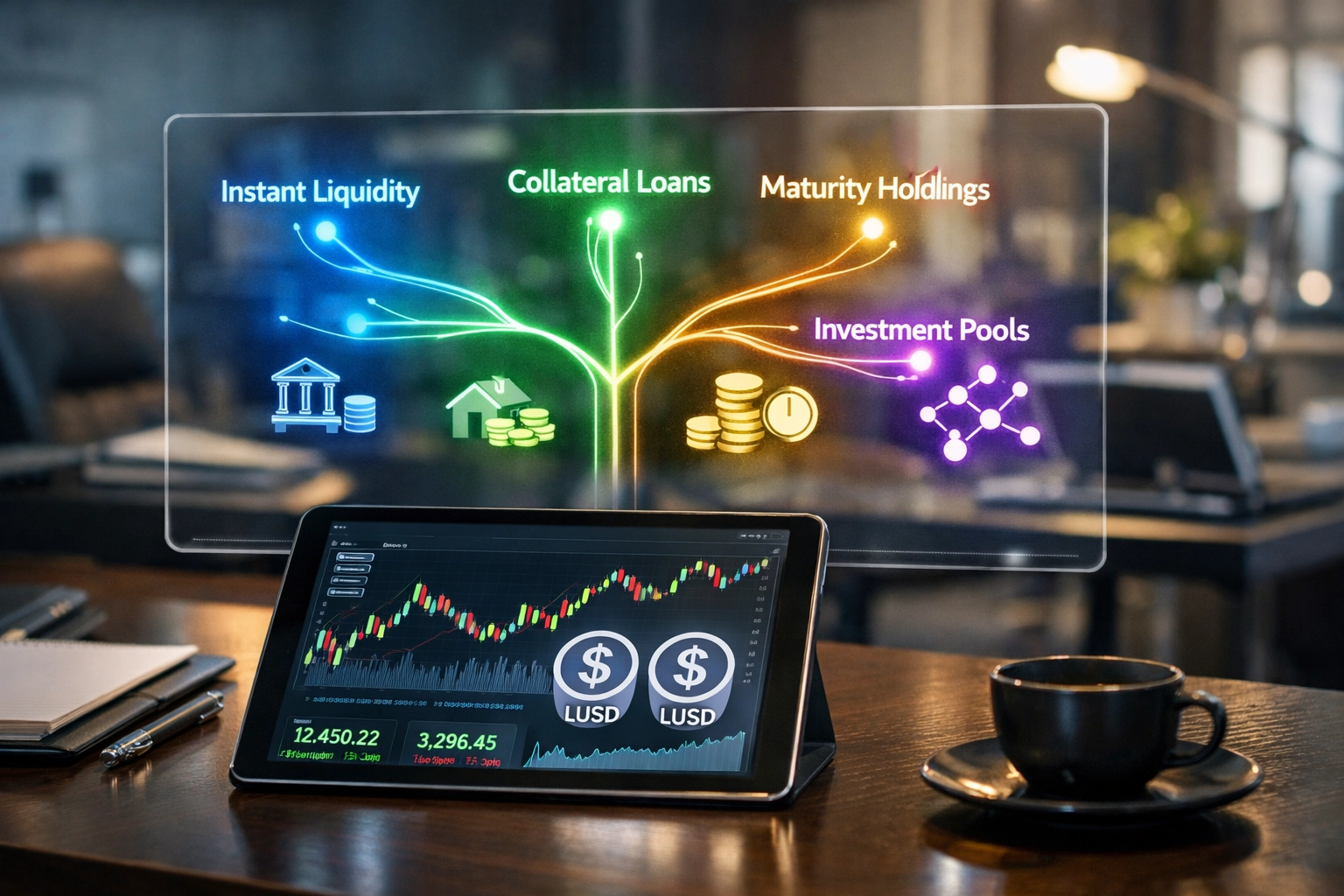
With receivables tokens, you get options:
Option 1: Sell tokens instantly to investors. Immediate liquidity.
Option 2: Use tokens as collateral for crypto-backed loans. Keep ownership. Access capital.
Option 3: Hold tokens to maturity. Receive full payment. Earn interest from token buyers.
Option 4: Bundle multiple receivables into investment pools. Diversify risk. Attract larger investors.
NOWPayments? You get paid. That's it. No liquidity options. No collateralization. No flexibility.
The decentralized approach gives you actual control over your receivables strategy.
7. Settlement Speed That's Actually Fast
Traditional international payments drag.
One import/export business using standard processors waited 7-10 days for settlement. FX fees ate 3-5% of every transaction.
After switching to tokenized receivables? Settlement dropped to 4 hours. FX fees cut by 60%.
Blockchain doesn't sleep. No banking hours. No intermediary delays. Cross-border payments settle at blockchain speed. Minutes, not days.
CoinPayments offers decent speed but still relies on centralized processing. Receivables tokens operate on permissionless blockchain infrastructure. True peer-to-peer settlement.
8. Built on Real-World Asset Standards
Technology matters.
Receivables tokens use proven blockchain standards:
ERC-3475 for receivables tokens. Standardized format. Interoperable across platforms.
ERC-3643 for regulatory compliance. Built-in compliance features. KYC/AML compatible.
Invoice documentation protected with SHA-256 encryption. IPFS file storage creates permanent digital fingerprints. Original invoice information forever linked to tokens.
This isn't experimental tech. These are established standards powering real-world asset tokenization.
Traditional processors like NOWPayments operate on closed systems. No interoperability. No open standards. You're locked in.
9. Perfect for Any Business Model
SaaS companies? Check.
One SaaS company offered crypto-native customers flexible payment plans via tokenized receivables. Result? 23% increase in large enterprise deals. Zero credit card processing fees.
Manufacturing? Works perfectly with net-30, net-60 terms.
E-commerce? Instant settlement for marketplace sellers.
B2B services? Convert retainers into liquid assets.
Professional services? Monetize billable hours before client payment.
The model scales across industries. Any business with payment terms benefits.
10. NFT Receipts and Ecosystem Features
Here's where innovation meets utility.
Modern receivables token platforms include:
NFT receipts that double as loyalty tokens. Every transaction mints an NFT. Customers collect receipts. Merchants reward loyalty. Win-win.
AI-powered B2B2C shopping integrations. Seamless checkout experiences across channels.
Automatic ESG compliance tracking. Some implementations donate 1.5% of transaction fees to charity. Good for business. Good for the world.
Self-custody wallets. Your keys, your crypto. No custodial risk.
Direct blockchain integration. No intermediaries. No permission needed.
NOWPayments and CoinPayments offer basic transaction processing. That's table stakes in 2026. Receivables tokens deliver an entire financial ecosystem.

The Bottom Line
Traditional crypto payment processors solved one problem: accepting crypto payments.
Receivables tokens solve the bigger problem: turning invoices into liquid, tradeable assets while maintaining full self-custody.
Lower fees. Faster settlement. Multiple monetization options. Built on open standards. Complete merchant independence.
That's the future of decentralized crypto payments.
NOWPayments and CoinPayments charge you for the privilege of using their custodial systems. Receivables tokens give you tools to build financial sovereignty.
The choice is yours. Keep paying middlemen. Or take control.
Ready to explore receivables tokens for your business? Learn more about reducing merchant fees with Web3 global payments.
The decentralized payments revolution isn't coming. It's here.
Comments