

.png)
NOWPayments vs. CoinPayments vs. Larecoin: Which Cuts Merchant Interchange Fees by 50%?
- [[[Free!!]<<<<]] Watch: 스포르팅 - 토트넘 Live Stream 13 September 2022
- 2 hours ago
- 4 min read
![Writer: [[[Free!!]<<<<]] Watch: 스포르팅 - 토트넘 Live Stream 13 September 2022](https://lh3.googleusercontent.com/a/AItbvmktwQc0wCdd3ZEETSYItRQubwwBzOyjD_dcigRf=s96-c)
Merchant fees are bleeding businesses dry.
Traditional payment processors take 2-3% of every transaction. Crypto gateways promised relief. Many still charge percentage-based fees that scale with your success.
The bigger you grow, the more you pay.
NOWPayments and CoinPayments fall into this trap. They charge 0.5-1% per transaction plus network fees, withdrawal charges, and conversion costs. These expenses compound fast.
Larecoin flips the script entirely.
The Gas-Only Revolution
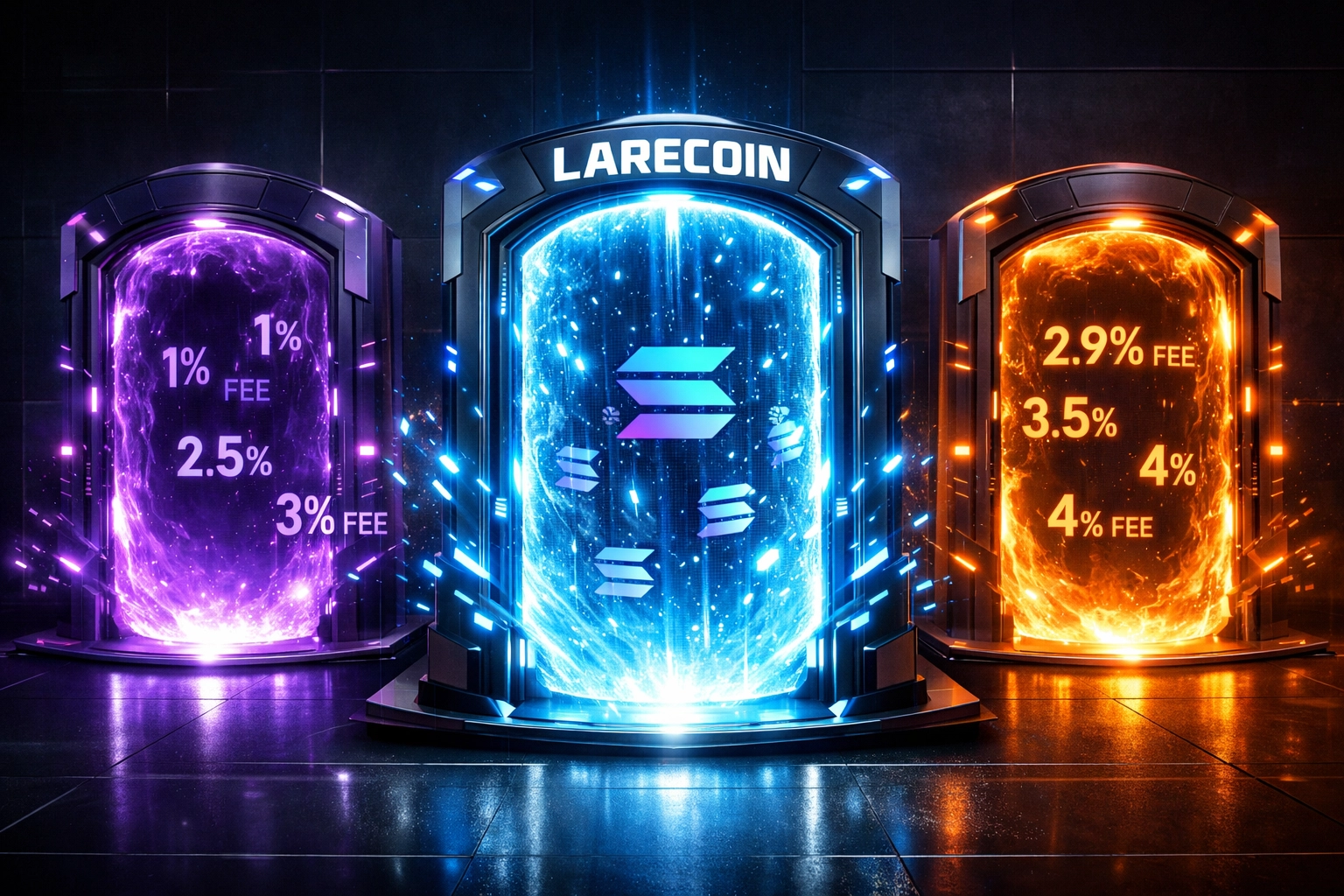
Larecoin charges zero platform fees. You only pay Solana gas costs. That's pennies per transaction regardless of size.
NOWPayments hits you with 0.5% for single-currency transactions and 1% for multi-currency. Add network fees. Add withdrawal costs. Add currency conversion charges.
CoinPayments operates similarly. 0.5-1% base fees plus all the extras that nobody mentions in the fine print.
These percentage-based models punish growth. Process $1 million in payments? You're paying $5,000-$10,000 in fees alone.
Larecoin keeps those costs under $2,000. Same volume. 80% savings.
Real Numbers From Real Businesses
Let's break down actual costs at different processing volumes.
$500K Annual Processing:
NOWPayments: $2,500-$5,000
CoinPayments: $2,500-$5,000
Larecoin: Under $2,000
Savings: 50-60%
$1.2M Annual Processing:
NOWPayments: $9,000
CoinPayments: $6,000-$12,000
Larecoin: ~$2,000
Savings: 67-83%
$5M Annual Processing:
NOWPayments: $25,000-$37,500
CoinPayments: $25,000+
Larecoin: ~$5,000
Savings: 50-80%
The pattern is clear. Percentage-based fees scale with your revenue. Gas-only costs don't.
Processing $100 or $100,000? Larecoin charges the same minuscule gas fee. Your profit margins stay intact.
Self-Custody Changes Everything
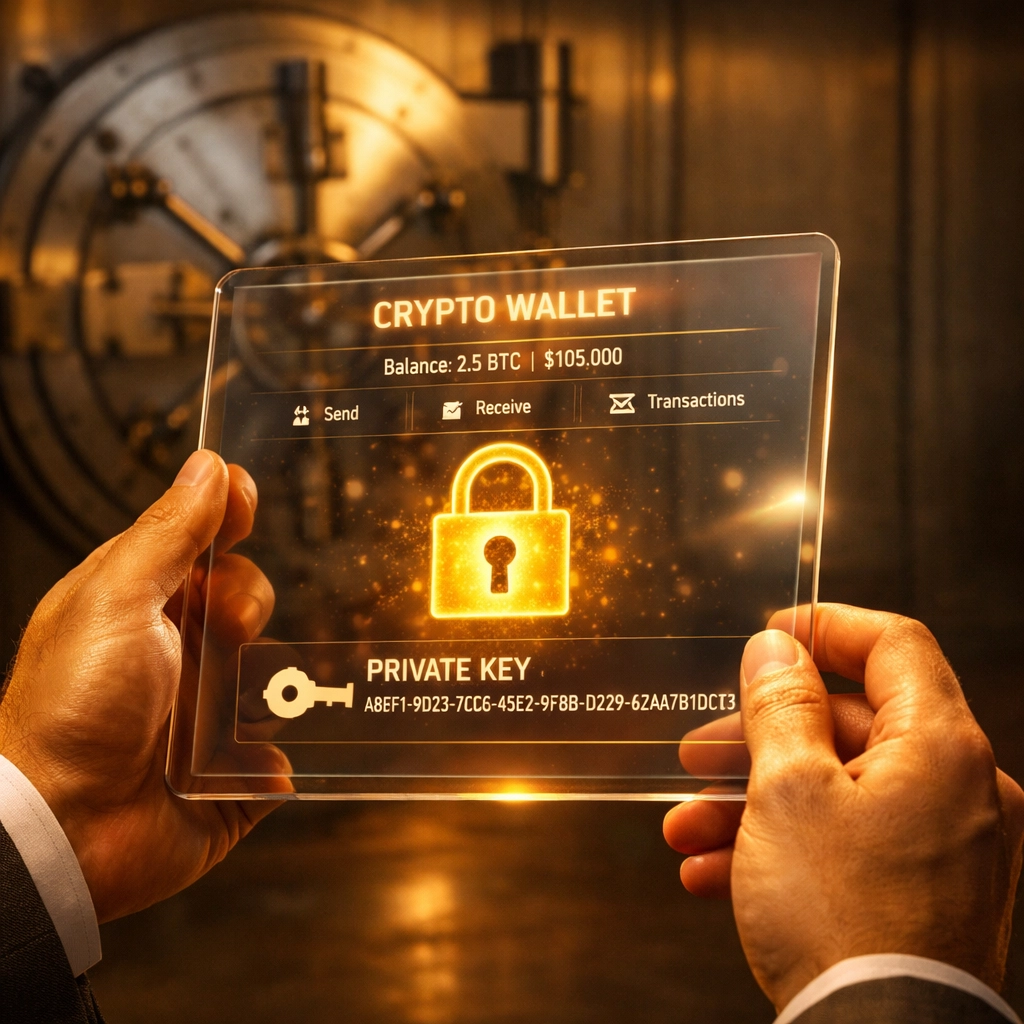
Here's what NOWPayments and CoinPayments won't tell you upfront: they hold your funds.
Custodial control means you're trusting them with your money. Want to withdraw? That's another fee. Need immediate access? Wait for their processing times.
Larecoin offers full self-custody. Your wallet. Your keys. Your funds. Always.
No withdrawal fees because you're not withdrawing from their system. The money hits your wallet instantly. No intermediaries. No waiting periods. No surprise charges.
This isn't just about fees. It's about financial sovereignty. Web3 payments should return control to merchants, not create new gatekeepers.
LUSD Stablecoin Eliminates Volatility Anxiety
Crypto's biggest merchant objection? Price volatility.
Accept $10,000 in Bitcoin. Check your balance an hour later. It's now worth $9,400. That's not a payment system. That's a gamble.
Larecoin's LUSD stablecoin solves this immediately. Pegged 1:1 with USD. Zero volatility. Full blockchain benefits.
Accept payments in LUSD. Know exactly what you're getting. Convert to fiat whenever you want or hold it on-chain. Your choice. Your timeline.
NOWPayments and CoinPayments offer stablecoin support, but you're still paying those percentage fees. LUSD transactions on Larecoin cost pennies in gas. Nothing more.
Stability without the fee penalty. That's the actual innovation.
NFT Receipts: More Than Digital Paper
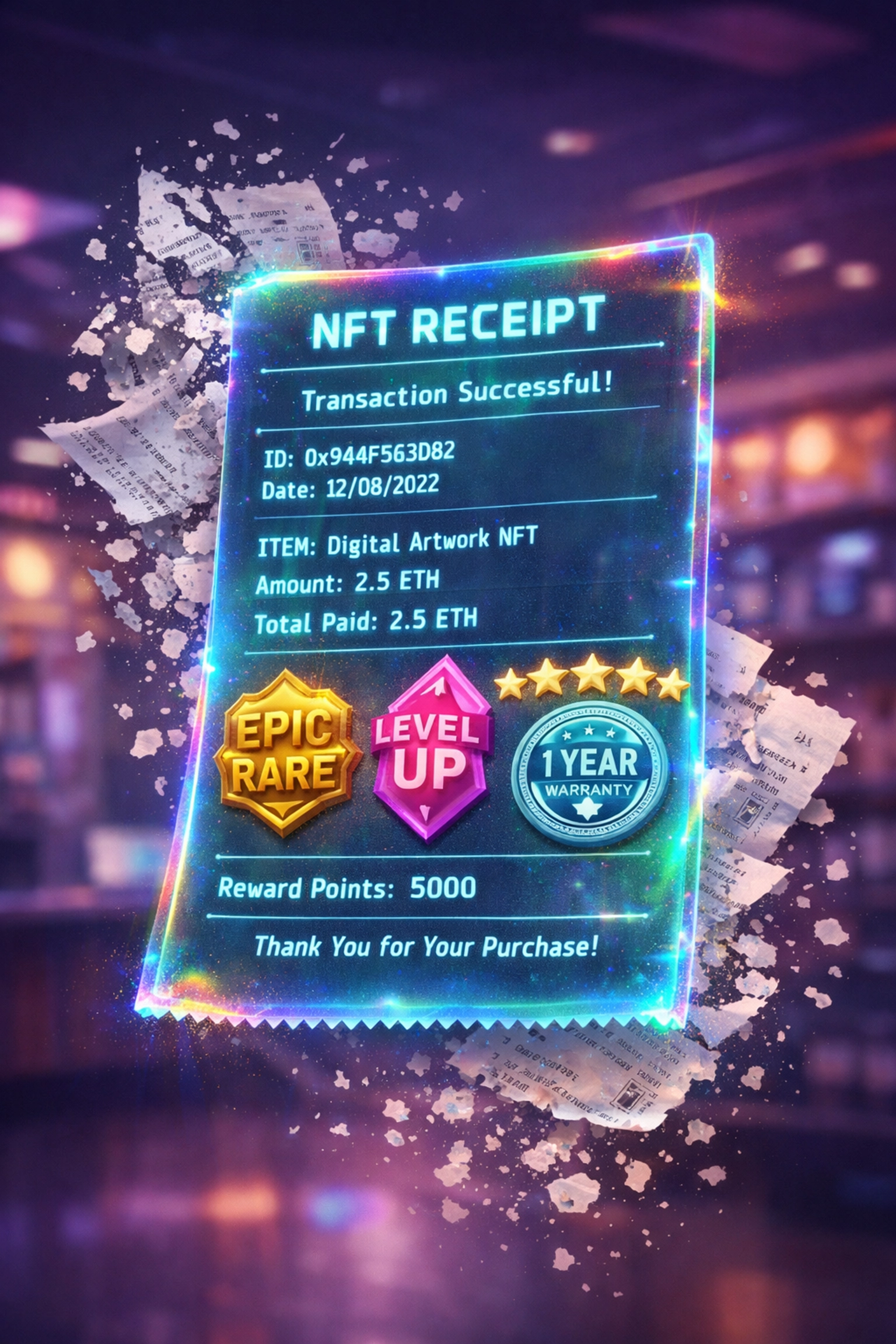
Every Larecoin transaction generates an NFT receipt. Sounds gimmicky until you understand the utility.
Traditional receipts get lost. Email confirmations end up in spam. Paper fades and tears. NFT receipts live permanently on-chain.
Immutable proof of purchase. No disputes about whether payment happened. The blockchain timestamp doesn't lie.
Automated loyalty programs. NFT receipts can embed reward tokens automatically. Buy coffee five times? The sixth reward appears in your wallet without manual tracking.
Warranty verification. Bought a $5,000 laptop? The NFT receipt proves purchase date and authenticity. No more digging through email from three years ago.
Resale value tracking. Limited edition items tied to NFT receipts create verifiable provenance chains. Authentication becomes instant.
Neither NOWPayments nor CoinPayments offer this functionality. They process payments. That's it. Larecoin creates an entire ecosystem around each transaction.
Compliance Without Compromise
Web3 gets painted as the Wild West. Unregulated. Risky. Sketchy.
Larecoin operates under full US MSB and MTL compliance. Money Service Business registration. Money Transmitter Licenses. All the regulatory boxes checked.
NOWPayments and CoinPayments maintain partial compliance at best. Operating in gray zones creates risk for merchants. Regulators notice. Accounts freeze. Funds get stuck.
Larecoin removes that uncertainty. Fully compliant from day one. Accept crypto payments without worrying about regulatory backlash.
Self-custody plus compliance is rare. Most platforms choose one or the other. Larecoin delivers both.
The Fee Structure Nobody Talks About
Percentage-based pricing hides costs effectively. A "low" 0.5% fee sounds reasonable until you calculate actual expenses.
Process $10 million annually? You're paying $50,000 in platform fees before network costs, withdrawals, and conversions. Those extras add another $20,000-$30,000 easily.
Total cost: $70,000-$80,000 per year.
Larecoin at $10 million processing? Gas costs hit roughly $10,000 annually.
Savings: $60,000-$70,000.
That's not a rounding error. That's hiring two full-time employees. That's expanding to a new market. That's actual business growth funded by savings that would've disappeared into payment processing.
Small merchants feel this even harder. A 1% fee on thin margins can mean the difference between profitability and failure.
Why This Matters Now
Interchange fees have climbed for decades. Merchants accepted them as unavoidable overhead. Credit cards charged 3%. PayPal took 2.9%. Everyone shrugged and paid.
Crypto promised disruption. Many platforms just replicated the same extractive models with blockchain branding.
"Web3 payments" that still charge percentage fees aren't actually innovative. They're old wine in new bottles.
Larecoin builds from first principles. What would a merchant-first payment system actually look like? No platform fees. Self-custody. True ownership. NFT utility. Regulatory compliance.
The technology exists. Solana handles thousands of transactions per second for pennies in gas. LUSD provides stability without volatility. Smart contracts enable NFT receipts automatically.
This isn't theoretical. Merchants are switching now. Calculating their savings. Keeping their money.
Making The Switch

Comparing payment processors comes down to one question: who keeps more of my money?
NOWPayments and CoinPayments charge percentage fees that scale with your success. Larecoin charges gas costs that stay minimal regardless of volume.
The math is simple. The savings are substantial. The decision shouldn't be difficult.
Financial sovereignty matters. Self-custody means control. NFT receipts add utility beyond simple payment processing. LUSD eliminates volatility concerns. Full compliance removes regulatory risk.
Web3 payments should empower merchants, not extract maximum fees while claiming innovation.
Larecoin delivers on the actual promise of cryptocurrency: lower costs, greater control, real ownership.
Calculate your current processing fees. Compare them to gas-only costs. The numbers speak clearly.
Your margins deserve better than percentage-based extraction. Your business deserves actual innovation.
Ready to cut your merchant fees by 50%+? Explore Larecoin's payment solutions and see the difference gas-only pricing makes for your bottom line.
Comments