

.png)
NOWPayments vs CoinPayments vs Larecoin: Which Self-Custody Solution Actually Cuts Your Interchange Fees in Half?
- [[[Free!!]<<<<]] Watch: 스포르팅 - 토트넘 Live Stream 13 September 2022
- 1 hour ago
- 3 min read
![Writer: [[[Free!!]<<<<]] Watch: 스포르팅 - 토트넘 Live Stream 13 September 2022](https://lh3.googleusercontent.com/a/AItbvmktwQc0wCdd3ZEETSYItRQubwwBzOyjD_dcigRf=s96-c)
Your interchange fees are bleeding you dry.
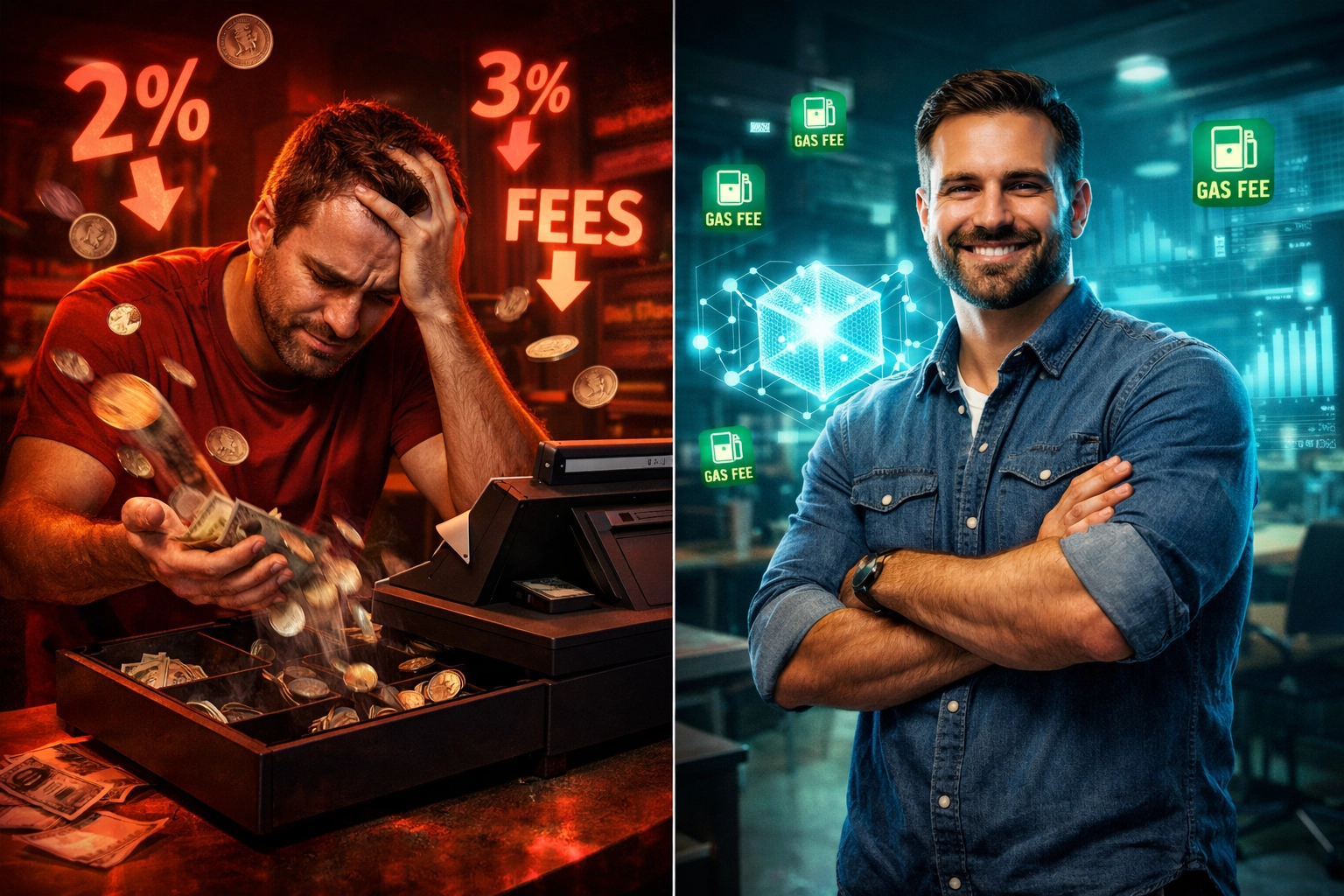
Traditional payment processors eat 2-3% of every transaction. That's $30,000 gone on a million-dollar revenue year. Crypto payment gateways promise relief. But do they deliver?
Let's cut through the marketing noise.
The Self-Custody Reality Nobody Talks About
Here's the problem: Most "crypto payment solutions" aren't actually self-custody.
NOWPayments and CoinPayments both operate on custodial models. Translation? They hold your funds. You're trusting a third party with your money. Again.
That's Web2 wearing a Web3 mask.
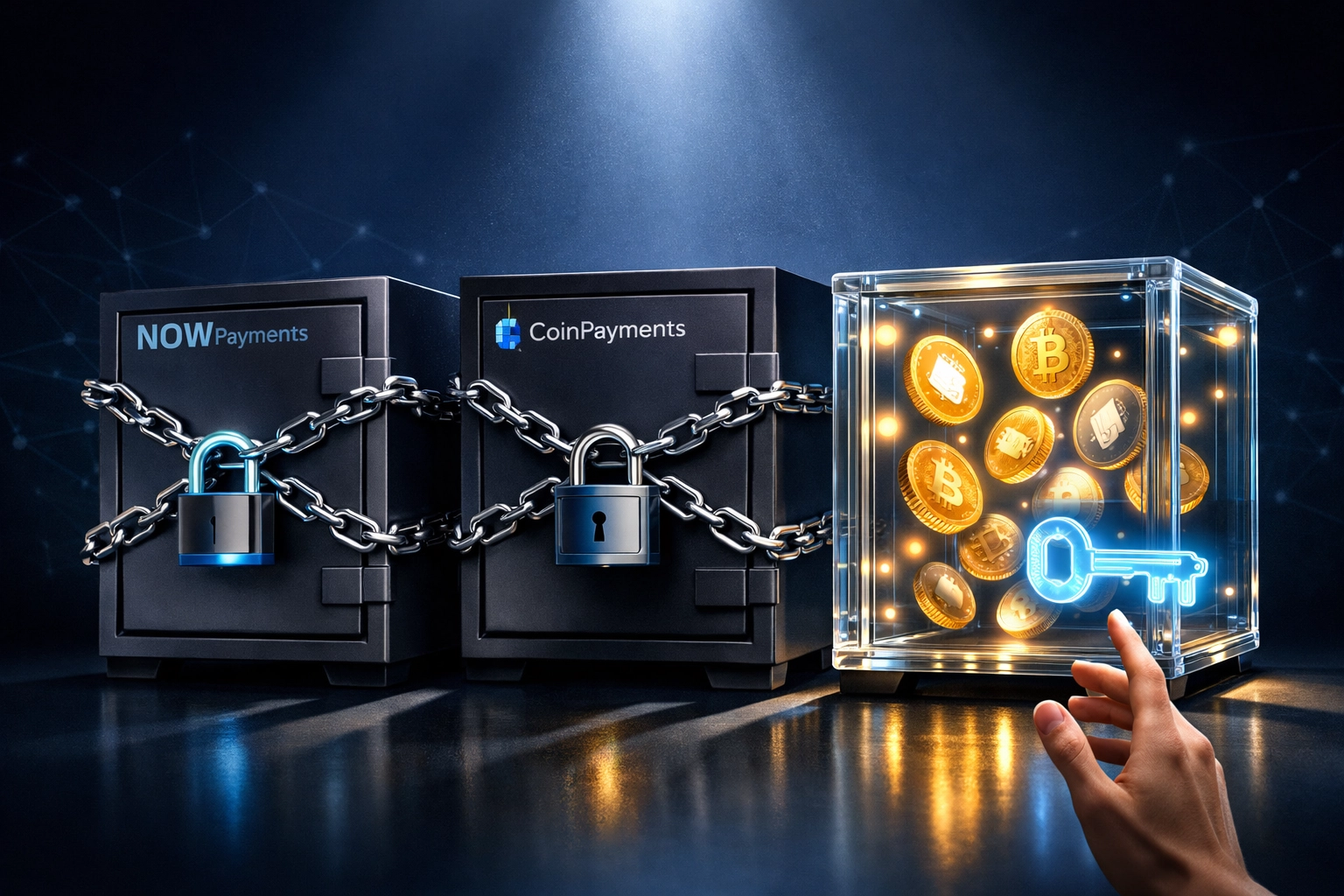
Larecoin flips this completely. True self-custody means you control your private keys. Your funds stay in your wallet. Always.
No intermediary. No counterparty risk. Just pure financial sovereignty.
Fee Structures: Where the Real Savings Live
Let's talk numbers.
NOWPayments charges:
0.5% for single-currency transactions
1% for multi-currency swaps
No payout fees (but you're still paying that percentage)
CoinPayments runs similar:
0.5-1% depending on cryptocurrency
Variable processing speeds
Network fees on top of their cut
Larecoin operates differently:
Gas-only fee model
Zero percentage-based charges
You pay network fees. That's it.
Here's what that means in real dollars:
Annual Volume | Traditional Processor | NOWPayments/CoinPayments | Larecoin |
$500,000 | ~$15,000 | ~$5,000 | Under $2,000 |
$1,000,000 | ~$30,000 | ~$10,000 | Under $4,000 |
$5,000,000 | ~$150,000 | ~$50,000 | Under $20,000 |
That's not a 50% reduction. That's 60-80% savings at scale.

Why Self-Custody Changes Everything for Merchants
Custodial solutions create bottlenecks.
Want to withdraw funds? Wait for processing. Need liquidity? Request access to your own money. Platform decides to freeze accounts? You're stuck.
Self-custody eliminates these failure points.
With Larecoin:
Instant access to your funds 24/7
No withdrawal limits or approval processes
Complete control over your treasury
Zero platform risk
This isn't just about fees. It's about operational freedom.
The NFT Receipt Advantage Most Platforms Miss
Here's where it gets interesting.
Traditional receipts? Paper trash or inbox clutter. Digital receipts from other platforms? Basic transaction logs.
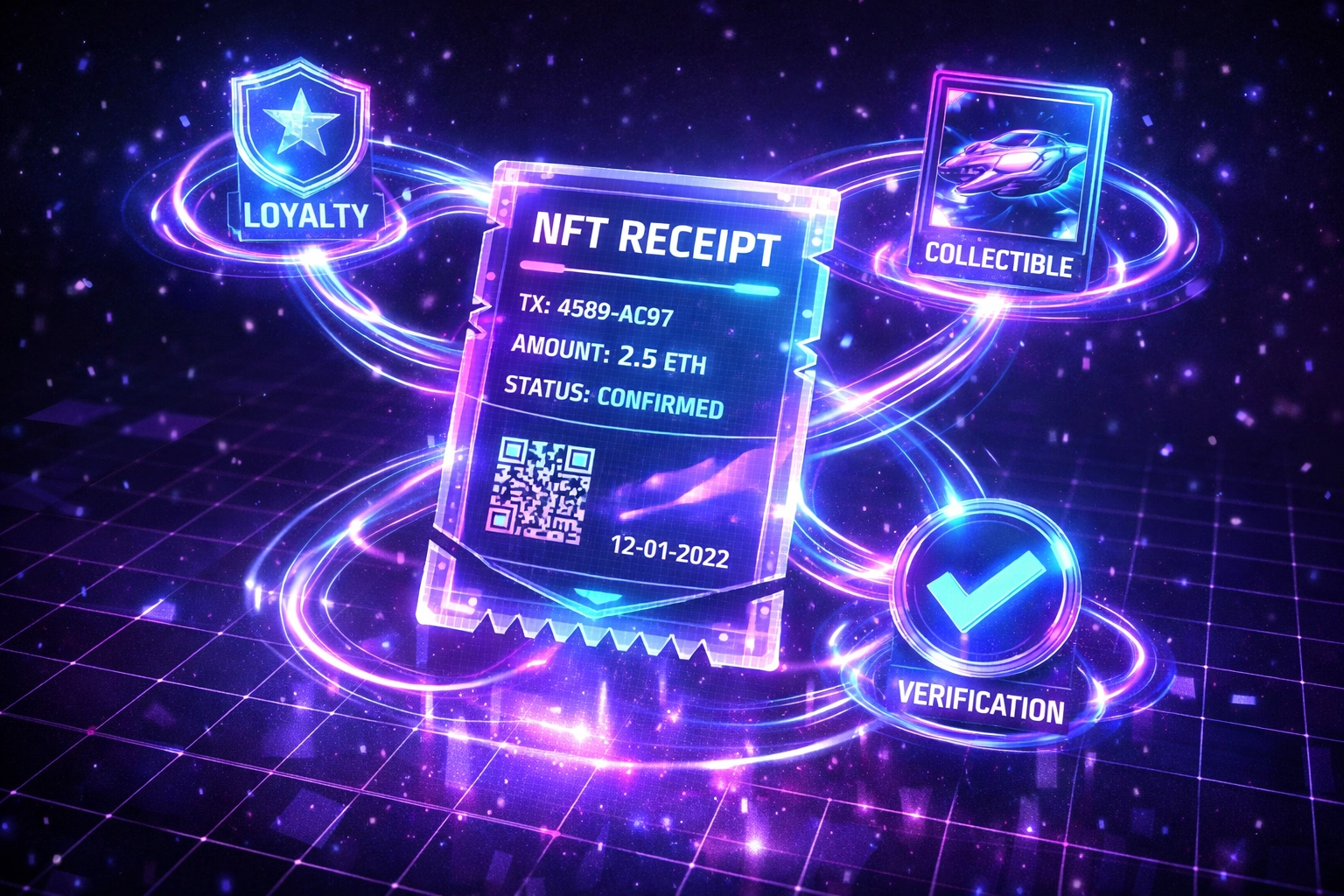
Larecoin issues NFT receipts.
Each transaction creates a unique, verifiable token. Why does this matter?
For merchants:
Immutable proof of sale
Automated accounting integration
Customer loyalty program integration
Dispute resolution made simple
For customers:
Verifiable proof of purchase
Resale value for limited edition purchases
Collectible transaction history
Web3-native experience
Think about it. Every transaction becomes a programmable asset. Build loyalty programs around receipt NFTs. Create exclusive offers for customers holding specific transaction tokens. The possibilities stack.
LUSD: The Stablecoin You Actually Want to Hold
Not all stablecoins are created equal.
USDT has regulatory questions. USDC can freeze funds. Most stablecoins are custodial nightmares wrapped in blockchain tech.
LUSD (Liquity USD) is different:
Fully decentralized
Over-collateralized with ETH
No central authority
Algorithmically maintained peg
Larecoin integrates LUSD natively. This means:
Stable pricing without centralization risk
No freeze functions or blacklisting
Predictable accounting for merchants
True DeFi integration
When you accept payments in LUSD through Larecoin, you're holding a genuinely decentralized asset. Not someone's IOU.
Breaking Down Real Merchant Scenarios
Scenario 1: Small E-commerce Store
Revenue: $500,000 annually
Traditional processor cost: $15,000
NOWPayments cost: $5,000
Larecoin cost: Under $2,000
Savings: $13,000 annually
That's hiring a part-time employee. Or reinvesting in inventory. Or pure profit.
Scenario 2: Growing SaaS Business
Revenue: $2,000,000 annually
Traditional processor cost: $60,000
CoinPayments cost: $20,000
Larecoin cost: Under $8,000
Savings: $52,000 annually
That's a marketing budget. A developer salary. Serious growth capital.
Scenario 3: Enterprise Merchant
Revenue: $10,000,000 annually
Traditional processor cost: $300,000
Crypto gateway cost: $100,000
Larecoin cost: Under $40,000
Savings: $260,000 annually
That's game-changing money.
The Migration Math
Switching payment processors feels risky. Let's make it simple.
What you're leaving behind:
Percentage-based fee bleeding
Custodial control loss
Platform dependency
Centralization risk
What you're gaining:
Gas-only fee model
Complete fund control
True financial sovereignty
Web3-native infrastructure
Integration time? Most merchants go live in under 48 hours.
Why Competitors Can't Match This Model
NOWPayments and CoinPayments built their businesses on the traditional payment processor model. Take a percentage. Custody funds. Operate as middlemen.
That model worked in Web2. It doesn't belong in Web3.
Larecoin started with a different question: What if merchants actually owned their payment infrastructure?
The answer required:
Self-custody architecture from day one
Gas-only fee structures
NFT receipt innovation
True decentralized stablecoin integration
You can't retrofit these features onto custodial platforms. The foundation is different.
Making the Switch
Here's your decision framework:
Stick with custodial solutions if:
You prefer someone else managing your funds
Percentage fees don't bother you
Centralization risk feels acceptable
You're okay with withdrawal limitations
Switch to Larecoin if:
You want actual self-custody
Cutting fees by 60-80% matters
Financial sovereignty is non-negotiable
You're building for Web3's future
The math speaks clearly. The architecture speaks clearly.
Your interchange fees can actually get cut in half: and then some.
Time to stop paying gatekeepers for permission to access your own money. Visit Larecoin and see the difference self-custody makes.
The future of merchant payments isn't custodial. It's sovereign.
Comments