

.png)
Self-Custody Merchant Accounts 101: A Beginner's Guide to Mastering Financial Sovereignty
- [[[Free!!]<<<<]] Watch: 스포르팅 - 토트넘 Live Stream 13 September 2022
- 2 hours ago
- 4 min read
![Writer: [[[Free!!]<<<<]] Watch: 스포르팅 - 토트넘 Live Stream 13 September 2022](https://lh3.googleusercontent.com/a/AItbvmktwQc0wCdd3ZEETSYItRQubwwBzOyjD_dcigRf=s96-c)
What Is Self-Custody Anyway?
Self-custody means you hold the keys.
Your keys. Your coins. Your control.
No bank approval. No processor middlemen. No waiting 3-5 business days for your own money.
When customers pay you, funds land directly in your wallet. Instantly. No intermediary touching your revenue stream. No compliance team deciding if you deserve access to your earnings.
This is financial sovereignty.
Traditional Merchant Accounts Are Broken
Let's break down what traditional payment processing actually costs:
The Real Numbers
2.9% + $0.30 per transaction (minimum)
Monthly gateway fees: $25-50
PCI compliance fees: $100+ annually
Chargeback fees: $15-25 per incident
Cross-border markup: Additional 1-2%
Currency conversion: Another 2-3%
Processing $100,000 monthly? You're bleeding $35,000+ annually in fees alone.
And that's before they freeze your account for "suspicious activity."
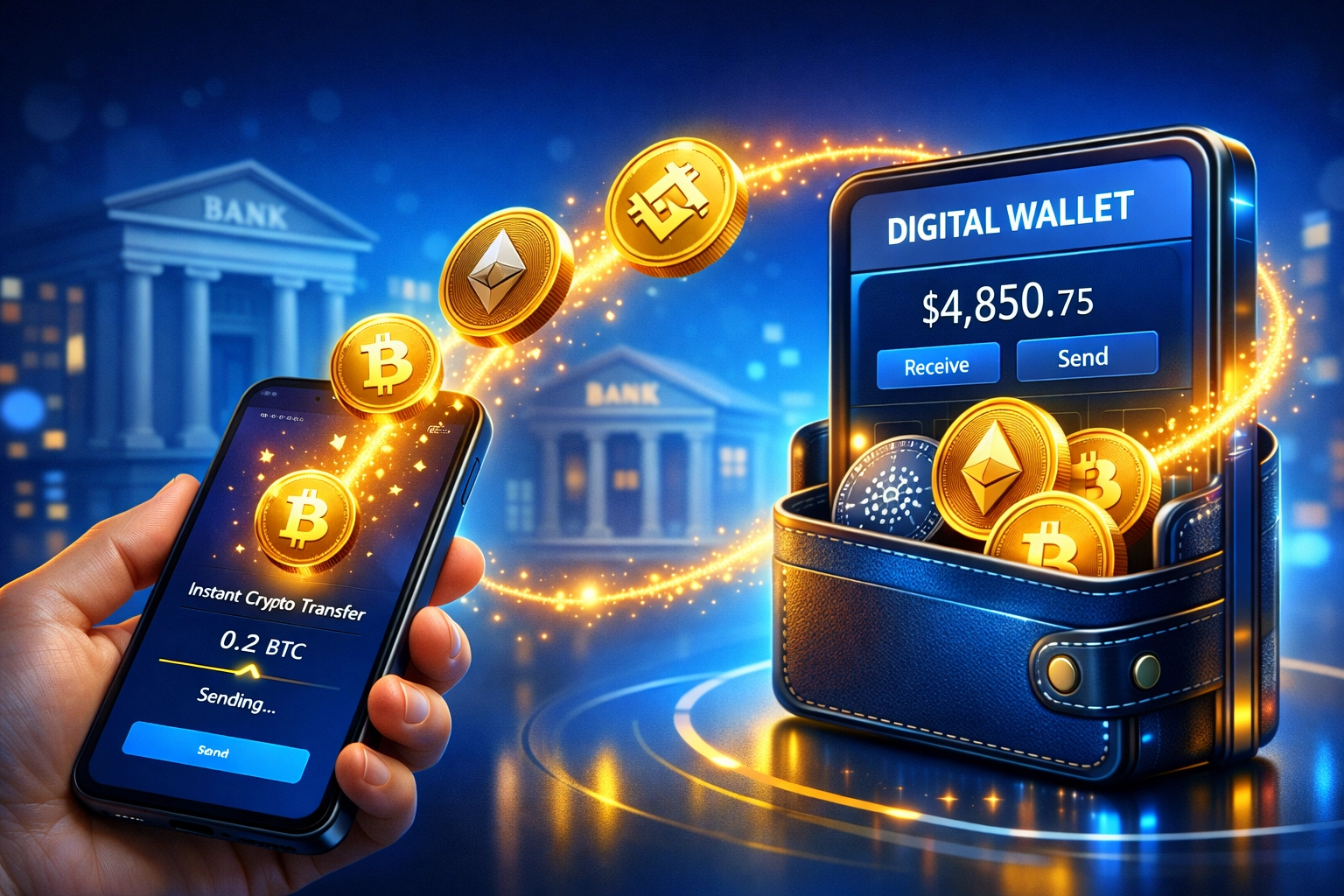
How Self-Custody Merchant Accounts Work
The mechanics are stupidly simple:
Customer initiates payment at checkout
Transaction broadcasts to blockchain
Funds arrive in your wallet
Settlement completes instantly
No applications. No credit checks. No waiting weeks for bank approval.
Setup takes minutes, not months.
What You Get
Direct wallet deposits without processor delays
Zero freezes or arbitrary holds
Minimal fees (blockchain gas only)
Complete control over incoming payments
No chargeback risk
The Cost Savings Are Insane
Blockchain gas fees on efficient networks? Pennies.
Larecoin runs on Solana. Transaction costs average $0.0025. Not $2.50. Two-tenths of a cent.
Compare that to traditional interchange:
Visa/Mastercard: 2.9% + $0.30
Larecoin: Gas fees only
Real Example:
Traditional: $100 transaction = $3.20 in fees
Larecoin: $100 transaction = $0.0025 in fees
That's a 99.9% reduction in processing costs.
Scale that across thousands of transactions monthly. The savings become generational wealth.
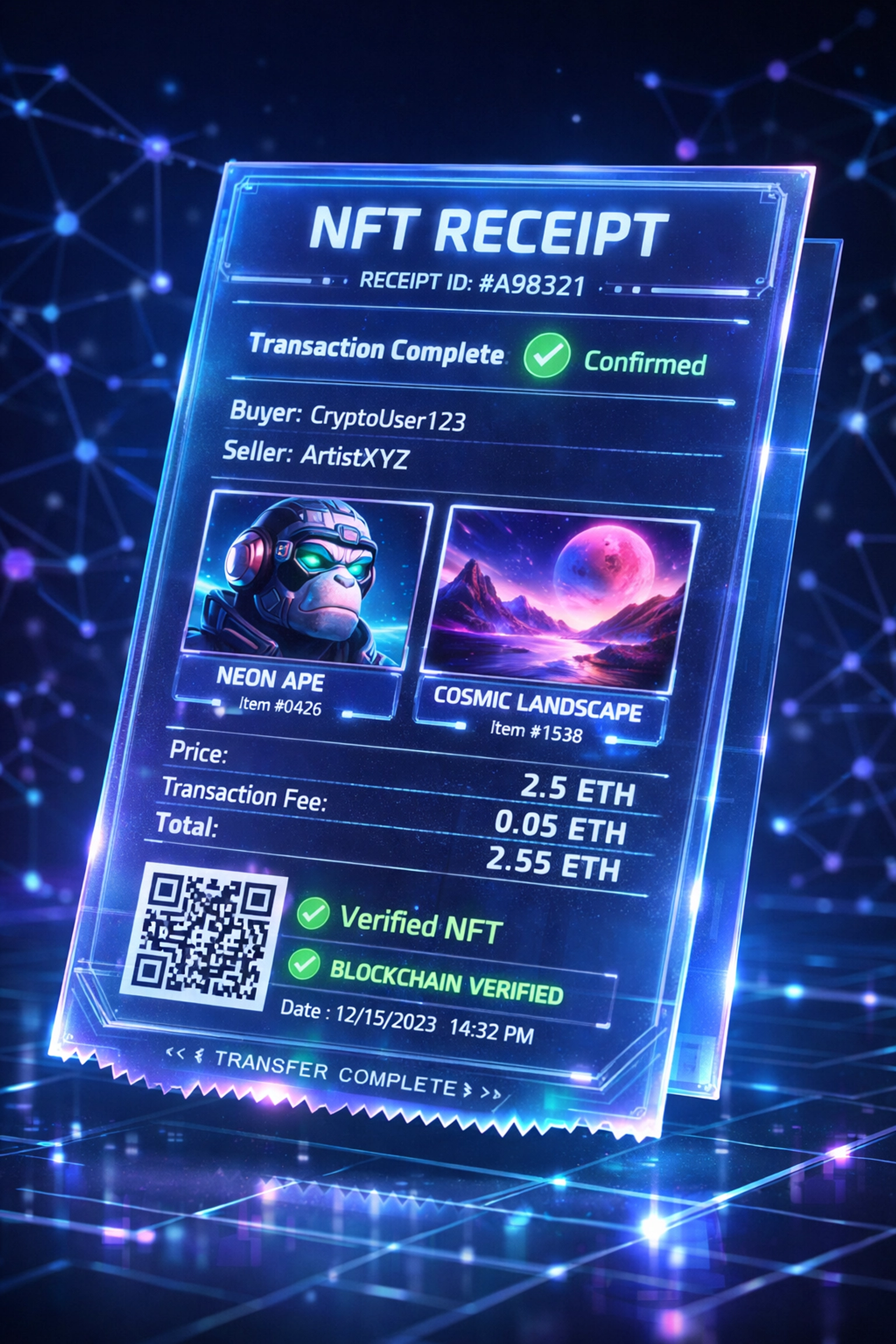
NFT Receipts Change Everything
Here's where it gets wild.
Every transaction becomes a programmable, verifiable receipt minted as an NFT.
Why This Matters
Permanent transaction records on-chain
Proof of purchase that can't be disputed
Embedded metadata (items, quantities, timestamps)
Automatic warranty tracking
Resale royalties built-in
Imagine selling limited edition products. The NFT receipt verifies authenticity. Resale markets automatically pay you royalties. Your customers can prove ownership forever.
Traditional receipts? They fade, get lost, mean nothing.
NFT receipts are programmable proof of commerce.
LUSD Stablecoin: The Merchant's Secret Weapon
Volatility kills merchant adoption. Customers don't want to spend Bitcoin at $60K knowing it might hit $100K next month.
Enter LUSD.
What Makes LUSD Different
Pegged 1:1 to USD
Zero volatility for merchant accounting
Instant settlement in stable value
No currency conversion fees
Global accessibility without forex markup
You price products in dollars. Customers pay in LUSD. You receive dollars-equivalent value immediately.
No exposure to crypto volatility. All the benefits of blockchain settlement.
This solves the merchant hesitation problem completely.

Larecoin vs The Competition
Let's compare self-custody options honestly.
NOWPayments
Custodial by default
They hold your private keys
Settlement delays still exist
Limited stablecoin support
Higher fees than pure blockchain transactions
CoinPayments
Better than NOWPayments, still custodial
Fee structure: 0.5% per transaction
Mandatory KYC for most features
They control fund access
Not true self-custody
Larecoin
True self-custody from day one
You hold private keys always
Gas-only transaction costs ($0.0025 average)
NFT receipt generation built-in
LUSD stablecoin integration native
No KYC required for basic merchant acceptance
Instant settlement with zero intermediary hold
The difference? Larecoin doesn't pretend to offer self-custody. It's architected for it.
Setting Up Takes 10 Minutes
Traditional merchant account applications ask for:
Tax returns
Bank statements
Business licenses
Credit checks
Personal guarantees
Processing history
Wait time: 2-6 weeks
Larecoin setup:
Create Web3 wallet (MetaMask, Phantom, Rainbow)
Visit Larecoin
Generate payment QR code
Display at checkout
Start receiving payments
No applications. No approval process. No waiting.
You're processing payments in the time it takes to read this section.
Security: You're The Bank Now
Self-custody means responsibility shifts to you.
Critical Security Practices
Store private keys offline (hardware wallet)
Never share seed phrases with anyone
Use multi-signature wallets for large amounts
Back up keys in multiple secure locations
Enable 2FA on wallet access points
Lose your keys? No customer service recovers them.
This isn't a bug. It's a feature. Nobody can freeze, seize, or restrict your funds because nobody else has access.
True financial sovereignty requires true responsibility.
The Geographic Freedom Factor
Traditional banking discriminates.
Controversial industries? Denied. Developing countries? Sorry. High-risk merchant categories? No thanks.
Self-custody eliminates geographic and categorical restrictions.
Who Benefits Most
Cannabis businesses (legal but unbanked)
Adult content creators
International freelancers
High-risk merchant categories
Merchants in developing nations
Anyone facing banking discrimination
Blockchain doesn't care about your business type, location, or political climate.
Transactions either validate or they don't. No moral judgments. No arbitrary denials.
Why Merchants Are Making The Switch
The math speaks loudly.
Processing $50,000 monthly through traditional channels costs roughly $18,000 annually in fees.
Through Larecoin? Approximately $15 in gas fees annually.
Beyond Cost Savings
No chargebacks eating profit
Instant settlement improving cash flow
Global reach without currency barriers
NFT receipts adding customer value
LUSD stability eliminating volatility risk
Complete control over business funds
Early adopters aren't just saving money. They're building competitive moats.
The Future Is Self-Custodial
Traditional payment rails were built for a pre-internet world.
Banks as trusted intermediaries made sense when physical money needed physical vaults.
Digital money needs digital rails. Blockchain provides them.
Self-custody merchant accounts aren't experimental anymore. They're operational, tested, and scaling.
The question isn't whether to adopt. It's whether you can afford to wait while competitors slash costs by 99%+ and pocket the difference.
Financial sovereignty isn't coming. It's here.
Ready to cut processing fees by 50%+ and take control of your merchant revenue?
Explore how Larecoin's Web3 payment solutions are helping thousands of merchants reclaim financial sovereignty.
Your keys. Your coins. Your business.
No intermediaries required.
Comments