

.png)
The 100-Post Marathon Continues: How LareBlocks Layer 1 Powers the Future of Web3 Payments
- [[[Free!!]<<<<]] Watch: 스포르팅 - 토트넘 Live Stream 13 September 2022
- 2 hours ago
- 5 min read
![Writer: [[[Free!!]<<<<]] Watch: 스포르팅 - 토트넘 Live Stream 13 September 2022](https://lh3.googleusercontent.com/a/AItbvmktwQc0wCdd3ZEETSYItRQubwwBzOyjD_dcigRf=s96-c)
The Marathon Hits Hour 200. And We're Just Getting Started.
The 100-post marathon launched in January 2026. Now we're doubling down with 100 more hourly posts.
Why? Because Larecoin isn't just another payment processor riding someone else's blockchain.
LareBlocks is an independent Layer 1 blockchain built specifically for real-world commerce. Not a side chain. Not a token on Ethereum. Not an interface layer on Solana.
A full-stack, purpose-built Layer 1 for Web3 payments.
Let's break down exactly what that means for merchants, developers, and anyone tired of legacy payment rails.
Why Layer 1 Architecture Changes Everything
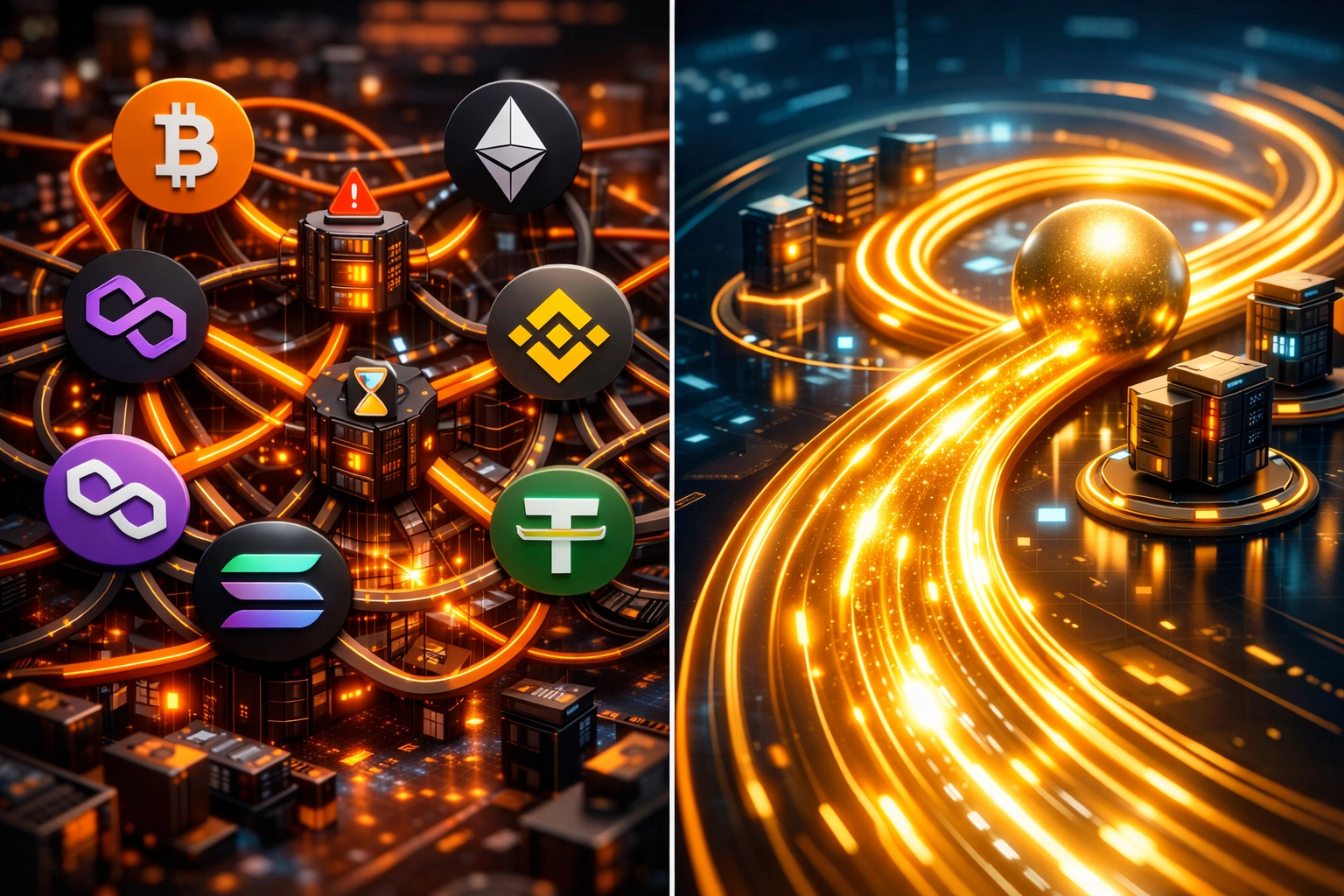
Most crypto payment platforms operate as interfaces on top of existing blockchains. They're middlemen adding layers between you and the transaction.
NOWPayments? Interface layer. CoinPayments? API wrapper on other chains.
LareBlocks? Own consensus mechanism. Own distributed ledger. Own validator network.
What This Actually Means:
Direct Settlement Transactions validate on-chain without intermediaries. No waiting for third-party confirmations. No dependencies on external networks.
Protocol-Level Features AI pricing algorithms, NFT receipts, and master/sub-wallet architecture baked directly into the blockchain. Not bolted on through APIs.
Real Decentralization Globally distributed validator nodes. Proof-of-Stake consensus. No single entity can freeze your account or shut down the network.
Performance That Scales 4,500+ transactions per second. Sub-second finality. Real-time balance updates.
That's not theoretical. That's production-ready infrastructure powering live commerce today.
The Commerce Features Built Into The Protocol
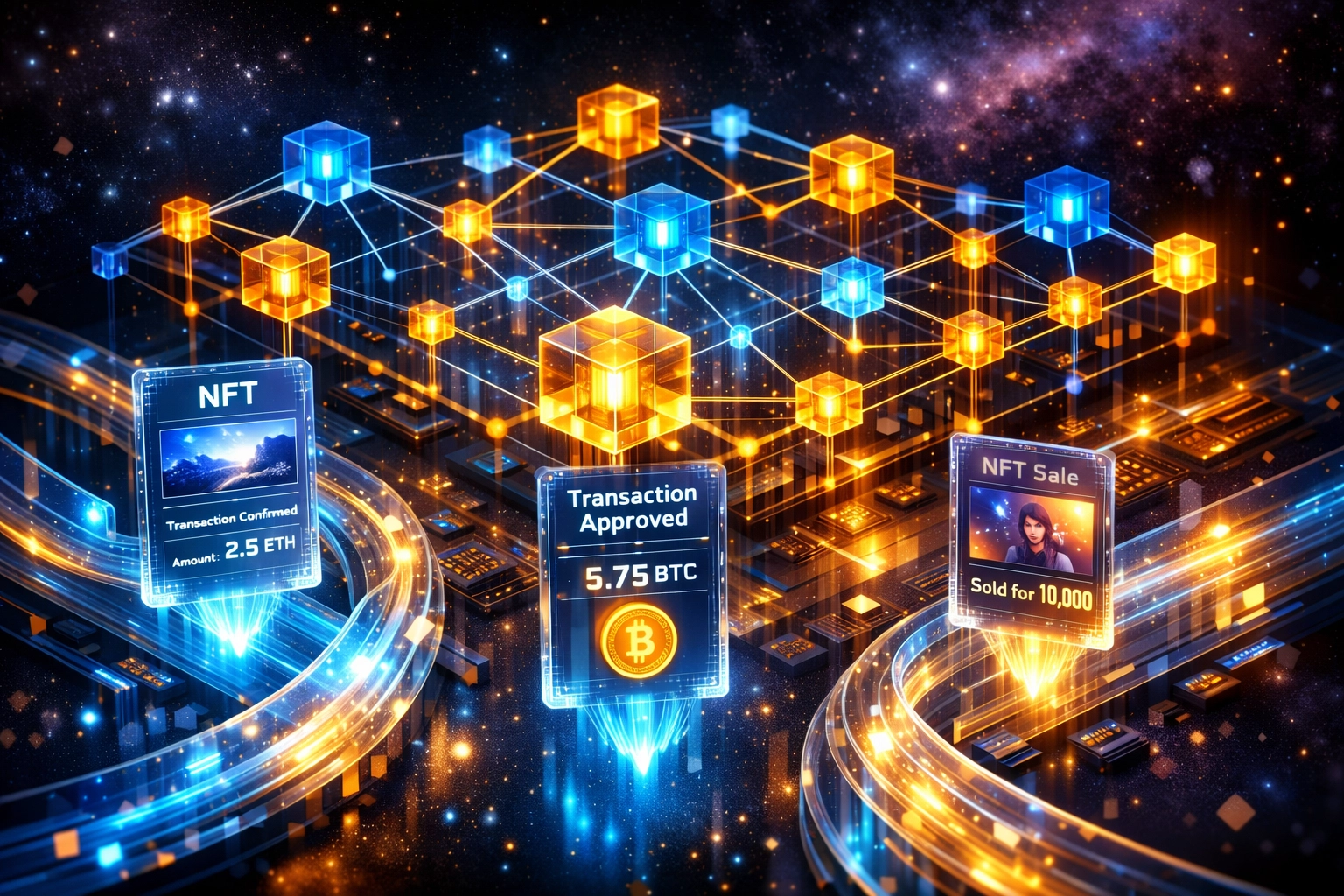
LareBlocks doesn't just process payments. It reimagines the entire merchant stack at the protocol level.
NFT Receipts (Every Transaction)
Every purchase generates an immutable NFT receipt. Automatic proof of purchase. Transparent tax compliance. No third-party receipt management systems.
LUSD Stablecoin (Zero FX Volatility)
LARE token for ecosystem participation. LUSD stablecoin for price-stable payments. Both native to the Layer 1.
Merchants choose: embrace crypto volatility with LARE or peg to dollars with LUSD. No external stablecoin bridges required.
AI-Driven Dynamic Pricing
Pricing algorithms run at the protocol level. Adjust prices based on demand, inventory, and market conditions in real-time. No external APIs. No latency.
Push-to-Card Services
Instant crypto-to-card conversion. Customers pay with LARE or LUSD. Funds hit traditional debit cards in seconds. Bridge between Web3 and legacy finance without losing self-custody.
Master/Sub-Wallet Architecture
Enterprise-grade wallet management coded directly into the blockchain. One master wallet controls unlimited sub-wallets. Perfect for multi-location businesses, franchise operations, or treasury management.
Metaverse Shopping Integration
Virtual storefronts process real payments. Not demo transactions. Not testnet experiments. Actual commerce happening in digital spaces with settlement on LareBlocks Layer 1.
Smart Contract Escrow
Dispute resolution built into payment flows. Conditional releases. Multi-signature requirements. Trust protocols at the blockchain level.
The 50% Fee Savings Breakdown
Legacy payment rails charge 2-3% plus fixed fees. Credit cards take their cut. Payment processors take theirs. Banks take theirs again.
LareBlocks eliminates the middlemen.
Traditional Payment Flow:
Customer → Processor → Card Network → Acquiring Bank → Merchant Bank → Merchant
LareBlocks Payment Flow:
Customer → LareBlocks Layer 1 → Merchant
Result: 50% fee reduction. Not marketing fluff. Math.
No interchange fees. No processing fees. No monthly gateway charges. Just gas fees to compensate validators securing the network.
For a merchant processing $100,000 monthly, that's $1,000-$1,500 saved every month. $12,000-$18,000 annually. Compounding year over year.
The CLARITY Act Changes The Game
H.R. 3633 (Crypto Clarity Act) classifies digital assets as commodities, not securities.
What This Means For Larecoin:
Regulatory Certainty LARE token operates under CFTC jurisdiction. Clear rules. Predictable compliance framework.
Enhanced Liquidity Commodity classification enables institutional participation. More liquidity. Tighter spreads. Better pricing for merchants converting to fiat.
Stablecoin Infrastructure LUSD stablecoin benefits from clear regulatory treatment. No SEC enforcement risk hanging over payment processors.
Reduced Operational Risk Merchants using Larecoin face minimal enforcement uncertainty. No surprise regulatory actions shutting down payment channels overnight.
The CLARITY Act doesn't just help Larecoin. It legitimizes the entire Web3 payments category. But having a dedicated Layer 1 architecture positions Larecoin to capitalize faster than platforms dependent on external chains.
How LareBlocks Compares To NOWPayments and CoinPayments

NOWPayments:
API service supporting 200+ cryptocurrencies. Operates on existing blockchains. Adds processing layer between merchant and settlement. Additional fees. Custody concerns.
CoinPayments:
Multi-coin payment gateway. Built on third-party infrastructure. Transaction speed limited by underlying blockchains (Bitcoin 10+ minutes, Ethereum variable gas). No native commerce features.
LareBlocks Layer 1:
Purpose-built blockchain. Native LARE and LUSD settlement. 4,500+ TPS. Sub-second finality. AI pricing, NFT receipts, and push-to-card at protocol level. Full decentralization with validator-secured network.
The difference isn't subtle. It's architectural.
NOWPayments and CoinPayments rent infrastructure. LareBlocks owns and operates the rails.
When you build on rented infrastructure, you inherit that network's limitations. Slow settlement times. High gas fees during congestion. Security vulnerabilities from bridging multiple chains.
LareBlocks eliminates those constraints by controlling the entire stack.
Self-Custody Security Built Into Layer 1
Centralized payment processors hold custody of funds. They control private keys. They can freeze accounts.
LareBlocks Layer 1 guarantees self-custody at the protocol level.
Merchants hold their own private keys. Smart wallets enable multi-signature security without sacrificing control. No platform can freeze funds or restrict access.
The validator network secures the blockchain through Proof-of-Stake consensus. But validators never custody merchant funds. They validate transactions. They don't control wallets.
That's the difference between decentralized architecture and centralized platforms wearing blockchain clothing.
The AI Shopping Layer Running On LareBlocks
Metaverse integration isn't a future roadmap item. It's live.
Virtual storefronts running on LareBlocks process real transactions. Customers browse digital products, make purchases with LARE or LUSD, receive NFT receipts, and take delivery: all settled on Layer 1 infrastructure.
AI-powered search helps customers discover products across virtual spaces. Machine learning algorithms optimize product recommendations. Dynamic pricing adjusts in real-time based on virtual foot traffic and inventory levels.
All of this runs natively on LareBlocks. No external APIs. No third-party integrations introducing latency or single points of failure.
What The Next 100 Posts Will Cover
This marathon isn't about quantity. It's about depth.
The next 100 hourly posts will dissect:
CLARITY Act regulatory advantages for commodity-based payment tokens
Technical deep-dives into LareBlocks consensus mechanism
Merchant case studies showing real fee savings
LUSD stablecoin mechanics and reserve backing
NFT receipt use cases for enterprise accounting
Layer 1 security architecture vs. centralized platforms
AI metaverse shopping infrastructure
Cross-border payment settlement without correspondent banks
Smart contract escrow systems for high-value transactions
Master/sub-wallet configurations for enterprise treasury management
Each post adds another piece to the Web3 commerce puzzle.
Join The Layer 1 Revolution
Legacy payment systems charge too much. Take too long. Control your funds.
Platforms built on borrowed infrastructure inherit those networks' limitations.
LareBlocks Layer 1 eliminates both problems.
Own infrastructure. Sub-second settlement. 50% fee savings. Protocol-level commerce features.
The marathon continues. The ecosystem grows. The Layer 1 advantage compounds.
Explore the Larecoin ecosystem and see what purpose-built infrastructure enables.
The future of Web3 payments isn't building on someone else's blockchain.
It's owning the rails.
Comments