

.png)
The CLARITY Act Matters: How H.R. 3633 Gives Crypto Merchants a Regulatory Edge in 2026
- [[[Free!!]<<<<]] Watch: 스포르팅 - 토트넘 Live Stream 13 September 2022
- 2 hours ago
- 4 min read
![Writer: [[[Free!!]<<<<]] Watch: 스포르팅 - 토트넘 Live Stream 13 September 2022](https://lh3.googleusercontent.com/a/AItbvmktwQc0wCdd3ZEETSYItRQubwwBzOyjD_dcigRf=s96-c)
The Regulatory Wild West is Over
For years, crypto merchants faced a nightmare question: Are we dealing with the SEC or the CFTC?
That uncertainty killed deals. Scared investors. Made compliance a guessing game.
H.R. 3633: the CLARITY Act: changes everything.
As of February 2026, this legislation passed the House and sits in Senate review. Smart merchants aren't waiting. They're positioning now for the regulatory advantage this bill creates.
Here's exactly what changed and why it matters for your bottom line.
What the CLARITY Act Actually Does
The bill draws a bright line in the regulatory sand.
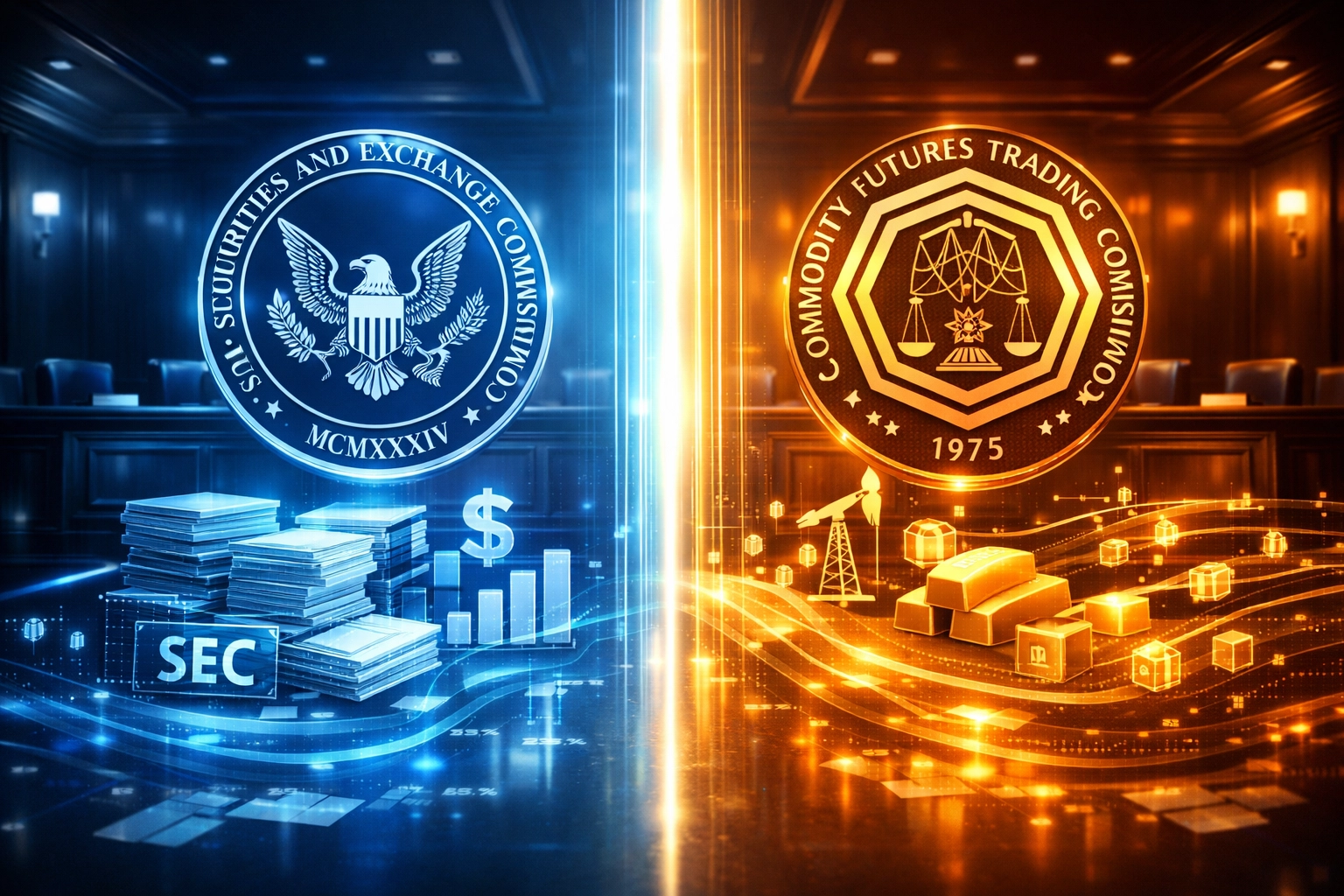
CFTC gets exclusive jurisdiction over digital commodity spot markets. SEC keeps investment contract assets. No more overlap. No more confusion.
For merchants accepting crypto payments, this means:
Clear compliance pathways
Defined registration requirements
Protected self-custody rights
Stablecoin operational standards
DeFi carve-outs that actually make sense
The legislation specifically defines digital commodities as digital assets intrinsically linked to a blockchain system. Value derives from the blockchain's use. Not from some third party's efforts.
This definition protects payment-focused ecosystems like Larecoin.
Five Regulatory Advantages That Matter Right Now
1. No More Regulatory Limbo
Before H.R. 3633, merchants operated in gray zones. Is your payment token a security? Maybe. Depends who you ask.
Now? Crystal clear.
Digital commodities fall under CFTC jurisdiction. Investment contracts stay with the SEC. Merchants accepting LARE or LUSD know exactly where they stand.
2. Registration Pathways Exist
The bill establishes registration for digital commodity exchanges, brokers, and dealers under CFTC oversight.
This isn't bureaucratic overhead. It's legitimacy.
Registered merchants gain:
Institutional credibility
Banking relationship opportunities
Insurance eligibility
Customer confidence
3. Self-Custody Protection
The CLARITY Act explicitly protects self-custody rights.
For Larecoin's Master/Sub-wallet architecture, this is huge. Merchants maintain full control. No mandatory third-party custody. No forced intermediaries.
Your keys. Your crypto. Your business.
4. Stablecoin Clarity
The legislation sets clear standards for stablecoins while ensuring they're not treated as bank deposits.
LUSD, Larecoin's stablecoin, operates within defined parameters. Merchants using LUSD for payments avoid the regulatory uncertainty that plagued stablecoin adoption in 2024-2025.
Push-to-Card services become compliant by default. Fiat off-ramps no longer require legal gymnastics.
5. DeFi Carve-Outs
Software developers and DeFi-focused merchants get regulatory breathing room.
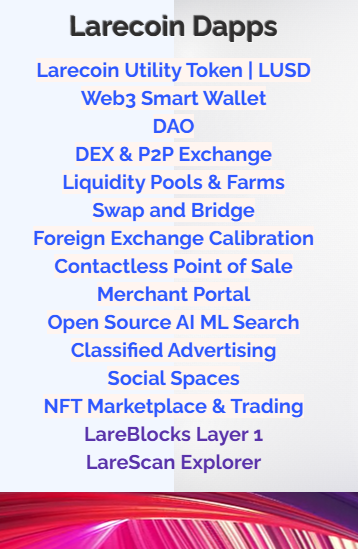
Larecoin's LareBlocks Layer 1 infrastructure benefits directly. Smart contracts, liquidity pools, and decentralized swap mechanisms operate within protected frameworks.
No more wondering if deploying a smart contract makes you a money transmitter.
How Larecoin Capitalizes on This Regulatory Edge
The CLARITY Act doesn't just benefit crypto broadly. It specifically advantages merchant-focused payment ecosystems built for compliance.
Larecoin was designed for this moment.
Transparent Infrastructure
LareBlocks and LareScan provide full blockchain transparency. Every transaction is traceable. Every wallet is auditable.
When regulators ask questions, you have answers.
Fee Structure That Wins
50% lower fees than NOWPayments, CoinPayments, and Triple-A.
Why? Because regulatory clarity reduces operational overhead. We pass savings directly to merchants.
Processing crypto payments shouldn't cost more than traditional rails. With H.R. 3633 reducing compliance complexity, it doesn't have to.

NFT Receipts and Audit Trails
Larecoin's NFT receipt system creates immutable transaction records.
For merchants, this means:
Instant compliance documentation
Automated tax reporting
Fraud-proof transaction histories
Customer purchase verification
Every payment becomes its own compliance artifact.
The 1.5% Social Impact Advantage
Here's where Larecoin's regulatory edge gets interesting.
The 1.5% tax to charity isn't just feel-good marketing. It's documented social impact that strengthens regulatory standing.
Tax authorities and regulators favor businesses demonstrating community benefit. Larecoin's built-in charitable mechanism creates automatic goodwill.
AI-Powered Compliance Tools
Larecoin's AI/ML search capabilities extend to compliance monitoring.
Smart merchants use these tools to:
Flag suspicious transactions automatically
Monitor wallet activity for regulatory triggers
Generate compliance reports in real-time
Identify KYC/AML issues before they escalate
The CLARITY Act sets the rules. Larecoin's infrastructure makes following them effortless.
What This Means for Your Business in 2026
Regulatory clarity creates competitive advantages.
Early adopters win.
Merchants integrating Larecoin payments now gain:
First-mover credibility with compliant crypto infrastructure
Cost advantages from lower processing fees
Customer confidence from transparent blockchain operations
Institutional appeal from regulatory-compliant payment rails
The businesses still using legacy crypto payment processors face two problems:
Higher fees eating profit margins
Regulatory uncertainty delaying enterprise adoption
Larecoin solves both.
Practical Next Steps
If you're a merchant accepting crypto payments: or considering it: here's your action plan:
Immediate Actions:
Review your current payment processor's compliance framework
Calculate actual processing costs including regulatory overhead
Evaluate Master/Sub-wallet benefits for your business model
30-Day Timeline:
Set up Larecoin merchant account at larecoin.com/merchants
Test LUSD stablecoin payments with Push-to-Card settlement
Implement NFT receipt system for transaction documentation
90-Day Strategy:
Migrate primary crypto payment processing to Larecoin infrastructure
Train staff on regulatory compliance advantages
Market your business as CLARITY Act compliant
The regulatory edge exists. The infrastructure is live. The competitive advantage is real.
The Metaverse Dimension
One final advantage often overlooked: B2B2C metaverse integration.
The CLARITY Act's DeFi protections extend to virtual economies. Larecoin's metaverse shopping experiences operate within compliant frameworks from day one.
Competitors building metaverse payment systems face regulatory uncertainty. Larecoin merchants don't.
Learn more about future-proofing your business at larecoin.com/metaverse.

Bottom Line
H.R. 3633 creates winners and losers in crypto payments.
Winners: Merchants using compliant, transparent infrastructure with clear regulatory positioning.
Losers: Businesses stuck with legacy processors navigating outdated compliance frameworks.
Larecoin sits squarely in the winner's circle.
50% lower fees. Built-in compliance. Social impact documentation. AI-powered tools. Layer 1 transparency.
The CLARITY Act didn't create these advantages. It revealed them.
Your competitors are reading this too. The question is who moves first.
Ready to capitalize on your regulatory edge?
Explore merchant solutions at larecoin.com/merchants.
The regulatory landscape shifted. Your payment infrastructure should too.
Comments