

.png)
The Future of Shopping: Why VR/AR Metaverse Payments Will Change the Way You Accept Crypto in 2026
- [[[Free!!]<<<<]] Watch: 스포르팅 - 토트넘 Live Stream 13 September 2022
- 4 hours ago
- 4 min read
![Writer: [[[Free!!]<<<<]] Watch: 스포르팅 - 토트넘 Live Stream 13 September 2022](https://lh3.googleusercontent.com/a/AItbvmktwQc0wCdd3ZEETSYItRQubwwBzOyjD_dcigRf=s96-c)
The 2026 Metaverse Shopping Revolution Isn't Coming. It's Here.
Gartner's prediction is clear: 25% of people will spend at least one hour daily in the metaverse by 2026 for work, shopping, education, and social activities. That's not a distant future. That's this year.
And here's the kicker: traditional payment rails can't follow your customers into virtual storefronts. Credit cards don't swipe in VR. Cash doesn't exist in augmented reality. Digital currencies aren't optional in the metaverse: they're required by design.
This structural necessity creates the biggest cryptocurrency adoption wave we've ever seen. Merchants who position themselves now capture the advantage. Those who wait lose market share to competitors already accepting crypto in immersive retail environments.

Why Legacy Crypto Payment Processors Fall Short
NOWPayments, CoinPayments, and Triple-A offer basic crypto acceptance. They handle transactions. They process payments. They charge fees.
But they weren't built for metaverse retail.
They lack:
NFT-based receipt infrastructure for transparent transaction tracking
Native stablecoin integration designed specifically for merchant protection
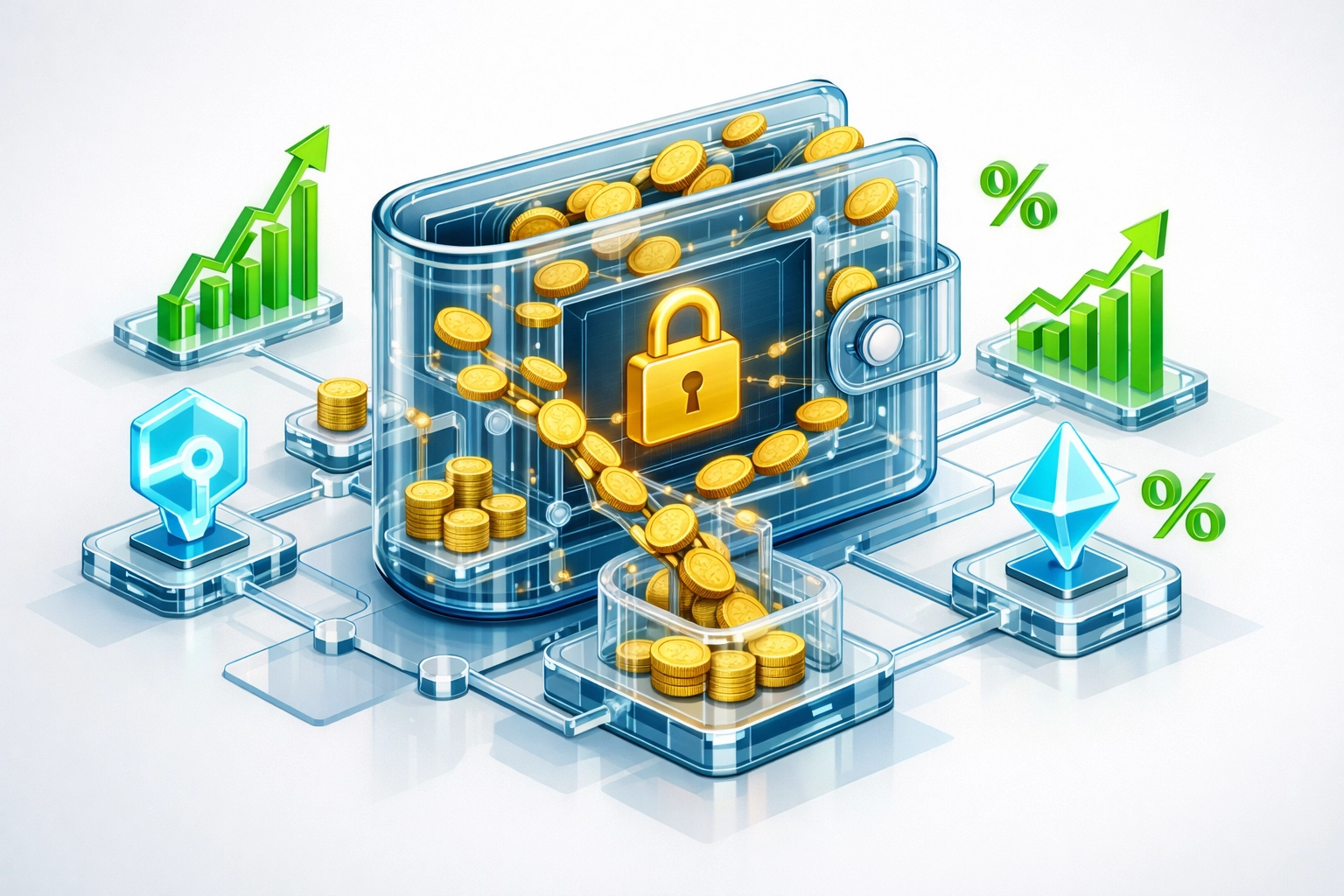
Self-custody architecture that keeps your funds under your control
Master/sub-wallet hierarchies for complex retail operations
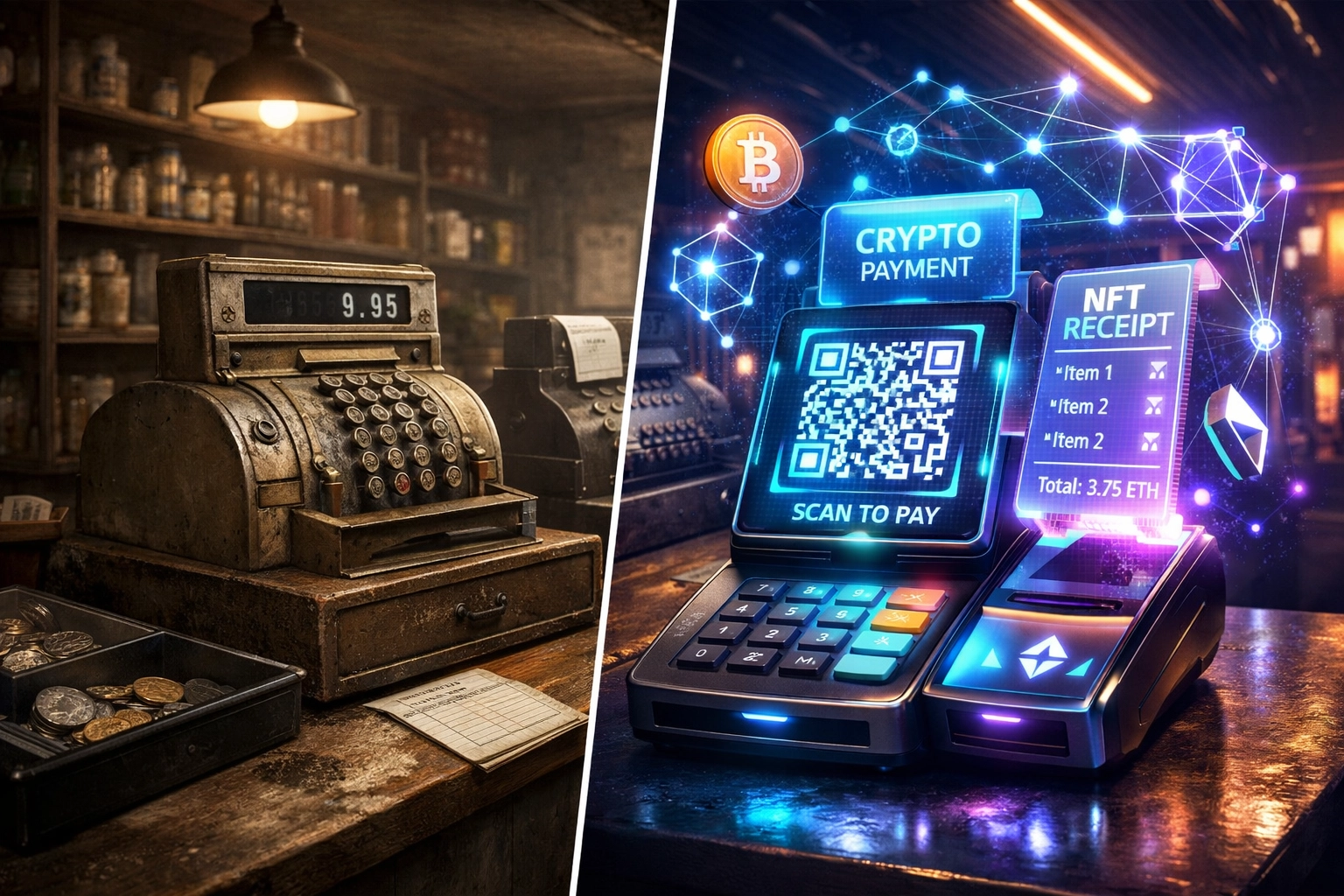
QR-generated POS systems that bridge physical pop-ups and virtual storefronts
These aren't nice-to-have features. They're operational requirements for metaverse commerce in 2026.
Larecoin's Technical Advantages Change the Economics
NFT Receipts: Transparency Meets Compliance
Every transaction generates an NFT receipt. Immutable. Verifiable. Auditable.
This isn't blockchain theater. It's practical accounting infrastructure that simplifies reconciliation and provides customers with permanent proof of purchase they can showcase or resell in secondary markets.
LUSD Stablecoin: Merchant Protection Without Volatility
Price volatility kills crypto adoption for merchants. LUSD stablecoin integration solves this. Accept crypto. Settle in stable value. Sleep without checking price charts.
Gas-Only Transfers: Fee Optimization at Scale
Traditional crypto payments include base transaction costs plus percentage-based fees. Larecoin's gas-only transfer model eliminates percentage fees entirely. You pay network costs. Nothing more.
Self-Custody: Your Funds, Your Control
NOWPayments and CoinPayments hold your crypto. You trust their security. You follow their withdrawal schedules. You accept their terms.
Larecoin delivers self-custody architecture. Your private keys. Your wallets. Your assets. Always.
The Fee Savings That Actually Matter
Traditional interchange fees consume 2.5-3.5% per transaction. For a merchant processing $500,000 annually, that's $12,500-$17,500 in fees.
Larecoin reduces this by over 50%.
For the same $500,000 in volume, you're looking at under $7,000 in total processing costs. That's $10,000+ back in your business annually. Multiply across multiple locations or high-volume operations, and the savings become transformational.
Small businesses entering metaverse retail gain immediate cost advantages over traditional e-commerce competitors still paying legacy interchange rates.
Master/Sub-Wallets: Enterprise Architecture for Modern Retail
Managing crypto across multiple storefronts, pop-up locations, and virtual venues requires hierarchy.
Larecoin's master/sub-wallet structure enables:
Centralized treasury management with distributed operational wallets
Location-specific payment tracking without commingling funds
Employee access controls with spending limits and approval workflows
Real-time visibility across your entire retail operation
This architecture scales from single-location boutiques to multi-brand enterprise retailers operating in physical and virtual spaces simultaneously.
QR-Generated POS: Unified Commerce Across All Channels
Your customers don't care whether they're shopping in your physical store, your website, or your metaverse storefront. They expect seamless payment experiences everywhere.
Larecoin's QR-generated POS system delivers:
Instant payment terminal generation for physical locations
Embedded checkout for virtual storefronts
One-tap mobile wallet integration
Cross-platform transaction reconciliation
Generate a QR code. Customer scans. Payment completes. NFT receipt generates. Transaction settles to your self-custody wallet.
No terminals to buy. No monthly subscriptions. No complex integrations.
Social Shopping in the Larecoin B2B2C Metaverse
The metaverse isn't just a new sales channel. It's a fundamentally different retail experience.
Larecoin's B2B2C metaverse vision includes:
Interactive Product Discovery
Customers browse 3D product visualizations. They interact with items in virtual space. They see scale, detail, and functionality before purchase.
Social Shopping Events
Host live shopping experiences. Invite customers into virtual showrooms. Demonstrate products in real-time. Close sales in immersive environments.
AI-Powered Personalization
Smart recommendations based on browsing behavior, purchase history, and social interactions within metaverse spaces.
Community-Driven Commerce
Build loyalty through virtual spaces where customers connect, share, and shop together. Transform transactions into experiences.
This isn't theoretical. Early adopters are already operating metaverse storefronts with social shopping features driving conversion rates 3-4x higher than traditional e-commerce.
Compliance & Trust: Federal MSB Registration and MTL Coverage
Cryptocurrency payments face regulatory scrutiny. Merchants need partners who take compliance seriously.
Larecoin maintains:
Federal MSB (Money Services Business) registration
State-level MTL (Money Transmitter License) coverage across the U.S.
KYC/AML protocols that meet regulatory standards
Transaction monitoring for fraud prevention
This compliance infrastructure protects your business. It reduces regulatory risk. It provides peace of mind as you expand crypto acceptance.
When auditors ask about your payment processors, you answer with confidence.
Implementation Roadmap: Getting Started in Weeks, Not Months
Weeks 1-4: Foundation
Set up self-custody master wallet
Deploy crypto POS with QR generation
Enable NFT receipt infrastructure
Configure LUSD stablecoin settlement
Months 2-3: Virtual Expansion
Launch 3D product visualization
Create basic metaverse storefront
Integrate social shopping features
Test VR/AR shopping experiences
Month 4+: Advanced Capabilities
Implement AI personalization
Scale master/sub-wallet hierarchy
Deploy multi-location POS network
Optimize gas-only transfer protocols
Most merchants go live with basic crypto acceptance in under two weeks. Full metaverse integration completes in under four months.

The Window Is Closing
Only 3% of consumers currently use AR/VR for purchases. But over 25% see themselves using these technologies within two years as availability increases.
That's an 8x growth trajectory.
Early movers capture market share. They establish brand presence in virtual spaces. They build customer loyalty before competition intensifies.
Late movers fight for scraps in oversaturated metaverse markets where first-mover advantages have already compounded.
Why Metaverse Payments Aren't Optional Anymore
Traditional e-commerce treats crypto as one payment option among many. The metaverse makes digital currencies operationally optimal by default.
Consumers can't bring credit cards into virtual storefronts. Physical cash doesn't exist in augmented reality. Blockchain-based payments become the path of least resistance.
This structural shift transforms crypto from speculative asset class to practical commerce infrastructure.
Merchants who recognize this early position themselves for the largest retail transformation since e-commerce emerged in the 1990s.
Take the Next Step
Larecoin's metaverse payment infrastructure is live now. Self-custody wallets. NFT receipts. LUSD stablecoin. Gas-only transfers. QR-generated POS. Federal MSB registration. State MTL coverage.
Everything you need to accept crypto in 2026's immersive retail environments.
The future of shopping isn't coming. It's already here. Your customers are ready. Your competitors are moving.
Visit Larecoin to start accepting metaverse payments today.
Comments