

.png)
Why the CLARITY Act Will Change the Way Merchants Accept Crypto Payments
- [[[Free!!]<<<<]] Watch: 스포르팅 - 토트넘 Live Stream 13 September 2022
- 2 hours ago
- 4 min read
![Writer: [[[Free!!]<<<<]] Watch: 스포르팅 - 토트넘 Live Stream 13 September 2022](https://lh3.googleusercontent.com/a/AItbvmktwQc0wCdd3ZEETSYItRQubwwBzOyjD_dcigRf=s96-c)
The Game Just Changed
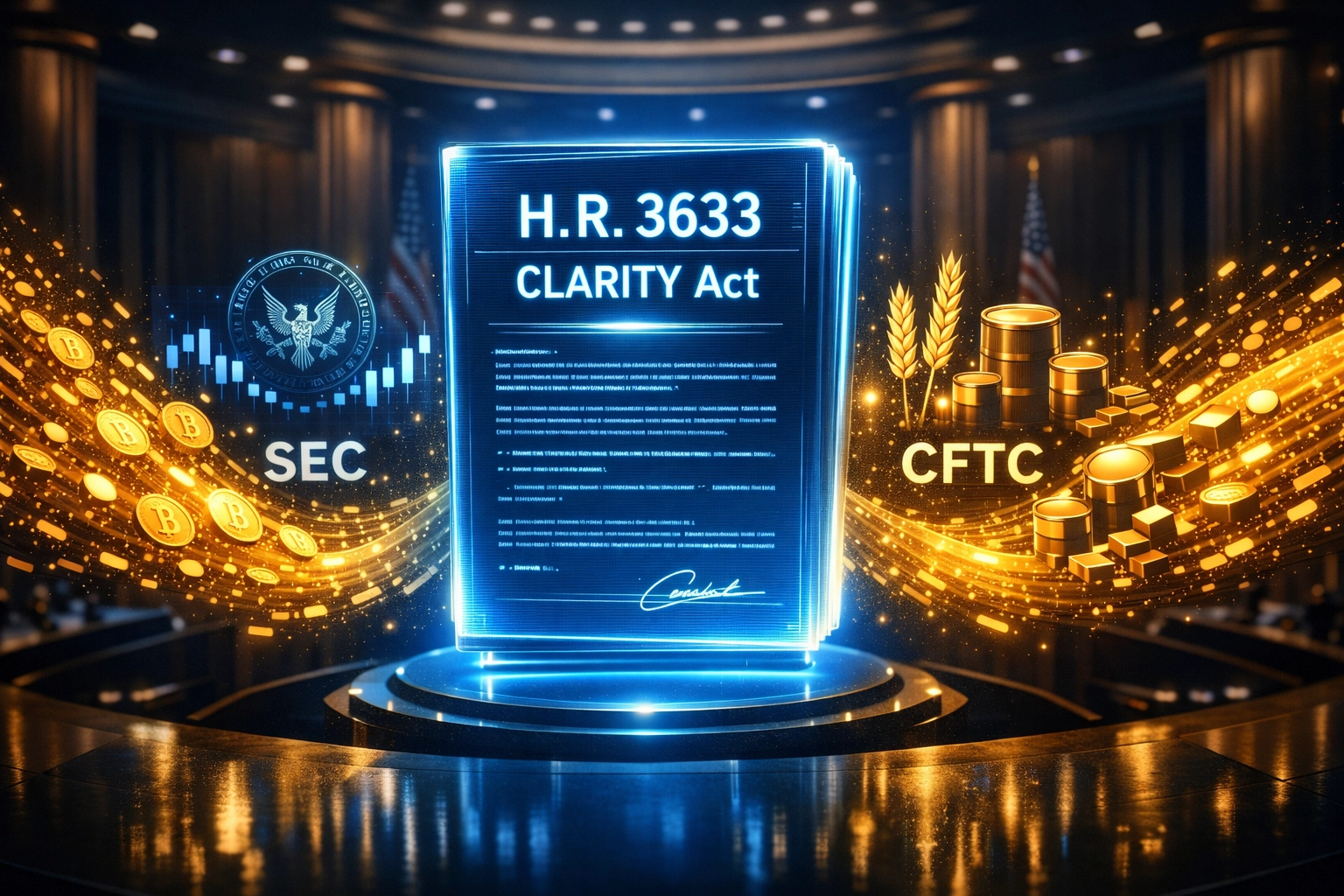
H.R. 3633 dropped. The CLARITY Act is here.
And it's about to flip crypto payments on its head.
For the first time, merchants get clear rules. No more guessing which regulator shows up. No more compliance nightmares keeping you awake at 3 AM.
The Act splits responsibilities clean. SEC handles securities. CFTC owns commodities and payment stablecoins. Simple. Direct. Finally.
This isn't just regulatory housekeeping. It's the unlock merchants have been waiting for since 2017.
Digital Commodities Get the Green Light
Here's what matters: Larecoin qualifies as a digital commodity under CLARITY Act definitions.
Not a security. Not some gray-zone asset that might get you sued five years later.
A commodity. Like gold, oil, or wheat futures. Except faster, cheaper, and actually useful for payments.
The CFTC framework means:
Predictable compliance requirements
No surprise enforcement actions
Legal certainty for merchant adoption
Protection from regulatory whiplash
Section 303 seals the deal. Trading platforms can now handle both commodities and securities without the SEC blocking operations. That means seamless integration across the entire payment stack.
The 50% Fee Revolution
Let's talk numbers.
Traditional payment processors? 2.9% + $0.30 per transaction. Sometimes higher for international payments or premium cards.
Larecoin merchants? 1.5% or less. Gas fees on LareBlocks Layer 1 average $0.02.
That's not a rounding error. That's your margin back in your pocket.
A $100,000 monthly payment volume merchant saves $1,450 every single month switching from legacy rails to Larecoin. That's $17,400 annually. Per location.
Scale that across a multi-location operation and you're looking at serious money.
NOWPayments charges 0.5% but hits you with network fees that stack up fast on Ethereum. CoinPayments sits at 0.5% too, but requires KYC hurdles and multi-day settlement times.
Larecoin keeps it clean. Lower fees. Instant settlement. Self-custody means you control funds immediately.
NFT Receipts Change Everything
Forget paper trails.
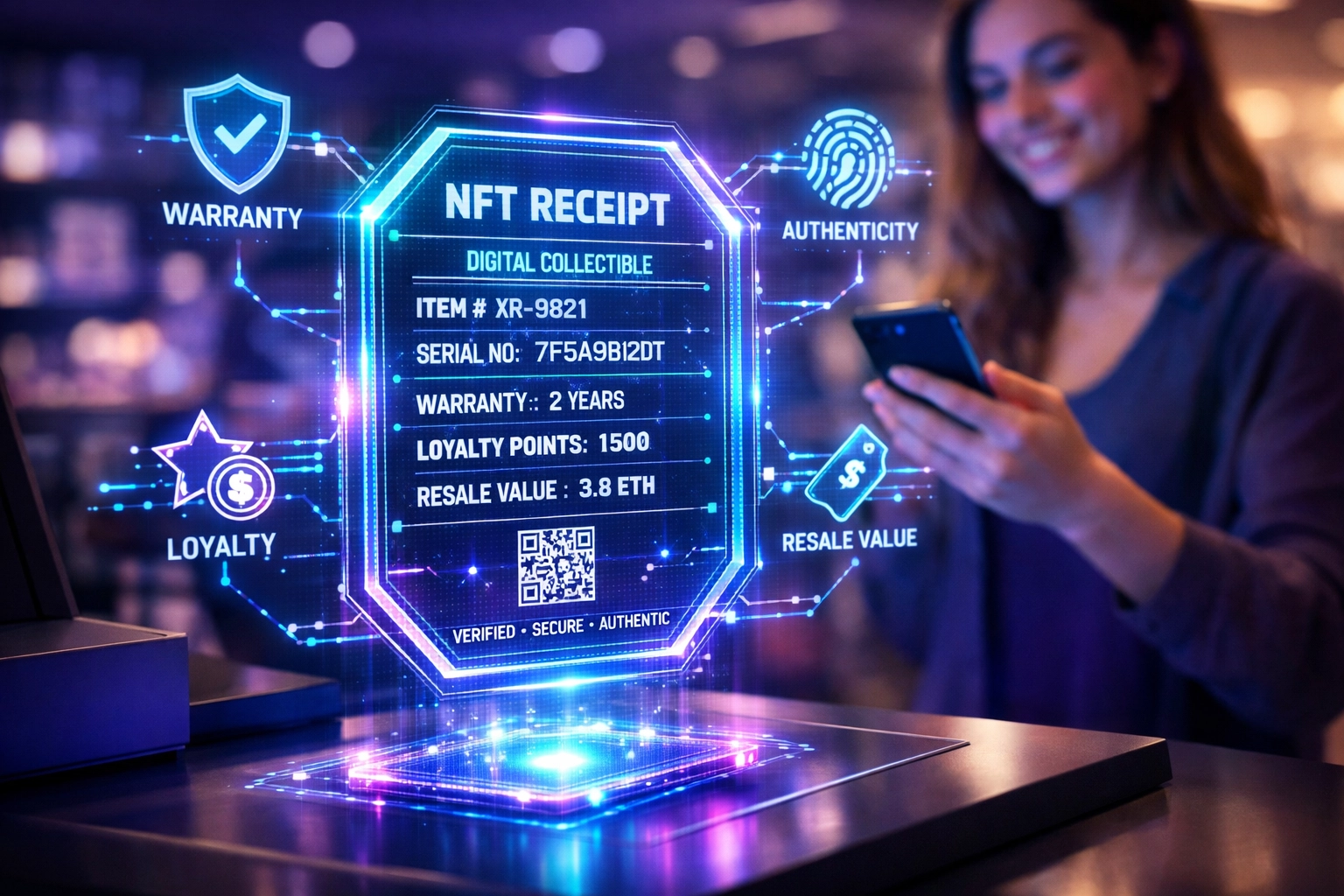
Every Larecoin transaction generates an NFT receipt minted on-chain. Permanent. Immutable. Verifiable.
This isn't gimmicky. This is the new standard for:
Warranty tracking
Proof of purchase for returns
Tax documentation
Customer loyalty programs
Fraud prevention
Your customer buys a $2,000 laptop. They get an NFT receipt with product details, serial number, purchase date, warranty terms: all baked into the token metadata.
Three years later? That NFT proves authenticity for resale. It triggers warranty claims automatically. It builds customer history without invasive data collection.
Competitors like CoinPayments still use traditional receipt systems. NOWPayments? Same old email confirmations that get lost or deleted.
Larecoin makes receipts assets. Assets with utility. Assets that appreciate customer relationships.

LUSD Stability Meets Real Commerce
Volatility kills crypto payments. Merchants won't accept Bitcoin if it drops 15% before they convert to fiat.
Enter LUSD stablecoin.
Pegged 1:1 to USD. Fully backed. Zero volatility anxiety.
Merchants price in dollars. Customers pay in LUSD. Settlement happens in whatever currency makes sense for your operation.
The CLARITY Act explicitly addresses payment stablecoins like LUSD. Regulatory clarity means:
Banks can custody LUSD without compliance paralysis
Payment processors can integrate without legal uncertainty
Merchants can hold LUSD on balance sheets as a legitimate treasury asset
This is the bridge between crypto efficiency and traditional business operations.
NOWPayments supports stablecoins but forces you through third-party bridges. CoinPayments offers USDT/USDC with variable liquidity depending on network congestion.
LUSD lives natively on LareBlocks Layer 1. No bridges. No wrapped tokens. No liquidity fragmentation.
Just stable, fast, regulatory-compliant payments.
LareBlocks Layer 1: Security Meets Speed
Self-custody isn't optional anymore. It's mandatory for serious operations.
LareBlocks Layer 1 delivers:
3-second transaction finality
Military-grade encryption
Non-custodial merchant wallets
Cross-chain compatibility
Zero single points of failure
You control your private keys. You own your funds. Nobody can freeze your account because they don't like your politics or business model.
The CLARITY Act's framework protects this model. Digital commodity infrastructure gets the same legal treatment as traditional commodity markets. That means your self-custody setup gets regulatory respect, not regulatory harassment.
Compare that to centralized processors holding your funds for 3-5 business days. Or worse: locking your account pending "investigation" right when you need liquidity most.
Layer 1 architecture means direct peer-to-peer settlement. No intermediaries skimming fees. No permission needed to transact.
This is financial sovereignty. Finally legal. Finally practical.
AI-Powered Metaverse Commerce
The future isn't just digital payments. It's intelligent digital commerce.
Larecoin's AI integration handles:
Dynamic pricing based on demand
Fraud detection in real-time
Customer behavior prediction
Inventory optimization
Automated loyalty rewards
Your metaverse storefront learns customer preferences. It adjusts product recommendations. It processes payments while customers browse virtual aisles wearing VR headsets.
The CLARITY Act enables this innovation. Clear rules mean developers can build without fear. Merchants can deploy AI tools knowing compliance requirements won't shift overnight.
NOWPayments and CoinPayments? Still processing payments like it's 2019. Static checkouts. Manual reconciliation. Zero AI assistance.
Larecoin turns payments into strategic intelligence. Every transaction feeds machine learning models that make your next sale smarter.
The metaverse isn't coming. It's here. And it needs payment infrastructure that thinks.
Compliance Becomes Competitive Advantage
Here's the twist: CLARITY Act compliance actually helps you win business.
Enterprise clients demand regulatory certainty. Banks require it. Insurance companies won't touch non-compliant payment systems.
Larecoin's CFTC-aligned commodity status means:
Easier bank partnerships
Lower insurance premiums
Enterprise-ready compliance documentation
Audit-friendly transaction records
This opens B2B markets competitors can't touch.
Government contractors. Healthcare providers. Financial services firms. All require demonstrable regulatory compliance.
You get that out of the box with Larecoin. Your competitors? Still explaining why their payment processor might be regulated differently next quarter.
Compliance stops being a cost center. It becomes a revenue driver.
The Marathon Continues
This is post #47 in our 100-post Larecoin marathon.
We're documenting the Web3 payments revolution in real-time. Every hour. Every breakthrough. Every regulatory win.
The CLARITY Act marks a turning point. Not just for Larecoin. For every merchant ready to cut fees, boost security, and own their payment infrastructure.
Want to dive deeper into merchant fee savings? Check out our ultimate guide to Web3 global payments in 2026.
Ready to join the revolution? Visit Larecoin.com and see what 50% fee savings looks like for your business.
The future of payments isn't coming.
It's here. It's legal. And it's cutting your costs in half.
Comments