

.png)
7 Mistakes You're Making with Crypto POS Systems (and How Larecoin's Self-Custody Model Fixes Them)
- [[[Free!!]<<<<]] Watch: 스포르팅 - 토트넘 Live Stream 13 September 2022
- 2 hours ago
- 4 min read
![Writer: [[[Free!!]<<<<]] Watch: 스포르팅 - 토트넘 Live Stream 13 September 2022](https://lh3.googleusercontent.com/a/AItbvmktwQc0wCdd3ZEETSYItRQubwwBzOyjD_dcigRf=s96-c)
You thought accepting crypto would free you from payment processor fees and traditional banking constraints.
Instead? You're paying more than ever and surrendering control to yet another intermediary.
The problem isn't cryptocurrency. It's the centralized processors mimicking the broken systems they promised to replace.
Let's fix that.
Mistake #1: Bleeding Money on Processing Fees
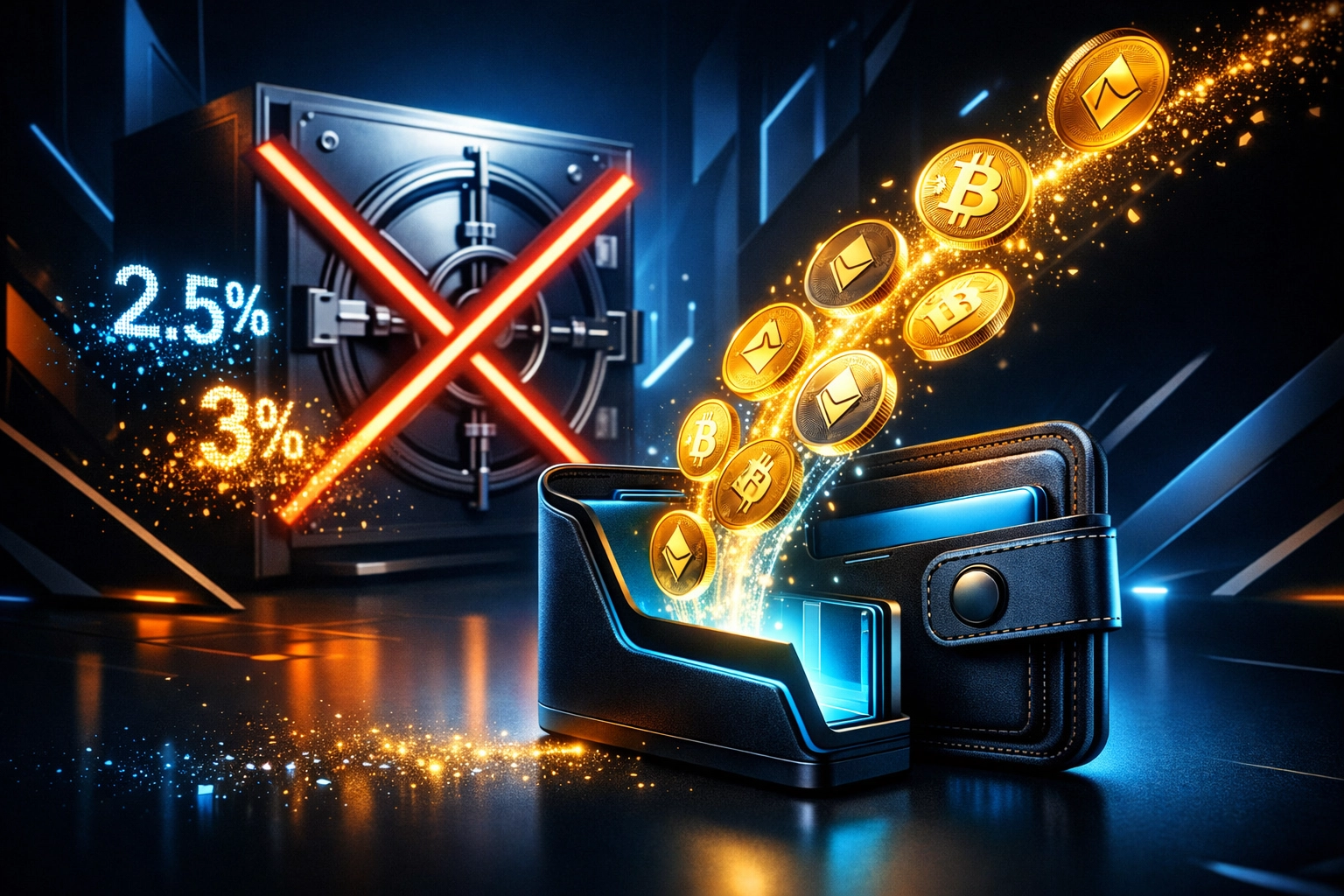
The Problem: NOWPayments charges 0.5-1% per transaction. CoinPayments takes similar cuts. Add withdrawal fees and currency conversion, and you're looking at 2-3% total costs.
On $500K annual volume? That's $10,000-$15,000 straight to intermediaries.
The Larecoin Fix: Self-custody means gas-only transfers. No percentage cuts. No withdrawal fees. No conversion markups.
You keep your money. Simple.
Mistake #2: Handing Over Custody (Again)
The Problem: Most processors hold your funds before releasing them. You're trusting a third party with your earnings: the exact scenario crypto was designed to eliminate.
Exchanges collapse. Platforms get hacked. Accounts freeze without warning.
The Larecoin Fix: Payments land directly in your wallet. You control the keys. You control the funds.
No intermediary access. No counterparty risk. No waiting for someone else's approval to access your own money.
This is what financial sovereignty actually looks like.
Mistake #3: Supporting Every Obscure Token
The Problem: CoinPayments boasts 150+ supported cryptocurrencies. Sounds impressive until you realize 85-90% of transactions use Bitcoin, Ethereum, or major stablecoins.
Supporting random altcoins adds:
Security vulnerabilities
Accounting nightmares
Operational complexity
Zero actual customer value
The Larecoin Fix: Strategic token selection based on actual usage patterns. Accept what matters: LARE tokens, LUSD stablecoins, and ecosystem assets that drive real transaction volume.
LUSD offers price stability without surrendering to centralized stablecoin issuers. Perfect for merchants who need predictable revenue without volatility exposure.
Plus? NFT receipts for every transaction. Immutable proof of purchase that doubles as customer engagement tool.

Mistake #4: Creating Checkout Friction That Kills Sales
The Problem: Unclear payment flows kill conversions. Mobile abandonment skyrockets when customers can't figure out if their transaction processed.
Complex interfaces. Confusing QR codes. Zero feedback loops.
Conversion rates drop 20-40% compared to traditional checkout.
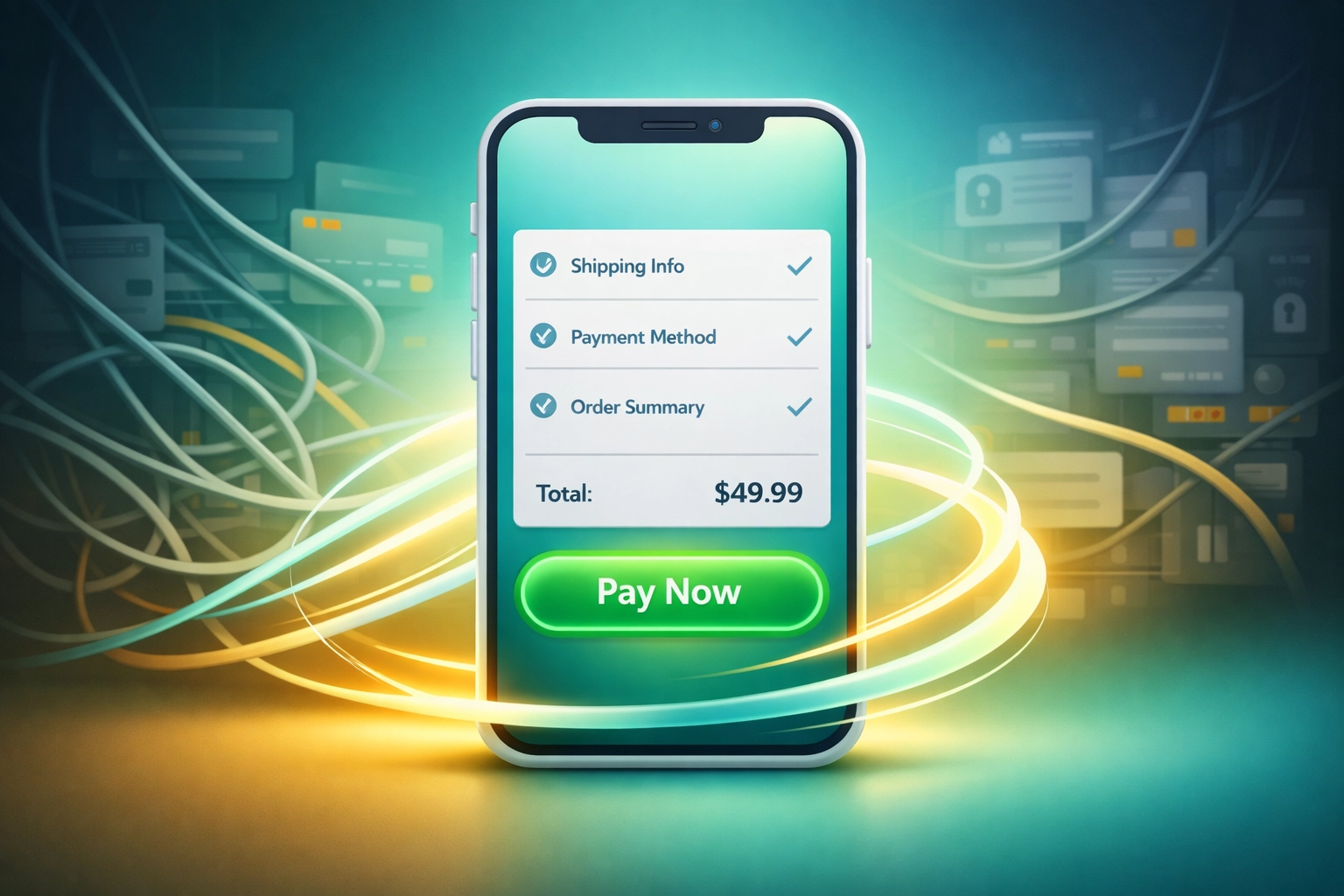
The Larecoin Fix: Streamlined contactless POS integration. Customers tap, scan, done.
Clear transaction confirmations. Real-time status updates. Mobile-optimized experience that feels as familiar as Apple Pay.
The merchant portal handles everything backend. You focus on your business, not blockchain complexity.
Mistake #5: Operating Without Proper Refund Protocols
The Problem: Crypto transactions are irreversible. Traditional processors require you to maintain balances for potential refunds: defeating the entire purpose of direct custody.
NOWPayments and similar platforms force you to keep funds locked in their ecosystem "just in case."
The Larecoin Fix: Self-custody refund management through smart contracts. Set your own policies. Execute refunds directly from your wallet when needed.
No processor intermediary. No balance requirements. No artificial liquidity constraints.
Your funds remain accessible for business operations until refunds are actually needed.
Mistake #6: Running Crypto as an Isolated System
The Problem: Payment processors that don't integrate with accounting software, inventory tracking, or customer management systems create manual reconciliation burdens.
10-15 hours monthly spent matching transactions across platforms.
CoinPayments offers basic API access. But real integration? That's on you.
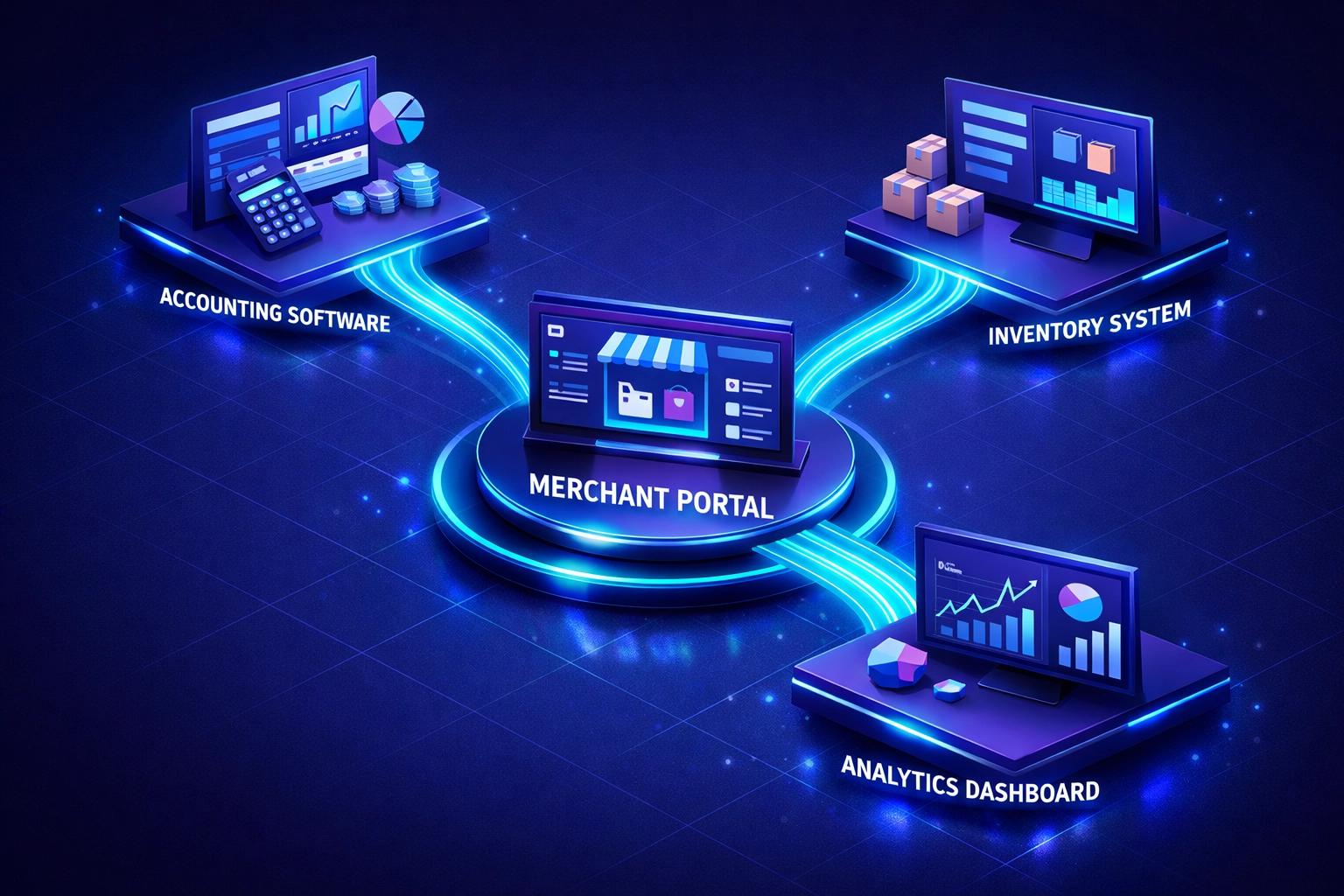
The Larecoin Fix: Full ecosystem integration through decentralized applications. Merchant portal connects directly to:
Accounting systems
Inventory management
Customer databases
Liquidity pools for instant conversion
Swap and bridge functionality for multi-chain operations
Plus AI/ML search capabilities that turn transaction data into actionable business intelligence.
This isn't just accepting payments. It's building a complete Web3 commerce infrastructure.
Mistake #7: Assuming Customers Understand Crypto Payments
The Problem: Most customers don't have funded wallets. They don't understand network fees. They're uncomfortable with private key management.
You hand them a QR code and hope for the best.
The biggest adoption barrier isn't technology. It's education.
The Larecoin Fix: Built-in customer onboarding through social spaces and educational resources. The ecosystem guides users through wallet setup, token acquisition, and payment execution.
Push-to-card functionality for customers who want crypto benefits without crypto complexity. They pay with traditional methods, you receive crypto settlements.
Lower barriers = higher adoption = more sales.
The Self-Custody Advantage: Taking Back Control
Every mistake above stems from one root problem: loss of control.
Traditional crypto processors replicate centralized banking systems while charging crypto-level fees. Worst of both worlds.
Larecoin's self-custody model restores what cryptocurrency promised:
Direct wallet ownership
Zero percentage-based fees
Autonomous token selection
No account freezes or platform restrictions
Complete transaction data ownership
Compliance Without Compromise
Self-custody doesn't mean operating in regulatory gray zones.
Larecoin maintains rigorous US compliance through:
MSB (Money Services Business) registration
State-by-state MTL (Money Transmitter License) strategy
KYC/AML protocols that protect merchants without surrendering custody
You get regulatory legitimacy and financial sovereignty. Not one or the other.
Fee Savings That Actually Matter
Let's run numbers on $500K annual transaction volume:
NOWPayments/CoinPayments:
Processing fees: $5,000-$10,000
Withdrawal fees: $500-$1,000
Conversion markups: $2,500-$5,000
Total: $8,000-$16,000 annually
Larecoin Self-Custody:
Gas fees: $200-$800 (depending on network congestion)
Processing fees: $0
Withdrawal fees: $0
Total: $200-$800 annually
That's $7,200-$15,200 in annual savings. Every year. Compounding over time.
Scale to $5M volume? You're saving $72K-$152K annually.
Those numbers fund expansion, inventory, or marketing instead of enriching payment processors.
The Web3 Payments Evolution
Traditional crypto processors offered incremental improvement over credit card networks.
Larecoin offers fundamental transformation.
This is Web3 global payments built on actual decentralization principles. Not centralized platforms with crypto logos.
The merchant portal, DAO governance, and liquidity pool integration create an ecosystem where merchants aren't customers: they're participants.

Stop Making These Mistakes
You didn't adopt crypto to recreate traditional banking systems.
You adopted crypto for freedom, efficiency, and control.
Self-custody delivers those promises. Centralized processors don't.
The choice is clear. The tools exist. The ecosystem is live.
Stop paying intermediary fees. Stop surrendering custody. Stop accepting broken solutions because they're familiar.
Explore the Larecoin ecosystem and see what Web3 payments actually look like when you control the infrastructure.
Your business. Your funds. Your rules.
That's the point.
Comments