

.png)
NOWPayments vs CoinPayments vs Larecoin: Which Crypto POS System Slashes Fees for Small Business?
- [[[Free!!]<<<<]] Watch: 스포르팅 - 토트넘 Live Stream 13 September 2022
- 2 hours ago
- 4 min read
![Writer: [[[Free!!]<<<<]] Watch: 스포르팅 - 토트넘 Live Stream 13 September 2022](https://lh3.googleusercontent.com/a/AItbvmktwQc0wCdd3ZEETSYItRQubwwBzOyjD_dcigRf=s96-c)
Small Business Owners: Stop Bleeding Money on Payment Fees
You're processing crypto payments. Smart move.
But are you paying 0.5-1% per transaction plus withdrawal fees plus network charges?
That's the reality with traditional crypto payment processors.
And it's costing you thousands annually.
Let's break down the real numbers. No fluff. Just facts about NOWPayments, CoinPayments, and Larecoin.
The Fee Structure No One Talks About
Most crypto POS systems advertise "low fees." Then hit you with compound charges.
NOWPayments Fee Breakdown:
0.5% for single-currency payments
1% for multi-currency transactions
Network fees (varies by blockchain)
Withdrawal fees: 1.5-2.3% depending on crypto
Conversion charges when switching between coins
CoinPayments Fee Structure:
0.5-1% per transaction
Blockchain network fees (not controlled by platform)
Withdrawal penalties
Additional charges for multi-coin acceptance
Larecoin's Approach:
0% platform fees
Zero transaction percentages
Gas-only model (Solana network costs)
Self-custody means no withdrawal fees
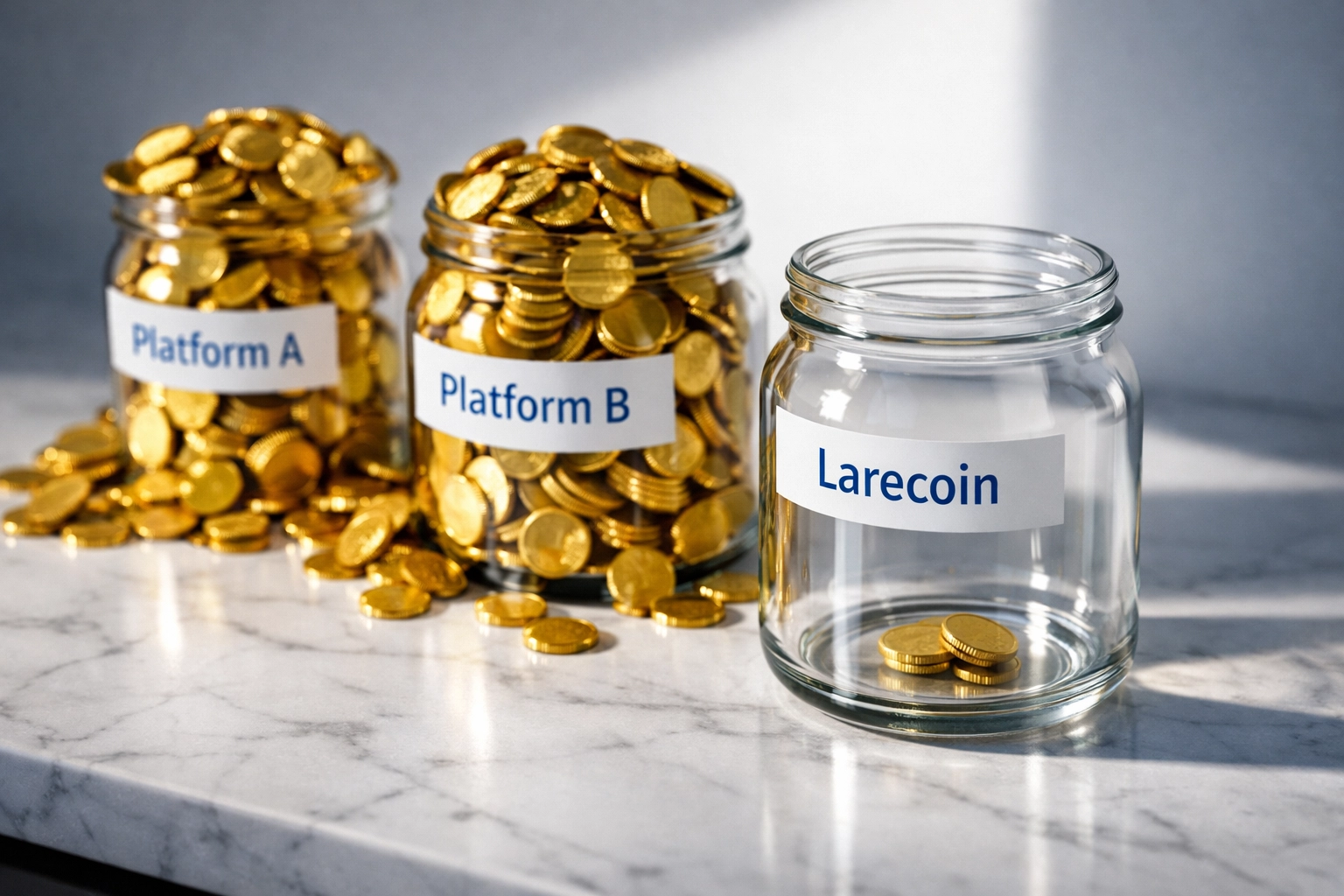
The difference? Larecoin eliminates percentage-based fees entirely.
Real Numbers for Your Business
Let's run actual scenarios. Your annual volume determines your pain point.
Processing $100,000 Annually:
NOWPayments charges: $750-$1,000 (combined transaction, withdrawal, network fees)
CoinPayments charges: $750-$1,000 (similar fee stack)
Larecoin charges: $300-$400 (gas-only costs)
Your savings: 50-60%
Processing $500,000 Annually:
NOWPayments charges: $2,500-$5,000
CoinPayments charges: $2,500-$5,000
Larecoin charges: Under $2,000
Your savings: 50-60% again
The percentage holds across volume tiers. More revenue means bigger savings.
Why the Massive Gap Exists
Three technical factors create this difference:
1. Custody Model
NOWPayments and CoinPayments hold your funds. Custodial systems require infrastructure. That infrastructure costs money. They pass those costs to you through withdrawal fees.
Larecoin uses self-custody. Your crypto. Your wallet. No intermediary holding funds.
2. Blockchain Selection
Traditional processors support multiple blockchains. Each with different fee structures. Ethereum transactions cost $2-$20 in gas. Bitcoin fees vary wildly.
Larecoin operates on Solana. Network transactions cost fractions of a penny. Consistent. Predictable. Minimal.
3. Revenue Model
Most crypto payment processors earn revenue from transaction percentages. Their incentive: process more volume, earn more fees.
Larecoin's gas-only model aligns differently. Lower operational costs. No percentage incentive. Transparent pricing.

The Hidden Cost Multipliers
Beyond base fees, watch for these:
Multi-Currency Penalties
Accept Bitcoin, Ethereum, Litecoin, and stablecoins? NOWPayments charges 1% instead of 0.5%. Double the fee for offering customer choice.
CoinPayments stacks similar charges.
Larecoin? Same gas-only rate regardless of accepted currencies.
Withdrawal Frequency Tax
Traditional processors discourage frequent withdrawals. Fees range from 1.5-2.3% per withdrawal.
Want weekly cashouts? Multiply those percentages by 52 weeks.
Self-custody eliminates this entirely. Your funds. Your timing. No withdrawal concept.
Conversion Complexity
Customer pays in Bitcoin. You want USD. Conversion happens. Fee applies.
Customer pays in Ethereum. You want stablecoins. Another conversion. Another fee.
These compound quickly in multi-currency environments.
Technical Advantages That Matter
Beyond fees, consider operational benefits:
NFT Receipts for Accounting
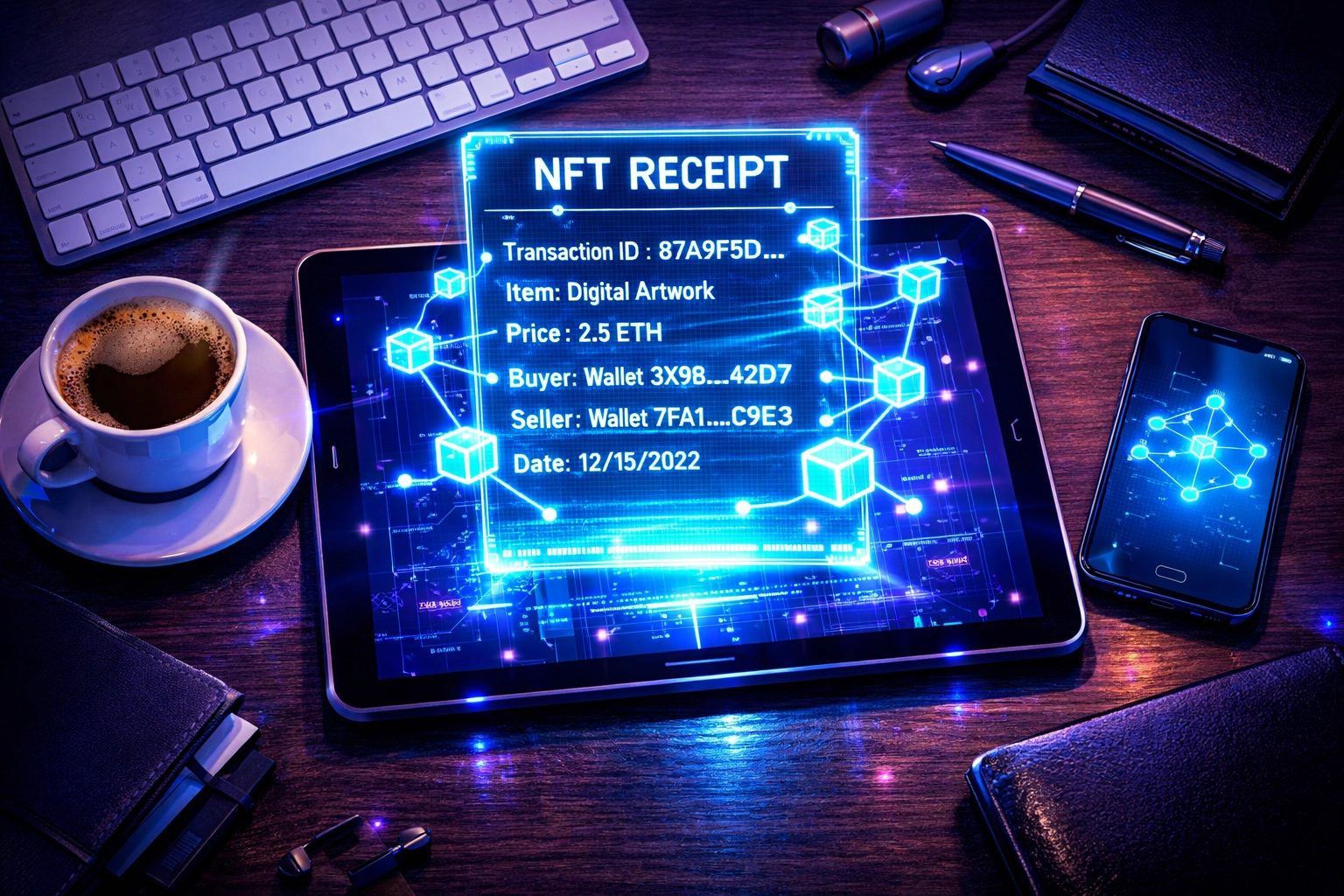
Larecoin generates NFT receipts automatically. Each transaction becomes a blockchain-verified record. Tax season simplifies. Audit trails become transparent.
Traditional processors provide basic transaction logs. Not blockchain-native verification.
LUSD Stablecoin Integration
Volatility concerns? Larecoin supports LUSD stablecoin payments. Dollar-pegged value. Crypto benefits without price fluctuation risk.
NOWPayments and CoinPayments offer stablecoin support too. But combined with their fee structures, savings diminish.
Self-Custody Merchant Accounts
Control matters. Traditional processors can freeze accounts. Delay withdrawals. Require additional verification.
Self-custody means true financial sovereignty. No intermediary controlling access.
Making the Decision: Framework
Consider these factors:
Your Annual Volume
Under $100,000: Larecoin saves $400-600 annually
$100,000-$500,000: Larecoin saves $500-3,000 annually
Over $500,000: Savings exceed $3,000 annually
Your Crypto Comfort Level
New to crypto? Traditional processors offer more hand-holding. Support teams handle technical issues.
Crypto-native? Self-custody provides maximum control and minimum fees.
Your Blockchain Preference
Need multi-blockchain support? NOWPayments and CoinPayments shine here.
Solana-focused? Larecoin offers unmatched efficiency.
Your Withdrawal Needs
Frequent cashouts? Self-custody eliminates withdrawal fee multiplication.
Monthly or quarterly withdrawals? Traditional processor fees remain tolerable.
Web3 Global Payments Reality
The crypto POS system landscape evolved.
Early platforms charged high fees because infrastructure was expensive. Blockchains were slow. Technology was immature.
2026 changes everything.
Solana processes 65,000+ transactions per second. Gas fees measure in fractions of pennies. Self-custody wallets rival traditional banking in user experience.
The question isn't whether to accept crypto payments anymore.
It's which system maximizes your margin.
The Merchant Growth Angle
Reduce merchant interchange fees systematically. That's the goal.
Traditional payment processors: credit cards, debit networks, legacy crypto systems: all extract percentage-based fees.
Web3 global payments break that model.
Gas-only costs don't scale with transaction size. A $100 payment costs the same network fee as a $10,000 payment.
Think about that. Traditional systems charge 2-3% on credit cards. $100 transaction costs $2-3. $10,000 transaction costs $200-300.
Larecoin's gas fee? Same fraction of a penny regardless.
Bank-Free Business Operations
Financial sovereignty goes beyond fee savings.
CoinPayments and NOWPayments require traditional banking integration for fiat offramps. KYC verification. Business documentation. Bank account linking.
Self-custody crypto POS systems operate independently. No bank approval required. No account freezes. No arbitrary hold periods.
This matters particularly for:
International merchants facing banking restrictions
High-risk industries with limited processor access
Privacy-conscious businesses
Startups without established banking relationships
The receivables token model Larecoin employs creates another advantage. Tokenize invoices. Trade receivables. Access liquidity without loans.
Traditional processors can't offer this. They're payment rails. Not financial infrastructure.
The Bottom Line
For small businesses processing under $500,000 annually, the numbers are clear:
Larecoin: Under $2,000 annual costs (gas-only)
NOWPayments: $2,500-$5,000 annual costs (fees stack)
CoinPayments: $2,500-$5,000 annual costs (similar structure)
50-60% savings consistently.
But verify independently. These comparisons derive from platform-specific marketing materials. Your mileage varies based on:
Transaction frequency
Average ticket size
Cryptocurrency mix
Withdrawal patterns
Conversion needs
Test each platform with small volume first. Measure actual costs against projections.
The crypto POS system you choose impacts profitability for years.
Choose based on math. Not marketing.
Ready to slash your payment processing fees? Explore Larecoin's merchant solutions and calculate your specific savings.
Comments