

.png)
Are Physical Stores Dead? Why VR/AR Metaverse Shopping Is the Future for Merchants in 2026
- [[[Free!!]<<<<]] Watch: 스포르팅 - 토트넘 Live Stream 13 September 2022
- 2 hours ago
- 4 min read
![Writer: [[[Free!!]<<<<]] Watch: 스포르팅 - 토트넘 Live Stream 13 September 2022](https://lh3.googleusercontent.com/a/AItbvmktwQc0wCdd3ZEETSYItRQubwwBzOyjD_dcigRf=s96-c)
The Real Story: Physical Retail Is Alive (But It's Getting a Massive Upgrade)
Physical stores aren't dead.
83.8% of North American retail sales still happen in brick-and-mortar locations. In 2026, retailers are planning 1,118 new store openings versus only 566 closures.
The mall isn't dying. It's evolving.
Here's what's actually happening: VR/AR metaverse shopping is layering on top of physical retail. Merchants who blend both worlds? They're winning. Merchants stuck in 2015? They're bleeding market share.
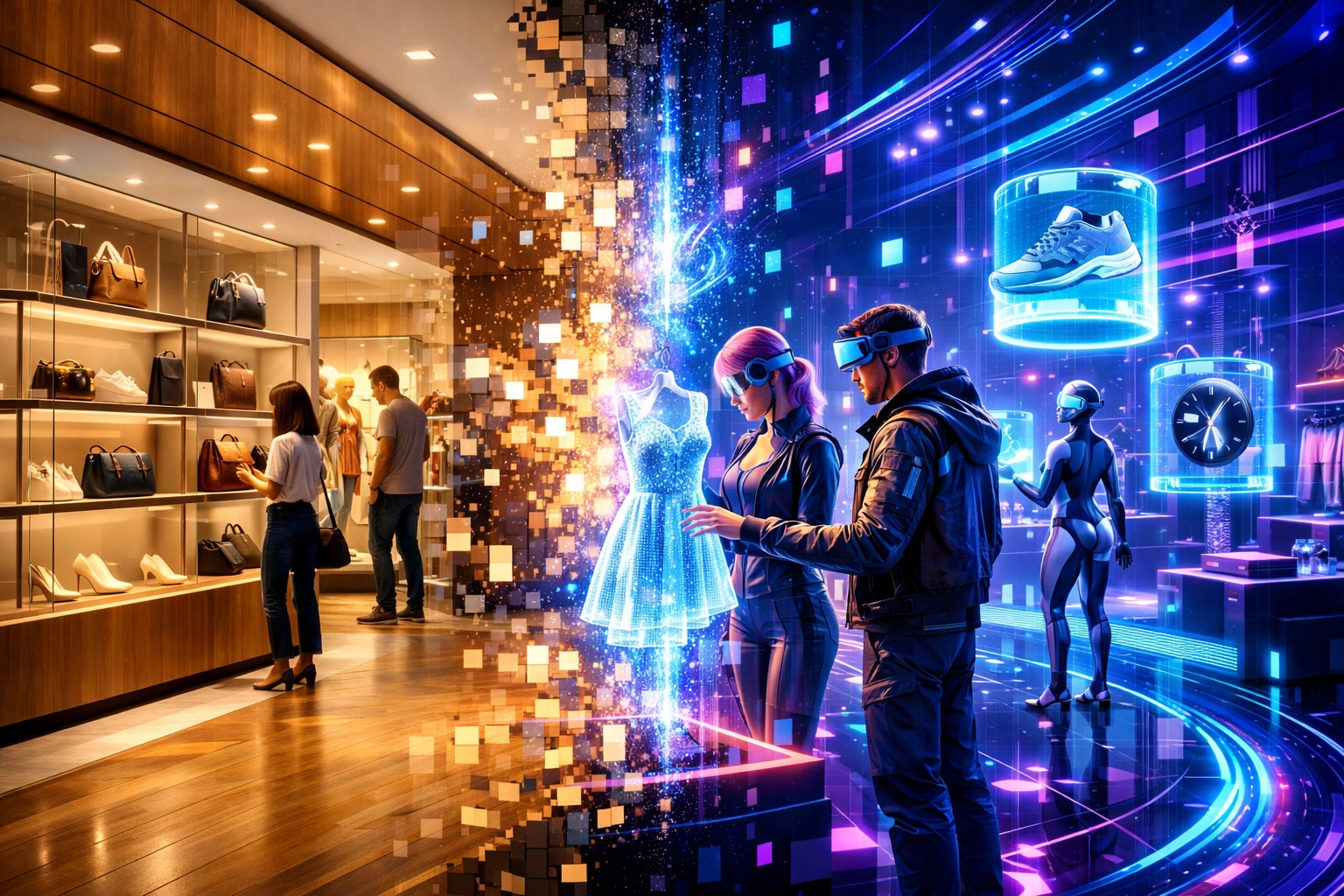
Why Merchants Are Racing Into VR/AR Shopping Experiences
The customer journey changed.
Gen Z and Millennials expect immersive experiences. They want to try products virtually before buying. They want social shopping with friends across continents. They want NFT receipts that prove authenticity and unlock perks.
Traditional payment rails can't handle this new reality.
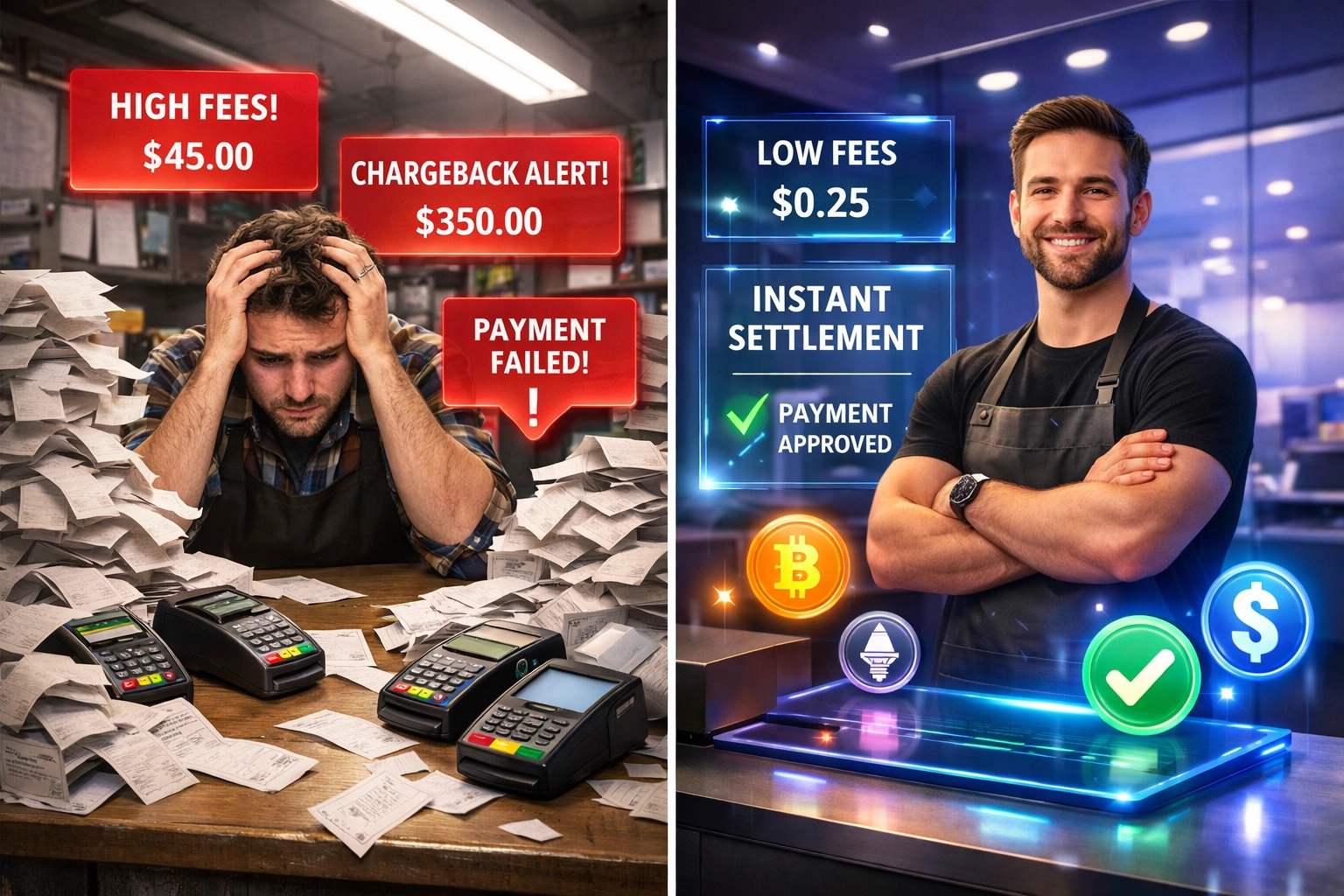
Interchange fees crush margins. Card networks take 2.5-3.5% per transaction. For a merchant doing $10M annually? That's $350,000 gone. Forever.
Metaverse shopping powered by Web3 payments changes everything.
The Larecoin Advantage: Built for Metaverse Commerce
Larecoin didn't just slap crypto onto old retail infrastructure.
The entire ecosystem was designed for B2B2C metaverse shopping from day one. Here's what that means for merchants:
Gas-only transfers. No interchange. No middlemen. Just network fees, often under $0.01 per transaction.
NFT receipts. Every purchase becomes a digital asset. Customers can trade, collect, or redeem special receipts for exclusive access. Merchants build loyalty programs that actually work.
LUSD stablecoin integration. Price volatility killed early crypto payments. LUSD solves this. Merchants receive stable value. Customers pay with predictable pricing.
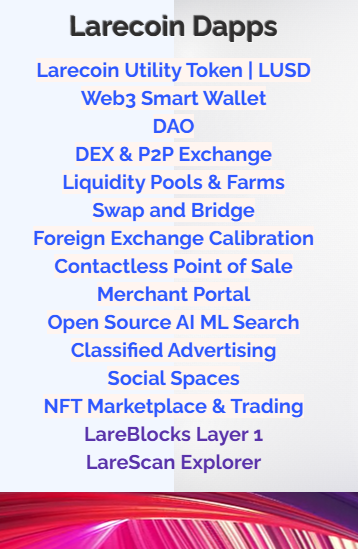
Breaking Down the Metaverse Shopping Stack
Let's get technical for a second.
The Old Model:
Customer browses physical store OR online store (separate experiences)
Pays with credit card (2.5-3.5% fee + fraud risk)
Gets paper receipt (thrown away)
Zero post-purchase engagement
The Larecoin Metaverse Model:
Customer explores VR storefront with friends (social shopping)
Scans QR code at crypto POS terminal
Pays with LARE or LUSD (0.01% effective fee)
Receives NFT receipt to self-custody wallet
Unlocks rewards, exclusive drops, and community access
The experience doesn't end at checkout. It begins there.
Master/Sub-Wallet Architecture for Enterprise
Franchise businesses need this.
A restaurant chain with 200 locations can't give each manager access to the main treasury. Master/sub-wallet architecture solves this. Corporate holds the master wallet. Each location gets a sub-wallet with spending limits.
Real-time settlement. Full transparency. Zero chargebacks.
Compare that to traditional payment processors: settlements take 2-3 days, chargebacks drain 0.5-1% of revenue, and you're locked into their ecosystem.
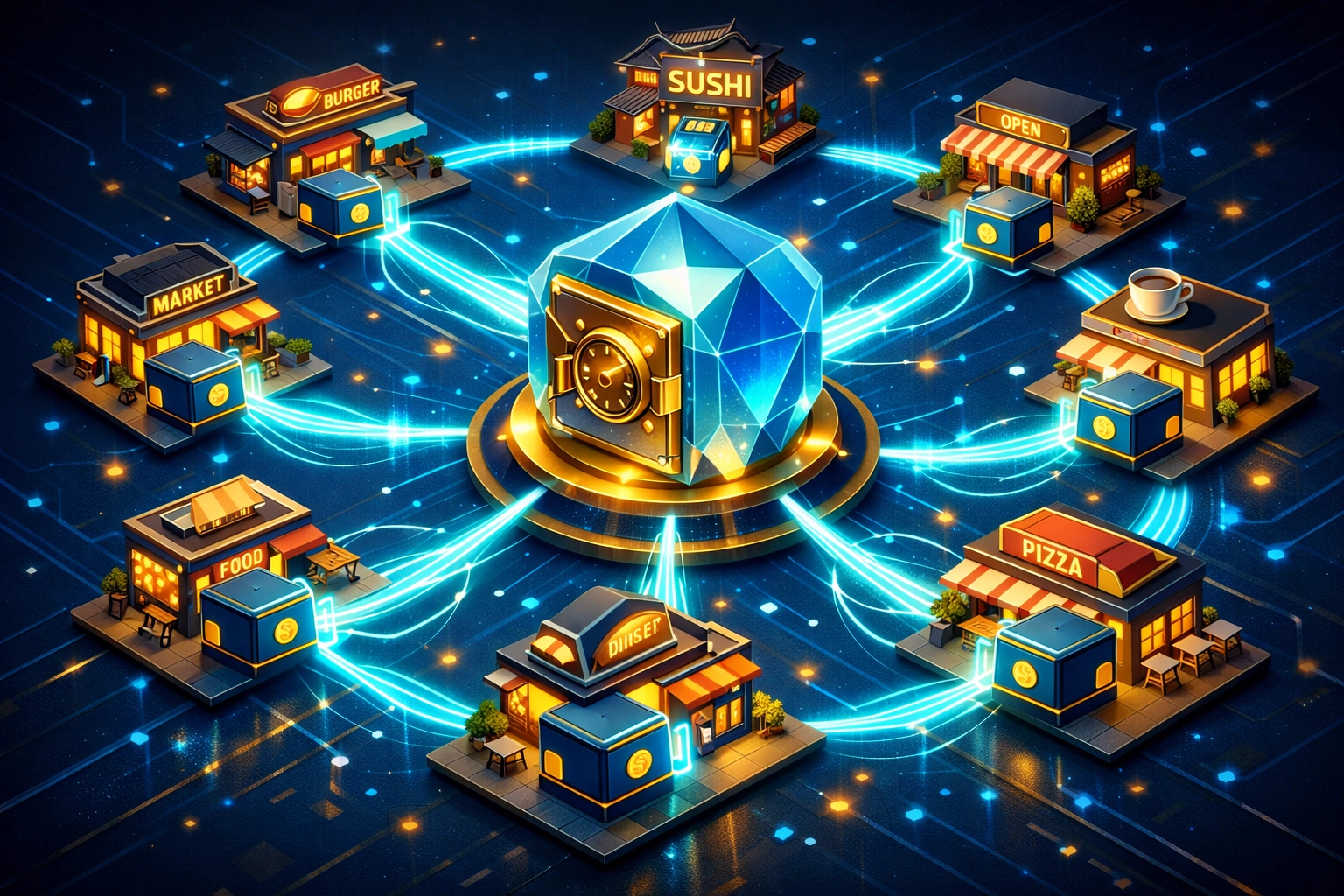
Fee Savings: The Math That Makes CFOs Cry (Tears of Joy)
Let's run real numbers.
Traditional Retail:
Annual revenue: $5,000,000
Average interchange fee: 2.75%
Annual payment processing cost: $137,500
Larecoin Web3 Payments:
Annual revenue: $5,000,000
Average transaction fee: 0.02% (gas-only)
Annual payment processing cost: $1,000
Savings: $136,500 per year. That's not a typo.
For enterprise merchants? Multiply that by 10x or 100x. Reducing interchange fees isn't a nice-to-have. It's existential.
The Social Shopping Revolution Nobody Saw Coming
Here's where metaverse commerce gets interesting.
Traditional e-commerce is lonely. You browse alone. Add to cart alone. Checkout alone.
VR/AR metaverse shopping is social. You meet friends in a virtual storefront. Try on clothes together (avatars). Vote on purchases. Share exclusive NFT drops. Attend virtual product launches.
Larecoin's B2B2C metaverse enables this. Merchants set up 3D storefronts. Customers explore them via VR headsets or AR on mobile. Transactions happen instantly with crypto payments.
The psychology shifts from transactional to experiential. Brand loyalty skyrockets.
Compliance: The Boring Part That Makes Everything Possible
Let's talk about trust.
Half the crypto payment platforms out there? They're playing fast and loose with regulations. That works until it doesn't. Then merchants get burned.
Larecoin is federally registered as an MSB. Money Services Business registration with FinCEN. State-level MTL (Money Transmitter License) coverage across major U.S. markets.
This isn't marketing fluff. It's foundational infrastructure. Compliance builds trust. Trust builds adoption. Adoption builds network effects.
Merchants who integrate Larecoin aren't gambling on sketchy crypto tech. They're partnering with a regulated, transparent Web3 payments platform.
Self-Custody: Merchants Control Their Money (Finally)
Traditional payment processors hold your funds.
For days. Sometimes weeks. They can freeze accounts. Reverse transactions. Charge mysterious "adjustment fees."
Self-custody changes the power dynamic.
Merchants receive payments directly to their Larecoin wallet. No intermediary custody. No 2-day settlement windows. No surprise holds.
Your revenue. Your wallet. Your control.
This is especially critical for metaverse merchants operating globally. Cross-border payments that used to take 5-7 days? Instant with crypto. Currency conversion fees that ate 3-5%? Gone.
Comparing Alternatives: NOWPayments vs Larecoin Metaverse Stack
NOWPayments offers basic crypto payment processing. Accept Bitcoin, Ethereum, stablecoins. Good for standard e-commerce.
But there's no metaverse infrastructure. No NFT receipts. No VR storefront integration. No B2B2C social shopping layer.
Larecoin goes deeper:
Full metaverse commerce stack
NFT-powered loyalty programs
Master/sub-wallet for enterprise
LUSD stablecoin integration
AI-powered merchant tools
QR-generated POS terminals
It's not just accepting crypto. It's rebuilding commerce from the ground up.
The 2026 Merchant Playbook
Here's how smart merchants are positioning for metaverse shopping:
Phase 1: Integrate Crypto POS Add Larecoin QR code payments at physical locations. Cut interchange fees immediately.
Phase 2: Launch NFT Receipts Turn every transaction into a collectible asset. Build loyalty through scarcity.
Phase 3: Build VR Storefront Create 3D shopping experiences in Larecoin's metaverse. Host virtual events.
Phase 4: Scale Globally Accept payments from anywhere. No currency conversion. No cross-border fees.
Merchants stuck on Phase 0? They're watching their margins erode while competitors innovate.
The Future Is Already Here (It's Just Not Evenly Distributed)
Physical stores aren't dead. They're transforming.
The smartest retailers are bridging atoms and bits. Physical locations for tactile experiences. VR/AR metaverse for discovery and social shopping. Crypto payments for frictionless global commerce.
Larecoin is the infrastructure layer making this possible. Federally compliant. MSB registered. MTL coverage. Gas-only transfers. NFT receipts. LUSD stability. Self-custody. Master/sub-wallets.
The question isn't whether metaverse shopping will dominate. It's whether your business will be ready when it does.
Join the Larecoin community to stay ahead of the metaverse commerce revolution. Or check out the full marathon of Web3 insights covering everything from fee reduction to decentralized finance.
The future of retail is being built right now. On-chain. In the metaverse. With Larecoin.
Comments