

.png)
Are Traditional Checkout Systems Dead? Why Metaverse Shopping and VR/AR Will Dominate B2B2C by 2027
- [[[Free!!]<<<<]] Watch: 스포르팅 - 토트넘 Live Stream 13 September 2022
- 2 hours ago
- 5 min read
![Writer: [[[Free!!]<<<<]] Watch: 스포르팅 - 토트넘 Live Stream 13 September 2022](https://lh3.googleusercontent.com/a/AItbvmktwQc0wCdd3ZEETSYItRQubwwBzOyjD_dcigRf=s96-c)
Let's cut through the noise.
Traditional checkout systems aren't dead: yet. But they're bleeding out fast.
Physical retail opened 1,118 new stores in 2025. Only 569 closed. The retail apocalypse narrative? Overblown.
But here's what nobody's talking about: the checkout experience itself is dying.
Swipe. Tap. Wait. Sign. Interchange fees eating 2-3% of every transaction. Chargebacks. Fraud. Legacy payment processors clinging to outdated infrastructure.
That model? Finished.
The Invisible Tax Killing Merchants
Every time a customer swipes a credit card, merchants lose money.
Visa and Mastercard extract their pound of flesh. Payment processors take their cut. Banks get their slice.
End result? Merchants pay 2-4% per transaction. Some industries pay even more.
That's the invisible tax on commerce.
Small businesses operate on razor-thin margins. Every percentage point matters. Traditional checkout systems were built for banks: not merchants.
The alternative? Web3 payments that slash fees by more than 50%.
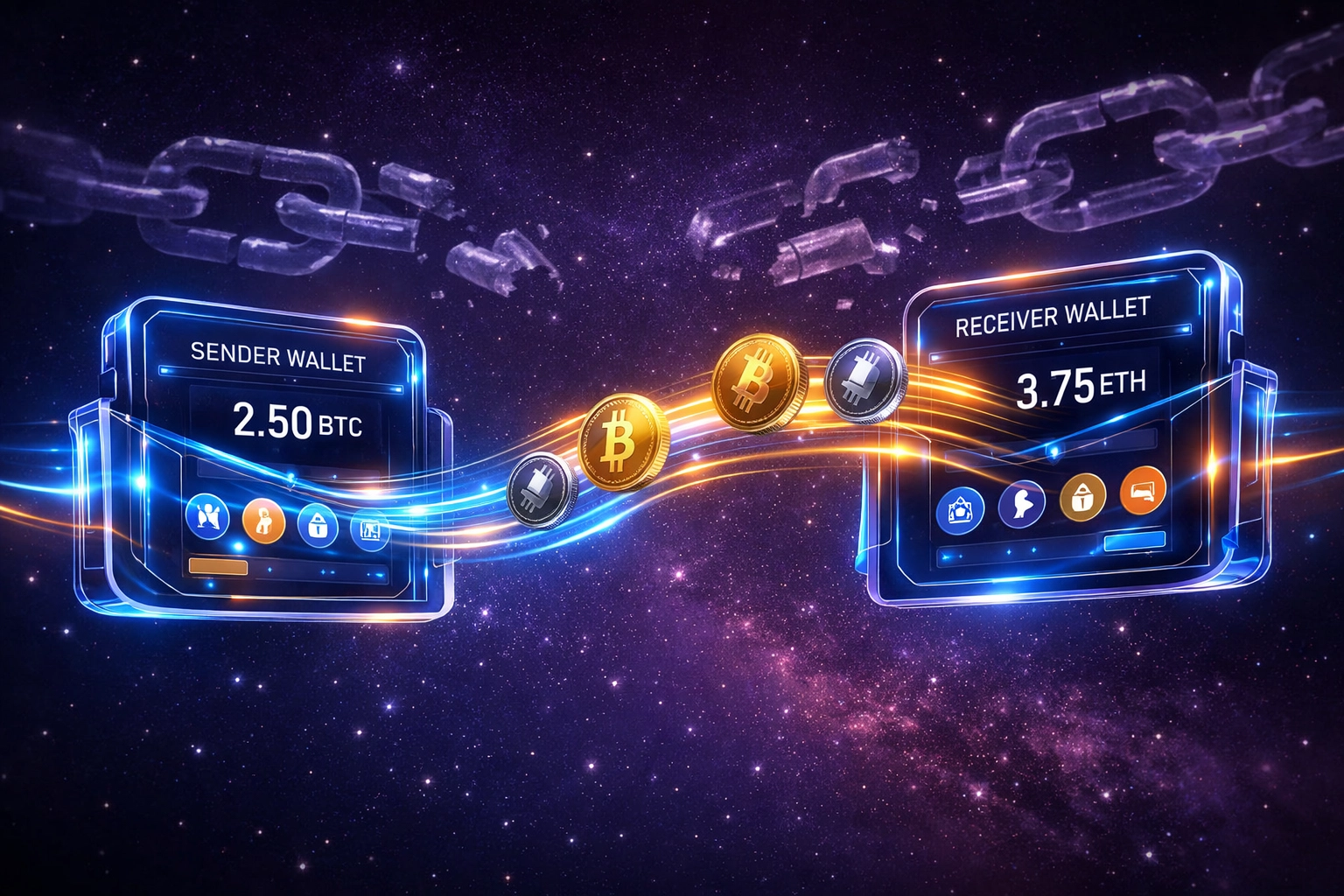
Larecoin's gas-only transfer model eliminates intermediaries. No payment processor markup. No interchange fees. Just direct wallet-to-wallet transactions.
Why NOWPayments and CoinPayments Still Use Old Logic
Let's talk competitors.
NOWPayments, CoinPayments, and Triple-A entered the crypto payment space early. They deserve credit for that.
But they're still building on outdated assumptions.
Here's the problem:
They custody your funds (you don't control your keys)
They charge transaction fees on top of network fees
No NFT receipt infrastructure
Limited stablecoin options (no LUSD integration)
Traditional POS integration: not Web3-native
These platforms replicate traditional payment processor models. They just swapped fiat for crypto.
Larecoin operates differently:
Self-custody architecture. You control your funds. Always.
Gas-only transfers. No platform fees. No hidden charges. Just network costs.
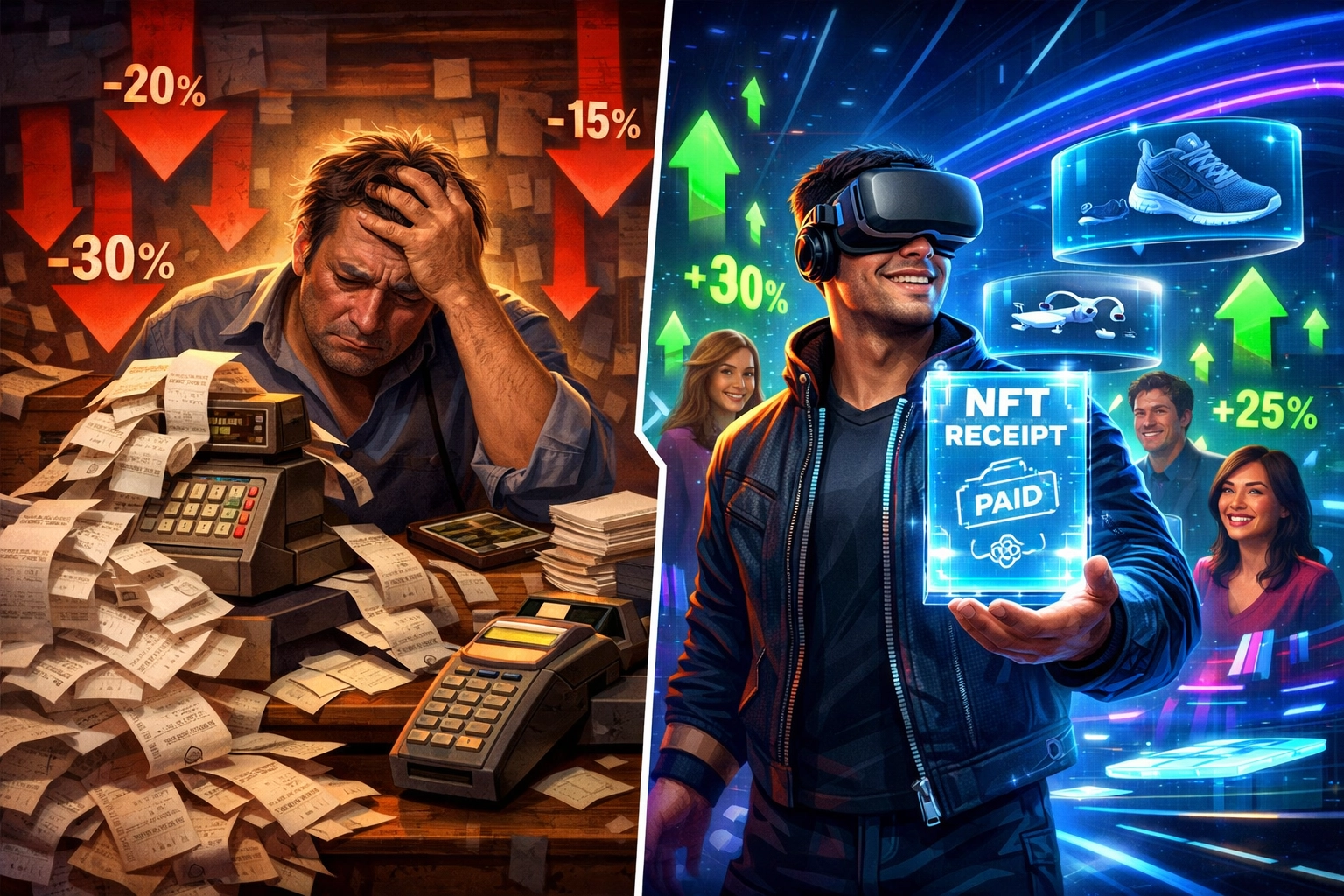
NFT receipts. Every transaction generates an on-chain proof of purchase. Immutable. Verifiable. Revolutionary for accounting and compliance.
LUSD stablecoin integration. Price stability without centralized control. Decentralized collateral backing every token.
Master and sub-wallet infrastructure. Manage multiple locations, departments, or franchises from one dashboard. Perfect for B2B2C operations.
The difference? Larecoin was built for the metaverse economy from day one.
Metaverse Retail: $426.9 Billion by 2027
The numbers don't lie.
Metaverse retail market: $61.8 billion in 2022. Projected to hit $426.9 billion by 2027. That's 47.2% annual growth.
Not a trend. A transformation.
Virtual storefronts are going mainstream.
Customers browse 3D product displays. Try items on virtual avatars. Shop with friends in real-time. Consult experts from anywhere in the world.
All without leaving their living room.
The experience beats physical retail in key areas:
No geographic limitations (sell globally from day one)
Zero real estate costs
24/7 operations with no labor overhead
Personalized AI recommendations based on purchase history
Social shopping experiences that build community
Smart merchants operate both physical and virtual stores. But the margin advantage in the metaverse? Undeniable.
VR/AR Shopping Changes Everything
Virtual reality isn't just for gaming anymore.
AR fitting rooms let customers try clothes without changing. VR showrooms display full product catalogs without inventory storage. Spatial computing creates shopping experiences impossible in physical retail.
The killer apps emerging now:
Virtual try-before-you-buy. See exactly how furniture fits your space. Test makeup shades on your actual face. Preview home renovations before spending a dollar.
Social shopping lounges. Browse with friends across continents. Get real-time feedback. Share discoveries instantly.
AI shopping assistants. Personalized recommendations based on body type, style preferences, purchase history. Not creepy surveillance: genuine value.
Instant checkout. Point. Click. Done. No lines. No friction.
Web3 payments make this seamless. Crypto wallets connect instantly to metaverse platforms. One-click purchasing without entering credit card details. Lower fees mean merchants can offer better prices.
The customer wins. The merchant wins. Only legacy payment processors lose.
QR-Generated POS: Bridge Physical and Digital
Here's where it gets interesting.
Larecoin's QR-generated point-of-sale system works everywhere. Physical stores. Online shops. Metaverse platforms.
One unified payment infrastructure.
How it works:
Generate a QR code at checkout. Customer scans with their crypto wallet. Transaction settles in seconds. NFT receipt automatically minted.
No expensive hardware. No monthly fees. No merchant account setup. No chargeback risk.
Just a smartphone and internet connection.
Master/sub-wallet architecture adds power:
Franchise owners manage dozens of locations from one dashboard. Department stores separate revenue streams by category. B2B2C platforms track supplier payments automatically.
All payments flow into the master wallet. Sub-wallets handle operations. Clean accounting. Total transparency.
Check out our metaverse shopping features for implementation details.
Compliance: The Unsexy Advantage
Let's talk about something boring but critical: compliance.
Crypto payments scare merchants. Regulatory uncertainty. Potential legal liability. Horror stories about exchanges getting shut down.
Larecoin solved this.
Federal MSB (Money Services Business) registration. State-level MTL (Money Transmitter License) coverage across the United States.
Full regulatory compliance. No shortcuts. No gray areas.

What this means for merchants:
Accept crypto payments without legal risk
Clean audit trails for tax compliance
Protection against regulatory crackdowns
Institutional-grade security standards
Banking relationships that actually work
Other platforms cut corners. They operate in regulatory limbo. When authorities crack down, merchants get caught in the crossfire.
Larecoin built compliance into the foundation. Boring? Yes. Essential? Absolutely.
The B2B2C Metaverse Vision
Here's where traditional checkout systems completely break down.
B2B2C models (business-to-business-to-consumer) power the modern economy. Marketplaces. Platforms. Ecosystems.
Think Shopify powering thousands of stores. Amazon hosting millions of sellers. Etsy connecting craftspeople to customers.
Traditional payments fail at scale:
Complex fee structures. Multi-party settlement delays. Currency conversion headaches. Reconciliation nightmares.
Web3 payments excel here:
Smart contracts automate revenue splits. Payments settle instantly. No intermediaries taking cuts. No cross-border friction.
Larecoin's metaverse B2B2C model:
Platform operators earn fees automatically
Suppliers receive payments immediately
Customers get NFT receipts proving authenticity
Social shopping integrates natively
Cross-platform compatibility (sell on multiple metaverse platforms simultaneously)
Physical stores excel at local community building. Metaverse stores excel at global reach. Smart merchants operate both.
But only one payment system works seamlessly across both worlds.
Fee Savings That Actually Matter
Let's get specific about numbers.
Traditional checkout: 2-4% transaction fees. Sometimes higher. Processing delays. Chargeback risk adding another 0.5-1%.
Real-world impact on a $1 million annual revenue business:
Traditional fees: $20,000-$40,000
Chargeback losses: $5,000-$10,000
Total cost: $25,000-$50,000
Larecoin's gas-only model:
Network fees: ~$500-$2,000 (depending on blockchain congestion)
Platform fees: $0
Chargeback risk: $0 (crypto transactions are final)
Total cost: $500-$2,000
Savings: $23,000-$48,000 annually.
That's not a rounding error. That's hiring another employee. Expanding inventory. Opening a second location.
What Happens Next
2027 isn't far away.
The metaverse retail market will hit $400+ billion. VR/AR shopping becomes mainstream. Gen Z and Gen Alpha won't remember when you had to go to physical stores for most purchases.
Traditional checkout systems won't disappear overnight. But they'll become the fallback option: not the default.
Web3 payments will dominate B2B2C. Self-custody will become the standard. NFT receipts will revolutionize accounting and warranty tracking.
The question isn't whether this transformation happens. The question is whether you're positioned to benefit.
Larecoin built the infrastructure. Federal compliance? Check. State licensing? Check. Technical innovation? Check. Fee savings? Check.
The future of commerce isn't coming. It's here.
Visit larecoin.com to set up your merchant account. Start accepting crypto payments today. Join the Web3 payment revolution.
The old checkout systems are dying. Time to upgrade.
Comments