

.png)
Are Traditional Payment Processors Dead? How the 100-Post Larecoin Marathon Is Proving Web3 Global Payments Are the Future
- [[[Free!!]<<<<]] Watch: 스포르팅 - 토트넘 Live Stream 13 September 2022
- 2 hours ago
- 4 min read
![Writer: [[[Free!!]<<<<]] Watch: 스포르팅 - 토트넘 Live Stream 13 September 2022](https://lh3.googleusercontent.com/a/AItbvmktwQc0wCdd3ZEETSYItRQubwwBzOyjD_dcigRf=s96-c)

The 100-Post Challenge That's Rewriting Payment History
Dead? Not quite.
But dying? Absolutely.
Traditional payment processors aren't vanishing overnight. They're adapting, consolidating, and desperately trying to stay relevant in a world that's rapidly outgrowing them.
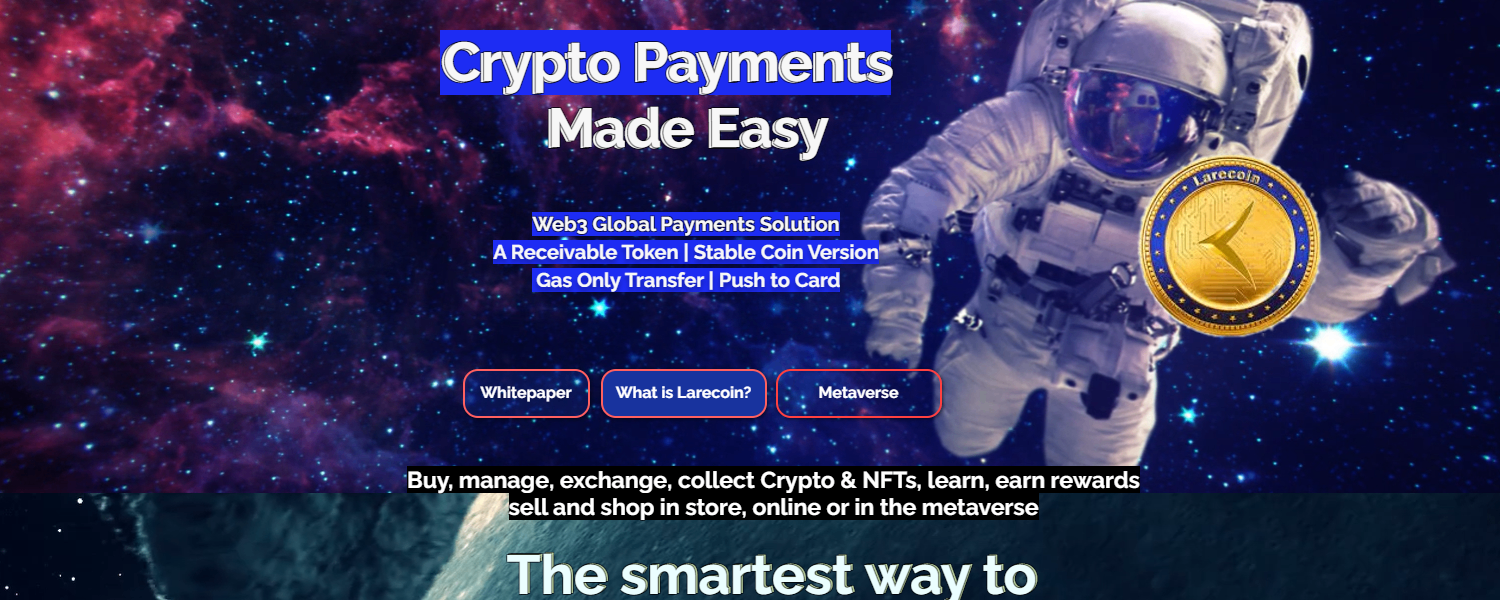
Here's what's actually happening in 2026: The 100-post Larecoin marathon is documenting: in real-time: how Web3 global payments are solving problems that Visa and Mastercard can't even acknowledge exist.
Not through theory.
Through merchant testimonials. Transaction data. Hard numbers.
The Uncomfortable Truth About Traditional Processors
They're still here. Still processing trillions in transactions.
But the cracks are showing.
Merchants are paying 2.9%–3.5% per transaction. Chargebacks hit without warning. Cross-border fees stack up like Russian nesting dolls. Settlement takes 2–5 business days.
Meanwhile, alternative payment methods are projected to hit 58% of ecommerce by 2028. Not because cards are disappearing: because merchants are bleeding out from interchange fees.
The system works. Until you realize how much money you're leaving on the table.
Why Merchants Are Searching for a NOWPayments Alternative
Let's talk competitors.
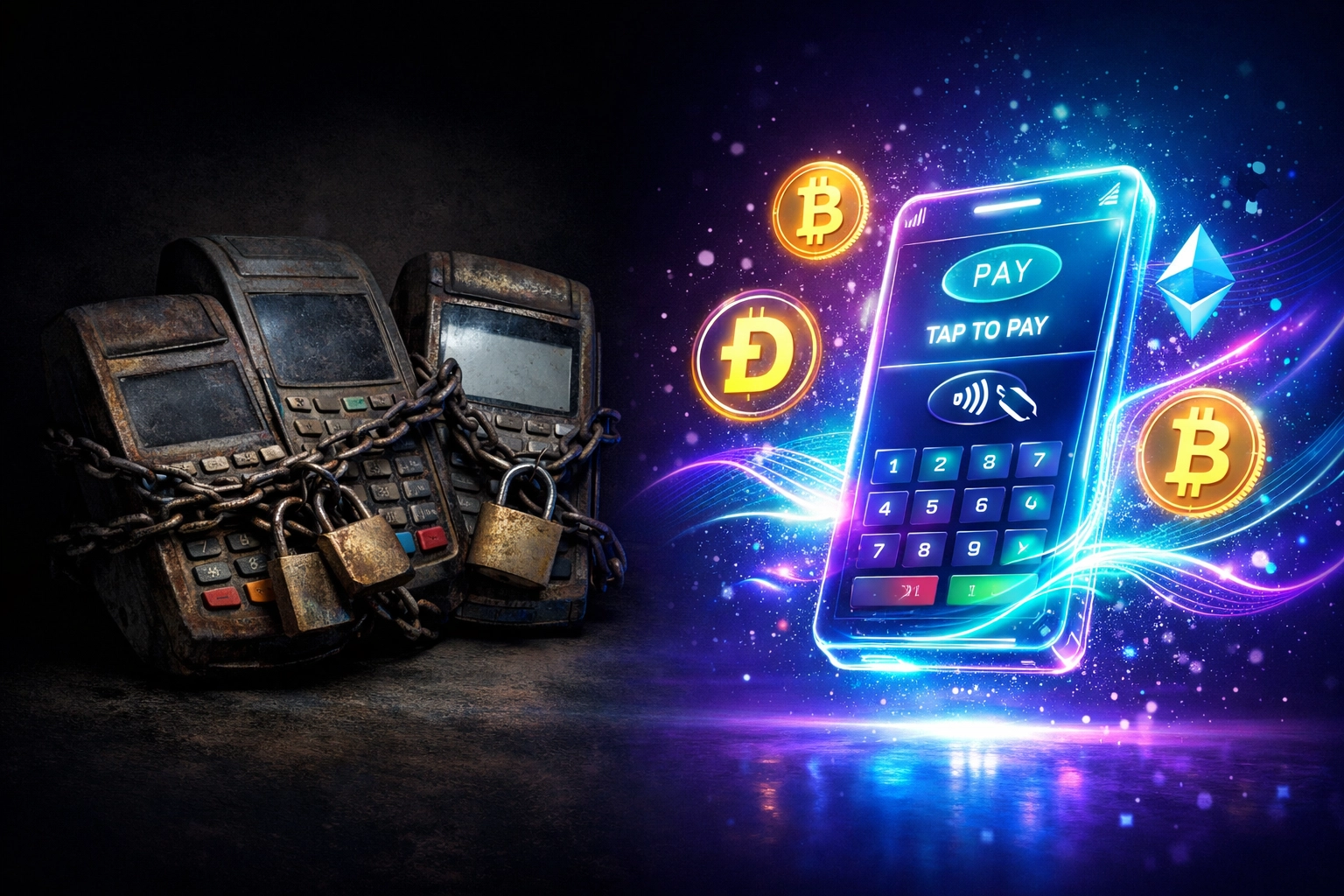
NOWPayments offers crypto processing. Great start. But you're still locked into their custody model. Your funds. Their wallet. And those withdrawal fees? They add up fast.
CoinPayments has been around since 2013. Legacy platform. Legacy problems. Clunky interface. Limited stablecoin options. No NFT receipts for accounting. No self-custody merchant accounts.
Triple-A positions itself as enterprise-grade. Fancy UI. Same fundamental limitation: you don't control your keys. You don't control your money.
What's missing across the board?
True financial sovereignty.
The Larecoin Difference: Self-Custody Meets Global Reach
Here's where the 100-post marathon gets interesting.
Every post documents a specific use case. A specific merchant problem solved. A specific transaction processed without intermediaries.
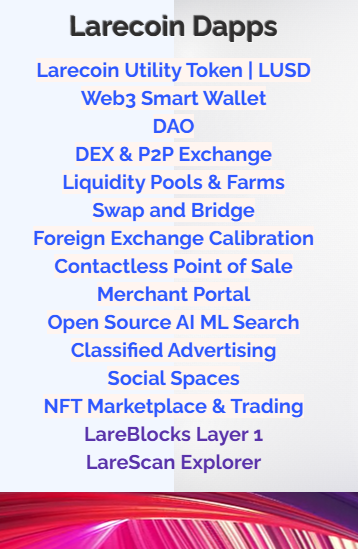
Self-custody merchant accounts. You hold the keys. Always. No withdrawal limits. No frozen accounts. No "we need to verify this transaction" emails at 2 AM.
LUSD stablecoin benefits. Price stability without bank dependency. Decentralized. Algorithmic. Not backed by a company that might collapse next Thursday.
Gas-only transfers. Move receivables without percentage fees eating into margins. One small network fee. Done.
NFT receipts for accounting. Every transaction minted on-chain. Immutable records. Perfect for audits. No more shoebox full of paper receipts.
This isn't theoretical. It's live. Right now.
How to Reduce Merchant Interchange Fees by 50%+ (Real Numbers)
Traditional processor: 2.9% + $0.30 per transaction.
Web3 global payments via Larecoin: Network gas fee only. Typically $0.50–$2.00 per transaction on Solana.
Do the math on a $100 sale:
Traditional: $3.20 in fees (3.2%)
Larecoin: $1.00 in fees (1%)
That's a 68% reduction.
On $10,000 monthly revenue?
Traditional fees: $320
Larecoin fees: $100
You just saved $220 per month. $2,640 annually.
And that's before we talk about reducing merchant interchange fees on cross-border transactions. Traditional processors stack currency conversion fees on top of interchange. Larecoin? Convert once. Transfer globally. Same low gas fee.
The Receivables Token: Financial Innovation They Can't Copy
Here's something NOWPayments and CoinPayments can't offer:
Tokenized receivables.
You're owed $50,000 from a customer paying in 30 days. Traditional finance says wait. Web3 says tokenize that invoice and trade it immediately.
Instant liquidity. Convert future payments into present cash flow. Without predatory factoring fees. Without handing over 15% of your invoice to a lender.
Smart contracts handle the settlement. The buyer pays the token holder. Transparent. Automated. Bank-free business operations at scale.
This is the future of B2B payments. And it's being documented: transaction by transaction: in the marathon.

Crypto POS System for Small Business: Finally Accessible
Point-of-sale was the missing piece.
Web3 payments were too clunky for retail. Too slow. Too complicated for the average barista to process.
Not anymore.
Larecoin's contactless crypto POS system turns any smartphone into a payment terminal. Customer taps. Payment processes. Receipt mints as NFT.
Three seconds. Done.
Works in coffee shops. Farmers markets. Pop-up stores. Any merchant who's tired of giving Square or Stripe 2.75% per swipe.
And unlike legacy crypto POS systems, this one actually works when network traffic spikes. Solana's infrastructure handles 65,000 transactions per second. Your morning rush won't crash the system.
The Marathon Methodology: Why 100 Posts Matter
One blog post about Web3 payments? That's marketing.
One hundred posts documenting real merchants, real transactions, real problems solved? That's proof.
Each post targets a specific pain point:
Cross-border remittances without Western Union fees
Subscription billing without failed credit card charges
International freelancer payments without PayPal holds
Event ticketing with NFT verification
Marketplace escrow without middleman risk
The marathon isn't just content. It's a knowledge base. A roadmap. A demonstration that Web3 global payments aren't coming someday: they're here now.
Merchants are already using them. Saving money. Gaining sovereignty.
What Traditional Processors Get Wrong About Innovation
Visa and Mastercard talk about adapting.
They mention crypto partnerships. Blockchain integration. Stablecoin pilots.
But they can't solve the fundamental problem:
They are the middleman.
Their entire business model depends on taking a cut of every transaction. On controlling the flow of money. On maintaining the status quo where merchants have no leverage.
Real-time payments? They'll offer it: with fees.
Alternative methods? They'll integrate them: with fees.
Blockchain settlement? Sure: with fees.
The Web3 global payments model isn't about adding blockchain to existing infrastructure. It's about eliminating the infrastructure entirely.
Peer-to-peer. Merchant-to-customer. No intermediary. No permission required.
The 2026 Reality: Coexistence, Then Replacement
Here's the honest take:
Traditional processors aren't dead in February 2026. They're still processing the majority of transactions globally.
But the trend line is clear.
Alternative payments hit 58% of ecommerce by 2028. Real-time account-to-account transfers expand to 70+ countries. Stablecoins gain regulatory clarity. Self-custody becomes the norm, not the exception.
The marathon is documenting this transition in real-time. Not to predict the future: to build it.
Every merchant who switches saves money. Every transaction processed proves viability. Every post educates the next wave of adopters.
Traditional processors had decades of monopoly. That window is closing.
Your Move: Join the Marathon or Watch from the Sidelines
The choice is binary.
Keep paying 3% per transaction to processors who add zero value. Accept chargebacks. Wait days for settlement. Operate at the mercy of corporate payment policies.
Or switch to Web3 global payments. Cut fees by 50%+. Get instant settlement. Maintain full custody. Access global markets without permission.
The 100-post marathon continues documenting the shift. Case studies. Technical guides. Merchant interviews. Integration tutorials.
Traditional payment processors aren't dead.
But their monopoly is.
Ready to slash your merchant fees?Start with Larecoin and join the merchants building bank-free businesses today.
Comments