

.png)
CLARITY Act Explained in Under 3 Minutes: Why Larecoin's Digital Commodity Status Changes Everything
- [[[Free!!]<<<<]] Watch: 스포르팅 - 토트넘 Live Stream 13 September 2022
- 2 hours ago
- 4 min read
![Writer: [[[Free!!]<<<<]] Watch: 스포르팅 - 토트넘 Live Stream 13 September 2022](https://lh3.googleusercontent.com/a/AItbvmktwQc0wCdd3ZEETSYItRQubwwBzOyjD_dcigRf=s96-c)
The crypto world just got its rulebook.
H.R. 3633: the CLARITY Act: dropped regulatory clarity that changes everything for Web3 payments. And Larecoin? We're positioned exactly where we need to be: as a digital commodity under CFTC jurisdiction.
Here's what that means for merchants, users, and the future of decentralized payments.
The CLARITY Act: 60 Seconds of What You Need to Know
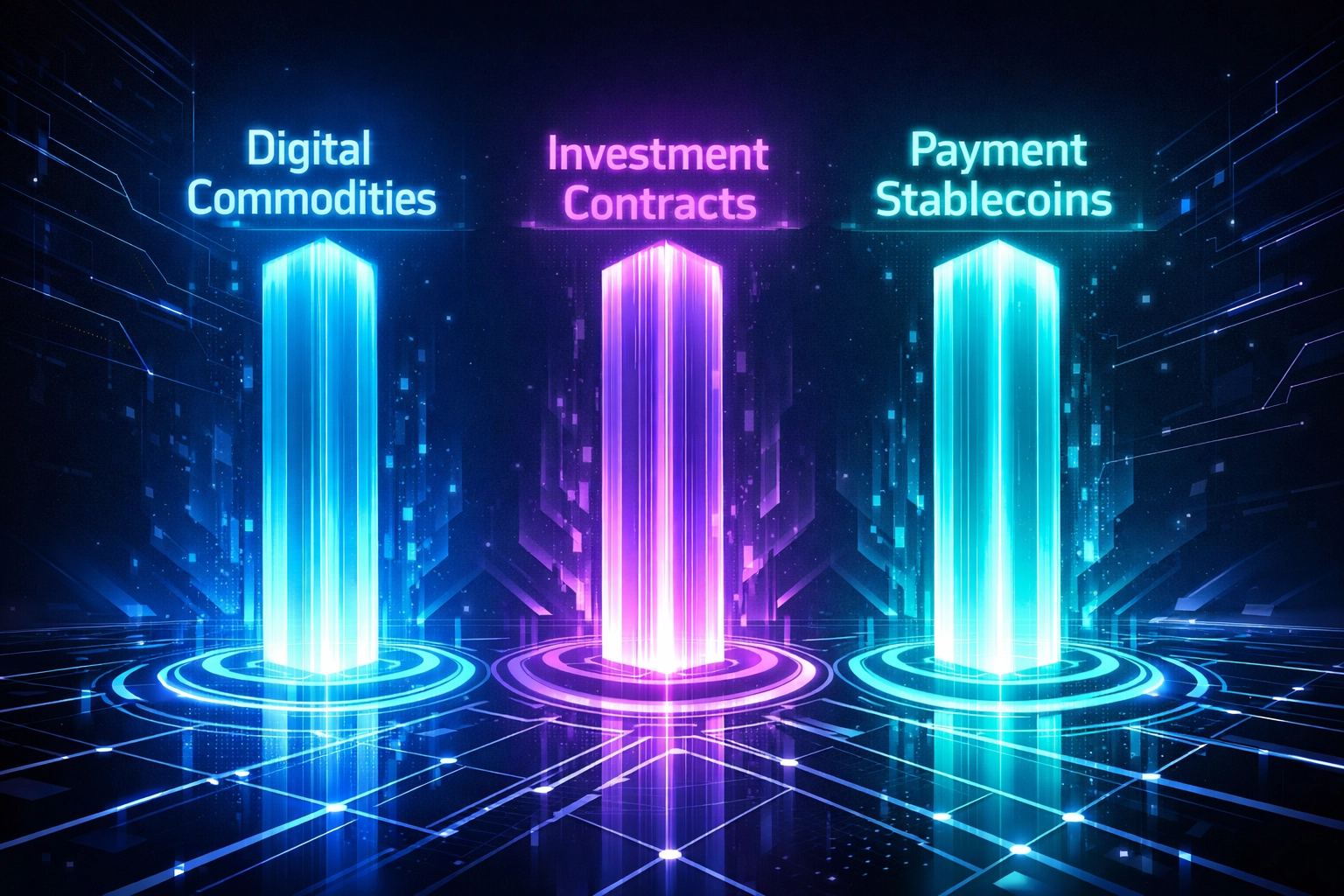
The CLARITY Act splits digital assets into three buckets:
Digital Commodities → Regulated by the CFTC. Think Bitcoin, Ethereum, and blockchain-native assets whose value comes from network functionality.
Investment Contract Assets → SEC territory. These are tokens sold for capital raising during fundraising phases.
Permitted Payment Stablecoins → Banking regulators handle these. National currency-backed stablecoins designed purely for payments.
The game-changer? No more jurisdictional tug-of-war between the SEC and CFTC. Clear rules. Clear oversight. Clear path forward.
Why Larecoin Qualifies as a Digital Commodity
Larecoin meets every criterion for digital commodity classification under the CLARITY Act.
Our value derives directly from blockchain functionality: not from promises of future returns or centralized company performance. LareBlocks Layer 1 powers the entire ecosystem. The network enables Web3 global payments, NFT receipts, cross-chain swaps, and merchant solutions.
CFTC jurisdiction means:
Spot trading regulation that protects users
Anti-fraud enforcement at the federal level
Legitimacy for exchanges and payment processors
Clear compliance pathways for merchants
This isn't theoretical. This is the regulatory framework that lets Web3 payments compete head-to-head with legacy systems.
And we're crushing legacy systems on fees.
50% Fee Savings: The Merchant Revolution
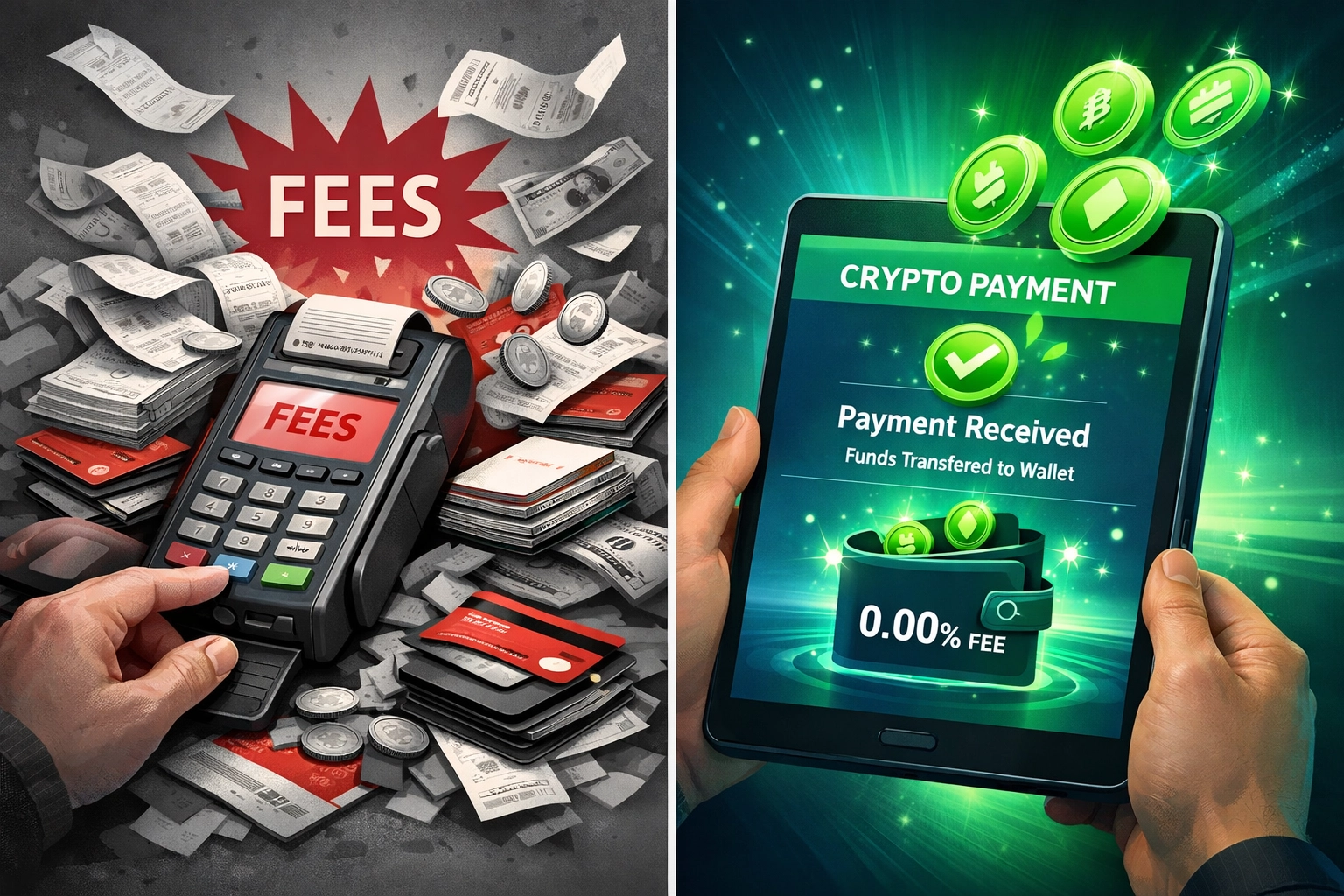
Credit card processors charge 2.5% to 3.5% per transaction. Sometimes more with international fees and chargebacks.
Larecoin? Less than 1% in most scenarios.
The math is brutal for traditional payment rails:
Legacy Payment Processor:
$100 sale = $2.50–$3.50 in fees
Chargeback risk
3–5 day settlement
Currency conversion fees
Monthly gateway costs
Larecoin Payment:
$100 sale = $0.80–$1.20 in fees
Irreversible transactions
Minutes to settlement
Native multi-currency
No monthly minimums
That's 50% savings. Every transaction. Every day.
Platforms like NOWPayments and CoinPayments offer crypto payment processing, but they're operating on multi-chain infrastructure with varying fee structures and compliance complexity. Larecoin built from the ground up as a payment-first digital commodity with regulatory clarity baked in.
The CLARITY Act solidifies this advantage. Merchants adopting Larecoin aren't gambling on regulatory limbo: they're choosing a CFTC-regulated digital commodity with transparent oversight.
NFT Receipts: The End of Lost Documentation
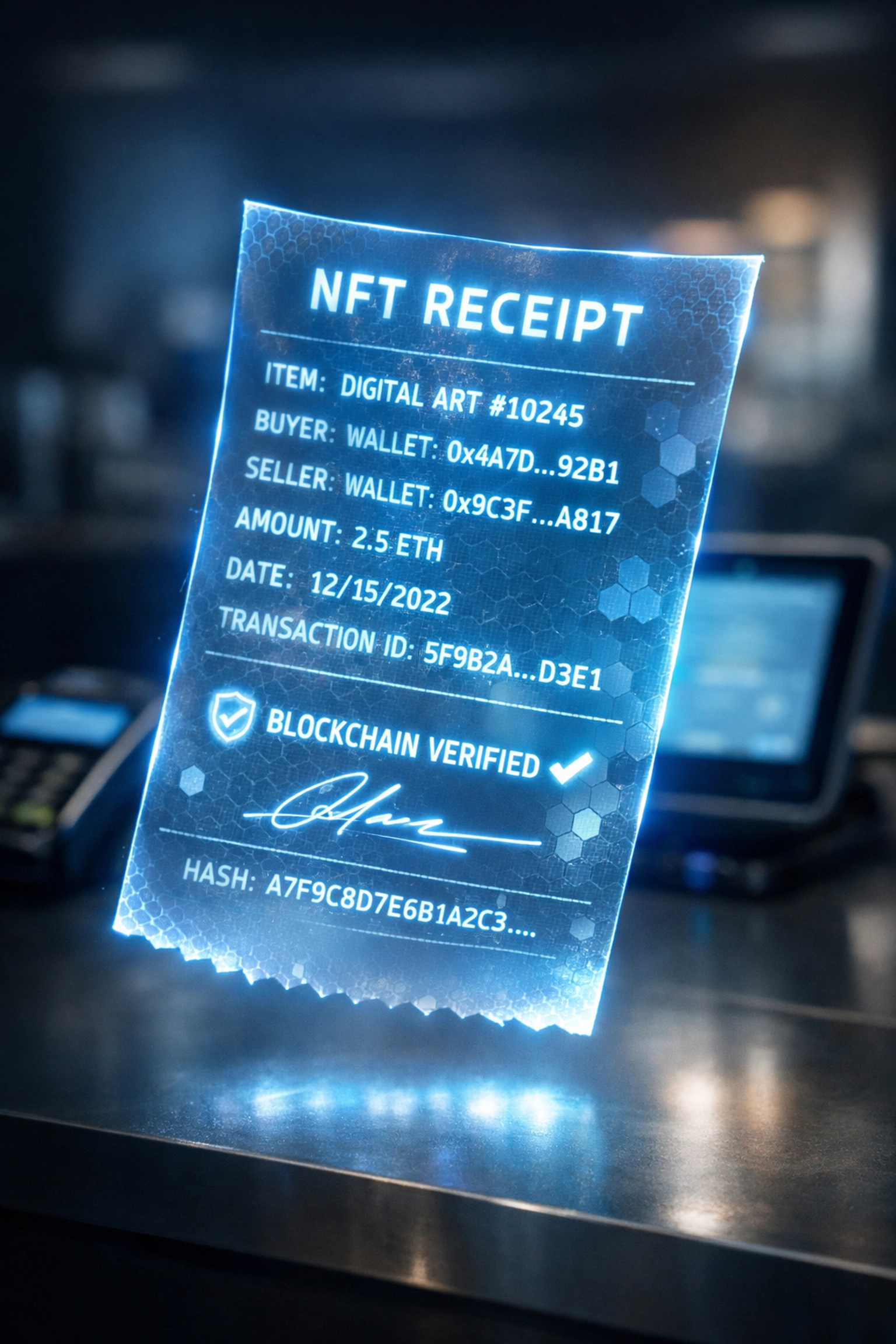
Every Larecoin transaction generates an NFT receipt.
Not a PDF. Not an email. An immutable, blockchain-verified proof of purchase.
This changes:
Warranty claims → Receipts can't be lost or forged
Tax reporting → Complete transaction history on-chain
Business accounting → Automated reconciliation
Customer service → Instant verification of purchase details
NFT receipts aren't gimmicks. They're functional infrastructure that solves real merchant pain points.
And they're only possible because Larecoin operates on LareBlocks Layer 1: a blockchain purpose-built for payment utility.
LUSD Stablecoin: Stability Without Compromise
Volatility concerns? LUSD stablecoin handles that.
LUSD maintains 1:1 parity with the U.S. dollar while leveraging the same LareBlocks infrastructure as Larecoin. Merchants can accept payments in LARE or LUSD depending on their risk tolerance and business model.
The flexibility matters:
Crypto-native businesses hold LARE for ecosystem participation
Traditional merchants convert to LUSD instantly for stable accounting
International sellers use LUSD to avoid forex spreads and bank delays
Under the CLARITY Act, LUSD qualifies as a permitted payment stablecoin: banking regulator territory with clear compliance standards. No ambiguity. No guesswork.
This dual-token approach gives merchants options that CoinPayments and NOWPayments can't match with their multi-chain hodgepodge of assets and varying regulatory statuses.
LareBlocks Layer 1: Self-Custody Security
LareBlocks isn't built on Ethereum, Solana, or BNB Chain.
It's our own Layer 1 blockchain optimized for payment processing and merchant infrastructure.
Why that matters:
Speed → Sub-second transaction finality
Cost → Minimal gas fees compared to congested networks
Security → Self-custody means no third-party risk
Scalability → Built to handle enterprise-level transaction volumes
Self-custody is the difference between owning your assets and trusting someone else to hold them. Larecoin users control their private keys. No exchange custody. No custodial wallet provider risk.
The CLARITY Act reinforces this model. Digital commodities thrive in decentralized, non-custodial environments. Regulatory clarity doesn't mean regulatory control: it means transparent rules for transparent technology.
Legacy processors like NOWPayments require custodial wallets for certain features. LareBlocks eliminates that dependency entirely.
AI-Powered Metaverse Shopping: The Next Frontier
Larecoin isn't just for online checkouts and point-of-sale terminals.
We're building the payment infrastructure for metaverse commerce. AI-powered shopping experiences where virtual storefronts accept LARE and LUSD for digital goods, physical product delivery, and hybrid experiences.
Imagine:
Virtual retail spaces with instant crypto checkout
AI assistants processing Larecoin payments in real-time
NFT receipts doubling as digital collectibles
Cross-reality loyalty programs powered by blockchain
This isn't science fiction. It's shipping now.
The CLARITY Act creates the regulatory foundation for these innovations. Digital commodity status means metaverse transactions have the same legal clarity as physical-world payments.
Larecoin vs. The Competition
Let's compare:
NOWPayments
Multi-chain complexity
Varying regulatory status per asset
Custodial elements for some features
Higher fees due to blockchain diversity
CoinPayments
Broad asset support but inconsistent compliance
Limited Layer 1 control
No native stablecoin solution
Generic infrastructure not optimized for payments
Larecoin
Digital commodity status under CLARITY Act
Purpose-built Layer 1 blockchain
Native stablecoin (LUSD) with clear regulatory path
50% fee savings vs. legacy systems
NFT receipt infrastructure
Metaverse-ready payment rails
The difference isn't features. It's foundation.
Larecoin was designed from day one to be a payment-first digital commodity with regulatory compliance as a core principle: not an afterthought.
What This Means for You
If you're a merchant: Lower fees. Faster settlements. Better infrastructure.
If you're a user: Self-custody security with payment utility that actually works.
If you're watching the crypto payments space: The CLARITY Act just separated real infrastructure from speculative noise.
Larecoin isn't pivoting to comply with new regulations. We're already there.
Digital commodity status. CFTC oversight. Layer 1 blockchain. Native stablecoin. NFT receipts. AI-powered metaverse integration.
This is what Web3 payments look like when you build for clarity from the start.
Get started at Larecoin.com and see why digital commodity status changes everything.
Comments