

.png)
How the CLARITY Act Turns Your Crypto Payments Into Tax-Smart Receivables (And Why Merchants Are Switching)
- [[[Free!!]<<<<]] Watch: 스포르팅 - 토트넘 Live Stream 13 September 2022
- 2 hours ago
- 4 min read
![Writer: [[[Free!!]<<<<]] Watch: 스포르팅 - 토트넘 Live Stream 13 September 2022](https://lh3.googleusercontent.com/a/AItbvmktwQc0wCdd3ZEETSYItRQubwwBzOyjD_dcigRf=s96-c)
Regulatory Clarity Just Changed Everything for Crypto Merchants
Here's what most payment processors won't tell you.
The CLARITY Act (H.R. 3633) passed the House in 2025 with a 294-134 vote. It's not just another crypto bill. It's the framework that finally answers the question every merchant asks: "Who regulates this thing?"
Digital commodities? CFTC. Investment contracts? SEC. Payment stablecoins? Banking regulators.
Done.
That clarity means your accountant can finally stop sweating over every crypto transaction. Your receivables become predictable. Your tax reporting becomes straightforward. Your CFO stops asking why you're "experimenting with internet money."
Why "Tax-Smart Receivables" Actually Matters
Traditional crypto payment processors leave you holding volatile assets on your books. Bitcoin spikes 15% overnight? Great. Drops 20% before you convert? Not great.
Your receivables shouldn't feel like a casino.
The CLARITY Act's stablecoin framework creates the regulatory foundation for payment stablecoins to operate under clear banking supervision. This means platforms like Larecoin can build payment infrastructure around regulated stablecoins like LUSD: giving merchants stable, predictable receivables.
No volatility nightmares. No surprise tax events from price swings. No explaining to your accountant why your $10K in crypto payments is now worth $8.2K.
The Merchant Exodus is Real (And Here's Why)
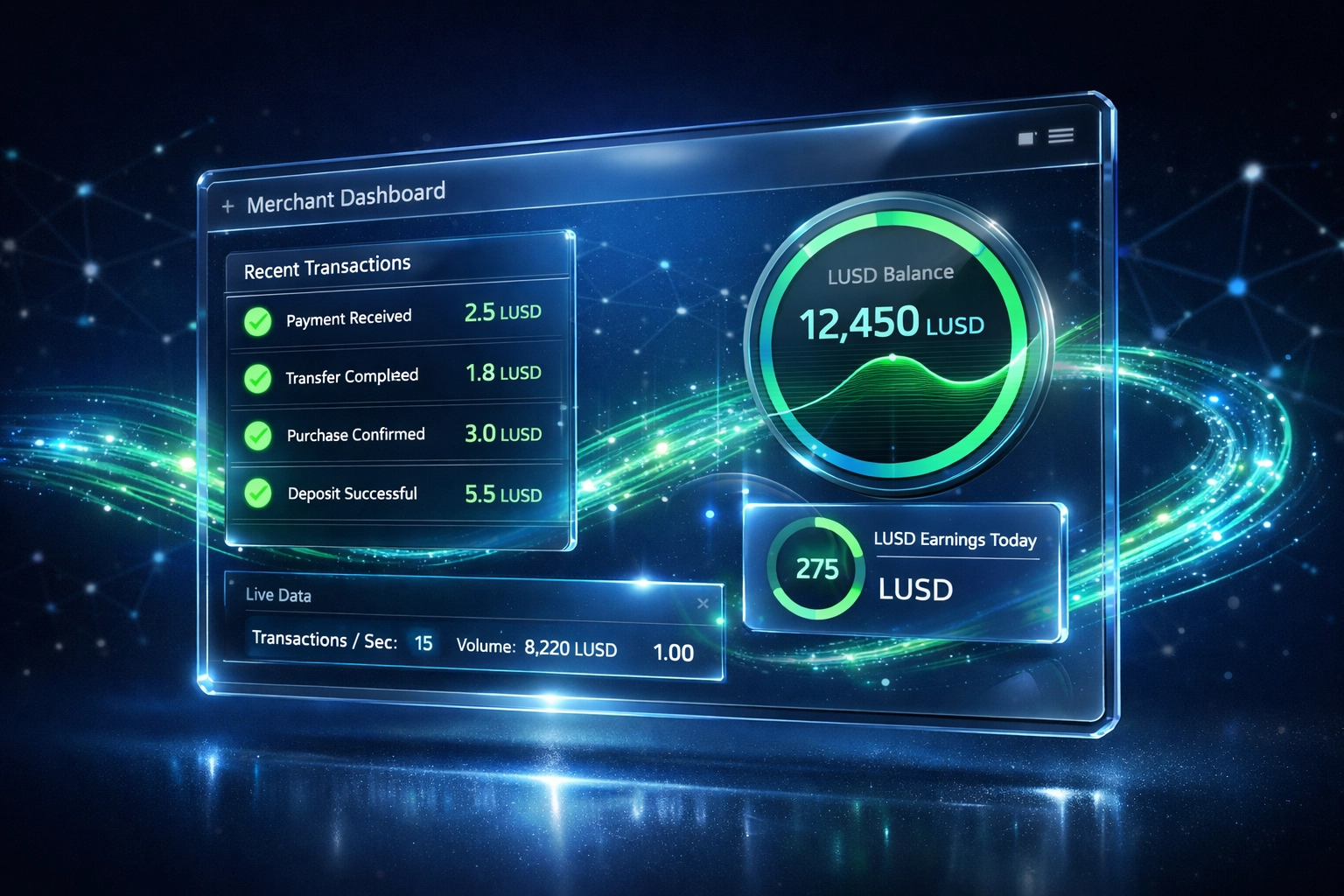
Merchants are ditching legacy processors like NOWPayments, CoinPayments, and Triple-A. The numbers don't lie:
Fee Comparison:
Legacy processors: 1-2% + network fees
Larecoin: 50% lower fees across the board
Settlement Options:
Legacy: Convert to fiat (with conversion fees and delays)
Larecoin: Instant LUSD stablecoin OR Push-to-Card direct to your bank
Merchant Tools:
Legacy: Basic payment gateway
Larecoin: NFT receipts, Master/Sub-wallet architecture, AI-powered analytics
The CLARITY Act creates the regulatory backbone. Larecoin builds the merchant-first infrastructure on top of it.
How LareBlocks Infrastructure Changes Payment Processing
Most crypto payment processors rent infrastructure. Larecoin owns it.
The LareBlocks Layer 1 blockchain and LareScan explorer mean:
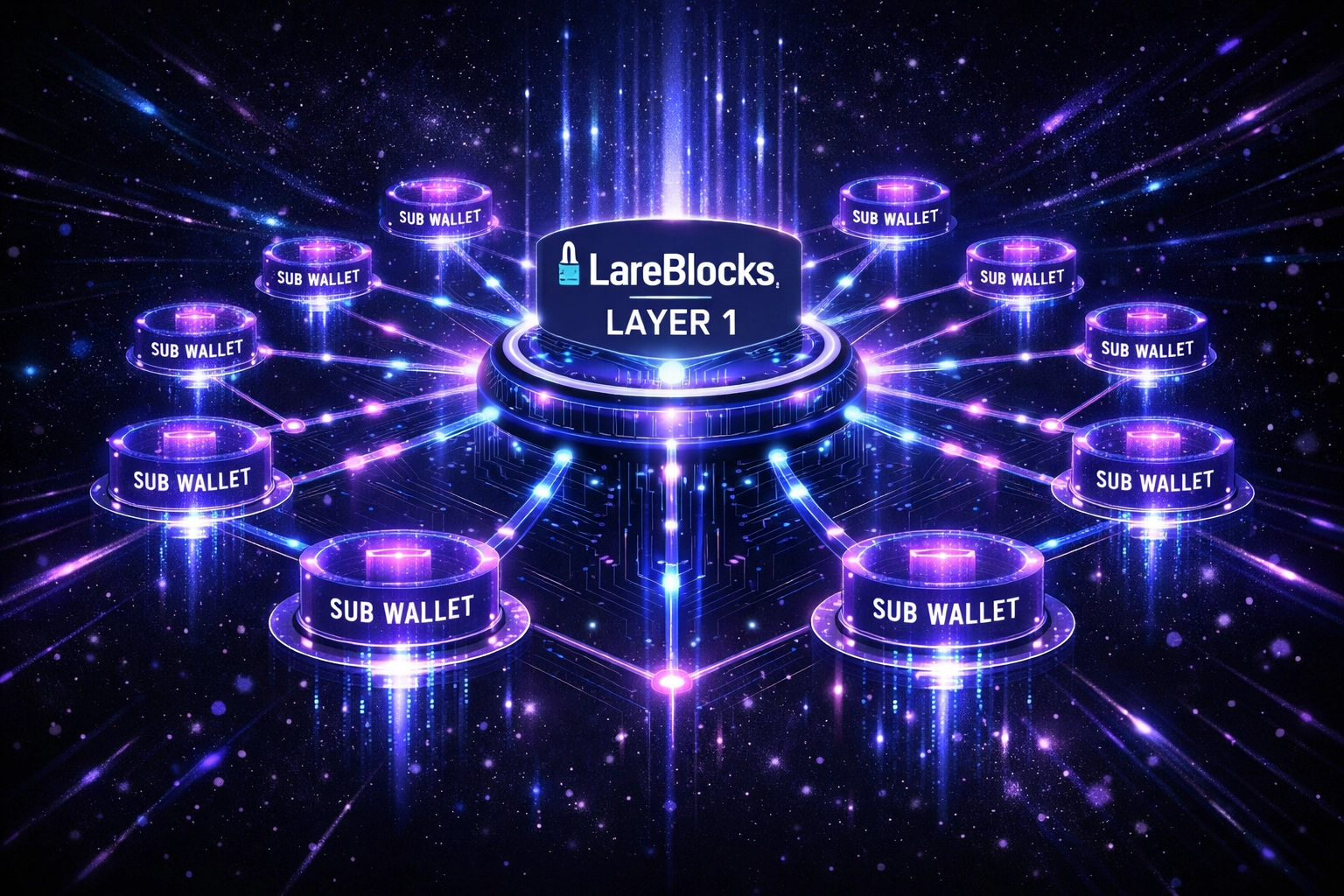
Speed: Sub-second transaction finality Cost: Gas-only transfers (pennies, not dollars) Transparency: Every transaction traceable on LareScan Control: Master/Sub-wallet system for multi-location businesses
Your retail chain with 47 locations? Each gets a sub-wallet. You control everything from your master wallet. Reconciliation happens automatically. Your bookkeeper will actually thank you.

The 1.5% That Makes a Difference
Here's where Larecoin flips the script entirely.
Every transaction contributes 1.5% to charity. Automatically. Transparently. Immutably recorded on LareBlocks.
Your customers aren't just buying. They're contributing. Your business isn't just processing payments. You're creating social impact.
Try explaining that competitive advantage to your marketing team. They'll love you.
NFT Receipts Are Not a Gimmick
Stop thinking about NFTs as overpriced JPEGs.
Larecoin's NFT receipt system gives merchants:
Proof of Purchase: Immutable, blockchain-verified Customer Loyalty: Collectible receipts build engagement Analytics: Track purchase patterns across your entire ecosystem Resale Rights: Program royalties into high-ticket items
Sold a $3,000 espresso machine? The NFT receipt can include warranty info, maintenance schedules, and even trigger automatic reorder alerts when replacement parts are needed.
That's not a receipt. That's a customer relationship on-chain.
LUSD: The Stablecoin Built for Commerce
The CLARITY Act's framework for payment stablecoins legitimizes what Larecoin already built: LUSD.
Not a speculative token. Not a "digital dollar experiment." A purpose-built stablecoin designed for merchant receivables.
1:1 USD Peg: Your accounting stays simple Instant Settlement: No waiting for batch processing Cross-Chain Compatible: Works across multiple blockchains via Larecoin's bridge Banking Integration: Push-to-Card converts LUSD to fiat in your bank account
Your morning coffee revenue can hit your business checking account before lunch. No intermediaries. No "processing windows." No weekend delays.
The B2B2C Metaverse Angle Nobody's Talking About
While other processors focus on online checkouts, Larecoin built an entire metaverse commerce ecosystem.
AI-powered shopping experiences. Virtual storefronts with real inventory. Social spaces where customers discover products organically.
The CLARITY Act's regulatory framework means businesses can finally invest in digital commerce infrastructure without regulatory uncertainty hanging over their heads.
Your fashion boutique can launch a metaverse showroom. Your B2B supplier can create immersive product demos. Your restaurant can host virtual tasting events with crypto-powered ticket sales.
All settled in LUSD. All tracked on LareBlocks. All compliant under the CLARITY Act framework.
Check out the 15 metaverse features smart merchants are already implementing.
Real-World Merchant Scenarios
Scenario 1: Multi-Location Retail Your coffee chain has 23 locations. Each processes 300 transactions daily. Legacy processors charge 1.8% per transaction.
With Larecoin:
50% lower fees = $82K saved annually
Master/Sub-wallet structure = automated reconciliation
NFT receipts = customer loyalty program built-in
1.5% charity contribution = marketing gold
Scenario 2: High-Ticket B2B Sales You sell industrial equipment. Average order: $47K. Payment terms: Net 30.
With Larecoin:
Instant LUSD settlement removes payment risk
Smart contracts automate payment milestones
NFT ownership certificates track equipment lifecycle
Cross-border payments without wire transfer fees
Scenario 3: E-Commerce Store Your Shopify store does $2M annually. International customers = 40% of revenue.
With Larecoin:
Global payments without currency conversion headaches
AI-powered checkout optimization
Push-to-Card settlement in your local currency
LareBlocks transparency builds customer trust

Why Traditional Processors Can't Compete Anymore
NOWPayments, CoinPayments, Triple-A: they're all playing the same game.
Integrate wallets. Convert to fiat. Charge premium fees. Offer minimal support.
Larecoin built different:
Layer 1 Blockchain: Not dependent on external infrastructure Merchant Portal: Purpose-built tools for business operators AI/ML Integration: Smart analytics and customer insights Social Impact: 1.5% charity creates brand differentiation Push-to-Card: Direct bank settlement without intermediaries
The regulatory clarity from the CLARITY Act means businesses can finally choose crypto payment infrastructure based on features and value: not regulatory risk tolerance.
Larecoin wins that comparison every time.
The Switch is Easier Than You Think
Integration takes hours, not weeks.
The merchant portal walks through setup. API documentation is actually readable. Support responds in minutes, not days.
You don't need a blockchain developer on staff. You don't need to understand cryptography. You need a payment system that works better and costs less than what you're using now.
That's Larecoin.
What Happens Next
The CLARITY Act stalled in the Senate Banking Committee after January 15, 2026. But the framework exists. The industry alignment is happening. The regulatory clarity is coming.
Smart merchants aren't waiting for final passage.
They're switching now. Building infrastructure now. Training staff now. Because when full regulatory clarity hits, the competitive advantages compound.
Your competitors are researching this. Some are already testing. A few are fully switched over.
Where does that leave you?
Make the Switch
Visit Larecoin.com to explore the merchant ecosystem.
Check out the payment solutions page for integration options.
Join the community and see what other merchants are building.
The regulatory clarity is here. The technology works. The savings are real.
The only question left: How much longer can you afford to wait?
Comments