

.png)
Metaverse Shopping 101: A Beginner's Guide to Mastering B2B2C VR Commerce
- [[[Free!!]<<<<]] Watch: 스포르팅 - 토트넘 Live Stream 13 September 2022
- 2 hours ago
- 5 min read
![Writer: [[[Free!!]<<<<]] Watch: 스포르팅 - 토트넘 Live Stream 13 September 2022](https://lh3.googleusercontent.com/a/AItbvmktwQc0wCdd3ZEETSYItRQubwwBzOyjD_dcigRf=s96-c)
Welcome to the Future of Commerce
Virtual reality shopping isn't science fiction anymore. It's happening right now.
51% of consumers want both physical and virtual goods. Gen Z and Millennials are leading this charge. They're ready to shop with avatars, try on products in AR, and browse virtual storefronts with friends in real-time.
The metaverse isn't replacing traditional retail. It's expanding it. No inventory limits. No physical space constraints. Just unlimited possibility.
What Makes B2B2C VR Commerce Different
Traditional e-commerce shows you flat images. Maybe a video if you're lucky.
Metaverse shopping is immersive 3D commerce. Customers use avatars to explore virtual storefronts. They rotate products 360 degrees. They try on fashion items before purchasing. They preview furniture in their actual living room through AR.
The engagement metrics are staggering. Immersive stores keep visitors engaged three times longer than flat e-commerce sites. That's 3x longer to convert.
Business-to-business-to-consumer (B2B2C) models unlock even more value. Merchants create virtual storefronts. Platform providers like Larecoin enable the infrastructure. Consumers shop across multiple merchant spaces in one seamless metaverse experience.

The Payment Infrastructure Problem
Here's where most metaverse platforms fail. They focus on the shopping experience but forget about payments.
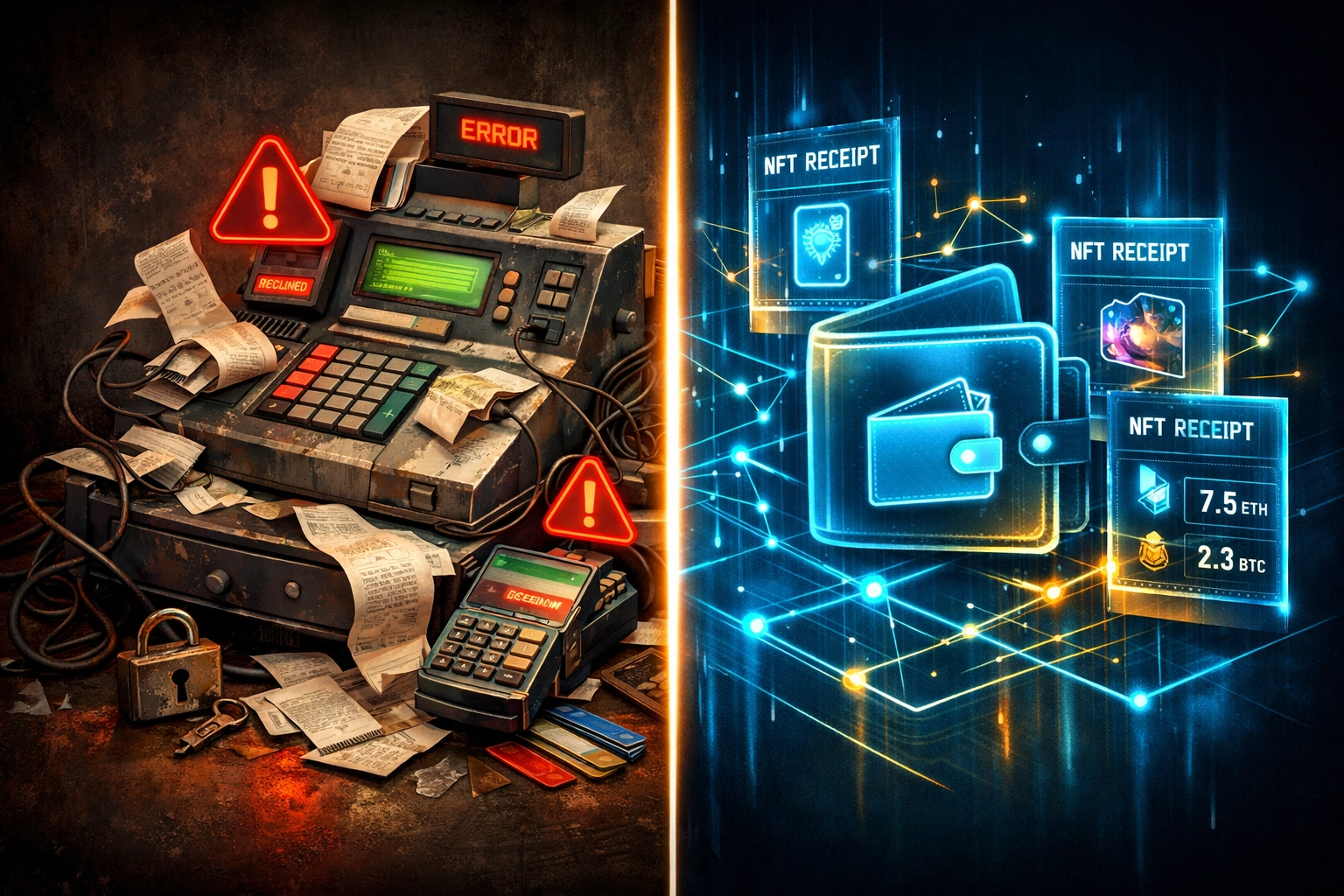
Traditional crypto processors like NOWPayments and CoinPayments weren't built for metaverse commerce. They handle basic transactions fine. But they lack the infrastructure for virtual goods, NFT receipts, and multi-merchant ecosystems.
What's missing:
No NFT receipt generation for resale tracking
No master/sub-wallet structures for multi-location operations
Limited self-custody options for merchant asset control
High processing fees that eat into margins
No unified POS across physical and virtual channels
Triple-A offers better merchant tools than most. But they still operate on traditional payment rails with traditional fee structures.
The metaverse needs something different. Something designed from the ground up for virtual commerce.
Larecoin's Technical Advantage Stack
NFT receipts transform every transaction into a verifiable digital asset. Customers get proof of purchase that lives on-chain. Merchants track authenticity for warranty claims. Secondary markets verify legitimate ownership.
This matters for high-value virtual goods. Digital fashion. Collectible avatars. Virtual real estate accessories.
LUSD stablecoin integration eliminates volatility concerns. Merchants price in dollars. Customers pay in dollars. Everyone avoids the wild price swings of traditional crypto.
Gas-only transfers reduce transaction costs to near zero. You're only paying network fees. No percentage-based processing charges eating your margins.
Self-custody wallets give merchants complete control. Your assets stay in your wallet. No intermediary holding your funds. No withdrawal limits or delays.
Merchant Benefits That Actually Matter
Traditional payment processors charge 2.9% + $0.30 per transaction. That's the Stripe standard everyone accepts as normal.
Larecoin reduces interchange fees by over 50%. Gas-only transfers mean you keep more revenue. Every single transaction.
Do the math on a $100 sale:
Traditional processor: $2.60 in fees
Larecoin gas-only: ~$0.50 in network fees
Your savings: $2.10 per transaction
Scale that across 1,000 monthly transactions. You're saving $2,100 per month. That's $25,200 annually.
Master/sub-wallet architecture solves multi-location management. Run ten virtual storefronts from one master wallet. Each location gets its own sub-wallet. Track revenue separately. Manage inventory independently.
QR-generated POS works across physical stores, online shops, and metaverse storefronts. One unified system. Same backend. Same reporting. Customers scan and pay whether they're in VR or standing in your brick-and-mortar location.
Four-Month Implementation Roadmap
Weeks 1-2: Foundation Layer
Set up cryptocurrency payment processing. Configure self-custody wallets. Deploy QR-generated POS for existing sales channels.
This establishes your payment infrastructure before adding metaverse features.
Weeks 3-4: NFT Receipt Layer
Enable NFT receipts for all transactions. Start with high-value items. Gradually expand to full catalog.
Customers begin building digital proof-of-purchase collections.
Month 2: 3D Visualization
Launch basic 3D product models. Prioritize furniture, fashion, and electronics. These categories see 40% fewer returns with AR try-ons.
Upload existing product photography. Convert to 3D models. Enable 360-degree viewing.
Month 3: Virtual Storefront Pilot
Deploy your first immersive virtual store. Invite existing customers. Gather feedback. Iterate quickly.
Keep it simple. One room. Your top 50 products. Test social shopping features with small groups.
Month 4+: Social Shopping Features
Add friend invites. Enable group browsing. Host influencer shopping events. Create community buying experiences.
This is where engagement multiplies. Customers shop together. They recommend products. They drive referrals organically.
Compliance and Trust Infrastructure
Metaverse commerce needs regulatory clarity. Customers need to know you're legitimate.
Federal MSB registration establishes Larecoin as a registered Money Services Business. This isn't optional compliance theater. It's foundational trust infrastructure.
State-level MTL coverage across the U.S. means every jurisdiction is covered. No regulatory gaps. No "we can't serve your state" disclaimers.
Traditional crypto processors often lack comprehensive MTL licensing. They operate in gray areas. They limit services by state. They create compliance headaches.

The Social Shopping Revolution
Here's what makes metaverse commerce truly different. It's not just shopping. It's an experience.
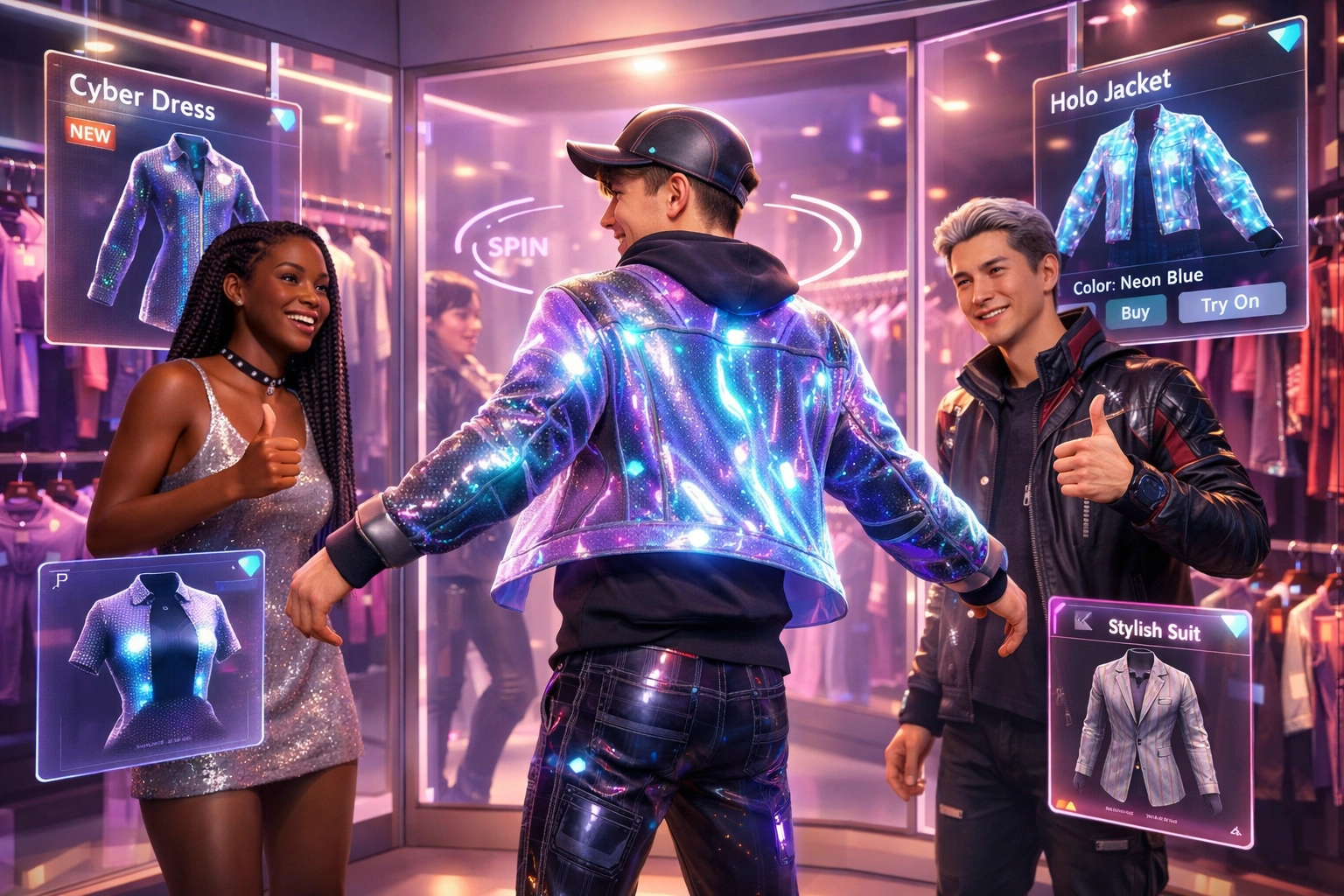
Virtual fitting rooms with friends. Your avatar tries on outfits. Your friends give instant feedback. You make decisions together in real-time.
AI-powered avatar assistants answer questions 24/7. They handle 1,000+ simultaneous conversations. No staffing overhead. No queue times.
Influencer-hosted shopping events drive massive engagement. Fashion drops. Limited releases. Exclusive previews. All happening in virtual spaces.
Community buying features unlock group discounts. Ten friends want the same couch? Everyone gets 15% off. The platform handles coordination automatically.
Monetization Beyond Physical Products
Virtual goods represent entirely new revenue streams.
Avatar fashion is a billion-dollar market. Digital clothing. Accessories. Shoes. Items that only exist virtually.
NFT collectibles create scarcity and value. Limited edition digital items. Exclusive community access tokens. Virtual event tickets.
Branded virtual venues generate passive income. Rent your virtual storefront for events. Host brand activations. Create sponsored experiences.
Businesses operating in the Larecoin metaverse access all these revenue streams. Physical product sales plus virtual goods plus venue monetization.
Why Larecoin for B2B2C Metaverse Commerce
Traditional payment processors weren't designed for this. They're retrofitting old infrastructure onto new use cases.
Larecoin was built specifically for Web3 commerce. NFT receipts are native. LUSD stablecoin integration is seamless. Master/sub-wallets handle multi-merchant complexity.
The fee savings alone justify switching. Reducing interchange by over 50% impacts your bottom line immediately. Every transaction. Every day.
Add metaverse capabilities on top. Suddenly you're not just saving money. You're accessing entirely new markets. New revenue streams. New customer engagement models.
Start Your Metaverse Journey Today
You don't need to build everything at once. Start with payment infrastructure improvements. Add 3D visualization next. Launch your virtual storefront when you're ready.
The four-month roadmap works because it's incremental. Each phase builds on the previous one. You're always moving forward without overwhelming your team.
Explore Larecoin's merchant solutions and discover how to reduce your interchange fees while building your metaverse presence.
The future of commerce is immersive, social, and decentralized. Get started now or watch competitors gain the advantage.
Your customers are ready. The technology is here. The only question is when you'll join them.
Comments