

.png)
NOWPayments vs CoinPayments vs Larecoin: Which Crypto POS System Actually Cuts Your Fees by 50%?
- [[[Free!!]<<<<]] Watch: 스포르팅 - 토트넘 Live Stream 13 September 2022
- 2 hours ago
- 4 min read
![Writer: [[[Free!!]<<<<]] Watch: 스포르팅 - 토트넘 Live Stream 13 September 2022](https://lh3.googleusercontent.com/a/AItbvmktwQc0wCdd3ZEETSYItRQubwwBzOyjD_dcigRf=s96-c)
Let's cut through the noise.
You're running a business. Every percentage point counts. Traditional merchant fees eat 2-3% of every transaction. You switched to crypto payments to escape that. But guess what? Most crypto POS systems are still charging you percentage-based fees.
That's backwards.
The Real Cost of "Crypto Payment Gateways"
Here's the breakdown you actually need:
NOWPayments:
0.5% for single-currency transactions
1% for multi-currency conversions
Plus network fees
Plus withdrawal fees
Plus currency conversion charges
CoinPayments:
0.5-1% per transaction
Plus blockchain fees
Plus withdrawal penalties
Plus conversion costs
Larecoin:
0% platform fees
Pay Solana network gas only
That's fractions of a penny per transaction
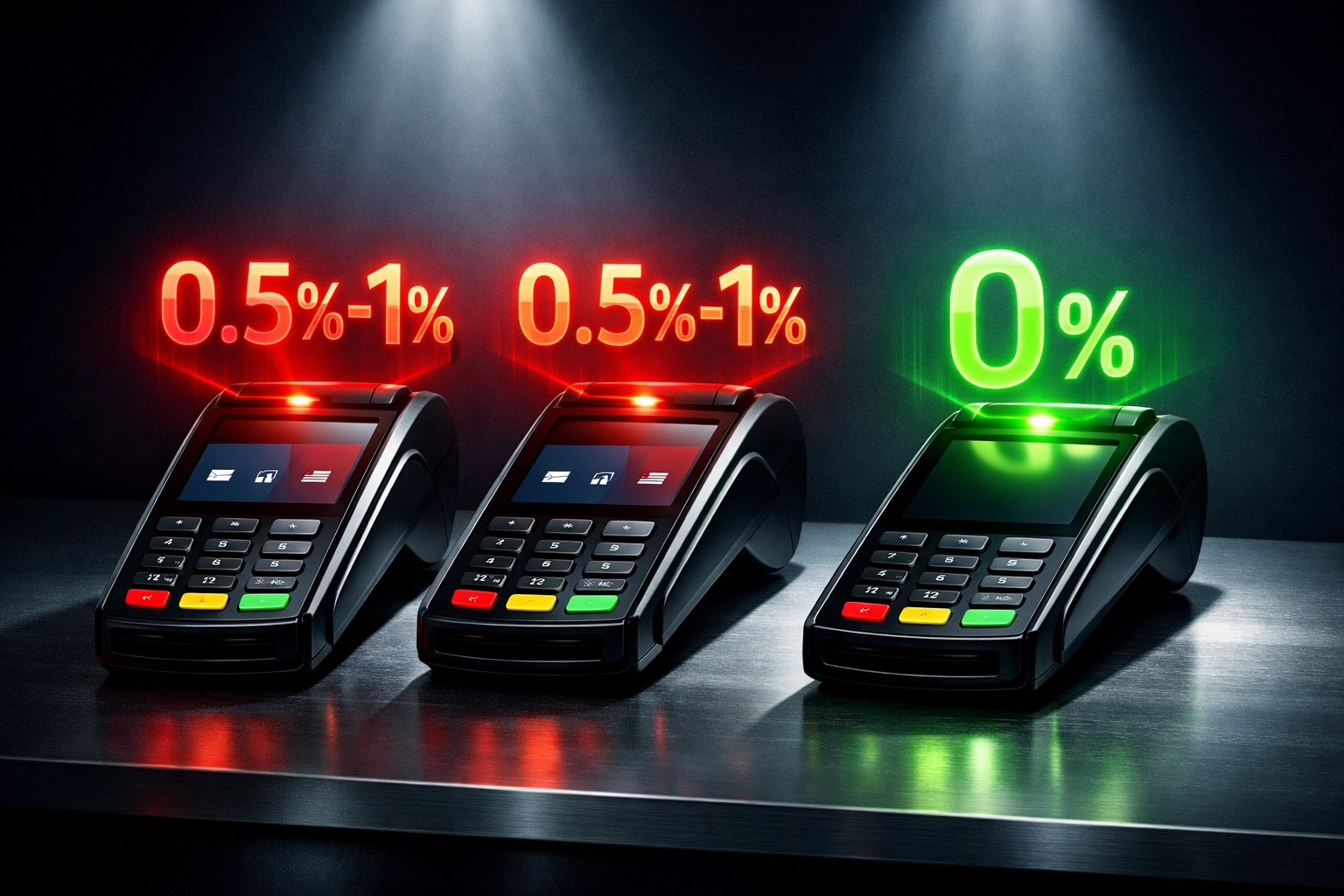
Notice the pattern? Two of these platforms are extracting percentage fees from your revenue. One isn't.
Breaking Down the Math (Because Numbers Don't Lie)
Let's run real scenarios. Not hypothetical "what if" numbers: actual merchant volumes.
$500,000 Annual Processing:
NOWPayments/CoinPayments: $2,500-$5,000 in fees
Larecoin: Under $2,000
Your savings: 50-60%
$1 Million Annual Processing:
NOWPayments/CoinPayments: $5,000-$10,000
Larecoin: Under $2,000
Your savings: 67-83%
$5 Million Annual Processing:
NOWPayments/CoinPayments: ~$25,000
Larecoin: ~$5,000
Your savings: 50-80%
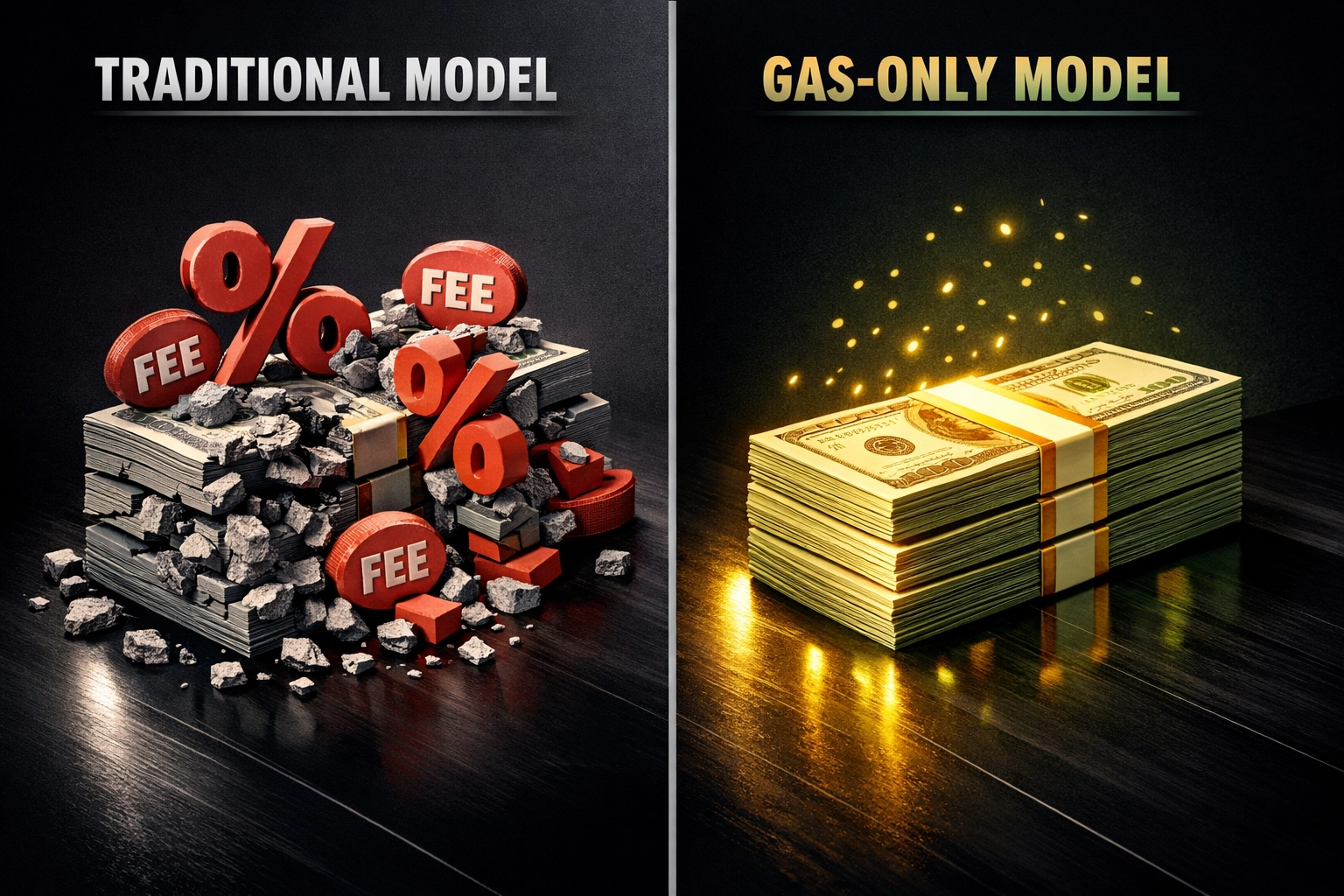
See what happens as you scale? The percentage-based model punishes growth. The gas-only model rewards it.
Why NOWPayments Still Charges Like It's 2018
NOWPayments launched when crypto payments were clunky. Multi-step processes. Custodial wallets. Manual reconciliation.
Their fee structure reflects that legacy architecture:
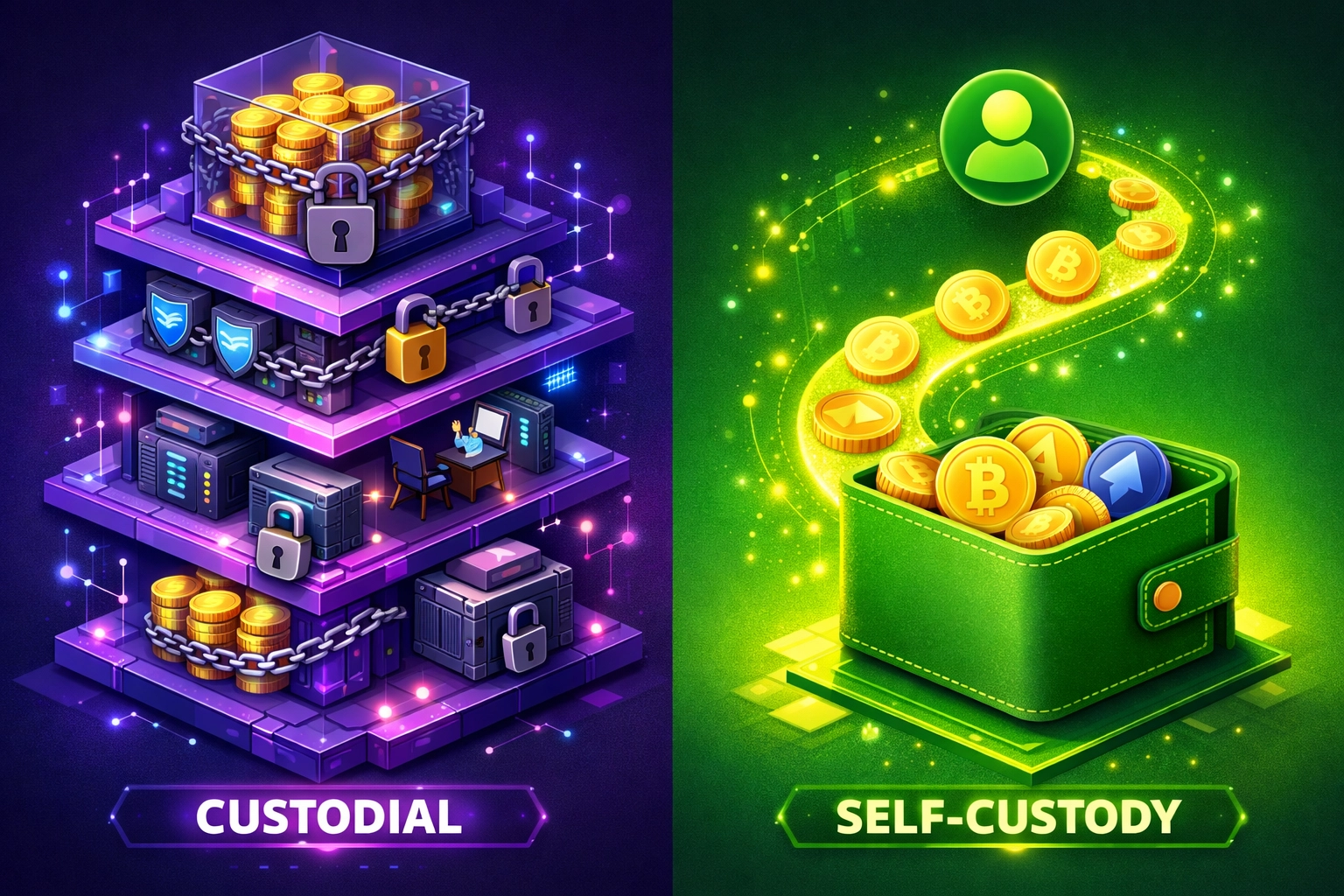
They custody your funds temporarily
They handle conversions on their end
They manage multiple blockchain integrations
They charge for all that middleware
It made sense then. It doesn't now.
Modern Web3 infrastructure eliminated the need for intermediaries. But legacy platforms haven't updated their pricing.
CoinPayments: The Grandfather Problem
CoinPayments has been around since 2013. They support 2,000+ cryptocurrencies.
That sounds impressive until you realize:
Most businesses accept 5-10 coins max
More integrations = more overhead = higher fees
Their tech stack predates modern Layer 1 solutions
They're maintaining legacy systems you don't use
You're subsidizing infrastructure you don't need.
The Larecoin Difference: Gas-Only Architecture
Here's where it clicks.
Larecoin built on Solana. Not because it's trendy. Because Solana processes 65,000 transactions per second at $0.00025 per transaction.
That's the actual cost of moving value on-chain.
No custodial wallets. No conversion fees. No withdrawal penalties. Just blockchain gas.
What This Means for Merchants:
Self-custody merchant accounts (you control your funds)
Instant settlement (no 3-day holds)
NFT receipts for automatic accounting
LUSD stablecoin option for zero volatility
Traditional platforms insert themselves between you and your money. Larecoin removes that extraction layer entirely.
Self-Custody vs. Custodial: The Real Security Question
Let's talk about what happens to your crypto after a sale.
Custodial Model (NOWPayments, CoinPayments):
Customer pays
Funds go to platform's wallet
Platform holds your crypto
You request withdrawal
Platform processes (maybe 24-48 hours)
You pay withdrawal fee
You finally get your money
Self-Custody Model (Larecoin):
Customer pays
Funds hit your wallet immediately
Done
Which would you choose?
NFT Receipts: Accounting That Actually Works
Here's a feature nobody talks about but every merchant needs.
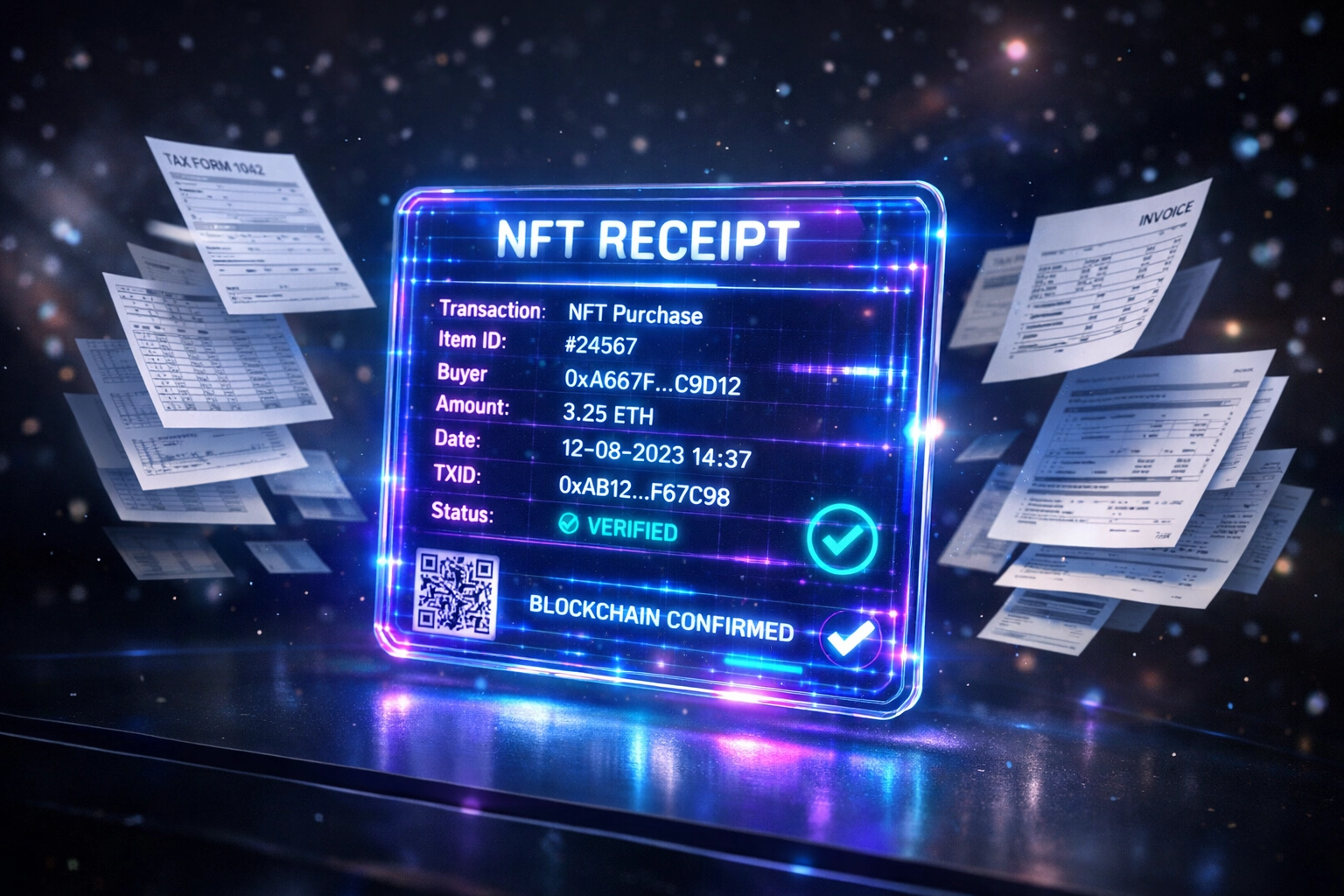
Every Larecoin transaction generates an NFT receipt. Immutable. Timestamped. Automatically organized.
Tax season benefits:
No manual reconciliation
Blockchain-verified records
Instant audit trail
Compatible with accounting software
Traditional platforms give you CSV exports. Larecoin gives you programmable receipts.
LUSD: The Stablecoin That Makes Sense
Volatility is the crypto merchant's nightmare. You make a sale at $50,000. Bitcoin drops 5%. You just lost $2,500.
LUSD solves this. It's an algorithmic stablecoin backed by over-collateralization. Not controlled by a centralized entity like USDC. Not algorithmic-only like failed experiments.
Accept payments in:
Bitcoin
Ethereum
LARE (Larecoin's native token)
LUSD (instant conversion to stable value)
You choose exposure vs. stability on a per-transaction basis.
Receivables Token: The Feature Nobody Saw Coming
This is where Larecoin gets interesting.
Small businesses struggle with cash flow. You have $100,000 in outstanding invoices. But your suppliers want payment now.
Larecoin's receivables token lets you tokenize those invoices. Sell them at a discount for immediate liquidity. Or use them as collateral in DeFi protocols.
Traditional crypto payment gateways process transactions. Larecoin enables financial instruments.
The Global Reach Advantage
NOWPayments and CoinPayments handle currency conversions. That's their selling point.
But here's what they don't tell you: Every conversion is a fee opportunity. Convert from BTC to EUR? Fee. EUR to USD? Another fee. Withdraw to your bank? Fee again.
Larecoin operates natively in crypto. No fiat conversion unless you choose it. Accept payment in Tokyo. Send payment to Toronto. Zero conversion fees.

This is what true Web3 global payments look like.
Who Should Use What Platform?
Use NOWPayments if:
You need extensive coin support (100+ cryptocurrencies)
You don't process high volume
You're okay with custodial arrangements
Use CoinPayments if:
You need legacy coin support
You're already integrated and can't migrate
Fee percentages don't bother you
Use Larecoin if:
You process $500k+ annually
You want self-custody control
You need real accounting tools
You care about fees eating your margin
The Bank-Free Business Reality
Traditional finance charges fees because they manage risk. Chargebacks. Fraud. Identity verification.
Crypto eliminates chargebacks. Blockchain verifies identity. Smart contracts manage risk.
So why are you still paying traditional fees?
Making the Switch: Easier Than You Think
Migration anxiety is real. You've got existing systems. Training to consider. Downtime concerns.
Larecoin's merchant portal handles:
API integration (compatible with existing POS)
Staff training resources
Parallel testing (run both systems simultaneously)
White-glove onboarding for high-volume merchants
Most businesses are processing Larecoin payments within 72 hours.
The Bottom Line (Literally)
$1 million in annual transactions:
Old model: $5,000-$10,000 in fees
Larecoin model: Under $2,000
Difference: $3,000-$8,000 back in your pocket
That's not marketing speak. That's math.
What Happens Next?
The crypto payments space is consolidating. Percentage-based fee models are dying. Gas-only architecture is taking over.
Early adopters capture the cost advantage. Late movers subsidize legacy systems.
Where do you want to be in 12 months?
Learn more about reducing merchant interchange fees and how Web3 payments are reshaping commerce.
Your fees don't have to stay at 1%. They can drop to fractions of a percent. The technology exists. The infrastructure is live. The choice is yours.
Comments