

.png)
Self-Custody Merchant Accounts: Why Bank-Free Business Is the Future of Web3 Payments
- [[[Free!!]<<<<]] Watch: 스포르팅 - 토트넘 Live Stream 13 September 2022
- 2 hours ago
- 4 min read
![Writer: [[[Free!!]<<<<]] Watch: 스포르팅 - 토트넘 Live Stream 13 September 2022](https://lh3.googleusercontent.com/a/AItbvmktwQc0wCdd3ZEETSYItRQubwwBzOyjD_dcigRf=s96-c)
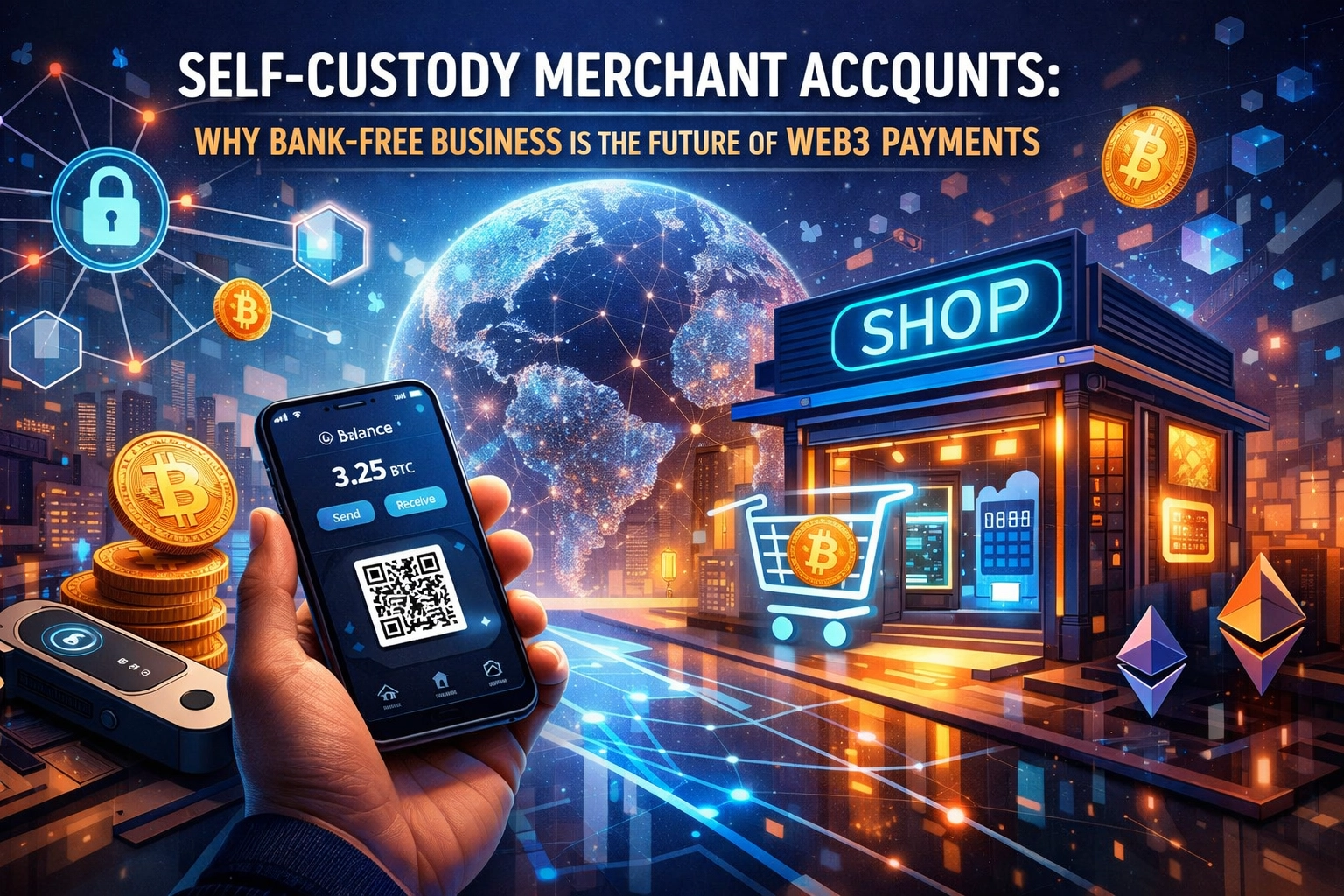
Banks don't want you reading this.
Traditional payment processors built empires on being the middleman. They hold your funds. They set the rules. They freeze accounts without warning.
Self-custody merchant accounts flip the entire model.
You control the keys. You control the funds. No intermediary required.
Welcome to bank-free business operations.
What Self-Custody Merchant Accounts Actually Are
Simple concept. Revolutionary execution.
A customer wants to pay you in crypto. They scan a QR code. Transaction confirms on-chain. Funds land directly in YOUR wallet. No processor. No bank. No middleman skimming fees.
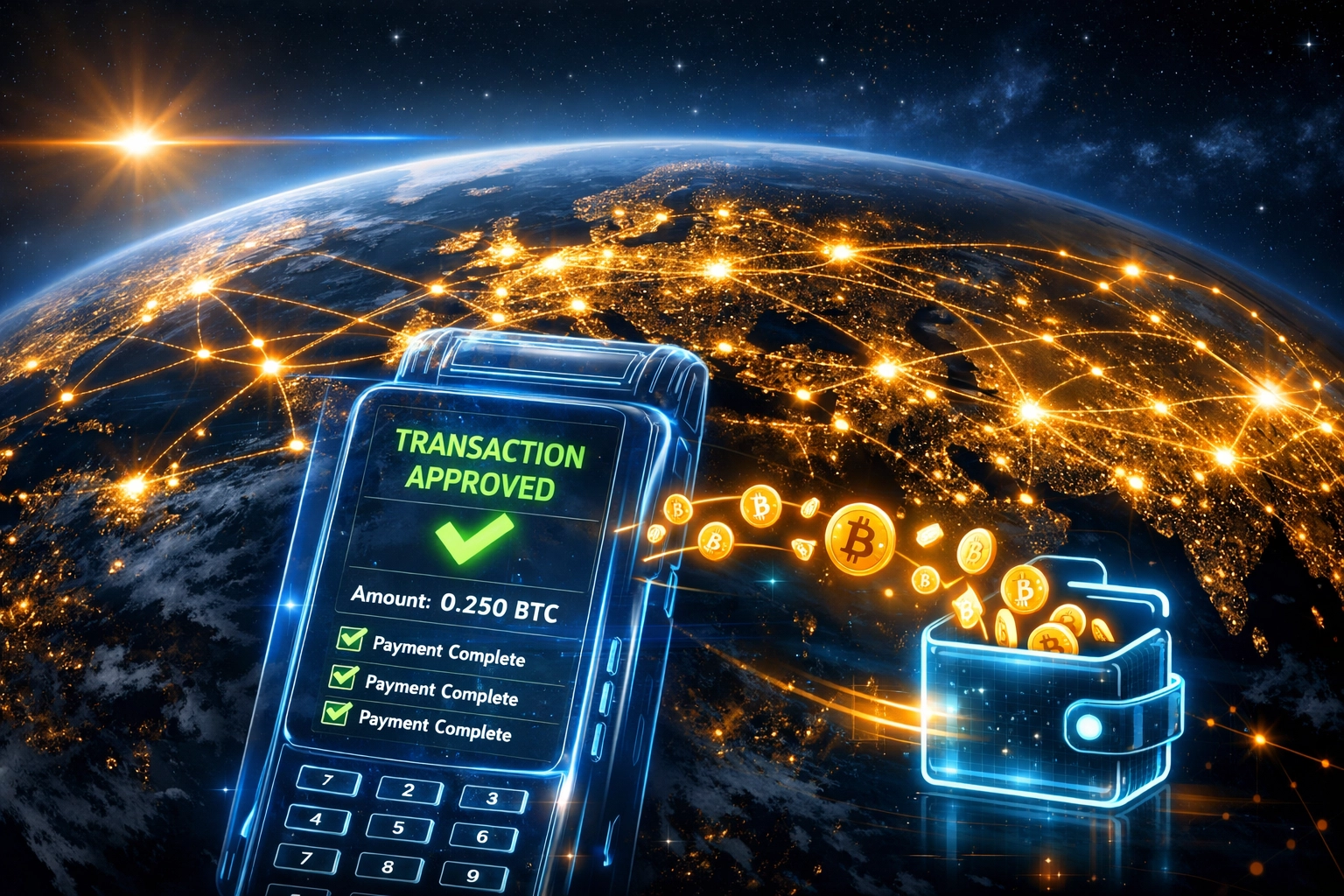
Settlement in seconds, not days.
The blockchain handles everything. Peer-to-peer. Irreversible. Transparent.
Traditional payment flow: Customer → Processor → Bank → Rolling Reserve → Maybe Your Account (3-5 days later).
Self-custody flow: Customer → Your Wallet (done).
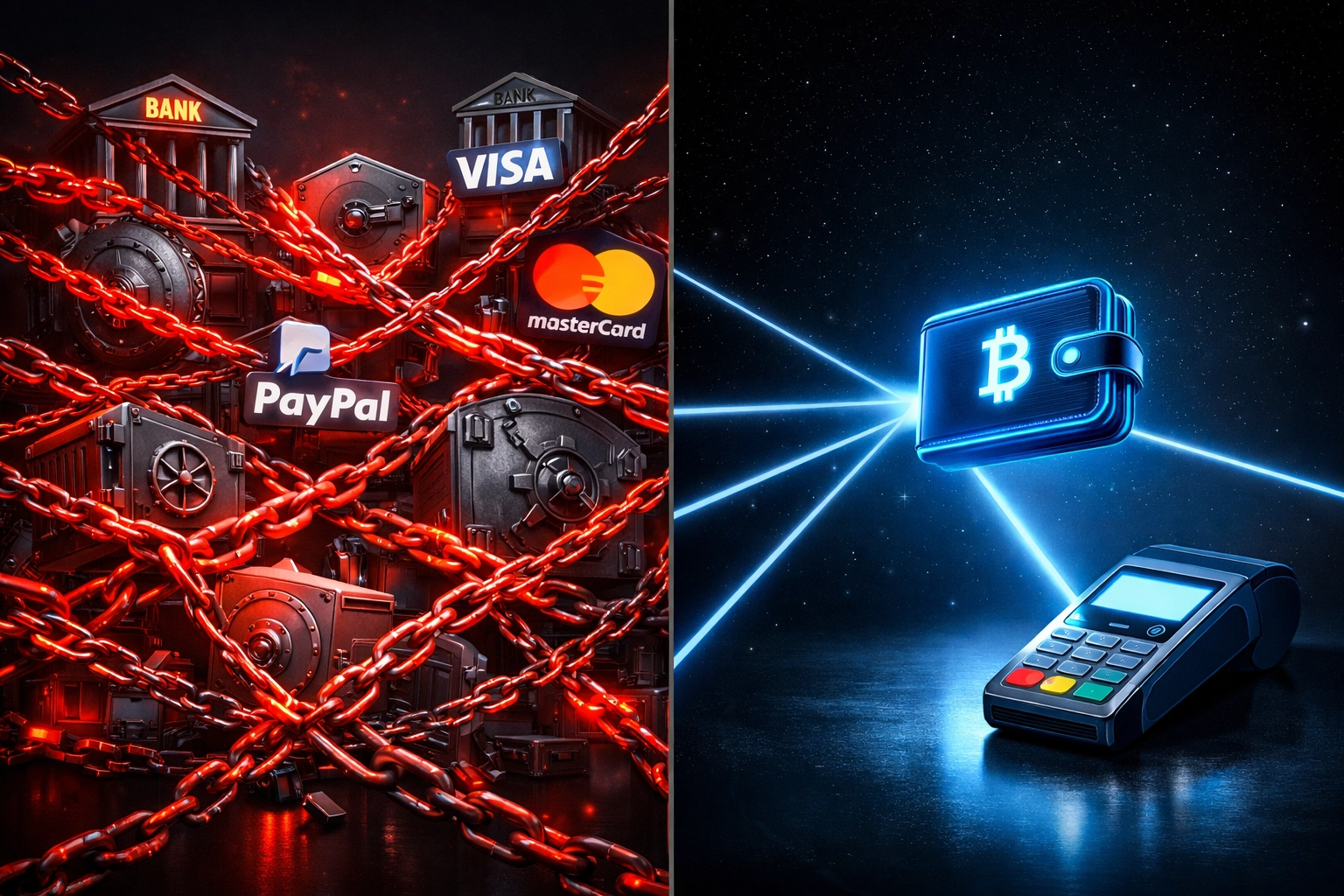
The Traditional Payment Processing Scam
Let's talk numbers.
Visa and Mastercard charge 2-3% interchange fees. Payment processors add another 0.5-1.5%. International transactions? Add 3-5% more.
You're losing 5-10% of revenue before you even touch the money.
But the fees aren't the worst part.
Rolling reserves lock up 10-20% of your funds. Chargebacks destroy margins. Account freezes kill cash flow. Compliance requirements drain time and resources.
And you have zero control. Payment processors can terminate your account instantly. No appeal. No recourse.
Traditional finance treats merchants like renters, not owners.
How Larecoin Enables True Self-Custody
The Larecoin ecosystem built self-custody into its core architecture.
Generate a payment request. Customer sends LARE, LUSD stablecoin, or any supported crypto. Transaction settles on-chain. Funds appear in your self-custody wallet.
Network gas fees only. No percentage-based processing cuts.
For most transactions? Under $1 in fees. Compare that to $3-30 for traditional payment processing on a $100 transaction.
Your private keys. Your wallet. Your rules.
The Larecoin protocol doesn't hold custody at any point. No permission needed to receive payments. No account to freeze. No compliance officer second-guessing your business model.
Built on Solana for speed. Cross-chain compatible for flexibility. NFT receipts for accounting clarity.

Five Reasons Self-Custody Destroys Traditional Processing
1. Fee Obliteration
Blockchain network fees vs. percentage-based processing.
$0.50 in gas vs. $50 in interchange and processor fees on a $2,000 transaction.
Merchants save 50%+ by eliminating traditional payment rails. Self-custody takes it further by removing ALL middleman costs.
2. Instant Settlement
Traditional: 3-5 business days to access your money.
Self-custody: Seconds to minutes. Funds available immediately.
Cash flow problems? Eliminated.
3. Zero Chargeback Risk
Blockchain transactions are irreversible by design.
Customer sends payment. Transaction confirms. Money is yours. Forever.
No more "friendly fraud." No more disputed charges eating into margins. No more spending hours fighting chargebacks.
4. Global Without Friction
International wire? $25-50 + 1-3% + 3-5 day wait.
Crypto payment to your self-custody wallet? Same fee whether customer is next door or across the planet.
Currency conversion headaches vanish. No correspondent banking delays. True global commerce.
5. Protection From Institutional Failure
Your funds aren't sitting in someone else's account.
Payment processor goes bankrupt? Doesn't affect you. Exchange collapses? Not your problem. Bank run? You're holding crypto, not promises.
Self-custody = self-insurance against systemic risk.
Real Sovereignty vs. Custodial Theater
Many "crypto payment processors" just recreate traditional finance with blockchain window dressing.
They hold your crypto. They control withdrawals. They impose KYC requirements beyond legal minimums. They can freeze your funds.
That's not self-custody. That's custody with extra steps.
True self-custody means:
You generate and control private keys
No entity can access your funds without permission
Blockchain records prove ownership
Smart contracts execute automatically
No approval needed for transactions
Larecoin's model enables actual self-custody. The protocol facilitates payment coordination. But it never touches your funds.
Your wallet. Your keys. Your sovereignty.
Why Banks and Processors Hate This Model
Follow the money.
Traditional payment processing generated $2 trillion in fees globally in 2025. That's not a typo. Two trillion dollars extracted from merchants for moving digital numbers between accounts.
Self-custody merchant accounts eliminate 95% of those fees.
Banks lose:
Processing fee income
Float on held funds
Leverage over business operations
Data on transaction patterns
Payment processors lose:
Subscription revenue
Transaction percentage cuts
Rolling reserve interest
Account termination power
The entire business model collapses when merchants can receive payments directly.
Every argument about "consumer protection" and "security concerns" translates to: "We're losing our monopoly."
Blockchain technology solves the coordination problem. Self-custody solves the trust problem. Traditional middlemen become obsolete.

The Responsibility Trade
Self-custody isn't free money. You gain control. You accept responsibility.
You become your own bank.
Security requirements are non-negotiable:
Hardware wallet for operational funds
Multi-signature for large transfers
Offline backup of seed phrases
Clear succession planning for key management
Lose your private keys? No customer support can recover them.
Compromise your security? No insurance reverses the damage.
Get hacked? No charge-back protection saves you.
This trade-off is worth it for businesses serious about financial sovereignty. But it requires baseline technical competence and security discipline.
Most merchants prefer control and responsibility over convenience and dependence. The ones who don't will keep using traditional processors.
That's fine. Self-custody isn't for everyone.
It's for businesses ready to operate independently.
Getting Started With Bank-Free Payments
Setting up self-custody merchant accounts through Larecoin:
Step 1: Generate a secure wallet. Hardware wallet recommended for operational funds.
Step 2: Integrate Larecoin payment requests into your checkout flow. API available for developers.
Step 3: Generate payment QR codes for in-person transactions. Works with any wallet.
Step 4: Receive payments directly to your self-custody address. No intermediary required.
Step 5: Manage funds according to your security protocol. Cold storage for reserves. Hot wallet for operations.
The technical barrier is lower than you think. If you can manage a website, you can manage self-custody merchant payments.
The Future Is Bank-Free
Traditional payment processing is a relic of pre-internet banking infrastructure.
We no longer need intermediaries to verify and settle transactions. Blockchain technology handles coordination. Cryptography handles security. Smart contracts handle execution.
Self-custody merchant accounts represent the natural evolution of digital payments.
Banks had their run. Payment processors extracted their toll. The middleman era is ending.
The future belongs to businesses controlling their own financial infrastructure.
Bank-free. Permission-free. Sovereignty-enabled.
That's not radical. That's inevitable.
The only question: Are you early or late to the transition?
Comments