

.png)
The Merchant's Guide to Metaverse Shopping: How VR/AR Payments Work in Larecoin's B2B2C Ecosystem
- [[[Free!!]<<<<]] Watch: 스포르팅 - 토트넘 Live Stream 13 September 2022
- 2 hours ago
- 4 min read
![Writer: [[[Free!!]<<<<]] Watch: 스포르팅 - 토트넘 Live Stream 13 September 2022](https://lh3.googleusercontent.com/a/AItbvmktwQc0wCdd3ZEETSYItRQubwwBzOyjD_dcigRf=s96-c)
The metaverse retail market is exploding. $1 trillion by 2030. Virtual fashion and digital collectibles already hit $50+ billion. Traditional payment rails? They don't work in virtual worlds.
Crypto payments are mandatory for metaverse commerce. And merchants need infrastructure built specifically for VR/AR transactions.
Enter Larecoin's B2B2C ecosystem.
How VR/AR Payments Actually Work
The process is dead simple. No clunky hardware. No 3-5 business day settlements.
Here's the flow:
Customer scans QR code in VR environment
Payment processes on-chain
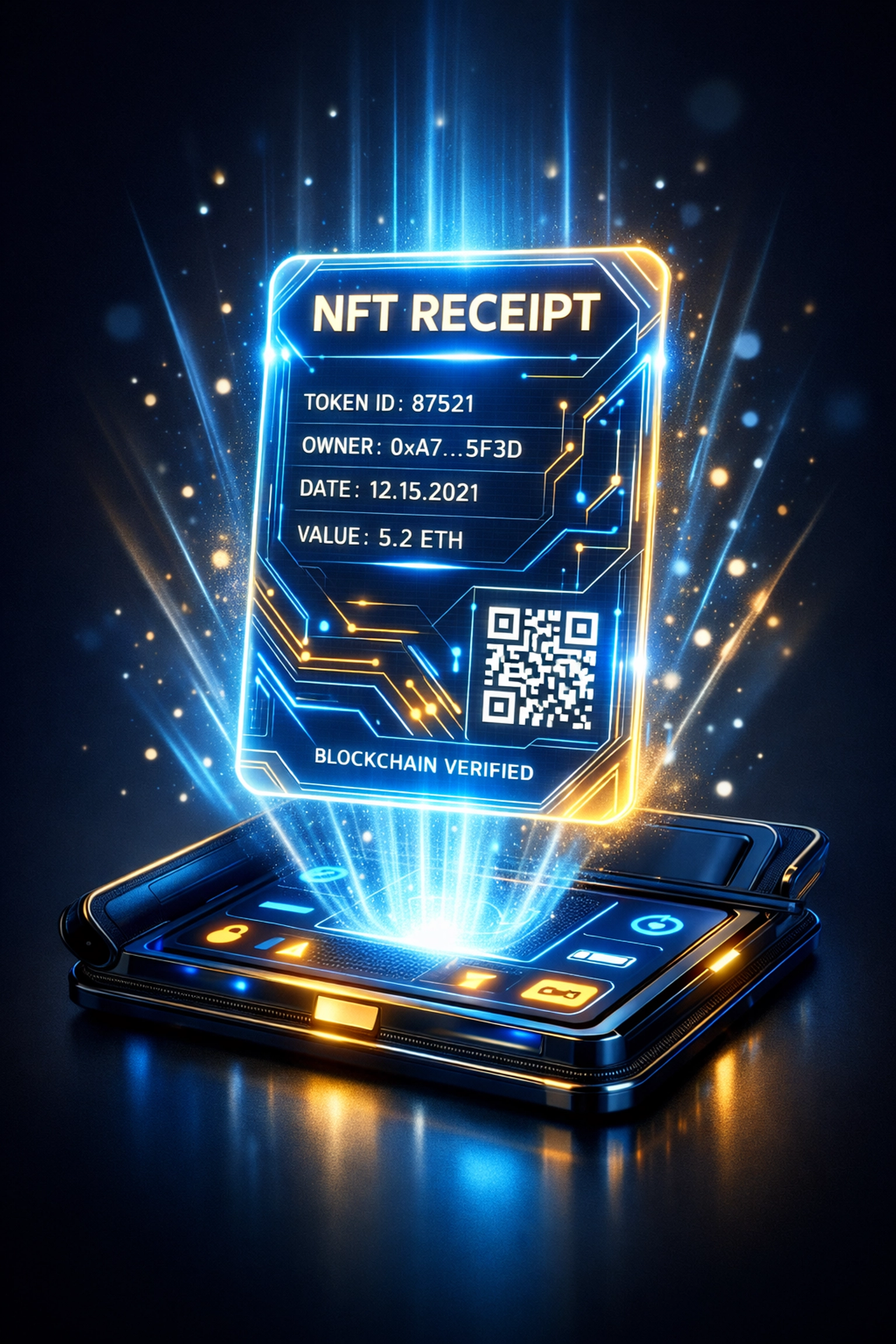
NFT receipt mints automatically
Merchant receives funds instantly
Total time? Under 3 seconds.

This works across:
Virtual storefronts in metaverse platforms
Physical locations with AR overlays
Online checkouts through QR-generated POS
The QR-generated POS tech requires zero hardware. No terminals. No monthly equipment fees. Just instant crypto payments anywhere.
Technical Advantages That Matter
Traditional payment processors charge 2.9% + $0.30 per transaction. That's before interchange fees, chargeback costs, and fraud protection.
Larecoin flips this model completely.
LUSD Stablecoin Integration
Volatility kills merchant adoption. You can't price products when crypto swings 10% daily.
LUSD provides USD-pegged pricing. Merchants get price stability. Customers see familiar dollar amounts. Zero volatility concerns on either side.
NFT Receipts Change Everything
Every transaction generates a unique NFT containing full purchase metadata.
Why this matters:
Resale verification for secondary markets
Automated loyalty programs tied to purchase history
Cross-platform portability across metaverse spaces
Immutable proof of authenticity
Virtual fashion brands can verify original purchases. Gaming items carry provable transaction history. Digital collectibles include complete ownership chains.
Traditional receipts are paper or email. NFT receipts are programmable assets.
Self-Custody Architecture
Merchants control private keys directly. No intermediaries holding funds. No permission requirements for withdrawals.
Compare this to legacy crypto processors:
NOWPayments: Custodial wallets, withdrawal requests required
CoinPayments: Hosted wallets, platform controls your funds
Triple-A: Bank transfers needed for fiat conversion
Larecoin's self-custody means instant access. Your keys. Your crypto. Your control.
Gas-Only Transfer Pricing
Pure blockchain costs. No platform fees. No percentage cuts.
Cost breakdown:
Larecoin: $0.001-0.01 per transaction (gas only)
NOWPayments: 0.5% minimum per transaction
CoinPayments: 0.5% transaction fee
Triple-A: 1% processing fee
Credit cards: 2.9% + $0.30
For a $100 transaction:
Larecoin: $0.01
Competitors: $0.50-1.00
Credit cards: $3.20
That's over 50% cheaper than crypto competitors. Over 99% cheaper than credit cards.
The Merchant Benefits Stack
Fee savings are just the starting point.
Master/Sub-Wallet Infrastructure
Manage multiple locations from one dashboard. Each store gets its own sub-wallet. Track revenue by location, product category, or time period.
Traditional POS systems charge per terminal. Larecoin's web-based dashboard scales infinitely at zero additional cost.
Reducing Interchange Fees by >50%
Credit card interchange fees hit 1.5-3.5% depending on card type and merchant category. These fees are non-negotiable.
Crypto payments eliminate interchange entirely. The blockchain doesn't charge percentage-based fees. You pay flat gas costs regardless of transaction size.
A restaurant processing $500,000 monthly saves $15,000+ annually just in interchange fees.
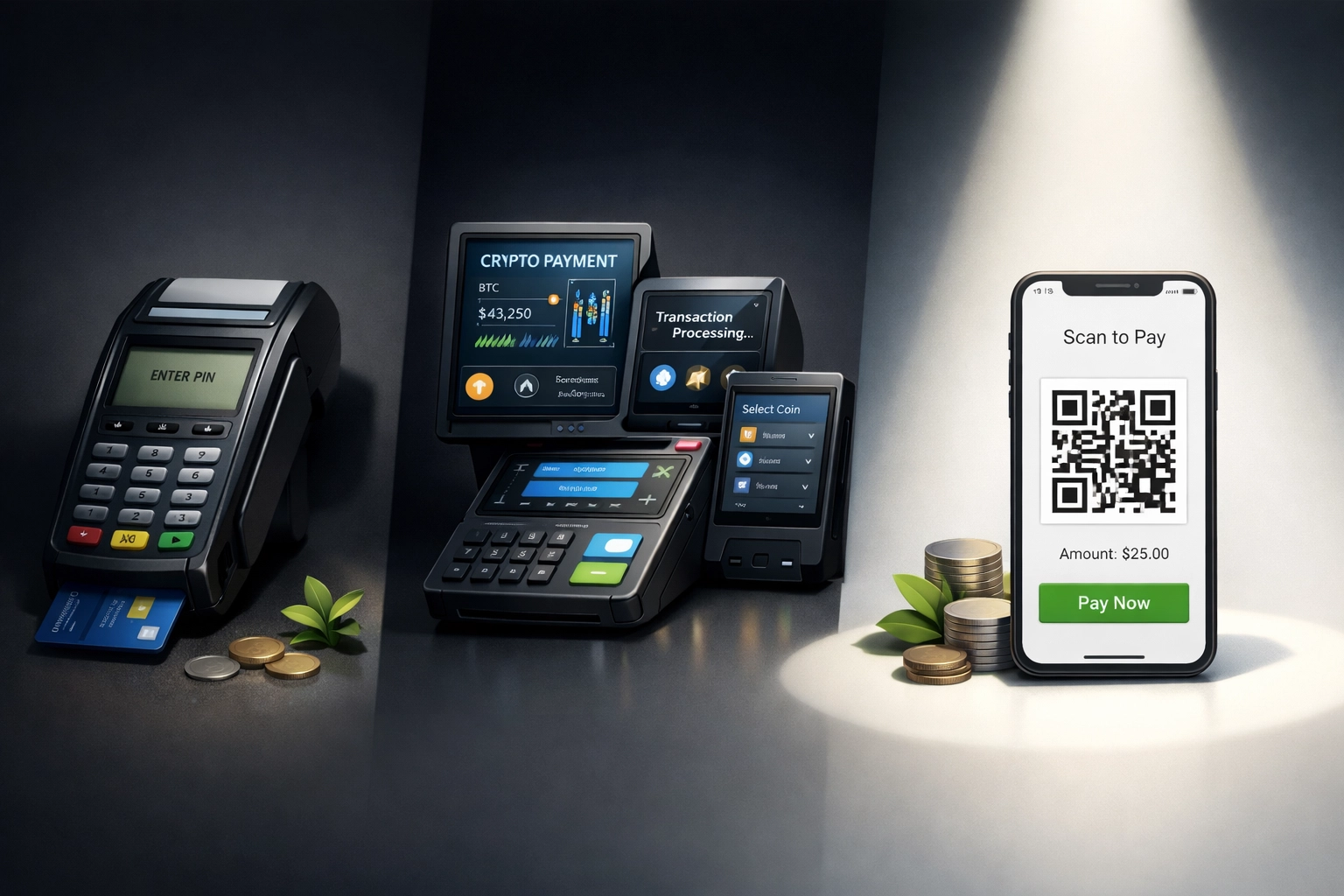
QR-Generated POS Technology
No terminals to buy. No software subscriptions. No maintenance contracts.
Generate payment QR codes instantly from any device. Customers scan with their wallets. Payment confirms on-chain. Done.
This works in:
Brick-and-mortar stores
Pop-up shops
Events and festivals
Virtual storefronts
AR shopping experiences
The B2B2C Metaverse Vision
Most crypto payment processors focus on online checkout buttons. Larecoin built infrastructure for the spatial web.
Virtual Storefronts That Work
Businesses can establish full metaverse retail experiences. Immersive product displays. Virtual try-ons. Real-time inventory syncing.
The B2B2C model enables white-label integration. Other businesses can deploy Larecoin's payment rails under their own branding.
Social Shopping Experiences
Shop with friends across continents. Share virtual dressing rooms. Complete group purchases with multi-signature wallets.
Traditional e-commerce is isolated. Metaverse shopping is collaborative.
Imagine:
Virtual fashion shows where attendees buy looks instantly
Gaming marketplaces with in-world item trading
Digital art galleries with immediate NFT minting
AR furniture shopping in your actual living room

Cross-Platform Portability
Buy an NFT fashion item in one metaverse platform. Wear it in another. Resell it on a third marketplace.
Larecoin's NFT receipt system enables true digital ownership. Your purchases aren't locked to one platform. They're blockchain assets you control.
Compliance & Trust Infrastructure
Crypto payments face regulatory scrutiny. Legitimate businesses need legitimate compliance.
Federal MSB Registration
Larecoin maintains Federal Money Services Business (MSB) registration. This means compliance with:
Bank Secrecy Act requirements
Anti-Money Laundering (AML) protocols
Know Your Customer (KYC) standards
Suspicious Activity Report (SAR) filing
Many crypto processors operate in regulatory gray zones. Federal MSB registration demonstrates commitment to compliance.
State-Level MTL Coverage
Money Transmitter Licenses (MTL) across U.S. states. State-by-state compliance is complex and expensive. Most crypto startups skip it.
Larecoin's MTL coverage provides:
Legal operation in all 50 states
Consumer protection guarantees
Regulatory transparency
Institutional trust signals
For merchants, this means zero regulatory risk. You're not partnering with an offshore entity or unlicensed processor.
Check Larecoin's full compliance documentation at larecoin.com/trust.
Why Traditional Processors Can't Compete
NOWPayments, CoinPayments, and Triple-A built infrastructure for Web2 e-commerce. They added crypto as a payment option.
Larecoin built native Web3 infrastructure for spatial computing.
The difference:
Legacy processors: Custodial wallets, percentage fees, platform lock-in
Larecoin: Self-custody, gas-only costs, cross-platform portability
Legacy processors: Emailed receipts with order numbers Larecoin: NFT receipts as programmable assets
Legacy processors: 2D checkout pages Larecoin: VR/AR native payment experiences
The metaverse needs metaverse-native payments.
The Next Decade of Commerce
Virtual worlds are growing faster than physical retail did in the 20th century. Cryptocurrency enables this growth.
Merchants adopting metaverse commerce now capture first-mover advantages. Virtual real estate. Brand presence. Customer data.
Larecoin provides the payment infrastructure this requires.
Learn more about reducing merchant interchange fees and join the 100-post Larecoin marathon.
The future of shopping isn't online. It's immersive. And it's already here.
Comments