

.png)
The Metaverse Shopping Revolution: How VR/AR Commerce and LUSD Stablecoin Will Transform Your Customer Experience
- [[[Free!!]<<<<]] Watch: 스포르팅 - 토트넘 Live Stream 13 September 2022
- 2 hours ago
- 4 min read
![Writer: [[[Free!!]<<<<]] Watch: 스포르팅 - 토트넘 Live Stream 13 September 2022](https://lh3.googleusercontent.com/a/AItbvmktwQc0wCdd3ZEETSYItRQubwwBzOyjD_dcigRf=s96-c)
The $236B Question Every Merchant Needs to Answer
The metaverse retail market hit $20.7 billion in 2025. Projections show $236.67 billion by 2033.
That's not hype. That's happening.
30% of businesses globally will launch metaverse products by 2026. 25% of consumers will spend at least an hour daily shopping, working, or socializing in virtual worlds.
But here's the problem: Traditional payment processors weren't built for this. They're stuck in 2015 while commerce is teleporting to 2035.
VR/AR Commerce Isn't Coming: It's Here
Walk into a virtual Nike store. Try on sneakers in your living room using AR. Attend a Gucci launch event with friends across continents.
This is retail now.
Major brands: Louis Vuitton, Balenciaga, Zara, Ralph Lauren: already operate immersive metaverse experiences. Customers examine products in 3D. Virtual try-ons eliminate return rates. AI assistants analyze your style history and recommend outfits before you ask.
Unlike scrolling through product photos, metaverse shopping creates engaging simulations. Real-world tactile experience meets online convenience.
The technology works. The demand exists. The payment infrastructure? That's where most solutions fail spectacularly.

Why NOWPayments, CoinPayments, and Triple-A Can't Keep Up
Let's get specific about the competition.
NOWPayments offers basic crypto acceptance. Standard interchange fees. No metaverse integration. Zero VR/AR functionality.
CoinPayments provides multi-currency support but charges 0.5% per transaction plus network fees. No NFT receipt system. No self-custody options for merchants.
Triple-A focuses on traditional e-commerce conversion. Decent API. But no stablecoin optimization for immersive commerce. No master/sub-wallet architecture for metaverse storefronts.
None of these platforms built payment infrastructure designed for virtual worlds.
They're adapting old systems to new environments. That's expensive. That's slow. That's why merchants lose 2-3% on every transaction.
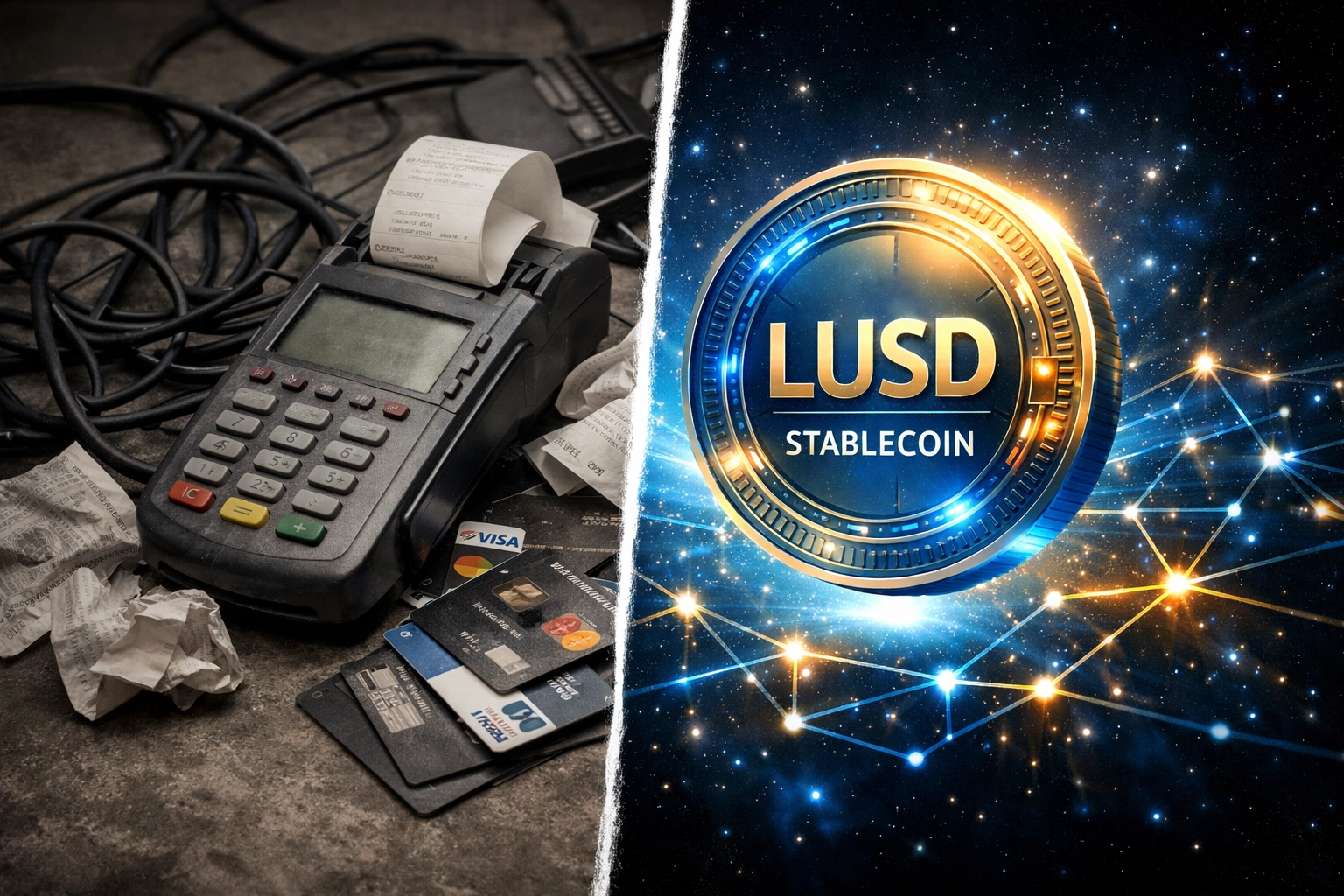
LUSD Stablecoin: Built Different for the Metaverse
Price volatility kills metaverse commerce. Customer buys a $100 virtual jacket. Pays in crypto. Price fluctuates 8% before settlement.
Who absorbs that? The merchant. Always the merchant.
LUSD stablecoin solves this immediately.
Pegged stability. Predictable conversion. Gas-only transfers mean merchants aren't bleeding fees on every microtransaction.
Here's what matters: In VR/AR environments, customers make dozens of small purchases. Virtual accessories. Digital collectibles. In-world upgrades.
Traditional processors charge percentage-based fees. $2 purchase? You're paying $0.15 in fees. That's 7.5%.
LUSD uses gas-only transfers. Flat network cost regardless of transaction size. Buy a $2 item or a $2,000 item: same transfer cost.
For metaverse commerce with high transaction volume and variable ticket sizes, this changes profitability fundamentally.
NFT Receipts: Your Digital Proof of Purchase
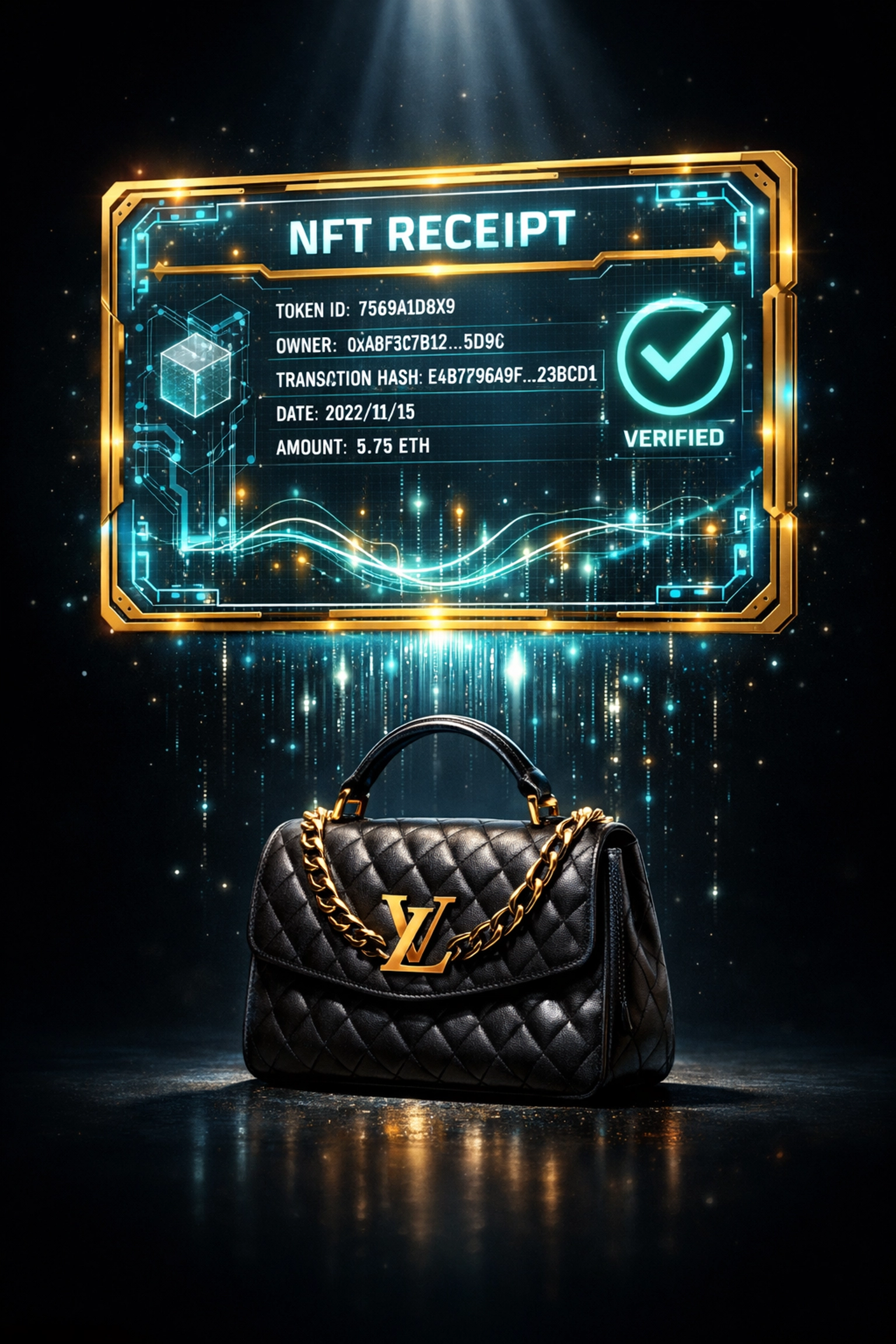
Every transaction generates an NFT receipt.
Sounds gimmicky until you think about metaverse applications.
That virtual Gucci bag you bought? The NFT receipt proves authenticity. Transfer ownership? The receipt transfers. Resell on secondary markets? Full transaction history embedded.
Traditional platforms generate PDF receipts. Good luck proving ownership of digital goods with that.
NFT receipts become:
Proof of authenticity for virtual items
Transferable ownership documentation
Warranty and return verification
Collectible transaction history
This isn't just innovation for innovation's sake. It's functional infrastructure for virtual economies.
Self-Custody: Merchants Control Their Money
NOWPayments and CoinPayments use custodial wallets. Your funds. Their control.
Withdrawal delays. Account freezes. Third-party risk.
Larecoin implements self-custody architecture. Merchants hold private keys. No intermediary controls your revenue.
Master wallet manages overall treasury. Sub-wallets segment:
Individual metaverse storefronts
Product categories
Regional operations
Team member permissions
Launch ten virtual stores across different metaverse platforms? Each gets its own sub-wallet. Track revenue per location. Manage inventory by digital storefront.
Triple-A can't do this. CoinPayments doesn't offer it. NOWPayments isn't even close.
QR-Generated POS: Bridge Physical and Virtual
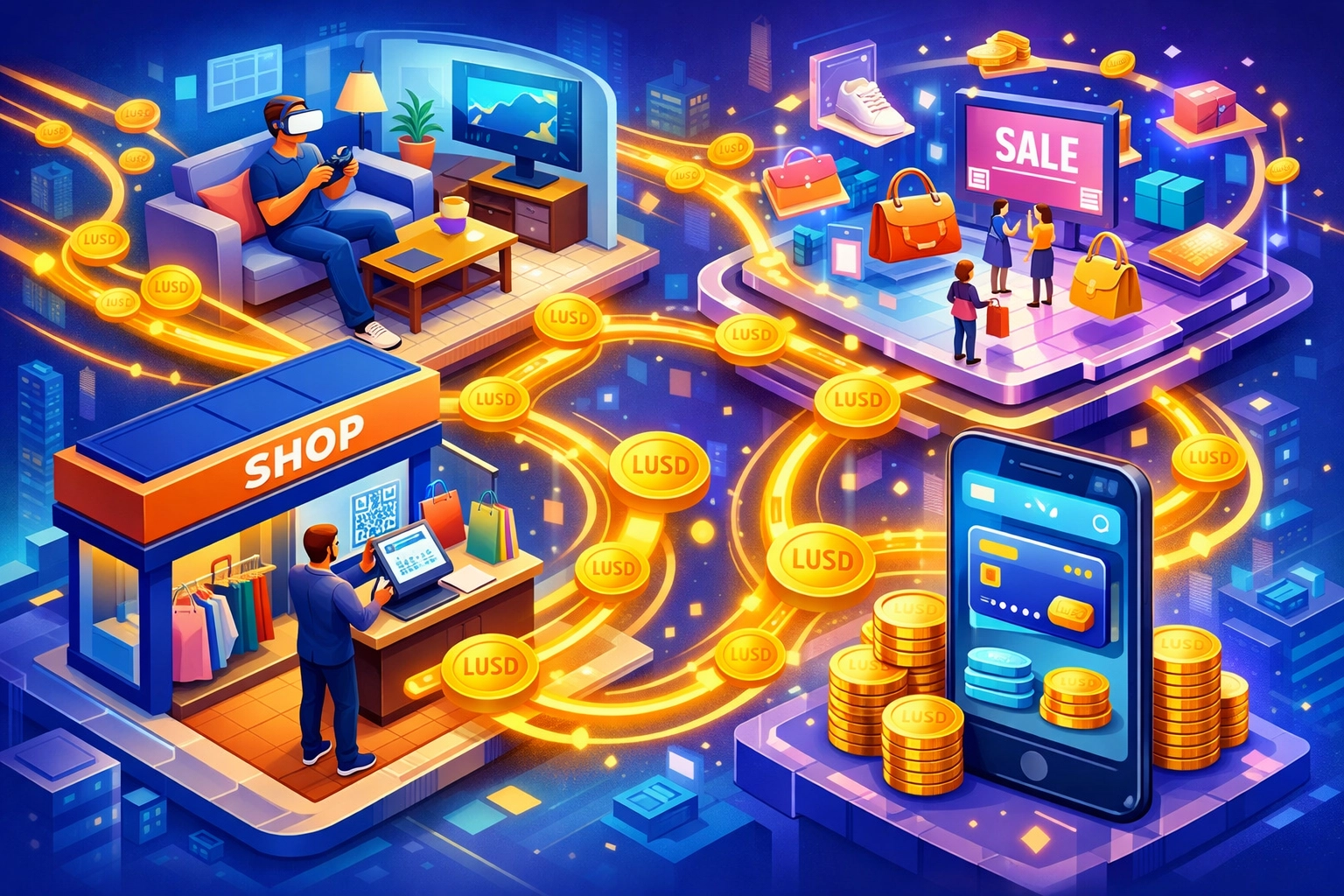
Larecoin's contactless POS system generates dynamic QR codes.
Works in physical stores. Works in virtual storefronts. Works anywhere customers shop.
Merchant scans. Customer pays. NFT receipt generated. Transaction settled in seconds.
No expensive hardware. No monthly terminal fees. No 2.9% + $0.30 per swipe.
For merchants operating hybrid physical-virtual experiences: pop-up shops that mirror metaverse locations, physical galleries selling digital art: this seamless integration matters.
Customer buys physical merchandise? Same wallet. Same LUSD. Same NFT receipt.
The infrastructure doesn't distinguish between worlds.
The Real Number: 50%+ Fee Reduction
Traditional interchange fees: 2-3% minimum. Add international transactions? 3-5%.
High-risk merchant categories? 4-7%.
Larecoin reduces this by more than 50%.
Gas-only transfers eliminate percentage-based fees. LUSD stablecoin removes conversion volatility. Self-custody cuts intermediary costs.
$100,000 monthly revenue merchant currently paying $2,500 in fees? Drops to $1,000 or less with Larecoin.
$1 million monthly? You're saving $15,000 every month.
Scale that across the projected $236 billion metaverse retail market. That's not fee savings. That's merchant survival.
The Larecoin B2B2C Metaverse Vision
Here's where it gets interesting.
Larecoin isn't just processing payments for other people's metaverse stores. We're building the metaverse itself.
The Larecoin B2B2C metaverse creates:
Social shopping spaces where customers browse with friends
AI-powered personalization analyzing purchase history across platforms
VR storefronts merchants set up in minutes
AR try-on functionality for physical and digital products
Integrated NFT marketplaces for resale
Imagine setting up a virtual sneaker store. Customers walk in with avatars. Try on shoes using AR overlays. Buy physical pairs shipped to their homes and digital versions for their avatars.
Single transaction. Dual fulfillment. NFT receipt covering both.
Your friend in Tokyo joins the shopping session. You both buy matching virtual jackets. Attend a digital concert wearing them that evening.
LUSD handles all payments. Zero currency conversion fees. Instant settlement.
This isn't theoretical. This is the infrastructure we're deploying.
Federal MSB and MTL Compliance: Trust at Scale
Crypto's biggest obstacle? Trust.
Larecoin holds Federal MSB registration. State-level MTL coverage across the U.S.
That means:
Regulatory compliance from day one
Consumer protection standards
Transparent operations
Legal merchant recourse
NOWPayments operates offshore. CoinPayments faces regulatory uncertainty in multiple jurisdictions. Triple-A focuses primarily on Singapore and Asian markets.
For U.S. merchants launching metaverse operations, compliance isn't optional. It's existential.
One regulatory violation shuts down your entire virtual storefront. We built compliance into the foundation.
What Happens Next
The metaverse shopping revolution isn't waiting for permission.
Brands are launching. Customers are buying. Virtual economies are growing.
Your competition is already there.
The question isn't whether to enter metaverse commerce. The question is whether your payment infrastructure can support it.
LUSD stablecoin provides price stability. NFT receipts prove authenticity. Self-custody protects your revenue. Gas-only transfers slash fees by 50%+.
The Larecoin metaverse gives you the storefront. The compliance gives you the credibility. The technology gives you the edge.
2026 isn't the future. It's four weeks away.
Get started with Larecoin and build your metaverse presence with payment infrastructure that actually works.
Comments