

.png)
The Ultimate Guide to Metaverse Shopping: How VR/AR Payments Will Change Retail by 2030
- [[[Free!!]<<<<]] Watch: 스포르팅 - 토트넘 Live Stream 13 September 2022
- 2 hours ago
- 5 min read
![Writer: [[[Free!!]<<<<]] Watch: 스포르팅 - 토트넘 Live Stream 13 September 2022](https://lh3.googleusercontent.com/a/AItbvmktwQc0wCdd3ZEETSYItRQubwwBzOyjD_dcigRf=s96-c)
Forget browsing on a screen. The future of retail is immersive, social, and powered by crypto.
Metaverse shopping hit $236.67 billion in 2026. By 2030, VR and AR experiences will dominate how we buy everything from sneakers to real estate. And the payment rails? They're getting a complete overhaul.
Traditional payment gateways can't keep up. High fees, slow settlements, and zero ownership. That's why Web3 payment solutions like Larecoin are building the infrastructure for metaverse commerce: with NFT receipts, self-custody wallets, and fee savings that make legacy processors look ancient.
Let's break down how VR/AR payments will change retail forever.
The Metaverse Retail Explosion Is Already Here
The numbers don't lie.
The broader metaverse market reached $155.35 billion in 2025 and is projected to hit $7,171.54 billion by 2035. That's a 46.7% annual growth rate.
Gartner research predicts people will spend at least an hour daily in the metaverse by 2026. We're already there.
What's driving this?
Immersive product visualization: Pick up virtual products with VR controllers. Inspect every detail. See how furniture looks in your actual living room through AR overlays.
Social shopping: Host virtual shopping parties with friends. Get real-time reactions. Share experiences instantly.
Higher conversions: Retailers using metaverse experiences report conversion improvements up to 94%, with lower return rates and higher customer satisfaction.
Traditional e-commerce has a problem. 70% of shoppers say they need to touch, feel, and test products before buying. VR/AR solves that.
Gucci sold a digital Dionysus Bag on Roblox for over $4,000: more than the physical version. That's not a gimmick. That's the new luxury market.

Why Traditional Payment Gateways Fail in the Metaverse
Here's the issue with legacy processors:
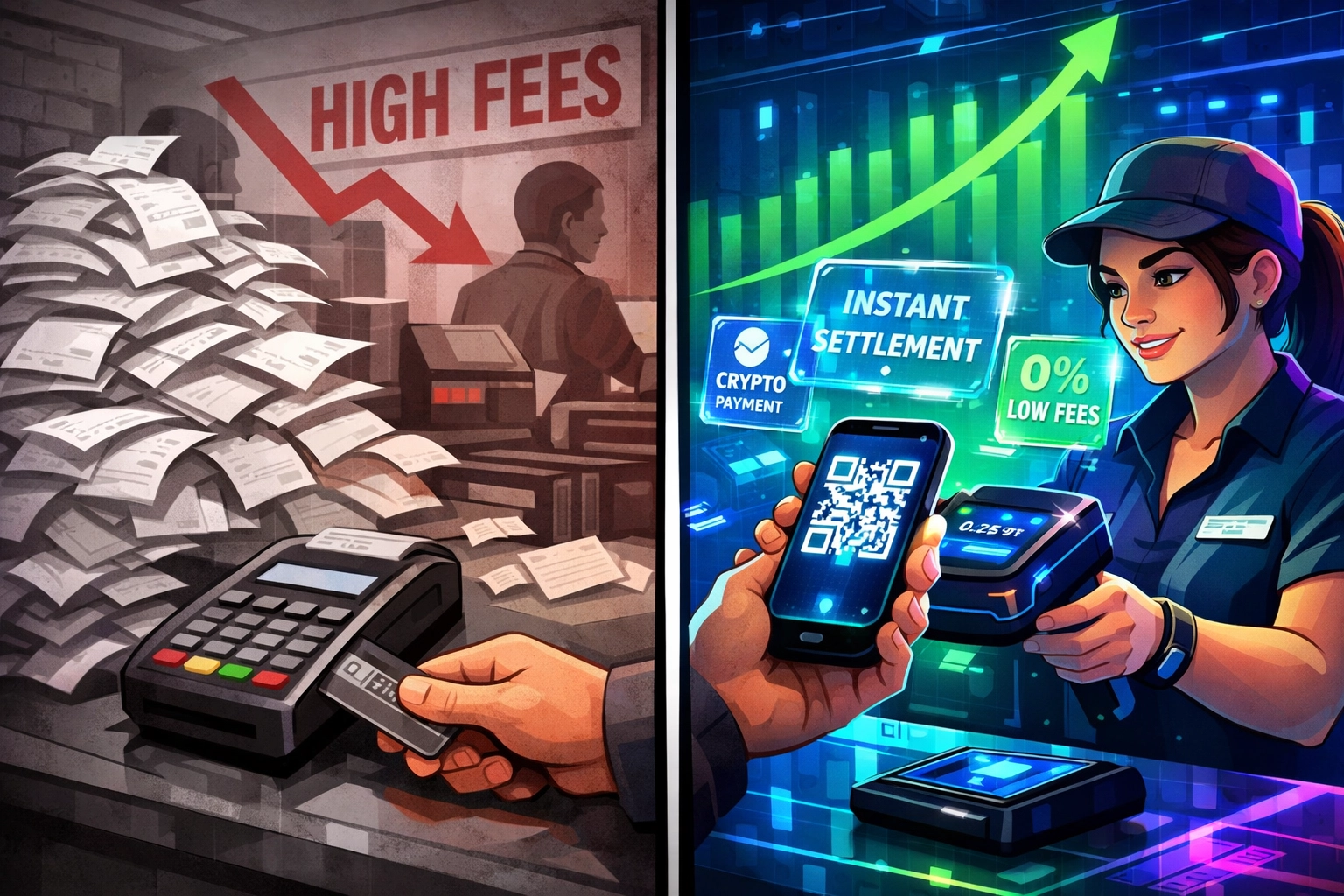
High interchange fees. Credit card processors charge 2.5-3.5% per transaction. For merchants operating in the metaverse, those fees stack up fast.
Slow settlements. Traditional gateways take 2-3 business days to settle. In a real-time virtual economy, that's unacceptable.
No ownership. Merchants don't own the transaction data. Payment processors control everything: customer info, transaction history, and settlement timing.
Limited global reach. Cross-border fees and currency conversions eat into margins. Metaverse commerce is borderless. Payments should be too.
Enter Web3 payment solutions.
How Larecoin Solves the Payment Problem
Larecoin isn't just another crypto gateway. It's built specifically for the future of commerce: both in-store and in the metaverse.
Here's what makes it different:
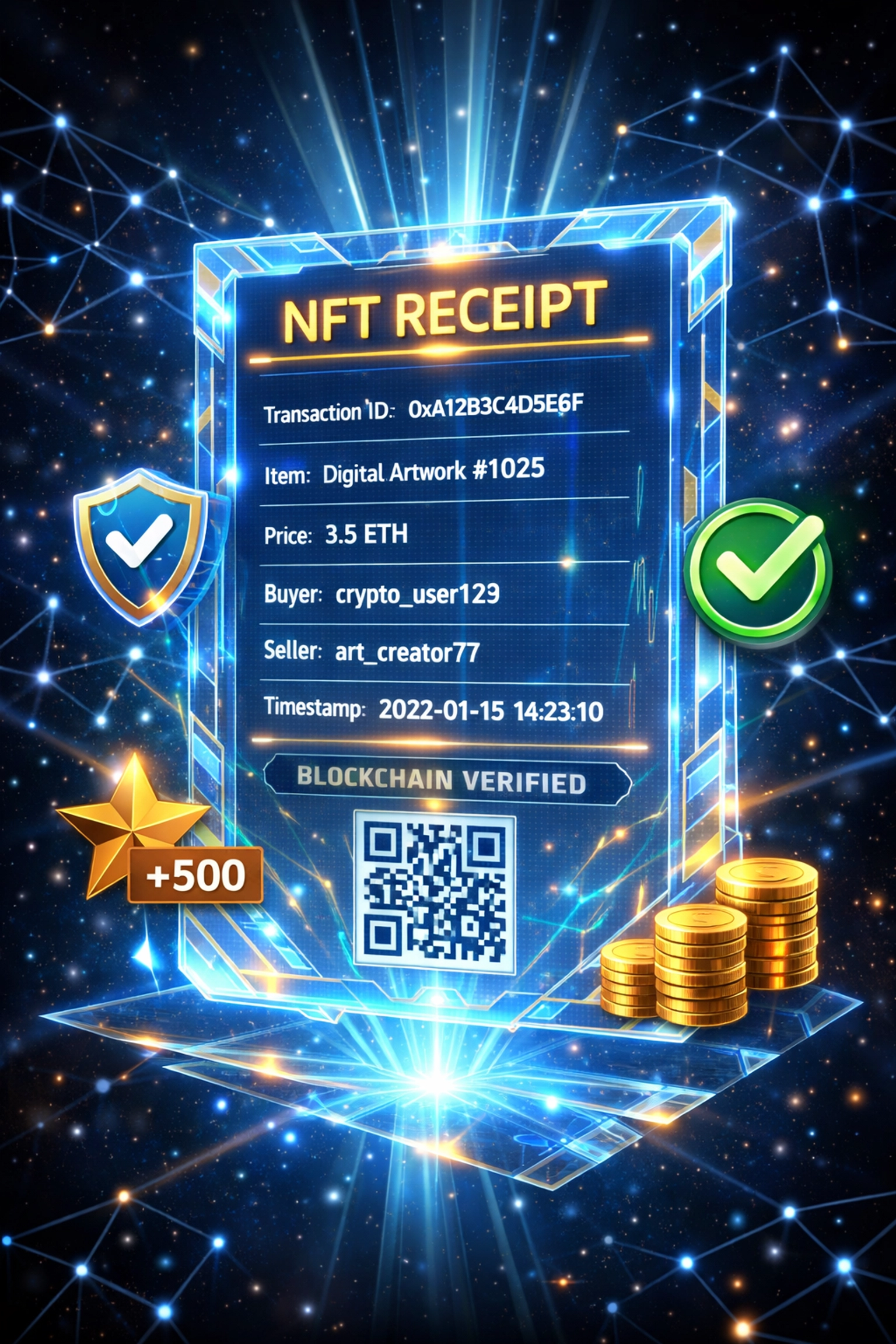
NFT Receipts
Every transaction generates an NFT receipt. Permanent proof of purchase. Immutable. Stored on-chain.
Why does this matter?
Warranty tracking: No more lost paper receipts. Your NFT receipt is forever.
Resale verification: Prove authenticity when reselling items in secondary markets.
Loyalty rewards: Merchants can airdrop rewards directly to customers who hold specific NFT receipts.
LUSD Stablecoin
Volatility kills commerce. That's why Larecoin offers LUSD: a stablecoin pegged to the dollar.
Merchants get price stability. Customers get predictable purchasing power. Transactions settle instantly without the wild swings of Bitcoin or Ethereum.
Gas-Only Transfers
Larecoin uses gas-only transfers on Solana. No hidden fees. No interchange charges. Just the cost of the blockchain transaction: usually fractions of a cent.
Compare that to traditional gateways charging 2.5-3.5% on every sale.
Self-Custody Wallets
Merchants and customers control their own funds. No third-party custodian. No risk of frozen accounts or seized assets.
Self-custody is the foundation of Web3. Larecoin makes it seamless with master/sub-wallet architecture for businesses managing multiple locations or departments.
Merchant Benefits: Cutting Fees by More Than 50%
Let's talk numbers.
Traditional payment gateway: 2.5-3.5% per transaction + $0.30 flat fee.
Larecoin: Gas-only transfers (typically $0.0001 - $0.01 per transaction).
For a business processing $1 million annually:
Traditional gateway: $25,000 - $35,000 in fees
Larecoin: Less than $1,000 in gas fees
That's a fee reduction of over 97% in some cases.
Master/Sub-Wallet Architecture
Manage multiple locations or departments with ease. Create sub-wallets for each store, marketplace vendor, or franchise location. Track everything from a single dashboard.
QR-Generated POS
No expensive hardware. Generate a QR code for any transaction. Customers scan and pay with their crypto wallet. Instant settlement. NFT receipt issued automatically.
Works in physical stores, online checkouts, and metaverse storefronts.
Real-Time Settlement
Forget 2-3 business days. Larecoin transactions settle in seconds. Funds are in your wallet immediately. Full control. Zero hold times.
The Larecoin B2B2C Metaverse: Social Shopping Meets Web3 Payments
The real magic happens in the Larecoin B2B2C metaverse.
What is it?
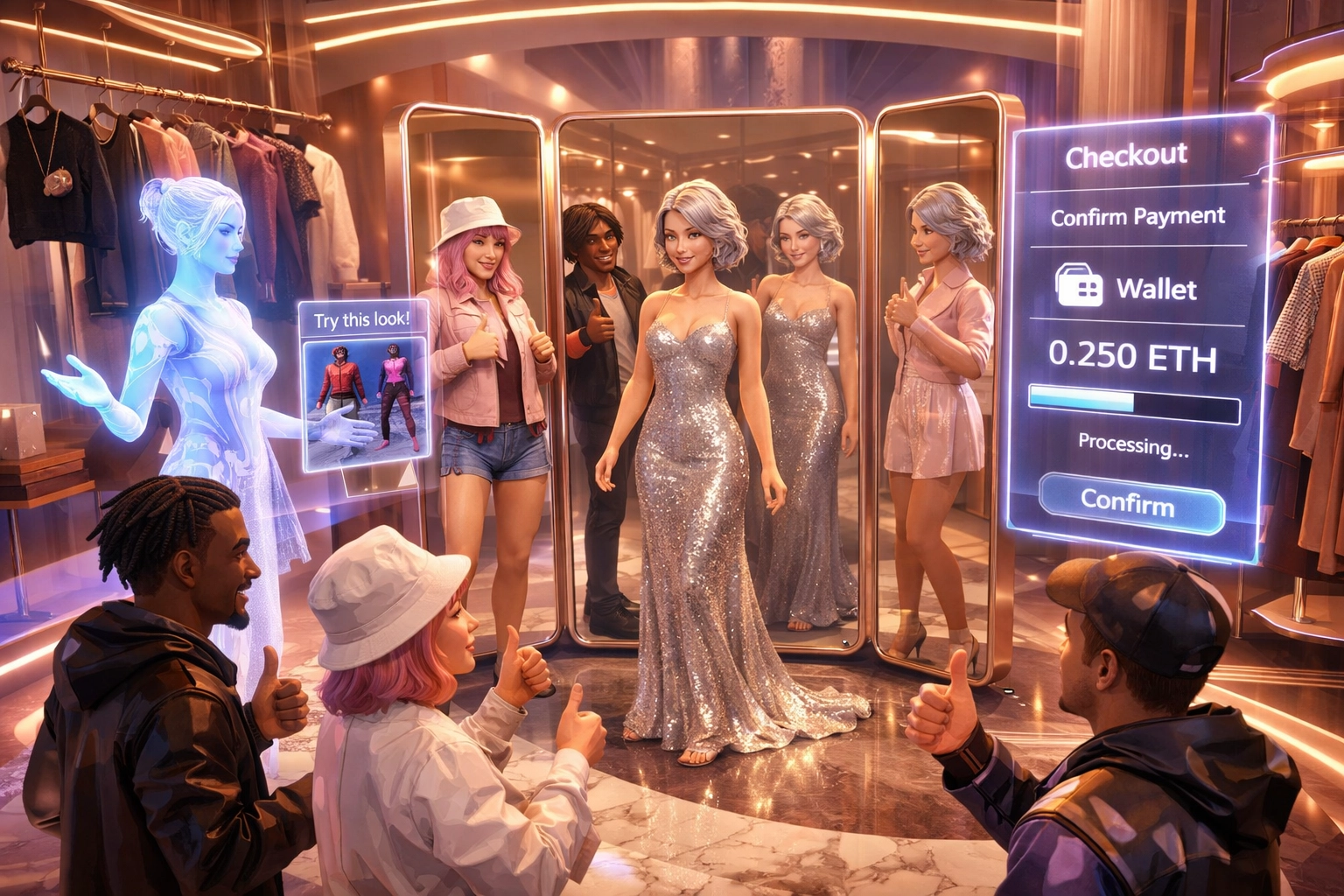
A fully immersive virtual shopping environment where businesses set up storefronts, customers browse with avatars, and payments happen seamlessly with Larecoin.
Key features:
Virtual fitting rooms: Try on digital clothing with your avatar. See how items fit before buying physical or digital versions.
Social shopping spaces: Invite friends into your virtual store. Get real-time feedback. Host shopping events and product launches.
Cross-reality commerce: Buy in the metaverse. Receive physical shipment or digital NFT. Hybrid retail models are the future.
AI-powered recommendations: Virtual sales assistants powered by machine learning. Personalized shopping experiences based on your preferences and history.
The business model:
B2B2C means Larecoin provides the infrastructure for businesses (B2B), who then serve customers (B2C). Merchants get access to cutting-edge metaverse tools. Customers get immersive shopping experiences. Larecoin facilitates the entire ecosystem.
Comparing Larecoin to Other Crypto Payment Gateways
Let's see how Larecoin stacks up against competitors like NOWPayments, CoinPayments, and Triple-A.
NOWPayments
Fees: 0.5% per transaction + network fees
Features: Basic crypto payment processing
Limitations: No NFT receipts. No self-custody. No metaverse integration.
CoinPayments
Fees: 0.5% per transaction (minimum)
Features: Multi-coin support, merchant tools
Limitations: Custodial wallets. No stablecoin optimized for retail. No metaverse storefronts.
Triple-A
Fees: Custom pricing (typically 1%+)
Features: Fiat settlement options
Limitations: Requires KYC. Custodial model. No NFT receipt innovation.
Larecoin
Fees: Gas-only (typically <$0.01 per transaction)
Features: NFT receipts, LUSD stablecoin, self-custody, master/sub-wallets, QR POS, metaverse storefronts
Advantages: Complete ecosystem. B2B2C model. Purpose-built for Web3 retail.
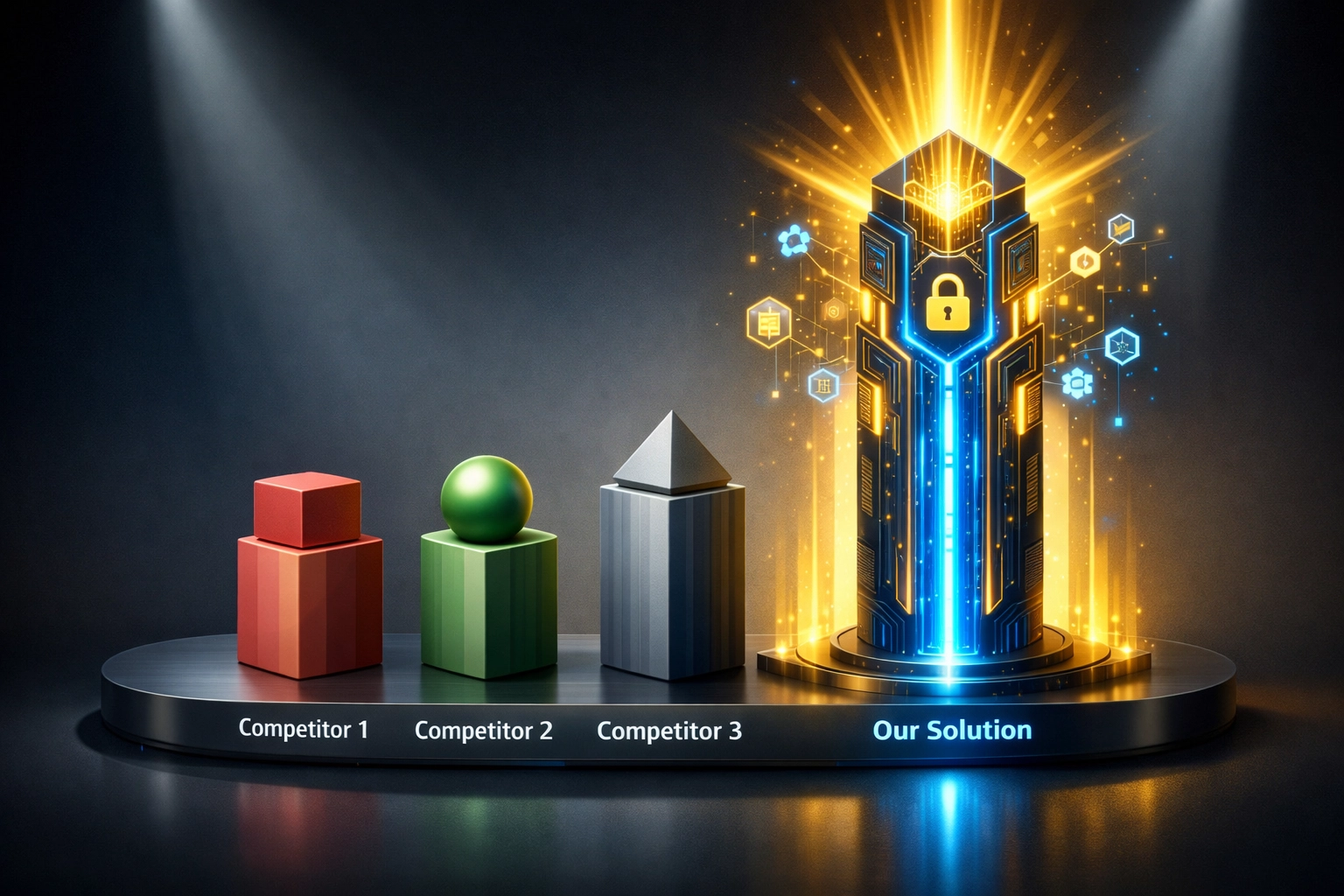
The difference? Larecoin isn't just a payment gateway. It's the entire infrastructure for metaverse commerce.
Compliance & Trust: Federal MSB Registration and State-Level MTL Coverage
Web3 doesn't mean lawless.
Larecoin operates with full regulatory compliance:
Federal MSB registration: Registered with FinCEN as a Money Services Business.
State-level MTL coverage: Money Transmitter License coverage across the U.S.
KYC/AML protocols: Industry-standard know-your-customer and anti-money-laundering procedures.
This matters for merchants. Working with a compliant payment provider protects your business from regulatory risk.
Trust factors:
Transparent operations
Secure infrastructure on Solana blockchain
Self-custody architecture reduces counterparty risk
Regular audits and compliance updates
Check out more on Larecoin's trust and compliance standards at larecoin.com/trust.
What Retail Looks Like in 2030
By 2030, the lines between physical, digital, and virtual retail disappear completely.
Here's the vision:
Morning coffee: Walk into a physical cafe. Pay with a QR code generated by your Larecoin wallet. NFT receipt stored instantly.
Lunchtime shopping: Put on your VR headset. Browse the Larecoin metaverse. Visit your favorite brand's virtual storefront. Try on clothing with your avatar. Purchase with LUSD. Physical item ships to your door. Digital NFT twin added to your wallet.
Evening entertainment: Buy tickets to a virtual concert in the metaverse. Pay with Larecoin. Receive an NFT ticket that doubles as a collectible.
Zero friction. Instant settlement. Complete ownership.
Merchants benefit from massive fee savings, instant global reach, and new revenue streams from digital goods and NFTs.
Customers benefit from immersive experiences, self-custody, and the ability to truly own their digital purchases.
This isn't science fiction. The infrastructure exists today. Adoption is accelerating.
Ready to Build the Future of Retail?
The metaverse isn't coming. It's here.
VR and AR shopping experiences are already generating billions in revenue. By 2030, they'll dominate retail.
The question for merchants: Will you adapt or get left behind?
Larecoin offers:
Fee savings of 50% or more compared to traditional gateways
NFT receipts for permanent proof of purchase
LUSD stablecoin for price stability
Self-custody wallets for true ownership
QR-generated POS with zero hardware costs
Full B2B2C metaverse infrastructure
Federal MSB registration and state-level MTL compliance
Explore more about reducing merchant interchange fees and how Web3 payments solve real-world problems in our 100-post Larecoin marathon.
The future of retail is immersive, borderless, and powered by crypto.
Get started at larecoin.com.
Comments