

.png)
Are Physical Stores Dead? How VR/AR Metaverse Shopping Creates New Revenue Streams in 2026
- [[[Free!!]<<<<]] Watch: 스포르팅 - 토트넘 Live Stream 13 September 2022
- 2 hours ago
- 5 min read
![Writer: [[[Free!!]<<<<]] Watch: 스포르팅 - 토트넘 Live Stream 13 September 2022](https://lh3.googleusercontent.com/a/AItbvmktwQc0wCdd3ZEETSYItRQubwwBzOyjD_dcigRf=s96-c)
Physical Retail Is Alive: But Smart Merchants Are Opening a Second Front
Physical stores aren't dead. They're booming.
Daily online shopping plummeted 57% in the past year: from 21% down to 9%. Consumers are flooding back to brick-and-mortar, craving tactile experiences and price verification before they buy.
80% of global retail sales happen in physical stores in 2026. North America? 83.8% physical. Store openings are outpacing closures nearly 2:1, with 1,118 planned openings versus 566 closures tracked so far.
But here's the catch: Physical retail is thriving. Physical-only merchants are leaving money on the table.
The smartest retailers in 2026 aren't choosing between physical and digital. They're running both simultaneously: and adding a third dimension: VR/AR metaverse storefronts that create entirely new revenue streams without the overhead.
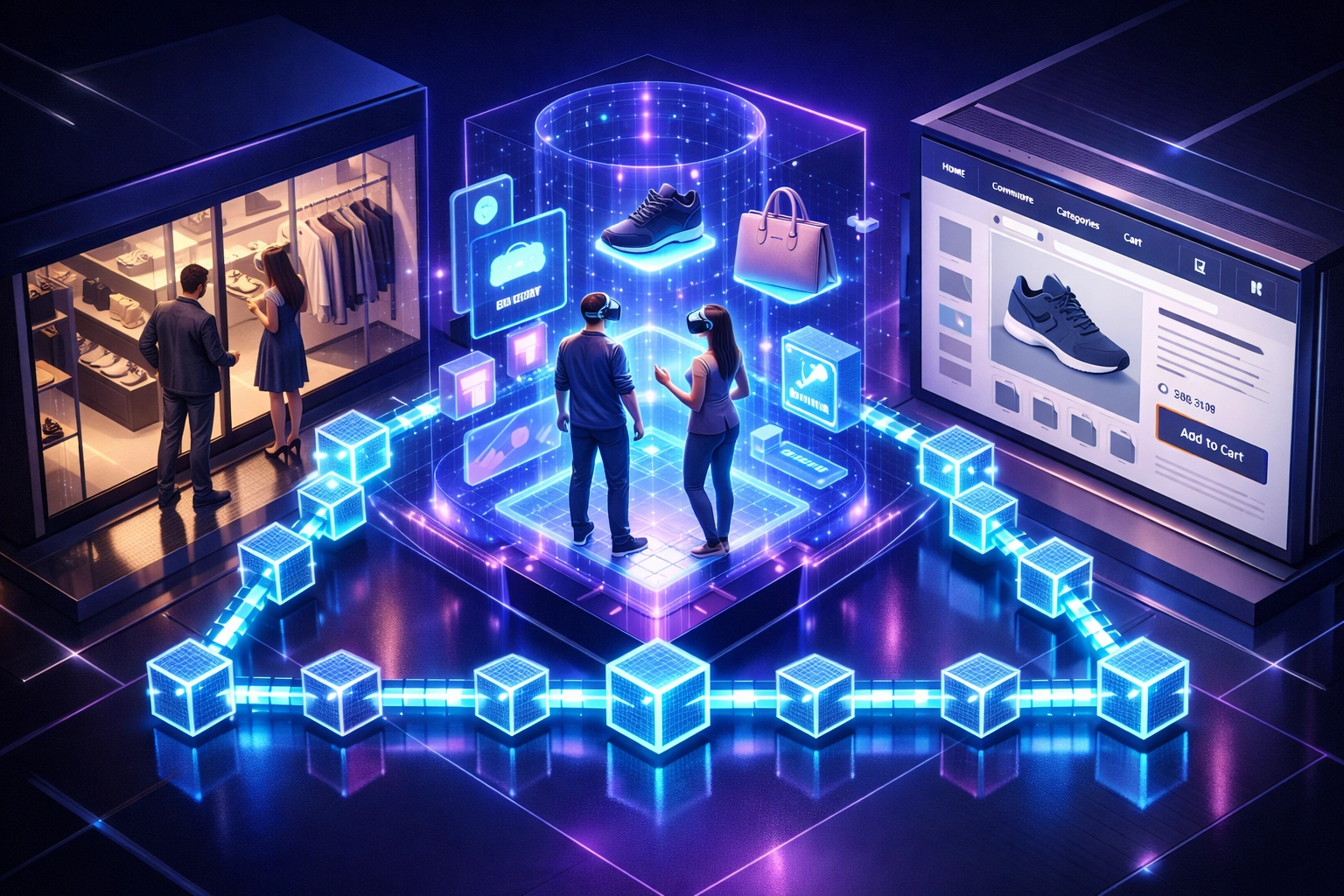
The Metaverse Shopping Opportunity Nobody's Talking About
While everyone debates "online vs. offline," early adopters are building immersive shopping experiences in virtual spaces.
Think about it:
Zero real estate costs
No inventory storage
24/7 global accessibility
Social shopping experiences that rival in-person browsing
NFT-verified digital goods with real-world redemption
The Larecoin B2B2C metaverse isn't replacing your physical storefront. It's multiplying it. Your customers shop in-store during business hours, browse your metaverse location at 2 AM from Tokyo, and pay with the same self-custody wallet whether they're physical or virtual.
One payment infrastructure. Three revenue channels.
Why Traditional Crypto Payment Processors Can't Handle This
NOWPayments, CoinPayments, and Triple-A weren't built for metaverse commerce. They're great for basic online checkout: but they lack the infrastructure for VR/AR environments where customers expect:
Instant NFT receipts proving authenticity and ownership Gas-only transfers eliminating hidden transaction fees Self-custody wallets that customers control across all shopping contexts LUSD stablecoin eliminating volatility panic during checkout
Larecoin's architecture was designed from day one for spatial commerce. Not bolted on. Not retrofitted. Native metaverse payments.
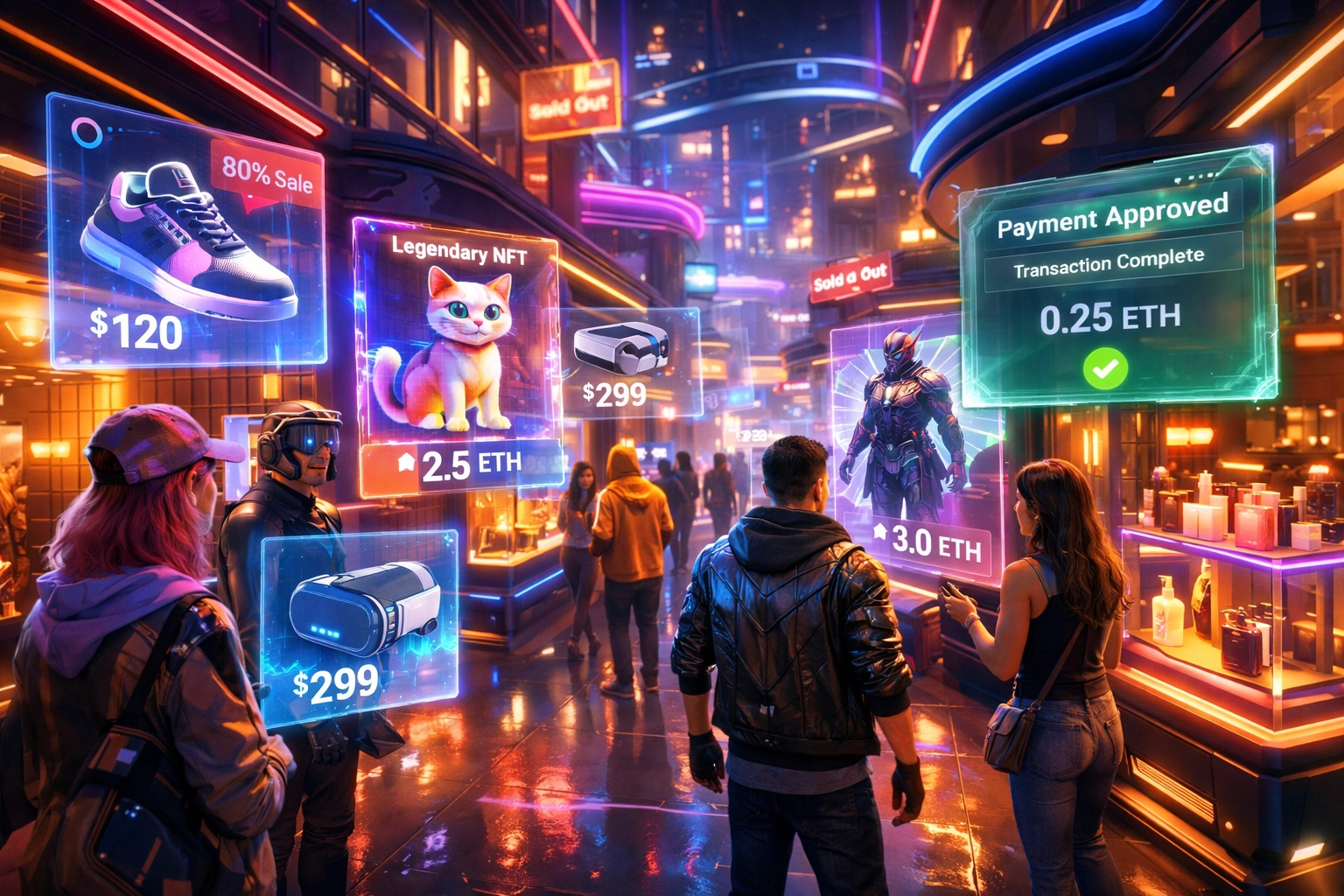
The Technical Advantages That Matter for Multi-Dimensional Retail
NFT Receipts
Every purchase generates an NFT receipt. Not a gimmick: a verifiable proof of purchase that works across physical, online, and metaverse channels. Returns? Warranty claims? Resale authentication? The blockchain has the receipt.
LUSD Stablecoin
Customers don't want to pay $50 for a shirt that costs $47 by the time the transaction settles. LUSD eliminates crypto volatility while maintaining decentralization. Price stability without trusted intermediaries.
Gas-Only Transfers
Zero hidden fees. Customers pay only the minimal blockchain gas cost. No 2-3% platform cuts. No surprise charges at checkout. Transparent pricing that builds trust.
Self-Custody Architecture
Your customers control their wallets. You never custody their funds. This isn't just better security: it's regulatory clarity. You're processing payments, not holding customer assets.
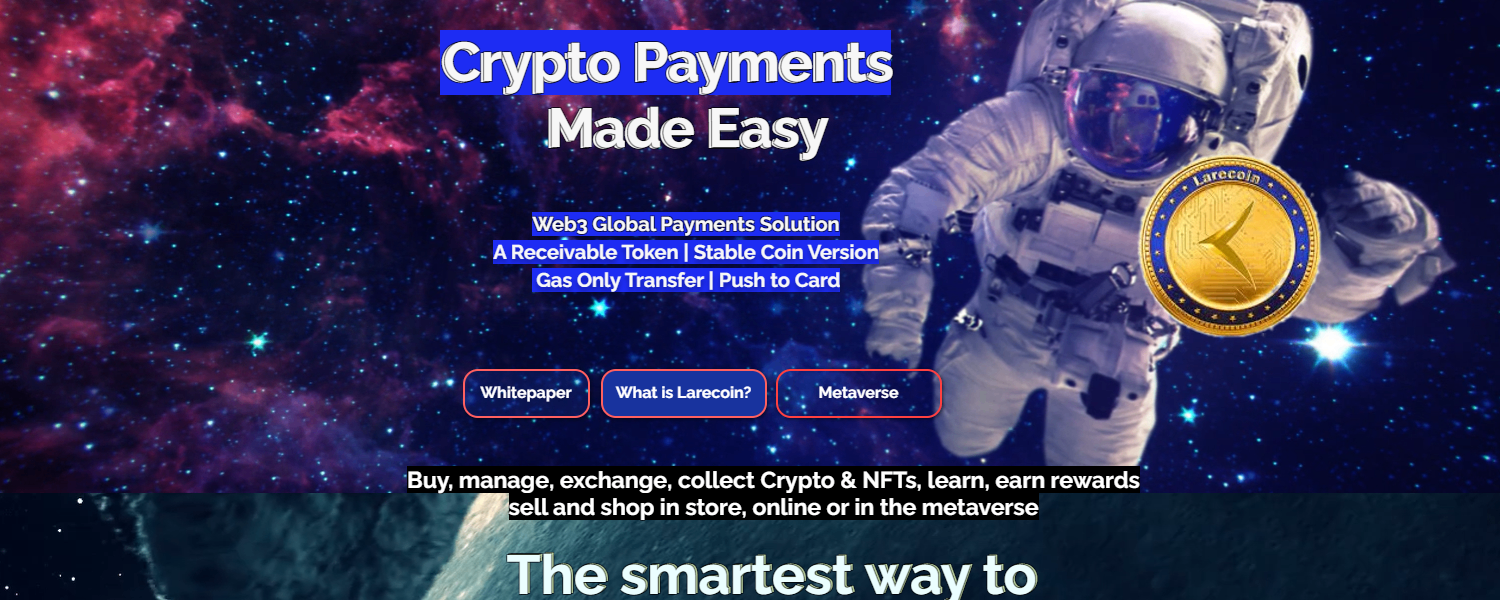
How Merchants Slash Fees by More Than 50%
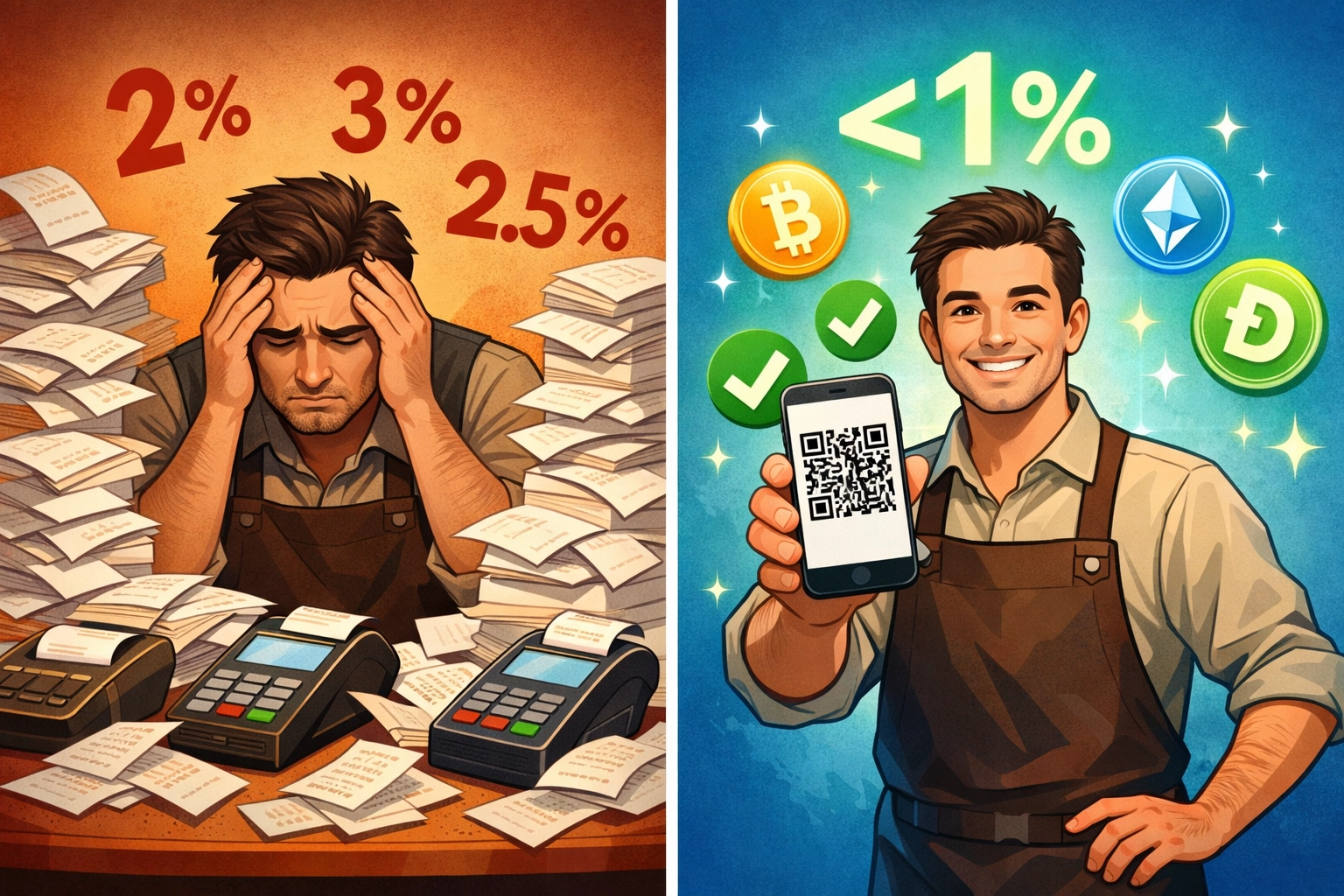
Traditional payment processors eat 2-3% of every transaction. For a business doing $1M annually, that's $20,000-$30,000 in pure overhead.
Larecoin's gas-only model drops that to under 1% in most cases. On a $1M business, you're saving $15,000-$25,000 annually.
Master and Sub-Wallet Architecture Run multiple store locations or departments? Create sub-wallets under one master account. Track revenue by location, product line, or sales channel without juggling multiple platforms.
QR-Generated POS Systems No expensive hardware contracts. Generate QR codes for any transaction amount. Customers scan with their Larecoin wallet. Payment confirms in seconds. Works identically whether you're running a physical register, an online checkout, or a VR showroom.
This is how you compete with Amazon while maintaining healthy margins.
Compliance Isn't Sexy: But It's What Separates Real Platforms from Vapor
Any crypto startup can promise low fees. Few can deliver federal MSB registration and comprehensive state-level MTL coverage across the U.S.
Larecoin holds Money Services Business registration at the federal level and maintains Money Transmitter License compliance state-by-state. We're not operating in regulatory gray zones. We're not one lawsuit away from shutting down your payment processing.
When you integrate Larecoin, you're integrating with a compliant, regulated payment infrastructure that won't disappear when regulators crack down.
Verify our compliance status anytime at larecoin.com/trust.
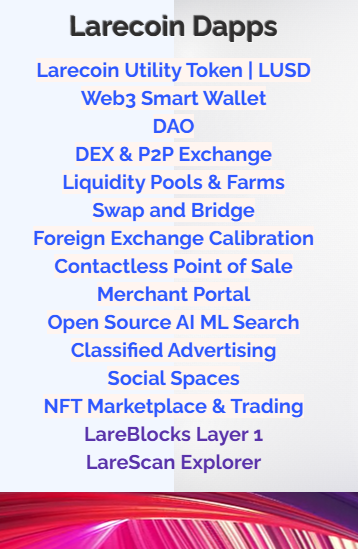
The B2B2C Metaverse: Social Shopping Without the Platform Tax
Here's where it gets interesting.
The Larecoin metaverse isn't a walled garden. It's a B2B2C ecosystem where merchants create branded virtual spaces, customers socialize while shopping, and transactions happen peer-to-peer without platform intermediaries.
Imagine:
Virtual showrooms where customers browse with friends in real-time
NFT-gated exclusive drops for loyalty program members
Try-before-you-buy AR previews that connect to instant checkout
Community events that drive foot traffic to both virtual and physical locations
You're not paying rent to Meta or Apple. You're building equity in your own virtual real estate.
Traditional platforms take 15-30% cuts. Larecoin takes gas fees only. You keep your margin. You control your customer relationships. You own your data.
Physical Stores Aren't Dead: They're Just One Channel Now
60% of shoppers still discover products in physical stores. That's not going away. But the other 40%? They're split across online marketplaces, social platforms, and increasingly, immersive digital environments.
Smart merchants serve all of them with unified payment infrastructure.
Your customer discovers your product on Instagram at 11 PM. They visit your VR showroom at midnight to see the full collection. They stop by your physical store the next afternoon to verify fit. They complete the purchase on their phone while walking to their car.
One wallet. One customer journey. Four touchpoints. Zero friction.
That's the 2026 retail reality. Not either/or. Omnichannel with metaverse multiplication.
What This Means for Your Bottom Line
Let's get tactical.
A mid-size retailer with $2M in annual sales currently pays:
$40,000-$60,000 in interchange fees
$15,000-$30,000 in POS system fees and maintenance
Lost revenue from abandoned carts and checkout friction
Switch to Larecoin:
Interchange fees drop to under $20,000 (50%+ savings)
POS infrastructure becomes QR-code generation (minimal cost)
Self-custody wallets eliminate checkout abandonment from payment trust issues
Annual savings: $35,000-$70,000 depending on transaction volume.
Now add metaverse revenue streams that cost almost nothing to operate. Even capturing 10% additional revenue from virtual shopping adds $200,000 to top line with minimal incremental cost.
This is how regional retailers compete with national chains. This is how boutique brands build global reach. This is how physical retail stays profitable in the Web3 era.
Getting Started Is Easier Than You Think
You don't need blockchain expertise. You don't need to understand smart contracts. You don't need custom development.
Larecoin provides:
Ready-to-deploy POS solutions
Pre-built metaverse storefront templates
Master/sub-wallet management dashboards
NFT receipt automation
Stablecoin conversion tools
Integration takes days, not months. Training takes hours, not weeks.
Check out 15 Metaverse Shopping Features to Future-Proof Your Small Business in 2026 for implementation roadmaps and real-world case studies.
The Question Isn't "Are Physical Stores Dead?"
The question is: Are you maximizing every revenue channel available?
Physical retail is rebounding. E-commerce is maturing. Metaverse commerce is exploding.
Winners in 2026 operate across all three with payment infrastructure that treats them as one unified system: not separate tech stacks held together with duct tape and middleware.
Physical stores aren't dead. But physical-only strategies are leaving millions on the table.
Time to build your second and third storefronts. Same inventory. Same brand. New revenue streams.
Learn more about reducing interchange fees and implementing Web3 payments at larecoin.com.
Comments