

.png)
Are Traditional POS Systems Dead? Here's Why VR/AR Shopping in the Larecoin Metaverse Is the Future
- [[[Free!!]<<<<]] Watch: 스포르팅 - 토트넘 Live Stream 13 September 2022
- 2 hours ago
- 4 min read
![Writer: [[[Free!!]<<<<]] Watch: 스포르팅 - 토트넘 Live Stream 13 September 2022](https://lh3.googleusercontent.com/a/AItbvmktwQc0wCdd3ZEETSYItRQubwwBzOyjD_dcigRf=s96-c)
The Death Certificate for Legacy POS Is Already Signed
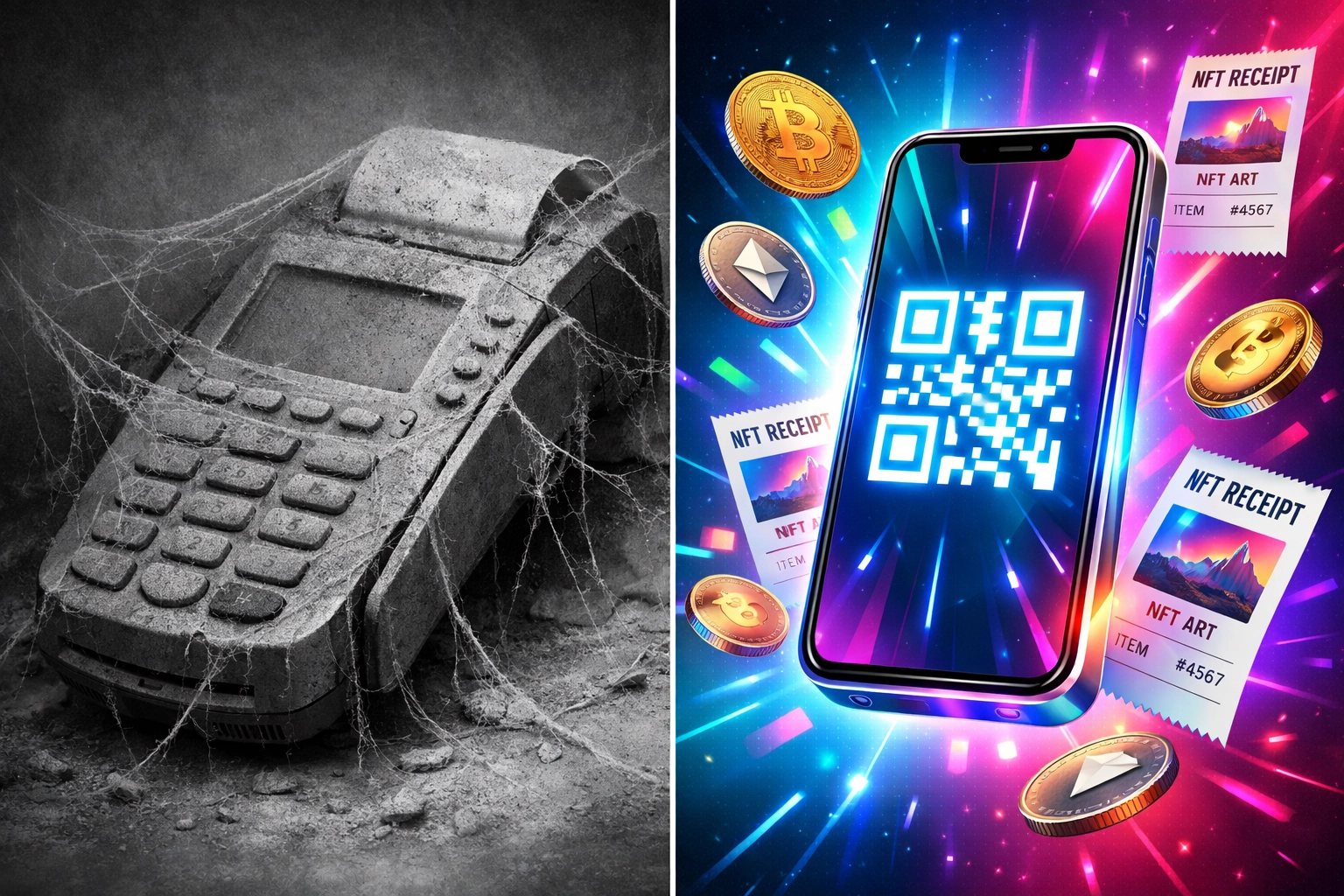
Traditional POS systems aren't just dying. They're obsolete.
48% of retailers now demand customization and flexibility from their payment infrastructure. Legacy terminals can't deliver. They're locked into proprietary hardware, sluggish update cycles, and siloed data architecture that separates sales from inventory from accounting.
The cloud POS market is exploding to $3.73 billion by 2026: a 22.7% CAGR. Contactless payments cut checkout time by 50%. Digital wallets will dominate over half of in-store transactions globally this year.
But here's what the industry research misses: crypto payment rails make even cloud POS look ancient.
And VR/AR shopping in the Larecoin metaverse? That's not "future-proofing." That's already happening.
Why Crypto POS Processors Still Fall Short
Let's talk competitors. NOWPayments, CoinPayments, Triple-A: they all claim to modernize merchant payments with crypto acceptance.
The reality? They're still middlemen.
NOWPayments charges 0.5% per transaction plus network fees. You're still paying gateway costs. CoinPayments operates as a custodial wallet: merchants don't actually control their funds until withdrawal. Triple-A positions as "enterprise-grade" but locks you into KYC-heavy onboarding and fiat conversion rails.
None offer true self-custody. None eliminate the interchange fee structure entirely. None provide NFT receipt generation for accounting automation.
Larecoin operates differently.
Gas-only transfers mean merchants pay blockchain network fees: that's it. No platform cut. No percentage skim. With LUSD stablecoin integration, volatility is eliminated while maintaining crypto-native settlement speed.
The Technical Advantage: NFT Receipts, Master Wallets, and Self-Custody
Larecoin isn't competing with legacy POS. It's replacing the payment infrastructure entirely.
NFT Receipts
Every transaction generates an NFT receipt. Immutable. Timestamped. Blockchain-verifiable.
For accounting teams, this is revolutionary. No more reconciling credit card statements against internal ledgers. No disputes over "did this transaction actually happen?" Every sale is a permanent digital artifact stored on-chain.
Tax season? Export your NFT receipt wallet. Done.
LUSD Stablecoin
Merchants want crypto's speed without the volatility risk. LUSD (Larecoin USD) solves this.
Customers pay in LARE or any supported token. Merchants receive LUSD instantly. No conversion delays. No third-party forex spreads. No bank settlement windows.
It's the stability of fiat with the finality of blockchain settlement.
Master/Sub-Wallet Architecture
Enterprise merchants need multi-location management. Larecoin's master/sub-wallet structure allows headquarters to maintain oversight while giving individual stores operational autonomy.
Set spending limits. Track location-specific revenue. Consolidate funds on-demand.
All without surrendering custody to a payment processor.
Merchant Benefits: >50% Fee Savings and QR-Generated POS
Traditional credit card processing costs merchants 2–3.5% per transaction. Debit cards? 1.5–2.5%. Those interchange fees add up fast.
Larecoin reduces payment costs by over 50%.
How? Gas-only transfers. On Solana, transaction fees average $0.00025. Even during network congestion, you're paying pennies: not percentage points.
For a $100 sale:
Credit card processor: $2.50–$3.50 in fees
CoinPayments (0.5% + network): $0.50 + network fees
Larecoin: $0.00025 + Solana gas
The math is undeniable.
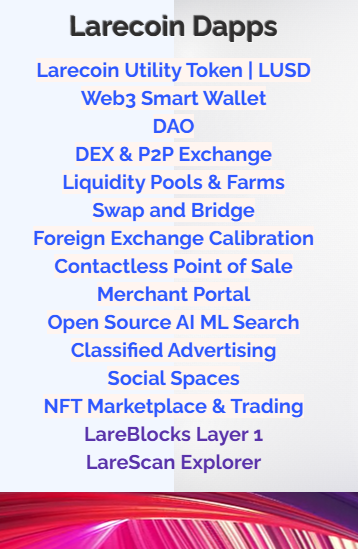
QR-Generated POS
No hardware required. No terminal rental fees. No proprietary tablets.
Merchants generate a payment QR code from the Larecoin app. Customer scans with their mobile wallet. Transaction settles in seconds.
It works at farmers markets. Pop-up shops. Food trucks. Brick-and-mortar stores.
Anywhere a smartphone exists, Larecoin POS works.
The B2B2C Metaverse: Social Shopping Meets Commerce
Here's where Larecoin separates from every crypto payment processor on the market.
We're not just processing transactions. We're building a social commerce metaverse.
The Larecoin B2B2C metaverse integrates:
VR storefronts where customers browse 3D product displays
AR try-before-you-buy experiences overlaid on physical spaces
Social shopping lounges where friends shop together from different locations
Live merchant events in virtual venues
This isn't speculative. The infrastructure is live at larecoin.com.
VR/AR Shopping: The Convenience Factor
Traditional retail has two pain points: geographic limitation and browsing inefficiency.
VR shopping eliminates both.
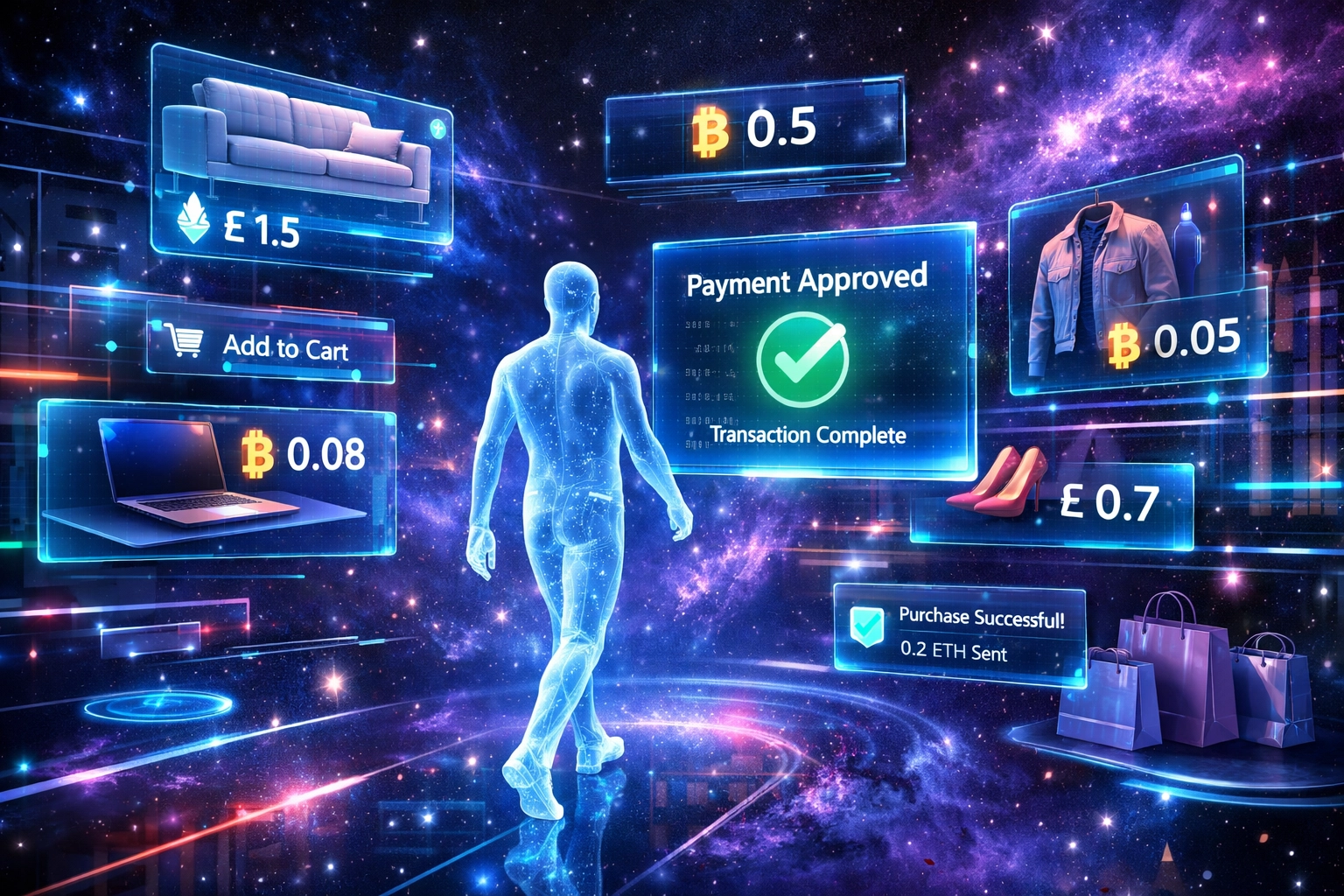
A customer in New York can walk through a virtual boutique operated by a merchant in Tokyo. They can examine product details in 3D, ask questions via voice chat with the merchant avatar, and complete purchase: all without leaving their living room.
AR shopping takes this further. Point your phone camera at your living room. The Larecoin app overlays a virtual sofa from a furniture merchant. See exact dimensions. Visualize color match. Purchase instantly.
No guessing. No returns. No friction.
For merchants, this unlocks global reach without international shipping complexities. Digital goods delivery is instant. Physical goods integrate with existing fulfillment.
Compliance You Can Trust: MSB and MTL Coverage
Crypto payments scare some merchants. Regulatory uncertainty. Compliance risk. The fear of operating in a gray area.
Larecoin eliminates that fear.
We're federally registered as a Money Services Business (MSB) with FinCEN. We maintain state-level Money Transmitter Licenses (MTL) across the United States.
This isn't a side project running out of an offshore entity. This is a compliant, regulated payment infrastructure that meets institutional standards.
Visit larecoin.com/trust for full licensing documentation.
For merchants, this means:
No risk of regulatory shutdown
Clear compliance framework for accounting teams
Institutional legitimacy for enterprise adoption
You're not experimenting with crypto. You're adopting infrastructure built to regulatory spec.
Why the Metaverse Isn't Optional Anymore
Some merchants dismiss VR/AR shopping as "futuristic" or "niche."
They're wrong.
By 2026, metaverse commerce is projected to exceed $800 billion annually. Gen Z and Millennials: the largest consumer demographics: prefer immersive shopping experiences over traditional e-commerce.
Brands that ignore this shift will lose market share to competitors who adapt.
Larecoin makes metaverse adoption frictionless. Merchants don't need blockchain expertise. No smart contract coding. No crypto wallet education.
Set up a virtual storefront. Connect inventory. Start selling.
The payment rails, custody infrastructure, and compliance framework are already built.
Check out 15 metaverse shopping features to see what's possible today.
The Future Isn't Coming. It's Here.
Traditional POS systems are relics. Cloud-based processors are interim solutions. Even most crypto payment gateways still operate on Web2 business models.
Larecoin is Web3-native commerce infrastructure.
Self-custody wallets. NFT receipts. Gas-only transfers. LUSD stablecoin settlement. Master/sub-wallet architecture. Federal MSB registration. State MTL compliance.
And a B2B2C metaverse where VR/AR shopping transforms how merchants and customers interact.
This isn't theoretical. Merchants are processing transactions right now. Customers are shopping in virtual spaces. The infrastructure is live, regulated, and scaling.
The question isn't whether traditional POS is dead.
The question is: Are you still using it?
Comments